
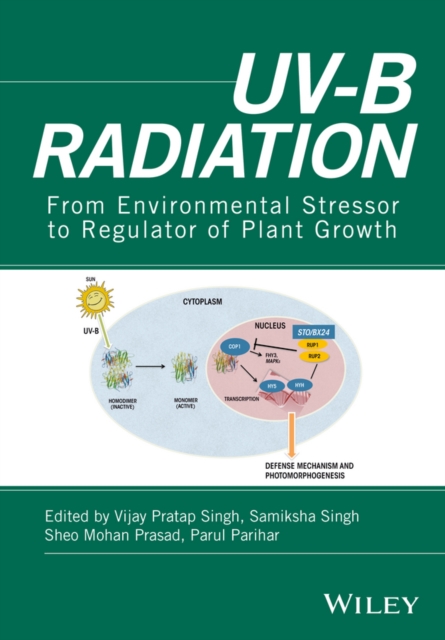
Ultraviolet B (UVΓÇôB) is electromagnetic radiation coming from the sun, with a medium wave which is mostly absorbed by the ozone layer. The biological effects of UVΓÇôB are greater than simple heating effects, and many practical applications of UVΓÇôB radiation derive from its interactions with organic molecules.Considered particularly harmful to the environment and living things, what have scientific studies actually shown?
UVΓÇôB Radiation: From Environmental Stressor to Regulator of Plant Growth presents a comprehensive overview of the origins, current state, and future horizons of scientific research on Ultraviolet B radiation and its perception in plants. Chapters explore all facets of UVΓÇôB research, including the basics of how UVΓÇôBΓÇÖs shorter wavelength radiation from the sun reaches the EarthΓÇÖs surface, along with its impact on the environmentΓÇÖs biotic components and on human biological systems. Chapters also address the dramatic shift in UVΓÇôB research in recent years reflecting emerging technologies; showing how historic research which focused exclusively on the harmful environmental effects of UVΓÇôB radiation has now given way to studies on potential benefits to humans. Topics include:
ΓÇó UVΓÇôB and its climatology
ΓÇó UVΓÇôB and terrestrial ecosystems
ΓÇó Plant responses to UVΓÇôB stress
ΓÇó UBΓÇô B avoidance mechanisms
ΓÇó UVΓÇôB and production of secondary metabolites
ΓÇó Discovery of UVR8
Timely and important, UVΓÇôB Radiation: From Environmental Stressor to Regulator of Plant Growth is an invaluable resource for environmentalists, researchers and students, into the stateΓÇôofΓÇôtheΓÇôart research being done on exposure to UVΓÇôB radiation.
Gjør som tusenvis av andre bokelskere
Abonner på vårt nyhetsbrev og få rabatter og inspirasjon til din neste leseopplevelse.
Ved å abonnere godtar du vår personvernerklæring.Du kan når som helst melde deg av våre nyhetsbrev.


