Norges billigste bøker

Analytical Techniques in Forensic Science

Om Analytical Techniques in Forensic Science

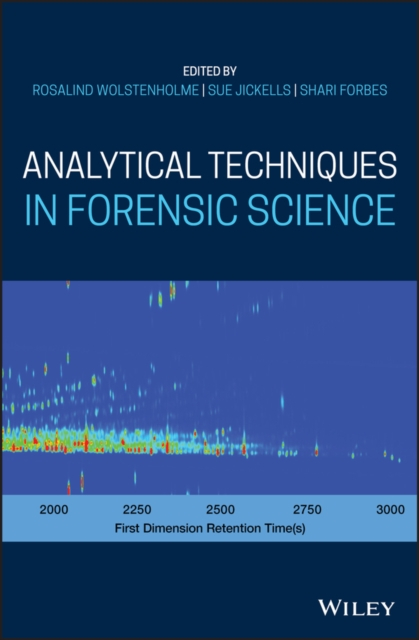
Analytical Techniques in Forensic Science looks at the interface between analytical chemistry and, primarily, trace evidence in forensic science. Each section includes an introduction to the area followed by laboratory techniques grouped by shared operating principles. Incorporating specific theory, application to forensic analytes, interpretation, forensic specific developments and case studies, coverage of each technique is clear and comprehensive. Techniques covered include UV-Vis and vibrational spectroscopy, mass spectrometry and gas and liquid chromatography. The applications include evidence types such as fibres, paint, drugs and explosives. Carefully structured throughout, each chapter carries a section on interpretation and includes relevant case examples where appropriate. In order to develop the discussion more fully focus is placed on data collection, subsequent analysis, what information has been obtained and what this means in the context of a case. This process can be markedly different in the forensic arena compared to other disciplines and dependent on the case severity and/or budget. Further, the developments section in each chapter will explore novel and future applications for analytical techniques highlighting the problem solving nature of much of forensic analysis; 'this is the state/amount of material we have, this is the information we want to get from it, which technique can we use or do we need to develop a new method?'.

Vis mer
  • Språk:
  • Engelsk
  • ISBN:
  • 9781119978282
  • Bindende:
  • Hardback
  • Sider:
  • 464
  • Utgitt:
  • 28. januar 2021
  • Dimensjoner:
  • 249x177x27 mm.
  • Vekt:
  • 1042 g.
  På lager
Leveringstid: 4-8 virkedager
Forventet levering: 9. mars 2026

Beskrivelse av Analytical Techniques in Forensic Science

Analytical Techniques in Forensic Science looks at the interface between analytical chemistry and, primarily, trace evidence in forensic science. Each section includes an introduction to the area followed by laboratory techniques grouped by shared operating principles. Incorporating specific theory, application to forensic analytes, interpretation, forensic specific developments and case studies, coverage of each technique is clear and comprehensive. Techniques covered include UV-Vis and vibrational spectroscopy, mass spectrometry and gas and liquid chromatography. The applications include evidence types such as fibres, paint, drugs and explosives. Carefully structured throughout, each chapter carries a section on interpretation and includes relevant case examples where appropriate. In order to develop the discussion more fully focus is placed on data collection, subsequent analysis, what information has been obtained and what this means in the context of a case. This process can be markedly different in the forensic arena compared to other disciplines and dependent on the case severity and/or budget. Further, the developments section in each chapter will explore novel and future applications for analytical techniques highlighting the problem solving nature of much of forensic analysis; 'this is the state/amount of material we have, this is the information we want to get from it, which technique can we use or do we need to develop a new method?'.

Brukervurderinger av Analytical Techniques in Forensic Science


Finn lignende bøker
Boken Analytical Techniques in Forensic Science finnes i følgende kategorier:

Gjør som tusenvis av andre bokelskere

Abonner på vårt nyhetsbrev og få rabatter og inspirasjon til din neste leseopplevelse.
