Norges billigste bøker

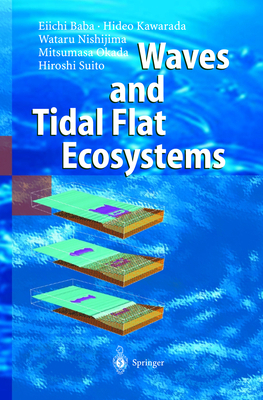
Waves and Tidal Flat Ecosystems

av E Baba
Om Waves and Tidal Flat Ecosystems

1 What is a tidal flat?.- 1.1 Introduction.- 1.2 Function and structure of natural and man-made tidal flats.- 1.2.1 Pysico-chemical characteristics.- 1.2.2 Hydraulic characteristics.- 1.2.3 Biomass of bacteria and macrobenthos.- 1.2.4 Respiration rates of microorganisms.- 1.2.5 Discussion.- 1.3 Key factors to determine a tidal flat characteristic.- 1.3.1 Transfer experiment.- 1.3.2 Relationship between silt content and bacterial population.- 1.4 Fluid flow on a tidal flat.- 1.4.1 Outline of study sites.- 1.4.2 Shear stress.- 1.4.3 Sedimentation of sand.- 1.4.4 Discussion.- 2 Effects of waves and tide on tidal flat ecosystems.- 2.1 Introduction.- 2.2 Method of experiments on internal flow in seabed.- 2.2.1 Flow visualization inside sandy beach.- 2.2.2 Wave and tide control.- 2.2.3 Quantification of seawater infiltration in sandy beach.- 2.3 Role of wave and tide on seawater infiltration in sandy beach.- 2.3.1 Fresh seawater infiltration.- 2.3.2 Silt movement by wave action.- 2.4 Role of wave and tide on ecosystems in tidal flats.- 2.4.1 Measurement of seawater infiltration in tidal flat.- 2.4.2 Observation of benthic organisms in tidal flat simulators.- 2.5 Concluding remarks.- 3 Unified model for wave breaking action.- 3.1 Introduction.- 3.2 Mathematical model.- 3.2.1 Notations and geometry.- 3.2.2 Conservation of mass for total flow system.- 3.2.3 Conservation of momentum for total flow system.- 3.2.4 Surface blocking effect to seawater due to accumulated materials on the beach.- 3.3 Unified model for two-phase flow with surface blocking effect.- 3.4 Numerical results.- 3.4.1 Correlation between wave breaking action on a sloping beach and internal flow of a sandy beach.- 3.4.2 Flow pattern and infiltration area of seawater in sandy beach.- 3.4.3 Time averaged flow under the beach.- 3.4.4 Surface blocking effect to seawater.- 4 Oil pollution: human damages on hydraulic regime in sandy beach ecosystems.- 4.1 Introduction.- 4.2 Infiltration of stranded oils into sandy beach sediments by waves and tides.- 4.2.1 Waves and Tides.- 4.2.2 Volume of stranded oils.- 4.2.3 Tidal Cycles and temperature.- 4.2.4 Viscosity of oil.- 4.2.5 Weathered and dispersed oils.- 4.3 Effects of the penetrated oils into sandy beach sediments on seawater infiltration by waves.- 5 Theoretical study of oil pollution.- 5.1 Introduction.- 5.2 Behavior of spilled oil in the surfzone.- 5.3 Mathematical model.- 5.3.1 Notations and geometry.- 5.3.2 Conservation of mass for a total flow system.- 5.3.3 Conservation of momentum for a total flow system.- 5.3.4 Unified equations of motion for a three-phase flow.- 5.3.5 Adhesive phenomena of oil on a sandy beach.- 5.4 Unified model for three-phase flow with adhesion.- 5.5 Numerical results.- 5.5.1 Process of drifting ashore of spilled oil.- 5.5.2 Deformation of oil.- 5.5.3 Adhesion and sliding phenomena between oil and water in a sandy beach.- 5.5.4 Infiltration phenomena of oil into a tidal flat or sea bed due to the tidal motion.- 5.5.5 Blocking effect by penetrated oil on the internal flow in sand.- 6 Oil pollution: human damage on hydraulic regime and benthic communities in tidal flat ecosystems.- 6.1 Introduction.- 6.2 Penetration of stranded oils into tidal flat sediments by tides.- 6.3 Effects of the penetrated oils into tidal flat sediments on seawater infiltration by tides.- 6.4 Effects of oil spill on seawater infiltration and macrobenthic community in tidal flats.- 6.4.1 introduction.- 6.4.2 The tidal flat simulator.- 6.4.3 Effects of oil spill on tidal flat ecosystem.- 6.4.4 Macrobenthic community.- 7 Decomposition mechanism of spilled oil by bacteria.- 7.1 Introduction.- 7.2 Notations.- 7.3 Characteristics of oil decomposition into water.- 7.3.1 Reactivity condition.- 7.4 Incompressibility condition for a total flow system.- 7.5 Biological contribution to satisfy reactivity condition.- 7.6 Unified model for three-phase flow with decomposition.- 7.7 Numerical results.- 8 Breaking waves and ecosystem dyn...

Vis mer
  • Språk:
  • Engelsk
  • ISBN:
  • 9783540004424
  • Bindende:
  • Hardback
  • Sider:
  • 176
  • Utgitt:
  • 29. juli 2003
  • Dimensjoner:
  • 156x234x11 mm.
  • Vekt:
  • 426 g.
  Gratis frakt
Leveringstid: 2-4 uker
Forventet levering: 16. mars 2026

Beskrivelse av Waves and Tidal Flat Ecosystems

1 What is a tidal flat?.- 1.1 Introduction.- 1.2 Function and structure of natural and man-made tidal flats.- 1.2.1 Pysico-chemical characteristics.- 1.2.2 Hydraulic characteristics.- 1.2.3 Biomass of bacteria and macrobenthos.- 1.2.4 Respiration rates of microorganisms.- 1.2.5 Discussion.- 1.3 Key factors to determine a tidal flat characteristic.- 1.3.1 Transfer experiment.- 1.3.2 Relationship between silt content and bacterial population.- 1.4 Fluid flow on a tidal flat.- 1.4.1 Outline of study sites.- 1.4.2 Shear stress.- 1.4.3 Sedimentation of sand.- 1.4.4 Discussion.- 2 Effects of waves and tide on tidal flat ecosystems.- 2.1 Introduction.- 2.2 Method of experiments on internal flow in seabed.- 2.2.1 Flow visualization inside sandy beach.- 2.2.2 Wave and tide control.- 2.2.3 Quantification of seawater infiltration in sandy beach.- 2.3 Role of wave and tide on seawater infiltration in sandy beach.- 2.3.1 Fresh seawater infiltration.- 2.3.2 Silt movement by wave action.- 2.4 Role of wave and tide on ecosystems in tidal flats.- 2.4.1 Measurement of seawater infiltration in tidal flat.- 2.4.2 Observation of benthic organisms in tidal flat simulators.- 2.5 Concluding remarks.- 3 Unified model for wave breaking action.- 3.1 Introduction.- 3.2 Mathematical model.- 3.2.1 Notations and geometry.- 3.2.2 Conservation of mass for total flow system.- 3.2.3 Conservation of momentum for total flow system.- 3.2.4 Surface blocking effect to seawater due to accumulated materials on the beach.- 3.3 Unified model for two-phase flow with surface blocking effect.- 3.4 Numerical results.- 3.4.1 Correlation between wave breaking action on a sloping beach and internal flow of a sandy beach.- 3.4.2 Flow pattern and infiltration area of seawater in sandy beach.- 3.4.3 Time averaged flow under the beach.- 3.4.4 Surface blocking effect to seawater.- 4 Oil pollution: human damages on hydraulic regime in sandy beach ecosystems.- 4.1 Introduction.- 4.2 Infiltration of stranded oils into sandy beach sediments by waves and tides.- 4.2.1 Waves and Tides.- 4.2.2 Volume of stranded oils.- 4.2.3 Tidal Cycles and temperature.- 4.2.4 Viscosity of oil.- 4.2.5 Weathered and dispersed oils.- 4.3 Effects of the penetrated oils into sandy beach sediments on seawater infiltration by waves.- 5 Theoretical study of oil pollution.- 5.1 Introduction.- 5.2 Behavior of spilled oil in the surfzone.- 5.3 Mathematical model.- 5.3.1 Notations and geometry.- 5.3.2 Conservation of mass for a total flow system.- 5.3.3 Conservation of momentum for a total flow system.- 5.3.4 Unified equations of motion for a three-phase flow.- 5.3.5 Adhesive phenomena of oil on a sandy beach.- 5.4 Unified model for three-phase flow with adhesion.- 5.5 Numerical results.- 5.5.1 Process of drifting ashore of spilled oil.- 5.5.2 Deformation of oil.- 5.5.3 Adhesion and sliding phenomena between oil and water in a sandy beach.- 5.5.4 Infiltration phenomena of oil into a tidal flat or sea bed due to the tidal motion.- 5.5.5 Blocking effect by penetrated oil on the internal flow in sand.- 6 Oil pollution: human damage on hydraulic regime and benthic communities in tidal flat ecosystems.- 6.1 Introduction.- 6.2 Penetration of stranded oils into tidal flat sediments by tides.- 6.3 Effects of the penetrated oils into tidal flat sediments on seawater infiltration by tides.- 6.4 Effects of oil spill on seawater infiltration and macrobenthic community in tidal flats.- 6.4.1 introduction.- 6.4.2 The tidal flat simulator.- 6.4.3 Effects of oil spill on tidal flat ecosystem.- 6.4.4 Macrobenthic community.- 7 Decomposition mechanism of spilled oil by bacteria.- 7.1 Introduction.- 7.2 Notations.- 7.3 Characteristics of oil decomposition into water.- 7.3.1 Reactivity condition.- 7.4 Incompressibility condition for a total flow system.- 7.5 Biological contribution to satisfy reactivity condition.- 7.6 Unified model for three-phase flow with decomposition.- 7.7 Numerical results.- 8 Breaking waves and ecosystem dyn...

Brukervurderinger av Waves and Tidal Flat Ecosystems


Gjør som tusenvis av andre bokelskere

Abonner på vårt nyhetsbrev og få rabatter og inspirasjon til din neste leseopplevelse.
