Norges billigste bøker

Kinaesthetic Knowing

- Aesthetics, Epistemology, Modern Design

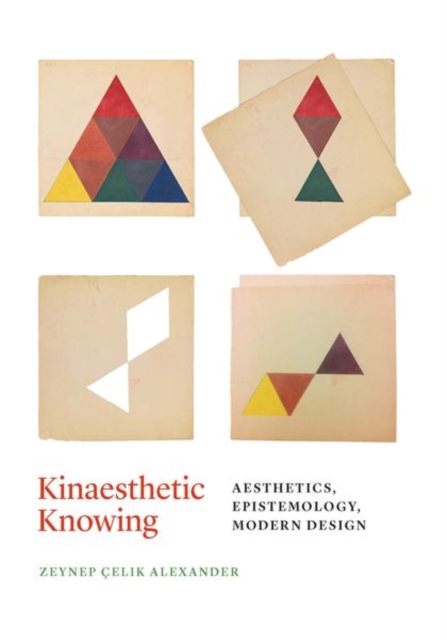
Om Kinaesthetic Knowing

This book explores an alternative way of learning and understanding theorized in Germany in the late nineteenth century. "Kinaesthetic knowing"--knowing through the experience of the entire body rather than just through an artificial, steady gaze-- evolved from a rich nexus of discovery involving science, medicine, philosophy, motion studies, photography and other new technologies, and the arts. It became an important aspect of design education in Germany leading to modern architecture as practiced at the Bauhaus in the Twenties and Thirties. Techniques used in this alternative way of knowing at the design schools included comparative looking, emotional/affective response, using the body freely in drawing and not worrying about exact imitation, and manipulating traditional rules of composition. Along the way, we encounter Heinrich Wolfflin, Hermann Obrist, Laszlo Moholy-Nagy, and many more. The Bauhaus material is good and rich: particularly impressive is the pedagogical information that has generally been overlooked by other researchers.

Vis mer
  • Språk:
  • Engelsk
  • ISBN:
  • 9780226485201
  • Bindende:
  • Hardback
  • Sider:
  • 336
  • Utgitt:
  • 8. desember 2017
  • Dimensjoner:
  • 187x258x23 mm.
  • Vekt:
  • 974 g.
  Gratis frakt
Leveringstid: 2-4 uker
Forventet levering: 23. mars 2026

Beskrivelse av Kinaesthetic Knowing

This book explores an alternative way of learning and understanding theorized in Germany in the late nineteenth century. "Kinaesthetic knowing"--knowing through the experience of the entire body rather than just through an artificial, steady gaze-- evolved from a rich nexus of discovery involving science, medicine, philosophy, motion studies, photography and other new technologies, and the arts. It became an important aspect of design education in Germany leading to modern architecture as practiced at the Bauhaus in the Twenties and Thirties. Techniques used in this alternative way of knowing at the design schools included comparative looking, emotional/affective response, using the body freely in drawing and not worrying about exact imitation, and manipulating traditional rules of composition. Along the way, we encounter Heinrich Wolfflin, Hermann Obrist, Laszlo Moholy-Nagy, and many more. The Bauhaus material is good and rich: particularly impressive is the pedagogical information that has generally been overlooked by other researchers.

Brukervurderinger av Kinaesthetic Knowing


Finn lignende bøker
Boken Kinaesthetic Knowing finnes i følgende kategorier:

Gjør som tusenvis av andre bokelskere

Abonner på vårt nyhetsbrev og få rabatter og inspirasjon til din neste leseopplevelse.
