
















Gjør som tusenvis av andre bokelskere
Abonner på vårt nyhetsbrev og få rabatter og inspirasjon til din neste leseopplevelse.
Ved å abonnere godtar du vår personvernerklæring.Du kan når som helst melde deg av våre nyhetsbrev.

This book provides guidelines for emergency managers, responders, and health care professionals to establish a mass casualty/mass fatality (MC/MF) management plan. It identifies a need for a stronger and more global management structure for MC/MF events that includes standardized practices of identification, disposition, and possible repatriation to restore the situation to pre-event levels. This book covers this comprehensive process including disaster mortuary operational response teams (DMORTs), simple triage and rapid treatment (START) and national nurse response teams. It also demonstrates leadership in MC/MF events within government agencies, the public sector and international organizations featuring case studies, scenario questions and summaries of lessons learned.
This book covers foundational topics in the emerging field of radiopharmaceutical therapy. It is divided into three sections: fundamentals, deeper dives, and special topics. In the first section, the authors examine the field from a bird's-eye view, covering topics including the history of radiopharmaceutical therapy, the radiobiology of radiopharmaceutical therapy, and the radiopharmaceutical chemistry of both metallic and non-metallic radionuclides. The second section provides a more in-depth look at specific radiotherapeutics. Chapters include broader discussions of the different platforms for radiopharmaceutical therapy as well as more focused case studies covering individual radiotherapeutics. The third and final section explores a number of areas for further study, including medical physics, artificial intelligence, in vivo pretargeting, theranostic imaging, and the regulatory review process for radiotherapeutics.This book is the first of its kind andis useful for a broad audience of scientists, researchers, physicians, and students across a range of fields, including biochemistry, cancer biology, nuclear medicine, radiology, and radiation oncology.
This book explores the role of trade remedies in liberalising environmental trade and discouraging environmentally harmful trade. As trade remedies can pose a significant obstacle to environmental trade, this book outlines how trade negotiators can implement restrictions on the application of trade remedies on environmental goods. It also assesses whether and how investigating authorities can account for differences in environmental protection standards in trade remedy investigations and considers what a possible 'trade remedy' for environmental harm might look like. Although the book concludes that trade remedies will remain a trade instrument primarily driven by economic and competitiveness concerns, it demonstrates how environmental considerations can guide trade remedy policy, how investigating authorities can properly account for the environmental costs of production, and how the limited policy space available in the WTO Agreements on Trade Remedies can be used to pursue green policy goals.
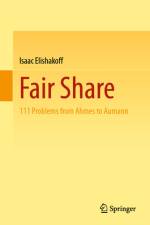
Kofi Annan, former Secretary General of the United Nations, argued that "We need to create a world that is equitable, that is stable and a world where we bear in mind the needs of others, and not only what we need immediately. We are all in the same boat."American businessman, John Landgraf stated: "I hope that most of us believe that we actually would all benefit from living in a more equitable society. If that's not happening, we're squandering human potential." For the world to be fair, one needs to know how to divide. Without the mathematics of division, humankind cannot function...Marie Antoinette, Queen of France (infamously) said "If people have no bread, let them eat cake," and while Ahmes ― the scribe of the Rhind Mathematical Papyrus ― dealt with loaves of bread, prosperous people in the twentieth century dealt with cake division, although bread is also uniformly available. You'll be surprised, but there are at least four books and over 200 scientific (not gastronomical!) papers on cake division. Those authors were not overly concerned with obesity, one can guess, but whether distributing loaves, cakes, chores, or dividends, one needs to master division.This book deals with a wide spectrum of division problems, and provides the historical background, giving a sense of how pervasive division is in our lives. In particular, the second part focuses on a problem that remained open until 1985, when Professor Robert John Aumann (Nobel laureate in Economics, 2005) and Professor Michael Maschler solved it using game-theoretic techniques. Simple alternative solutions are given, which are suitable for high schools and other educational institutions.
Die cutane Form der hepatischen Porphyrie und die Porphyrinausscheidung im Harn.
The welcome culture of 2015 in Germany has, not least due to the (re)definition of safe countries of origin, turned into a deportation policy. How can this change in policy be understood and is it also accompanied by a change of attitude among the population? Which reasons for and which reasons against the admission of refugees are cited in social debates? This volume brings together analyses of the social discourse on dealing with refugees, questions of labour market integration and the practice of counselling refugees. Alongside academic analyses are reflective contributions from the practice of migration policy.With contributions by Olaf Struck.- David Stiller.- Helge Döring and Sebastian Kurtenbach.- Ann-Christine Lill, Janis Schneider and Sam Schneider.- Kirsten Hoesch. - Kathrin Weis.- Theresa Köhler and Kerstin Ettl.- Doris Beer.- André Pohlmann.- Katharina Resch, Gertraud Kremsner, Michelle Proyer, Camilla Pellech, Regina Studener-Kuras and Gottfried Biewe.The editors: Prof. Dr. Birgit Blättel-Mink is Professor of Sociology with a focus on industrial and organizational sociology at the Goethe University in Frankfurt/Main. Torsten Noack, M.A. Sociology, Head of the School for Work Education of the International Federation Stuttgart. Prof. Dr. Corinna Onnen is university professor for general sociology at the University of Vechta. Dr. Katrin Späte works at the Institute for Sociology at the University of Münster. Apl. Prof. Dr. Rita Stein-Redent works at the University of Vechta.
1 What is a tidal flat?.- 1.1 Introduction.- 1.2 Function and structure of natural and man-made tidal flats.- 1.2.1 Pysico-chemical characteristics.- 1.2.2 Hydraulic characteristics.- 1.2.3 Biomass of bacteria and macrobenthos.- 1.2.4 Respiration rates of microorganisms.- 1.2.5 Discussion.- 1.3 Key factors to determine a tidal flat characteristic.- 1.3.1 Transfer experiment.- 1.3.2 Relationship between silt content and bacterial population.- 1.4 Fluid flow on a tidal flat.- 1.4.1 Outline of study sites.- 1.4.2 Shear stress.- 1.4.3 Sedimentation of sand.- 1.4.4 Discussion.- 2 Effects of waves and tide on tidal flat ecosystems.- 2.1 Introduction.- 2.2 Method of experiments on internal flow in seabed.- 2.2.1 Flow visualization inside sandy beach.- 2.2.2 Wave and tide control.- 2.2.3 Quantification of seawater infiltration in sandy beach.- 2.3 Role of wave and tide on seawater infiltration in sandy beach.- 2.3.1 Fresh seawater infiltration.- 2.3.2 Silt movement by wave action.- 2.4 Role of wave and tide on ecosystems in tidal flats.- 2.4.1 Measurement of seawater infiltration in tidal flat.- 2.4.2 Observation of benthic organisms in tidal flat simulators.- 2.5 Concluding remarks.- 3 Unified model for wave breaking action.- 3.1 Introduction.- 3.2 Mathematical model.- 3.2.1 Notations and geometry.- 3.2.2 Conservation of mass for total flow system.- 3.2.3 Conservation of momentum for total flow system.- 3.2.4 Surface blocking effect to seawater due to accumulated materials on the beach.- 3.3 Unified model for two-phase flow with surface blocking effect.- 3.4 Numerical results.- 3.4.1 Correlation between wave breaking action on a sloping beach and internal flow of a sandy beach.- 3.4.2 Flow pattern and infiltration area of seawater in sandy beach.- 3.4.3 Time averaged flow under the beach.- 3.4.4 Surface blocking effect to seawater.- 4 Oil pollution: human damages on hydraulic regime in sandy beach ecosystems.- 4.1 Introduction.- 4.2 Infiltration of stranded oils into sandy beach sediments by waves and tides.- 4.2.1 Waves and Tides.- 4.2.2 Volume of stranded oils.- 4.2.3 Tidal Cycles and temperature.- 4.2.4 Viscosity of oil.- 4.2.5 Weathered and dispersed oils.- 4.3 Effects of the penetrated oils into sandy beach sediments on seawater infiltration by waves.- 5 Theoretical study of oil pollution.- 5.1 Introduction.- 5.2 Behavior of spilled oil in the surfzone.- 5.3 Mathematical model.- 5.3.1 Notations and geometry.- 5.3.2 Conservation of mass for a total flow system.- 5.3.3 Conservation of momentum for a total flow system.- 5.3.4 Unified equations of motion for a three-phase flow.- 5.3.5 Adhesive phenomena of oil on a sandy beach.- 5.4 Unified model for three-phase flow with adhesion.- 5.5 Numerical results.- 5.5.1 Process of drifting ashore of spilled oil.- 5.5.2 Deformation of oil.- 5.5.3 Adhesion and sliding phenomena between oil and water in a sandy beach.- 5.5.4 Infiltration phenomena of oil into a tidal flat or sea bed due to the tidal motion.- 5.5.5 Blocking effect by penetrated oil on the internal flow in sand.- 6 Oil pollution: human damage on hydraulic regime and benthic communities in tidal flat ecosystems.- 6.1 Introduction.- 6.2 Penetration of stranded oils into tidal flat sediments by tides.- 6.3 Effects of the penetrated oils into tidal flat sediments on seawater infiltration by tides.- 6.4 Effects of oil spill on seawater infiltration and macrobenthic community in tidal flats.- 6.4.1 introduction.- 6.4.2 The tidal flat simulator.- 6.4.3 Effects of oil spill on tidal flat ecosystem.- 6.4.4 Macrobenthic community.- 7 Decomposition mechanism of spilled oil by bacteria.- 7.1 Introduction.- 7.2 Notations.- 7.3 Characteristics of oil decomposition into water.- 7.3.1 Reactivity condition.- 7.4 Incompressibility condition for a total flow system.- 7.5 Biological contribution to satisfy reactivity condition.- 7.6 Unified model for three-phase flow with decomposition.- 7.7 Numerical results.- 8 Breaking waves and ecosystem dyn...
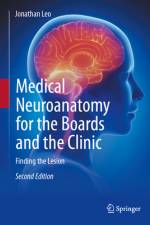
This second edition title provides medical students and residents with the information to build skills that will aid them in studying for any level of their board exams. It also prepares students with the ability to look at a patient's neurological signs and symptoms, logically think through the various tracts, and determine where a lesion is located.This 2nd edition book is a systematic approach to learning neuroanatomy by studying various lesions to the nervous system and their subsequent signs and symptoms. If you are a medical student, this is not the time for simply memorizing a list of symptoms that go along with the name of a syndrome. Forget memorizing random isolated factoids with a series of flash cards. This is the point in your education when you need to understand the lesion scenarios. To do this you need to put everything together and develop a big picture view of the nervous system. When you can do this, then the details will make a lot more sense. With that said, everything that follows in the text is related to clinical scenarios. Fully updated and greatly expanded with content (including a neuroanatomy atlas) this unique and comprehensive textbook received outstanding reviews in the first edition. Including 100 high-yield neuroanatomy key phrases and a cross section of images with lesion test questions, this title specifically fills a gap in the literature for medical students studying for their board exams and those about to go on a neuro-related rotation. Written by a renowned professor with over 25 years of teaching experience specific to board exam preparation, chapters are crafted with the goal of aiding students in understanding concepts by explaining the reasoning behind signs and symptoms, rather than pure memorization.Medical Neuroanatomy for the Boards and the Clinic, 2nd edition, is the go-to book for students seeking a practical yet nuanced reference for board exam preparation.Provides 100 high-yield neuroanatomy key phrasesFeatures cross section images with lesion test questionsWritten with the medical student in mind who is studying for board exams
This book provides an in-depth exploration of the complexities surrounding supply chain globalization, de-globalization, and the prospective re-globalization. It not only presents the interplay of these phenomena but also navigates their root causes through the lens of organizational, economic and political theories. The analysis spans across multiple fields, enabling readers to grasp the full breadth and depth of the dynamics at play. In this book, you'll delve into the intricacies of global sourcing and production. These discussions will help you understand the layers of complexities inherent in managing global supply chains. You'll explore the risks and uncertainties associated with international supply chain operations, gaining insight into building resilient and adaptive systems capable of thriving amidst constant change. You'll also learn about the sustainability challenges emerging within the global supply chain environment. How can firms ensure that their supply chains remain economically viable, socially responsible, and environmentally friendly? These and other topics find their discussions in the pages of this book. This book offers considerable value for various readers. Students at both undergraduate and postgraduate levels can gain essential understanding of concepts and phenomena related to supply chain globalization. Operational managers can find practical implications and strategies for managing their global supply chains amidst an unpredictable international trade environment. Finally, the book doesn't only focus on the present. It forecasts potential future developments and proposes new research directions in the fields of supply chain management, strategic management, and international business. Thus, it's also an indispensable resource for scholars seeking fresh perspectives and avenues for exploration.
I Anatomie, Ãtiologie, Epidemiologie und Molekularbiologie.- 1 Anatomie und Physiologie der Lunge.- 2 Ãtiologie und Epidemiologie.- 3 Molekulargenetische Aspekte, Tumorbiologie und Mechanismen der Metastasierung.- II Vorsorge und Früherkennung.- 4 Neue Aspekte der Früherkennung und des lokalen Stagings.- III Diagnostik, Pathologie und Stadieneinteilung.- 5 Diagnosesicherung und prätherapeutische Diagnostik.- 6 Endoskopische Diagnostik.- 7 Radiologische Diagnostik des Bronchialkarzinoms - Projektionsradiographie und Computertomographie.- 8 Magnetresonanztomographie.- 9 Positronenemissionstomographie (PET).- 10 Tumor-Marker - Bedeutung für Diagnostik und Verlaufskontrolle.- 11 Pathologie, Klassifikation und Stadieneinteilung.- IV Therapie.- 12 Geschichte der Behandlung der Lungenkarzinome.- 13 Nichtkleinzellige Lungenkarzinome.- 14 Kleinzellige Lungenkarzinome.- 15 Bronchuskarzinoid.- 16 Seltene Lungentumoren.- 17 Therapie isolierter Metastasen.- 18 Tumorbedingte Komplikationen.- 19 Therapiebedingte Komplikationen und Spätfolgen nach Operation, Radio- und Chemotherapie.- V Nachsorge und Prognose.- 20 Nachsorge und Rehabilitation.- 21 Psychoonkologie und Lebensqualität.- 22 Chemoprävention.- VI Zukunftsperspektiven.- 23 Videoassistierte Thoraxchirurgie (VATS) - Weiterentwicklung, robotergesteuerte Therapie.- 24 Verbesserung der Strahlentherapie bei der Behandlung des Lungen- karzinoms.- 25 Neue therapeutische Ansätze in der internistischen Therapie nicht- kleinzelliger Lungenkarzinome.- 26 Molekulare Prognosefaktoren.
Kristallisations- und Rekristallisationsgefüge in Höhlenperlen aus Bergwerken.
This book presents practical, applicable solutions that contribute to built heritage conservation, discussing challenges like resource constraints, ineffective legislation, lack of coordination between different relevant bodies, and absence of public awareness and involvement. This is to maintain the beauty and cultural meaning of the architectural heritage since they are like a glimpse from the past life, representing how people lived, their religions, and beliefs in addition to the primitive but inspirational technology used in construction. As a result, this book is of significant importance to professionals in the fields of architecture, sustainability, as well as policymakers.
Morphologische Spätveränderungen und nephrotisches Syndrom nach einseitiger Nierenvenendrosselung bei der Ratte.
Precision measurements of the Higgs boson¿s properties are a powerful tool to look for deviations from the predictions of the Standard Model (SM) of particle physics. The 139/fb of proton-proton collision data which have been collected by the ATLAS experiment during Run 2 of the LHC, offer an opportunity to investigate rare Higgs-boson topologies, which are particularly sensitive to new physics scenarios but experimentally difficult to access. Several such measurements, which target Higgs-boson decays to heavy-flavour quarks, as well as their combinations are presented in this thesis. A novel analysis that measures Higgs-boson production in association with a heavy vector boson V (VH, with V=W,Z) at high energies is presented. Dedicated Higgs-boson reconstruction techniques are applied to reconstruct the highly Lorentz-boosted Higgs-boson decays into pairs of bottom quarks. The measurement is subsequently combined with a VH cross-section measurement at low and intermediate pT(V) to provide a differential cross-section measurement in kinematic fiducial volumes over the largest possible pT(V) range. All cross-section measurements agree with the SM predictions within relative uncertainties that range from 30% to 300%. The results are furthermore interpreted as limits on the parameters of a SM effective field theory. Finally, a combination of measurements of Higgs decays to heavy-flavour quarks is used to experimentally determine that the Higgs-boson coupling to charm quarks is weaker than to bottom quarks, as predicted by the SM. The target audience for the thesis are physicists and physics students, in particular those with a background in high energy physics.
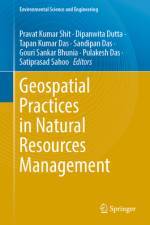
This book provides a multidisciplinary synthesis of the sustainable management of natural resources. The book presents applicable knowledge of land, water, and forest resources along with in-depth investigations of multiple management pathways. This book also demonstrated the contemporary applications of geospatial technology in data mining techniques, data analysis, modeling, assessment, and visualization, and appropriate management strategies in different aspects of natural resources. The book explores the latest state-of-the-art techniques using open-source software, statistical programming, and modeling platforms, including artificial intelligence techniques in natural resource management. It is a valuable resource for students, researchers, and practitioners in geography, geospatial sciences, and environmental sciences, especially those interested in land, water, and forest resources.
This books covers new aspects of location strategies and site selection through globalization. It elaborates real estate specific requirements to the planning and analysis process of industrial corporations in an international environment. It explains methods relevant for professionals in the field and discusses in detail an extensive list of site selection criterias. The book is built on existing and broadly recognized research and accelerates this know-how in an real reastate and international context. The challenges for location strategies as well as management alternatives for practitioners are shown and explained through practical examples.
Kristallographische, optische und röntgenographische Untersuchung von mehreren organischen Substanzen.
Molecular and Biochemical Aspects.- Autonomic Receptor Function in Congestive Heart Failure.- Beta-Adrenoceptors in Heart Failure: A Mechanism or a cAMP Follower?.- Anti-?-Adrenoceptor Autoantibodies with ?-Adrenergic Agonistic Activity from Patients with Myocarditis and Dilated Cardiomyopathy.- Pathophysiological Aspects of Heart Failure.- Heart Failure: Etiological Models and Therapeutic Challenges.- Vascular Compliance in Heart Failure: A Contributor to Impedance, and the Response to Vasodilator Drugs.- Cardiac and Baroreflex Control of the Circulation in Heart Failure.- Ventricular Function in Heart Failure.- Matching of Ventricular Properties with Arterial Load Under Normal and Variably Depressed Cardiac States.- Targeting Evaluation and Treatment of Heart Failure by Pressure-Volume Relations.- Importance of the Pericardium in Relation to Normal and Abnormal Ventricular Diastolic Function.- Non-Invasive Imaging Techniques in the Assessment of Patients with Heart Failure.- Radionuclide Evaluation of Ventricular Performance in Congestive Heart Failure: An Overview.- New Method for the Assessment of Right Ventricular Systolic and Diastolic Function Using Digital Subtraction Right Ventriculography.- Heart Failure in Acute Ischemic Syndromes and Acute Myocardial Infarction.- Left Ventricular Systolic and Diastolic Function Immediately After Acute Coronary Artery Occlusion.- Can Thrombolysis Prevent Ischemic Heart Failure?.- Acute Right Ventricular Infarction: Pathogenesis of Low Systemic Output and Therapeutic Implications.- Rheumatic Heart Disease and Valvular Heart Disease.- Mechanisms and Management of Heart Failure in Active Rheumatic Carditis.- Morphometric Structure of the Failing Left Ventricular Myocardium in Aortic Valve Disease Before and After Valve Replacement.- Heart Failure in Patients with Valve Disease: The Timing of Valve Replacement.- Cardiomyopathies.- Cardiomyopathies: Morphological Aspects.- Morphological Correlates of Cardiac Failure in Patients with End-stage Cardiomyopathy.- Influence of Ventricular Structure and Function on the Management of Heart Failure in Cardiomyopathies.- Pharmacotherapy of Heart Failure.- Inotropic Drugs in the Management of Heart Failure.- Effects of Different Positive Inotropic Drugs in Congestive Heart Failure.- Pharmacological Properties and Mechanism of Action of Denopamine in Experimental Animals.- Long-Term Double-Blind Comparative Study of Ibopamine Versus Placebo in the Treatment of Chronic Congestive Heart Failure.- Angiotensin Converting Enzyme Inhibitors.- Neuroendocrine-Renal Relationships in Heart Failure: Effect of Captopril.- Nitrate Therapy.- The In Vitro Metabolism of Nitrovasodilators and Their Conversion into Vasoactive Species.- The Role of Nitrates in Congestive Heart Failure.- Isosorbide Dinitrate and Nitroglycerin Oral Spray in Heart Failure.- Improved Left Ventricular Geometry and Function by Prolonged Nitroglycerin Therapy after Acute Myocardial Infarction.- Hemodynamic Effects of Subchronic Therapy with 120 mg Isosorbide Dinitrate Slow-Release in Coronary Artery Disease and Left Heart Failure.- Calcium Antagonists.- Calcium Antagonists in the Management of Heart Failure.- A Critical Appraisal of the Role of Calcium Antagonists in the Management of Patients with Ischemic Heart Disease.- Central and Renal Hemodynamic Effects of Diltiazem in Chronic Heart Failure.- Nisoldipine: Vasodilatory Effects of a Second-Generation Dihydropyridine.- Acute Hemodynamic Effects of Nisoldipine in Patients with Coronary Artery Disease and Reduced Left Ventricular Function.- Acute and Chronic Effects of Nisoldipine in Patients with Chronic Heart Failure.- Cardiac Arrhythmias in Heart Failure.- Arrhythmogenic Effects of Inotropic Agents Acting via Cyclic AMP and the Calcium Channel.- Prevalence, Significance, and Control of Ventricular Arrhythmias in Patients with Heart Failure.- Exercise Physiology and Exercise Therapy in Heart Failure.- Exercise Testing and Training of...
This monograph presents a theory for random field models in time and space, viewed as stochastic processes with values in a Hilbert space, to model the stochastic dynamics of forward and futures prices in energy, power, and commodity markets. In this book, the well-known Heath¿Jarrow¿Morton approach from interest rate theory is adopted and extended into an infinite-dimensional framework, allowing for flexible modeling of price stochasticity across time and along the term structure curve. Various models are introduced based on stochastic partial differential equations with infinite-dimensional Lévy processes as noise drivers, emphasizing random fields described by low-dimensional parametric covariance functions instead of classical high-dimensional factor models. The Filipovi¿ space, a separable Hilbert space of Sobolev type, is found to be a convenient state space for the dynamics of forward and futures term structures. The monograph provides a classification of important operators in this space, covering covariance operators and the stochastic modeling of volatility term structures, including the Samuelson effect. Fourier methods are employed to price many derivatives of interest in energy, power, and commodity markets, and sensitivity 'delta' expressions can be derived. Additionally, the monograph covers forward curve smoothing, the connection between forwards with fixed delivery and delivery period, as well as the classical theory of forward and futures pricing. This monograph will appeal to researchers and graduate students interested in mathematical finance and stochastic analysis applied in the challenging markets of energy, power, and commodities. Practitioners seeking sophisticated yet flexible and analytically tractable risk models will also find it valuable.
This updated and expanded volume gives new insights on ferroptosis - an iron-dependent form of non-apoptotic cell death. The collection of chapters discusses the two major pathways through which ferroptosis can occur: the extrinsic or transporter-dependent pathway and the intrinsic or enzyme-regulated pathway.Readers will gain an understanding of the multiple levels, on which this special cell death is regulated. Hence, the contributions will take a closer look at epigenetic, transcriptional, posttranscriptional and posttranslational layers. Among the described regulators and transcription factors are GPX4, ACSL4 and NFE2L2. This edited volume collects reviews related to current knowledge on the integrated molecular machinery of ferroptosis, thereby also describing how dysregulated ferroptosis is involved in human diseases.
This volume offers contributions on the fundamentals of current consumption theory and consumption research, which have developed almost entirely from originally unorthodox approaches against traditional micro- and macroeconomic theory. The inspiration came mainly from social economic behavioural research and ecological economics. But the reception is very patchy and the history is largely forgotten. With reference to the work of earlier authors, new arguments are offered to the current discussion about delimitations and paradoxes in consumption and the still narrowly understood consumer role. It is as much about rework in sharpening the understanding of consumption and consumers in their lifeworlds as it is about indications of fruitfulness for the analysis of open questions. It is about arguments for a paradigmatic reorientation of consumer research and policy. The contributions address in particular ambivalences, options and future modes in consumption in the search for individual satisfaction and ecological sustainability.This book is a translation of an original German edition. The translation was done with the help of artificial intelligence (machine translation by the service DeepL.com). A subsequent human revision was done primarily in terms of content, so that the book will read stylistically differently from a conventional translation.
This volume presents peer-reviewed surveys on new developments in the study of Lyapunov exponents in dynamical systems and its applications to other areas, such as mathematical physics. Written by leading experts in their fields, the contributions are based upon the presentations given by invited speakers at the "New Trends in Lyapunov Exponents" workshop held in Lisbon, Portugal, February 7-11, 2022. The works focus on the concept of Lyapunov exponents in their various manifestations in dynamical systems along with their applications to mathematical physics and other areas of mathematics. The papers reflect the spirit of the conference of promoting new connections among different subjects in dynamical systems. This volume aims primarily at researchers and graduate students working in dynamical systems and related fields, serving as an introduction to active fields of research and as a review of recent results as well.
Currently, there are no textbooks on drug product manufacturing technology transfer that incorporate the latest regulatory expectations. Recent guidance from regulatory bodies such as the US FDA, EMEA, WHO, and PIC/S has adopted the ICH Lifecycle approach harmonizing concepts across regulatory guidance. This allows organizations to align their technology transfer activities for all regulated markets. However, there is a need for consensus and direction in approaching technology transfer, particularly in understanding how to manage the scale-up effects to ensure regulatory compliance.This textbook offers technology transfer solutions and guidance to the pharmaceutical industry. The chapters provide a systematic understanding of applying the technology transfer concepts in pharmaceutical manufacturing, promoting standardization within the industry. Since Stage 1b is not specified in detail within the regulations, pharmaceutical organizations are left to determine the requirements of the stage. The need to justify the methodologies and utilization of sound science makes it more demanding. The textbook's authors provide innovative solutions for technology transfer challenges, making it a comprehensive reference document. The approaches can be applied to both small-molecule and large-molecule drug product manufacturing segments, addressing the unmet needs of the industry.
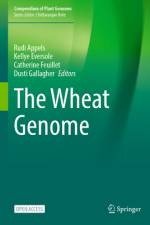
This open access book provides the first comprehensive coverage of the wheat genome sequence since the publication of the draft and reference sequences for bread wheat and durum wheat. It presents an overview and all aspects of the gold standard sequence of the bread wheat genome, IWGSC RefSeq v1.0 and its subsequent improvements through 2022 (IWGSC RefSeq v2.1), as well as the sequencing of multiple elite wheat varieties, durum wheat, and ancient wheat. The book provides a broad and extensive review of the resources, tools, and methodologies available for exploiting the wheat genome sequence for crop improvement and studying fundamental questions related to the structure, function, and evolution of the wheat genome. Wheat (Tritcum aestivum L.) is the most widely grown crop in the world, contributing approximately 20 percent of total calories and more protein in human diets than any other single source. This book is useful to students, teachers, and scientists in academia and industry interested in gaining an understanding of the wheat genome and its application as well as plant scientists generally interested in polyploid plant species.
Introduction: Discovery of Nitric Oxide (NO). Sect.I: Chemistry.-1. The Chemical Biology of NO. Balancing NO with Oxidative and Nitrosative Stress.- Sect.II: Biochemistry and Pharmacology of NO, Synthesis and Action.-2. Enzymology of NO Synthases.- 3. Regulation of NO Synthase Expression and Activity.- 4. Enzymology of Soluble Guanylyl Cyclase.- 5. NO Synthase Inhibitors I: Substrate Analogs and Heme Ligands.- 6. NO Synthase Inhibitors II: Pterin Antagonists/ Anti-Pterins.- 7. Mechanisms of Cellular Resistance Against NO.- Sect. III: Physiological Functions of NO.- 8. NO and Regulation of Vascular Tone.- 9. Regulation of Cardiac Function by NO.- 10. Regulation of Platelet Function.- 11. The Physiological Role of NO in the Central Nervous System. 12. The Role of NO in the Peripheral Nervous System. 13. NO and Neuroendocrine Function.- 14. The Role of NO in Kidney Function. Section IV: The Role of Pharmacological Action of NO in Human Disease.- 15. Therapeutic Importance of Nitrovasodilators.- 16. Therapeutic Potential of NOS Inhibitors in Septic Shock.- 17. Inhalation Therapy with NO Gas.- 18. The Function of NO in the Immune System.- 19. NO: A True Inflammatory Mediator.- 20. NO in the Immunopathogenesis of Type-1 Diabetes.- 21. The Role of NO in Cardiac Ischemia--Reperfusion, - 22. NO and Atherosclerosis.- 23. NO in Brain Ischemia/Reperfusion Injury.- 24. Therapeutic Potential of NO Synthase Gene Manipulation
This book is a quick start guide that equips students and professionals with musculoskeletal ultrasound image acquisition basics. Written in plain language, it focuses on the common, clinically relevant conditions diagnosable by musculoskeletal ultrasound. With many verbal and illustrative mnemonics, images, and whimsical illustrations, the manual provides many different methods to remember complicated anatomy and examination protocols. Manual of Musculoskeletal Ultrasound teaches a protocol-based approach designed to help people understand why and how we perform musculoskeletal ultrasound studies. Each chapter covers a different body part and starts with basic anatomy and the clinical questions we want an ultrasound examination of that body part to answer. The protocols within each chapter tell the student precisely how and where to move the probe to obtain and optimize images. It demonstrates what a normal sonographic image should look like and explains what dynamic or structural issues would be abnormal in certain clinical circumstances. The protocol is a checklist that can be practiced on a partner or the reader themself. Chapters also discuss pathologic entities discernable on ultrasound, pitfalls to avoid, and imaging tricks of the trade. This manual is invaluable for students and practicing clinicians in rheumatology, orthopedics, physiatry, neurology, sports medicine, advanced practice, and sonography.
This contributed volume focuses on the evolution and current state of the sub-discipline of health and medical geography in Africa. It encompasses theoretical and methodological issues as well as the current teaching and research capacities of institutions offering programs in health and medical geography in Africa. Further, the book will review the level of adoption of the sub-discipline in State policies and practice and also provide practical illustrations, with case studies, of how studies in the sub-discipline are central to the actualization of Africa's development agenda. Particular attention is paid to the relationship between health and development. Through its direct and indirect impacts on labor productivity, population health and wellbeing matter for the social and economic development of households and national economies. Yet, health is not uniform in space. And so is development. Comparatively on many health and development indicators, Africa fairs poorly. The variation in health may present as differences in the occurrence and spread of diseases, the distribution of and access to healthcare facilities, and/or in health outcomes among the population. Reasons for these variations range from biology to the population's levels of exposure and susceptibility to elements in their environment, including the social interactions taking place within the environment. The field of health and medical geography focuses on the spatial patterns and processes underlying these variations and provides pathways for understanding and addressing them. More specifically, the sub-discipline of health and medical geography focuses on, among others, how places (their characteristics and processes that go on in them) and environmental factors underlie and/or influence disease patterns, exposure and susceptibility to diseases, health variations, health behavior, health outcomes, and the provision of and access to healthcare services. This volume documents perspectives and applications in health and medical geography in Africa for academics, students, health practitioners, and development policymakers.
This book tells the story of the probability integral, the approaches to analyzing it throughout history, and the many areas of science where it arises. The so-called probability integral, the integral over the real line of a Gaussian function, occurs ubiquitously in mathematics, physics, engineering and probability theory. Stubbornly resistant to the undergraduate toolkit for handling integrals, calculating its value and investigating its properties occupied such mathematical luminaries as De Moivre, Laplace, Poisson, and Liouville. This book introduces the probability integral, puts it into a historical context, and describes the different approaches throughout history to evaluate and analyze it. The author also takes entertaining diversions into areas of math, science, and engineering where the probability integral arises: as well as being indispensable to probability theory and statistics, it also shows up naturally in thermodynamics and signal processing. Designed to be accessible to anyone at the undergraduate level and above, this book will appeal to anyone interested in integration techniques, as well as historians of math, science, and statistics.
The book provides a comprehensive overview of the technologies and processes involved in renewable energy generation, with a specific focus on their role in improving the circular economy. It offers all the necessary information and tools to help readers select the most sustainable renewable energy solution for different conditions.Exploring real-life examples, the book delves into the practical applications of the circular economy in the renewable energy sector. It takes a multi-faceted approach, examining the circular economy from various perspectives and incorporating methods such as lifecycle assessment, sustainability assessment, multi-criteria decision-making, and multi-objective optimization modes. Furthermore, the book explores the concept of blockchain, hybrid renewable energy models, technologies, and implementation. It also investigates the critical factors and key enablers that influence sustainable development in this field. By doing so, it not only facilitates the transition to a circular economy but also highlights the shift in recent research, trends, and attitudes towards a more scientifically grounded approach.The primary objective of this book is to compile research specifically focused on the circular economy in renewable energy. By providing researchers and policymakers in the energy sector with the necessary scientific methodology and metrics, it enables the development of strategies for a sustainable transition. This book serves as a valuable resource for students, researchers, and practitioners seeking to deepen their understanding of energy planning and the current and future trends of biofuel as an alternative fuel.
Abonner på vårt nyhetsbrev og få rabatter og inspirasjon til din neste leseopplevelse.
Ved å abonnere godtar du vår personvernerklæring.