




Gjør som tusenvis av andre bokelskere
Abonner på vårt nyhetsbrev og få rabatter og inspirasjon til din neste leseopplevelse.
Ved å abonnere godtar du vår personvernerklæring.Du kan når som helst melde deg av våre nyhetsbrev.

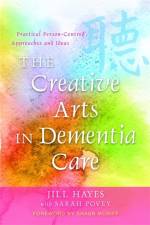
This book provides a creative map of care with easy-to-follow examples and detailed case studies. After explaining why adopting a creative approach is central to effective dementia care, the authors go on to discuss meditation, singing, movement and storytelling, describing their therapeutic benefits and giving examples of how they can be used.
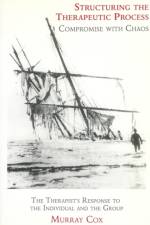
A stimulating reflection for those of us who are aware of the unwithering need of organising and structuring again and again our creative doubts. It combines practical help and the development of theoretical concepts in an unusually convincing way.
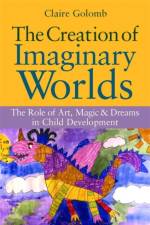
Alongside everyday reality, the young child develops a rich imaginary world of child art, make-believe play, imaginary friends, fairy tales and magic. This book charts the imaginative development of children, conveying the importance of art-making in childhood years, and highlighting the potential that imaginative behaviors hold for development.
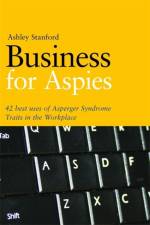
Ashley Stanford addresses all of the issues that can arise once a person with AS secures employment, through the eyes of both employee and employer. Describing what might be expected of any employee, she offers helpful tips and workarounds not only to enable AS individuals achieve their fullest potential, but to take advantage of their strengths.
The author describes common characteristics of ASD, and encourages children to think about how the world might look from their parent's perspective. Topics include social and emotional difficulties, sensory issues, body language, special interests, and how the child might go about explaining their parent's differences to other children.
This accessible book explores the therapeutic possibilities of poetry and stories, providing techniques for facilitating personally relevant and growth-enhancing sessions. The author provides ideas for writing activities that emerge from this discussion, and explains how participants can create their own poetic and narrative pieces.
This workbook helps parents to explain ASDs to their child and provide practical and emotional support following diagnosis. It is presented in a clear and positive way. As the workbook is completed an invaluable record of development will be created for parent and child to look back on together.
The book is a collection of tried and tested games for use in workshops, youth groups and the classroom. With clear instructions, delightful illustrations and discussion ideas for every game, this book makes it easy to encourage everyone from age 6 to 86 to think for themselves, use their imagination, and interact positively with those around them.
Reminiscence is a valuable tool for the professional carer as well as those looking after a family member or friend. It enhances and enriches the care relationship, and benefits both the person being cared for and the carer. This fully-updated fourth edition is full of practical information on planning and running successful reminiscence work.
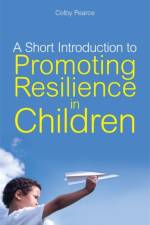
This book provides a succinct, accessible and clear guide on how to promote resilience in children and achieve positive developmental outcomes for them. The author covers three key factors that affect resiliency: vulnerability to stress and anxiety, attachment relationships, and access to basic needs.
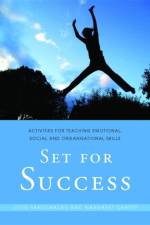
Each chapter provides objectives, lesson ideas, activities and photocopiable worksheets, and adopts an engaging theme appealing to a wide range of interests. Set for Success offers a series of structured yet fun-filled exercises that cater for all learning styles.
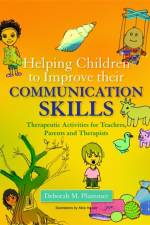
This book is full of ideas to help children aged 4 -11 with a speech or language delay or disorder. It is packed with activities to develop skills such as articulation, vocabulary development, breath control, and non-verbal communication. Tips for personalising and shaping the activities are also provided, and a comprehensive theory section.
At the age of 14, Lynsey Calderwood suffered a traumatic brain injury that left her physically unmarked but destroyed her memory. Thrust back into an apparently nonsensical world of which she had no recollection; Lynsey spiralled downwards into depression and eating disorders as she became socially ostracized.
This book presents a model of art therapy where the processes of art constitute the core of the model. It addresses how an arts-based approach can inform the therapist in all aspects of practice, from the conception of the work and the attempt to understand client needs to interacting with clients and communicating with others about art therapy.
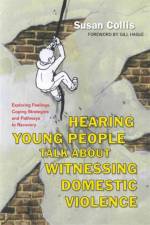
This book explores the cases of five young people who have been victims of domestic violence. It provides deep insight into how their experiences have affected their emotional behaviour, the complexities of issues related to it and those aspects of support which provide the greatest benefit to them.
This imaginative book offers aromatherapy students and practitioners, as well as anyone interested in developing their olfactory palate, a unique and enjoyable way of acquiring and developing essential skills, such as olfactory vocabulary, awareness and discrimination. It also includes scent profiles for expanded practice.
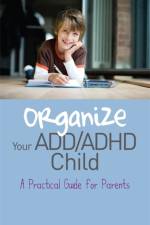
This book addresses the issues of organization and time management in relation to ADD/ADHD. Carter shows how, by using the F.I.R.S.T method (Fun, Individualism, Rules, Simplicity and Time management), even the most easily distracted of children can be taught to make their bed, pack their school bag, and get organized!
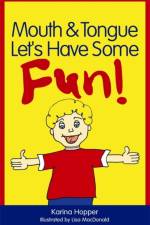
Learning new facial expressions and mouth movements can be great fun, just ask Sam! Moving the tongue and mouth in different ways is an effective way of strengthening facial muscles, teaching children about emotions and encouraging speech. Children will love copying Sam and Timmy Tongue's faces and improving their facial strength and dexterity.
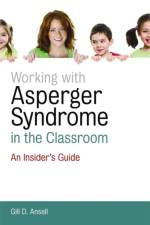
The book begins by exploring how children with AS operate and the implications for mainstream school settings. It goes on to give practical advice for one-on-one working, DIY resources for visual learners, tools for effective assessment, and much more. Information on how personal wellbeing can be maintained in stressful situations is included.
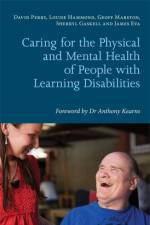
This book is a practical guide for those caring for people with learning disabilities living in community settings. It will help carers understand and meet service users' health needs, and recognise problems. Topics include physical health issues; mental health issues such as dementia, depression, bipolar disorder and anxiety.
Drawing on her experience of being married to a man with AS, Weston shows that the road to intimacy begins with letting go of expectations and looking after your own emotional needs. She provides strategies for connecting with your AS partner, tips for coping with hurtful words and meltdowns, and finding further sources of help and support.
Lawson lays out her theory of Single Attention and Associated Cognition in Autism. Whereas neurotypical people easily shift their attention from one interest to another, those on the autism spectrum tend to focus on a single theme. When this learning style is understood individuals on the autism spectrum can achieve their full potential.
The authors explain clearly how to prepare for, carry out and reflect on the use of Intensive Interaction with a client or family member. A multitude of key questions are addressed. In the final section they consider some of the wider implications of the approach.
Practitioners in social care are often required to work with clients who do not want to work with them, and these 'reluctant' clients can often be the most challenging, but most rewarding, to work with. This practical, jargon-free book covers all the issues that practitioners are likely to encounter in the course of working with reluctant clients.
The book acts as a teaching menu, offering a variety of options that teachers can use as and when they see fit. The author gets to the heart of issues associated with teaching mixed ability classes, offering more flexible alternatives to traditional teaching strategies and suggesting helpful approaches that really work.
The authors examine the underlying causes of BESD, and discuss research-based theory. They offer a range of interventions and therapies for use in and out of school, and encourage practitioners to develop skills such as engaging with parents, identifying special educational needs and setting constructive boundaries.
For children growing up in foster care, the role of their birth parents is an important factor in the success of their long-term placements. Understanding the experiences of parents is therefore essential for social workers. This book set out a model of good practice, based on the experiences of these parents and social workers.
Extensively trialled with Maggie's Cancer Care Centres, and designed specifically to fit around a busy lifestyle, the Qigong program set out in this book will help to reduce stress, decrease anxiety and restore energy. This practical book will help anyone who is prone to stress, regardless of their level of ability or experience of Qigong.
Packed full of creative ideas, it describes a host of different ways to help children build emotional resilience and cope with challenges they may face. Ideal for all children and young people, especially those struggling with issues such as low self-esteem, anxiety or stress, the techniques can be used by professionals in any setting.
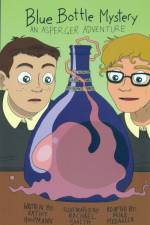
Full of mystery and intrigue, this graphic novel version of Kathy Hoopmann's best-selling adventure follows Ben, a boy with Asperger syndrome (AS). When Ben and his friend Andy discover an old blue bottle in the school yard, little do they know of the mysterious forces they are about to unleash...
Abonner på vårt nyhetsbrev og få rabatter og inspirasjon til din neste leseopplevelse.
Ved å abonnere godtar du vår personvernerklæring.