Norges billigste bøker

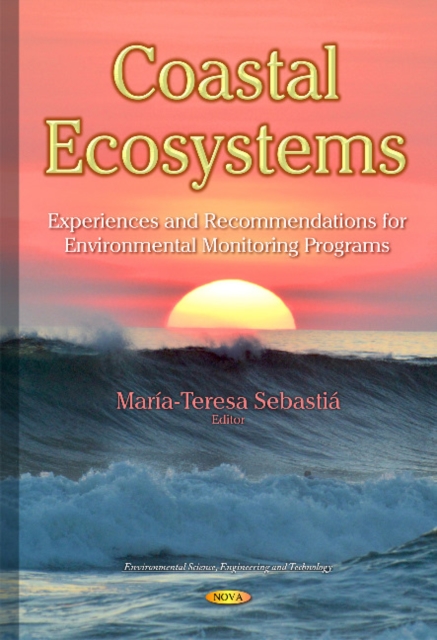
Coastal Ecosystems

- Experiences and Recommendations for Environmental Monitoring Programs

Om Coastal Ecosystems

The aim of this book is to assist environmental authorities and technicians in the design of effective environmental monitoring programs. Consensus exists that any good management program must be able to distinguish between natural variability and changes induced by anthropogenic activities. To achieve this goal, it is necessary to implement continuous monitoring programs. Sampling design is critical for the success of these programs due to the high spatio-temporal variability of coastal ecosystems. No potential sources of pollution should be neglected in sampling design, such as submarine groundwater discharge (SGD), which has been recognised as an important link between the continent and the ocean. Additionally, sampling design should avoid Type II decision errors (false negatives), which means a problem is not found when in fact it does exist. Being able to detect undesired effects is indispensable to adopt preventive and corrective measures. It is essential that these programs change their primarily anthropocentric focus to an ecocentric focus. The need to cover large spatial regions periodically makes necessary the development and application of new technologies such as remote sensing data into monitoring programs. The development of environmental "diagnostic" tools to allow early warning detection of pollution exposure, such as biomarker measurements in bioindicator organisms, are also valuable tools for environmental monitoring, which are examined in this book.

Vis mer
  • Språk:
  • Engelsk
  • ISBN:
  • 9781634821513
  • Bindende:
  • Hardback
  • Sider:
  • 236
  • Utgitt:
  • 1. april 2015
  • Dimensjoner:
  • 262x185x20 mm.
  • Vekt:
  • 584 g.
  Gratis frakt
Leveringstid: 2-4 uker
Forventet levering: 23. mars 2026

Beskrivelse av Coastal Ecosystems

The aim of this book is to assist environmental authorities and technicians in the design of effective environmental monitoring programs. Consensus exists that any good management program must be able to distinguish between natural variability and changes induced by anthropogenic activities. To achieve this goal, it is necessary to implement continuous monitoring programs. Sampling design is critical for the success of these programs due to the high spatio-temporal variability of coastal ecosystems. No potential sources of pollution should be neglected in sampling design, such as submarine groundwater discharge (SGD), which has been recognised as an important link between the continent and the ocean. Additionally, sampling design should avoid Type II decision errors (false negatives), which means a problem is not found when in fact it does exist. Being able to detect undesired effects is indispensable to adopt preventive and corrective measures. It is essential that these programs change their primarily anthropocentric focus to an ecocentric focus. The need to cover large spatial regions periodically makes necessary the development and application of new technologies such as remote sensing data into monitoring programs. The development of environmental "diagnostic" tools to allow early warning detection of pollution exposure, such as biomarker measurements in bioindicator organisms, are also valuable tools for environmental monitoring, which are examined in this book.

Brukervurderinger av Coastal Ecosystems


Finn lignende bøker
Boken Coastal Ecosystems finnes i følgende kategorier:

Gjør som tusenvis av andre bokelskere

Abonner på vårt nyhetsbrev og få rabatter og inspirasjon til din neste leseopplevelse.
