



















Gjør som tusenvis av andre bokelskere
Abonner på vårt nyhetsbrev og få rabatter og inspirasjon til din neste leseopplevelse.
Ved å abonnere godtar du vår personvernerklæring.Du kan når som helst melde deg av våre nyhetsbrev.

Il 24 giugno 1812 Napoleone, alla testa di un esercito europeo di oltre 420.000 uomini, comincia l'invasione dell'Impero Russo. La sua armata è la più potente e moderna mai vista prima: fra le sue fila ci sono soldati e ufficiali giunti da ogni angolo del continente per piegare con la forza l'imperatore dei russi. à l'inizio di uno scontro fra titani. à Napoleone contro Alessandro; è l'aquila napoleonica contro l'aquila zarista; sono i popoli d'Europa contro i popoli di Russia.Quella cominciata come "la seconda guerra di Polonia" si rivelerà presto la più grande campagna di terra mai intrapresa sino a questo momento: una campagna sanguinosa e disastrosa, destinata a immortalare le qualità dei comandanti di ambo le parti e a lasciare per sempre un segno nella memoria storica europea.Per la Russia e le sue genti, questa verrà poi ricordata come "la Guerra Patriottica del 1812" questo perché, per lo spirito russo, se l'invasore in armi viene per portare la guerra, occupare le città , conquistare le antiche capitali o infliggere sofferenze alla popolazione, ebbene è una guerra di popolo, e i popoli non si arrendono.Il presente testo offre la prima raccolta mai pubblicata in italiano dei documenti ufficiali e dei bollettini della Grande Armata dell'anno 1812.Il contenuto dell'opera consiste della traduzione della corrispondenza diplomatica antecedente alla guerra del 1812 e di tutti i ventinove bollettini ufficiali della Grande Armata completi dei relativi documenti allegati. Il testo presenta altresì numerose note affatto originali e inedite di tipo geografico, storiografico e linguistico che, unitamente alla traduzione principale delle fonti, rappresentano un materiale di inestimabile valore e di grande interesse per studenti, ricercatori, studiosi e appassionati di storia del periodo napoleonico.
The Organized Marine Corps Reserve was mobilized in November and December 1940 as part of the United States efforts to prepare for entry into World War Two. When the country went to war following the Japanese surprise attack on Pearl Harbor, mobilizes Marine Reservists served with distinction throughout the campaigns that resulted in Victory over Japan. This second edition expands upon the preceding edition with more stories of these Marine Reservists and their contributions to the Allied victory in the Pacific.
The following is an account of the Civil War life of James H. Power of the 111th Illinois Volunteer Infantry. During our research of the 111th Illinois Infantry we did not find any regimental history documented for this specific regiment. This is not a complete history of the 111th Illinois Infantry volunteer regiment, however it does give some insight to their movements and experiences. This account was told by James H. Power in 1909.
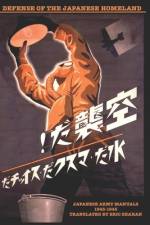
A collection of three Japanese Army manuals from World War Two. This book contains a reprint and translation of the following manuals: How to Fight With a Bamboo Spear (October 1943)Building Fortifications (April 1945)National Resistance Manual (April 1945)In addition, a translation of a hand to hand combat article from Weekly Photo Report Magazine from July 1945, which shows how to fight with sword, spear and barehanded. This was the final issue of the magazine as the publishing house was incinerate by allied bombing.These pamphlets were distributed all over Japan in the last year of WW2
In the tumultuous summer of 1944, the fate of Europe hung in the balance. In Berlin, a clandestine group of German officers conspired to assassinate Hitler before the Allied forces returned to Northern Europe. After June 6, when the Anglo-American troops landed on the beaches of Normandy, the conspirators found a new impetus: overthrow Hitler before the front broke open. This work details the evolution of German strategy during 1944 while weaving in the different strains of the anti-Hitler conspiracies that culminated in the July 20, 1944 attempt on Hitler's life. This history is the only one to present these themes in detail, side-by-side. Part One: From the Rise of Hitler to the Eve of D-Day The opening chapter sets the stage and details the centrality of Hitler to the history of the Second World War in Europe. A lengthy Chapter 2 reviews the strategic background, emphasizing how the Germans had planned and fought their way up until the momentous events of June 6. Chapter 3 details Hitler's endgame. How did he foresee ending this global war he triggered, and what were his goals? We'll also dive into Hitler's belief in his lucky star, his public optimism, and how these informed his strategy. Chapter 4 details the German conceptions of where the Allies would land in France and their plans for defeating the lasing. Chapter 5 explores the various players and factions in 1944 working towards an immediate end to the war and a Germany post-Hitler. Chapter 6 reveals many other German weaknesses and their importance on the eve of the great battle. Finally, Chapter 7 investigates the disposition of German reinforcements. Where had the Germans decided to station the most formidable block of troops and equipment that remained in 1944? Part Two: The Battle of Normandy Chapter 8 introduces us more entirely to General Hans Speidel. Speidel was the bridge between Rommel's headquarters in France and the July 20 plotters seeking to overthrow Hitler. Chapter 9 looks at the day of the invasion and the actions of Speidel - the man most responsible for the German side of the fighting on June 6. We will also look carefully at the command and control of two central reserve units: the 21st Panzer Division - the most powerful, closest formation to the battlefield and the 915th regiment of the 352nd Division, the unit responsible for the area defense of Normandy from Omaha Beach westwards. The 915th regiment was the LXXXIV Corps' reserve on D-Day. Chapter 10 will detail the Fifteenth Army, its use in the campaign, and the prospects of a second Allied invasion in Northern France. The Fifteenth Army defended Upper Normandy and the Pas-de-Calais (where the invasion did not land). The oft-cited example highlights how confused the Germans were by Allied efforts to deceive them about the locations of the actual landings. Finally, Chapter 11 looks at the evolution of the campaign and the changing focus of German strategy after the D-Day landings, emphasizing Hitler's actions before July 20. Part Three: The Plot to Kill Hitler Chapters 12 and 13 take us back to the actions of the July 20 plotters and the bomb Colonel Claus von Stauffenberg detonated under Hitler's conference room table in East Prussia. The Army planned to take over the various military districts in the Reich - a plan for which they did not have the support of most Army units. Chapter 14 looks at the military events after July 20. Chapters 15 and 16 deal with Hitler and the aftermath of July 20 before concluding with his generals and their post-war actions.
Table of ContentsDispatch No. 2Jeffrey Ballard, Editor-in-Chief, American Military University The Roman Army of the Mid-Republic: From Conscription to Volunteer ServiceMary Jo Davies, American Military University "Sew for Victory!" How Women During World War II Used Their Domesticity to Aid the CauseAisha Manus, Independent Historian The Guadalcanal Campaign: A Historiographical EssayWilliam F. Lawson, Liberty University Not in Our Backyard: Soviet Incursions into Latin America and U.S. Responses During the Cold WarChristopher Booth, American Military University Book Review: James Ellman's MacArthur Reconsidered: General Douglas MacArthur as a Wartime CommanderDr. Robert Young, Associate Professor Department of History and Military History, American Military University Book Review: Bomb Group: The Eighth Air Force's 381st and the Allied Air Offensive Over Europe by Paul Bingley and Mike PetersDr. Matt Meador, University of Tennessee at Martin Veteran Profile: Sergeant Gim Chin United States Army - World War II Alisha Hamel, American Military University
This book is a monographic study of the life of Kazimierz Pulaski (1745-1779), a Polish nobleman who died fighting for American independence at the siege of Savannah in October 1779. This book covers the life of Kazimierz Pulaski from beginning to end, including his participation in the Bar Confederation (1768-1772), his exile in France and attempt to fight on the Balkan Peninsula (1772-1775), and in the American War of Independence in the United States (1777-1779), as commander of the American cavalry and Pulaski's Legion. There is also a discussion of whether Pulaski suffered from Post-Traumatic Stress Disorder (PTSD). This book focuses mainly on the military aspects of Kazimierz Pulaski's career and his contributions to the cultures of the United States and Poland.
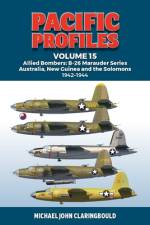
The Pacific Profiles series presents the most accurate WWII profiles of Allied and Japanese aircraft which served throughout the Australia, New Guinea and Solomons theaters. This Volume 15 covers the B-26 and US Navy JM Marauder series which served in these theaters from their first delivery to Australia in April 1942 until the war's end. Marauders served with a total of six USAAF bomber squadrons, including the reformed 19th BS Silver Fleet, whilst US Navy JM-1 and JM-2 variants were operated by utility squadrons from March 1944 onwards.Most profiles are presented for the first time, alongside markings derivations, including unit heraldry and codes. This volume bridges vast gaps in accurate Marauder markings profiles in these theaters, especially those which served with the Thirteenth Air Force and USN. Each profile is supported by photos and/or documentation, along with a brief history of each aircraft. Wide-ranging primary reference material is cited including assignment data, wreck reports, squadron records, color photography, maintenance logs, diaries and factory markings specifications. A brief summary history of each unit and associated markings rationale accompanies the text.The author is world renowned for his expertise on the Pacific air war. Never before has the Pacific Marauder been illustrated with such breadth, accuracy and detail.
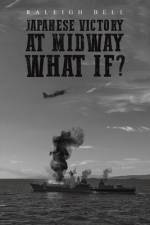
The Battle of Midway in June 1942 was the turning point of the war in the Pacific. Most Americans had no idea how close the Japanese came to a victory which could have changed the outcome of the Second World War. This book provides an account of the plans the Japanese had for Hawaii, the West Coast and even the Panama Canal. It examines and weighs up the tough decisions President Roosevelt had to make to protect the Americans living on the West Coast of the United States, and even the landing of June 6, 1944. Any delay of the invasion of France may have given the Germans the time necessary to make progress in the development of weapons of mass destruction.
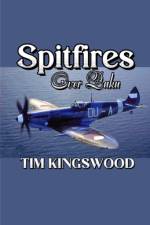
"Spitfires Over Baku" by Tim Kingswood is a poignant tribute to the unsung heroes: Czech pilots who fled their homeland to join the Royal Air Force in Britain. Their valiant voyage and crucial position as members of the "few" in the Battle of Britain, which neutralised the impending threat of a Nazi invasion, are vividly described in this gripping novel. "Spitfires Over Baku" not only depicts the bravery of these aviators but also sheds light on a time in history when unity and courage won over evil. Tim Kingswood's account demonstrates the resilience of the human spirit and the background of British Spitfires over the Red Sea.
The year is 1941, and the Axis is victorious everywhere. The Axis powers: Germany, Italy, and the Soviet UnionThe Allied powers: British Empire, United States of America, Japan Gibraltar is about to fall. Once it does, the Axis forces will spill over to Morocco. The Wehrmacht is about to land in Tripoli, and the Anglo-Americans are pouring reinforcement into Western North Africa. A titanic battle is about to erupt. The outcome of the battle will decide if the Axis can reign supreme on land in the Western Hemisphere. On the other side of the Mediterranean Sea, Turkey will soon be invaded by the German and Russian forces, while the Red Army is poised to advance into Iran. Rommel continues his offensive into Cyrenaica and approaches the Egyptian border. The battle for the Suez Canal will decide the fate of Africa as much as the Battle for French North Africa. From Soviet-occupied Persia will erupt a battle for yet another threatened British territory. The jewel of the Empire, India, will soon be invaded by Stalin's minions. If the Axis can win there, the battle for Eurasia will draw to a close. A stalemate has developed in the Far East between the Red Army and the Imperial forces, but Japan is living on borrowed time. The Red Army is a lot stronger and has a lot better forces on land. The non-stop flow of fresh troops and tanks will surely overwhelm the imperial forces. The fight for Manchuria and the Maritimes Provinces will soon be decided unless something significant happens. And yet, the outcome of the war is undecided. The Axis can win all it wants on land in Eurasia; the Allied nations of Japan, the UK, and the USA control the sea, and they are quite safe on their islands and protected by their powerful fleets. The United Kingdom stands defiant and resist the German forces. America, the arsenal of democracy, is finally in the conflict, supplying weapons, resources, and support to Japan and the British. The Axis is victorious, but it has not yet won the war.
Nelle profondità del cuore umano, dove risiedono la memoria e i sogni, "La Guerra di ghiaccio" svela una storia intensa e travolgente. Marco, il protagonista, intraprende un viaggio emotivo che attraversa il tempo e lo spazio, dalle valli della sua terra al fronte gelido della Grande Guerra. Con il respiro di Lucia come melodia rassicurante, Marco si confronta con i fantasmi della guerra e con la speranza di un futuro di pace. Questo romanzo è un affresco che alterna la crudezza della guerra alla serenità della vita domestica, un contrasto che si fa specchio dell'umanità stessa."La Guerra di ghiaccio" non è solo un racconto di conflitti passati; è una meditazione sulla natura umana e sulla nostra incessante ricerca di armonia e comprensione.Un libro per chi cerca risposte, per chi si domanda se l'umanità potrà mai imparare dalle sue storie e costruire un futuro di pace. "Guerra di ghiaccio" è una lettura indispensabile per chiunque voglia riflettere sul significato della guerra e della pace nel mondo di oggi.Preparati ad un viaggio che ti sfiderà , ti commuoverà e ti lascerà con domande importanti.
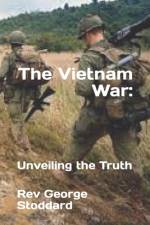
The Vietnam War: Unveiling the Truth" is a comprehensive and revealing account of one of the most significant conflicts in modern history. This book delves into the background and causes of the Vietnam War, providing a detailed timeline of events. It also explores the objectives of the book, shedding light on the hidden truths and untold stories of this devastating war.In "The Vietnam War: Unveiling the Truth," the physical and financial costs of the war are thoroughly examined. The book explores the staggering casualties and losses suffered by both sides, as well as the profound impact on Vietnamese society. Additionally, it delves into the environmental destruction caused by the war and the long-lasting health consequences for those involved. Furthermore, the book analyzes the military expenditures, economic impact on Vietnam, and the financial burden on the United States, providing a comprehensive understanding of the financial cost of the war."The Vietnam War: Unveiling the Truth" uncovers the beneficiaries of the war, shedding light on the military-industrial complex, political and economic interests, and foreign powers that profited from the conflict. The book also explores the outcome of the war, including the withdrawal of U.S. troops, the fall of Saigon, and the reunification of Vietnam. It delves into the legacy and lessons learned from this war, providing a thought-provoking analysis of its long-term impact on the global stage.
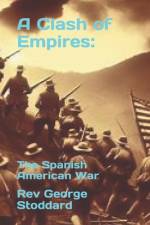
A Clash of Empires: The Spanish American War" is a comprehensive exploration of the historical events and factors that led to the outbreak of the war. The book delves into the causes of the conflict, including the Cuban Revolution, the role of yellow journalism in shaping public opinion, the explosion of the USS Maine, and the infamous De Lôme Letter. It examines the key figures and leaders involved, such as President William McKinley, Queen Regent Maria Christina of Spain, General Valeriano Weyler, and José Martà and the Cuban rebels.The book provides a detailed account of the war itself, from the declaration of war to the various battles and sieges that took place. It covers significant events such as the Battle of Manila Bay, the Siege of Santiago de Cuba, the Battle of San Juan Hill, and the signing of the Treaty of Paris. The consequences of the war, both immediate and long-term, are also explored, including the subsequent Philippine-American War and its impact on Cuba.Additionally, "A Clash of Empires: The Spanish American War" examines the role of the media in shaping public opinion and influencing the course of the war. It delves into the phenomenon of yellow journalism, the influence of media moguls like Hearst and Pulitzer, and the portrayal of the war in the press. The book also provides insights into the Spanish perspective, the decline of Spanish colonialism, and the repercussions of losing the Spanish Empire. It analyzes the role of naval power, the importance of naval superiority, and the legacy of the war in terms of territorial changes, the rise of the United States as a world power, and its impact on Latin America. Ultimately, the book offers a comprehensive assessment of the Spanish American War and its significance in historical context.
La Guerra de Ucrania es mucho más que el enfrentamiento convencional entre dos potencias.En esta publicación se analizan las operaciones no convencionales rusas en suelo ucraniano, asà como la guerra hÃbrida rusa, teorizada por el General Valeri Gerasimov. También se ahonda en el Grupo Wagner, el Servicio Federal de Seguridad (FSB) ruso y en el planeamiento ruso y ucraniano antes de iniciarse la invasión.El lector descubrirá lo que ha ocurrido entre bastidores mientras las tropas rusas y ucranianas se enfrentaban en el mayor conflicto de nuestro tiempo.
La Guerra de Ucrania, iniciada en 2022 con la entrada de más de 150.000 tropas rusas en suelo ucraniano, es el retorno al conflicto convencional en suelo europeo.Como tal, está caracterizado por el empleo de un gran número de vehÃculos (carros de combate, drones, vehÃculos de transporte de infanterÃa, blindados, ligeros, lanzadores de cohetes o misiles...) tanto de orÃgenes soviéticos como occidentales.En esta publicación el lector descubrirá los principales medios rusos y ucranianos, asà como sus modificaciones, nuevas versiones y los medios llegados de los paÃses de la OTAN.Un primer acercamiento al empleo masivo de estos vehÃculos en pleno Siglo XXI, conociendo mejor las plataformas que han empleado los combatientes rusos y ucranianos.
We have amassed a great many top-secret files over the years and we had promised not to release any of these files for twenty-five years. That quarter century has passed, and we are now able to open them for all to learn. In this, our seventh volume, you will read about many previously unknown secret activities including a U-Boat veteran in Paraguay, Axis operations in South America, SPOOKERY in Europe and South America, Nazi gold, Ãbersee, 'Black Boats', more U-Boats down in Argentine waters, playground of the Reich and much more. These files have been compiled by actual agents and spies, and released specifically to Sharkhunters. We are sure that you have not read these stories before.
The Vietnam war knows many unique firearms and plenty of different weapons saw use there, though one that many people might not know about is the K-50M. This unique, almost hand crafted firearm really blurs the line between factory made and workshop project. This book goes in depth on the history, features and other details of this firearm. With color photographs and original documents from the 60's and 70's, you're sure to learn something!
The Seductive Spy: Dance, Deceit, Betrayal and the Shrouded Secrets of World War I There has never been a more iconic female spy than Mata Hari, who personified the mystery and intrigue of espionage. The dancer-turned-WWI spy Mata Hari allegedly enticed diplomats and military officers into divulging their secrets; she made the decision to pursue sexuality at a young age as she believed it was her ticket to a luxurious life . At the turn of the twentieth century, Mata Hari became famous for her culturally unique and provocative dances. She was in relationships with famous people, performed in European capitals and had everything she ever wanted. Mata Hari was accused to have been a German intelligence agent during World War I after secretly agreeing to spy exclusively for France. In 1917, she was taken into custody in France, betrayed by the same man she was working for who accused her of being a double agent and later prosecuted and found guilty on espionage charges. On October 15, 1917, she was put to death by firing squad when the French government discovered her supposed double agent status. Although many people see Mata Hari as a victim because of her work as a dancer and courtesan and the French desire to find someone to blame, she is nevertheless one of the most beautiful people to emerge from the dark world of espionage and the classic example of a female spy. Unfortunatly, the truth about her guilt or innocence about the charges against her may never come to light.
"Letters from Baghdad Vol 2: Herding Cats" follows Volume 1. In Vol 2, COL (Ret) Mike Courts continues documenting his Iraq experiences through weekly letters. During the 2009-10 period, Mike deployed as Deputy Chief of Staff (DCOS) for I Corps as the HQs assumed the role of Multi-National Corps-Iraq (MNC-I). His role and experiences were very different from his first tour covered in Vol 1. As 2009 began, the United States experienced a change in leadership, moving from the Bush to the Obama Administration. With this came new guidance. The Iraq mission moved from a multi-national effort to a U.S.-only mission. As the U.S. began a planned drawdown, six major HQs were consolidated into one. As the DCOS, Mike worked closely with his counterparts at the other major HQs to plan the drawdown and consolidation and develop an organizational structure that could satisfy the mission requirements while meeting the prescribed workforce limitations. The relationship with Iraqi forces changed as more responsibility was transferred to the Iraqis. In addition to the mission-based challenges, COL Courts was responsible for the internal workings of a 1200-man staff (hence the subtitle "Herding Cats"). A large staff's daily life provided drama and comedy, as life in the Al Faw Palace on Victory Base was never dull. Following the format of Vol. 1, Vol 2 contains weekly lessons learned that assist the reader in understanding the broader implications of the U.S. mission in Iraq.
All about pilots and biplanes that fought in World War 1 for the Allies.
During World War II, the free world literally hung in the balance, with the Axis and Allies engaging in warfare on an unprecedented scale. Although Hitler's Nazi Germany had overrun much of the European continent by 1940, the Allies began to reverse the momentum in 1942. By the end of 1943, with Allied forces firmly established in Italy and the Soviets on the verge of turning the tide in Russia, the British and Americans began to plot the invasion that would liberate Europe from the Nazis. By the end of D-Day, the Allies had managed to successfully land 170,000 men, including over 75,000 on the British and Canadian beaches, 57,000 on the American beaches, and over 24,000 airborne troops. Thanks to Allied deception, the German army had failed to react to prevent the Allies from making the most of their landings. Just one division, the Hitlerjugend, would arrive the following day. Despite a fearsome and bloody day, the majority of the Allied forces had held their nerve, and most importantly, achieved their objectives. This ensured Operation Overlord was ultimately successful, and victory in Europe would be achieved within less than a year. Churchill was not overstating the achievements of the invasionwhen he described the plan "the greatest thing we have ever attempted". The greatest armada the world had ever seen had landed 170,000 soldiers on the heavily defended beaches of Normandy in just 24 hours. More remarkable was the fact that the operation was a success on every major level. Deception, tactical surprise and overwhelming force had contributed to the establishment of an adequate beachhead. Confusion and dissent had stopped the Germans massing for any great counterattack. The Atlantic Wall which Hitler had placed so much faith in had been breached, and the race to Paris was on. Operation Overlord aimed to have the Allies reach the Seine River within 3 months of D-Day, and it's a testament to the men who fought and served on D-Day that the goal was reached early. While D-Day is one of the most famous events of the war, it is widely overlooked that about two months after the landings in Normandy, there was a second Allied landing in France. On August 15, 1944, a combined US-French force landed in southern France on the beaches of the Côte d'Azur as part of Operation Dragoon. In just over four weeks of fighting, the Allied landing led to the liberation of most of southern France and to one of the most audacious and successful Allied operations of World War II. However, the planning that led to Operation Dragoon (originally named Operation Anvil) was anything but settled. The idea for a landing in the south of France had been raised by senior commanders as early as 1942, and at one time it was intended to be a concurrent operation with the Overlord landings in Normandy. However, the spectacular failure of the American landing at Anzio in Italy earlier in the year and an increase in the size of forces for Overlord meant there simply weren't resources to spare for a second simultaneous landing in France. Thus, Operation Anvil was canceled. The landings in Normandy and the campaign that followed were successful, but that very success brought its own problems. As the huge Allied armies advanced far beyond the original invasion beaches, providing them with critical supplies such as food, fuel, and ammunition became difficult. The farther they advanced into France, the more acute this problem became, and the failure to capture the port of Cherbourg on schedule made the situation worse.
The ultimate WWII stories.In the tumultuous and defining years spanning from 1938 to 1945, the world bore witness to an epochal struggle that would reshape the course of history-the cataclysmic maelstrom known as World War II. A conflict of unprecedented scale and brutality, it unfolded across continents, leaving indelible imprints on nations, individuals, and the collective consciousness of humanity. In this chronicle, we embark on a riveting journey through the pivotal events that defined this global conflagration, a narrative that unfolds against the backdrop of political machinations, heroism, tragedy, and the enduring quest for freedom and justice. From the ominous shadows of the prelude in 1938 to the harrowing crescendo of battles and the eventual triumph of the Allies in 1945, our exploration traverses the hallowed grounds of history, unveiling the names, places, and numbers that shaped the destiny of nations. Join us as we delve into the annals of World War II, a saga that etched its narrative into the very fabric of our collective memory.
It was Christmastime, 2010, in Billings, Montana, when my father-in-law handed me a shoebox. Its contents, unknown to me at the time, sparked a curiosity, an adventure, a challenge. Inside were stacks and stacks of letters. That day I learned of a man named Sonnie Rockford, my wife's great-uncle who was a paratrooper in World War II. Sonnie was assigned to the 82nd Airborne Division, 505th Parachute Infantry Regiment (H-Minus), 1st Battalion, Company C. He served for over 2 years, visited at least 6 countries, and survived 4 combat jumps. This is Sonnie's story.
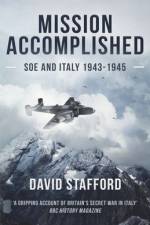
'A gripping account of Britain's secret war in Italy... Stafford vividly describes these missions with striking detail and telling quotes.' - BBC History Magazine In May 1945 Italy was liberated from Nazism by the British Eighth and American Fifth Armies. By that time the Italian resistance movement had emerged as one of the strongest in Europe - crucially aided and abetted by the UK's Special Operations Executive. As what Winston Churchill graphically described as the 'red-hot rake of the battle-line' advanced bloodily up the Italian peninsula, clandestine cells in the cities and partisan bands in the countryside fought to free their country from enemy occupation and shape the politics of Italy's post-war future. SOE in Italy, known as No.1 Special Force, parachuted in dozens of missions to supply the underground with weapons and ammunition, food and supplies. In a remarkable twist it also secretly collaborated with its former enemy, the Italian military intelligence service, and with the Italian Navy, which used fast torpedo boats and rubber dinghies to land British agents on heavily defended beaches. Based on recently released official files, documents retrieved from other agencies, diaries, memoirs and personal interviews, Mission Accomplished provides the first-ever complete and authoritative account of Britain's secret war in Italy - the heroic exploits, the larger-than-life participants and the extraordinary, against-the-odds achievements. Praise for Mission Accomplished: 'An admirably lucid and carefully balanced account... official histories are rarely as absorbing as this' - Times Literary Supplement 'A page-turning history' - Independent 'The mission was something of which both Britons and Italians can be rightly proud and Stafford does it full justice' - Daily Express 'Although this is an official history commissioned by the Cabinet Office, it is written with a light touch and Stafford is unafraid to give his own opinions' - Literary Review David Stafford is the author of several books on intelligence history, including Britain and European Resistance, Churchill and Secret Service, Roosevelt and Churchill: Men of Secrets, Flight from Reality, Ten Days to D-Day and Endgame 1945. He was Professor of History at the University of Victoria in British Columbia, Executive Director of the Canadian Institute of International Affairs, Chairman of the Canadian Association for Security and Intelligence Studies, an Associate Member of St. Antony's College, Oxford, and Project Director at the Centre for the Study of the Two World Wars at the University of Edinburgh, where he is currently an Honorary Fellow.
On numerous occasions, my father's life-by all accounts-could have easily ended. Undoubtedly, his survival was because God had a part in it. One must look at Paul Harden's life in awesome wonder and recognize how God's hand kept him alive, especially during his early military career. Lt. Paul Harden had many narrow escapes from death. The first was at Gowen Field, Boise, Idaho, in 1944. During a routine training mission, his B-24 lost engine power and crash-landed with a full load of fuel and bombs. This disaster could easily have ended in a fiery explosion with total loss of life. However, all but one walked away from the crash.On many other occasions, Harden and his crew met the threat of death from storms in the Atlantic flying to the forward operating base in Italy and from flak of German artillery cannons on missions. Each time, Harden and his crew beat the odds and survived. The ultimate challenge came when Harden and his aircrew were shot down over Yugoslavia and taken prisoner by the German Luftwaffe. Captured by the Germans, Harden and his crew found themselves in German and Croatian POW camps. Throughout the ordeal, Harden and his crew survived. While these airmen were heroes, they were also guided by the hand of God. Harden never gave up his faith while being held captive in Croatia. Through rare circumstances, a local Catholic Priest came to the camp and ministered to the POWs, allowing Harden and several of his men to continue to practice their faith.
This work takes readers to two countries ravaged by World War II, Poland and Japan, recounting the wartime experiences of teenagers Bogdan and Seiko. Bogdan's family abandoned its home in Bydgoszcz, Poland, and fled to Warsaw, where Bogdan fought for the Polish Home Army in the 1944 Warsaw Uprising. During this brutal conflict, as Poles tried to oust occupying Germans, Bogdan sustained severe injuries, and after the Germans crushed the Uprising, he endured seven POW camps. On the other side of the globe, in Hokkaido, Japan, Seiko's country went to war against the U.S. With school suspended, Seiko worked in a wartime factory. Terror and turmoil haunted Japanese civilian life; Seiko's older sister died during the war, while her older brother trained as a kamikaze pilot. Despite suffering harsh misfortunes, Bogdan and Seiko resolved to rebound once the war ended. Both immigrated to the U.S. to pursue educational opportunities. In bustling postwar New York City, they met, fell in love, and then started a family. Offering a unique transnational perspective on WWII, Bogdan and Seiko's story is one of hope, symbolizing recovery from war's devastation while reminding readers of how immigrants to America have started new lives and pursued their dreams.
Il contenuto di questo manuale si basa sulle esperienze degli ufficiali e sottufficiali dell'Esercito Nazionale che hanno partecipato a corsi di sopravvivenza nella giungla in Guyana Francese e a corsi di operazioni speciali nella giungla con l'Esercito del Brasile. Questa dottrina si fonda sulle esperienze dirette dei nostri uomini nello svolgimento di operazioni speciali in aree di difficile accesso e in condizioni avverse di visibilità e sopravvivenza.Il Manuale di Operazioni nella Giungla è stato creato con l'obiettivo di sviluppare una coscienza operativa per condurre missioni tattiche in luoghi geografici precedentemente considerati di inaccessibile ingresso, attraverso l'uso di mezzi di ultima generazione acquisiti dalla forza, ottimizzando così i risultati e aumentando le capacità delle unità di manovra. Esso stabilisce una legislazione chiara per proteggere le aree della giungla, attualmente considerate fonti di vita e aree di vitale importanza per la loro fauna e flora, rendendo l'Esercito Colombiano uno dei primi nell'emisfero ad applicare politiche di controllo e prevenzione ambientale nelle operazioni militari.
"Green Shadows: A History of the Special Forces" is a comprehensive exploration of the origins, evolution, and significant contributions of the Green Berets. This book delves into the formation of the Special Forces, tracing their roots back to the Office of Strategic Services (OSS) and the First Special Service Force. It examines the pivotal role played by President John F. Kennedy in establishing the Green Berets as a unique and elite force within the military. The book also highlights the Green Berets' involvement in various global conflicts, including their crucial role in Vietnam and their continued presence in the War on Terror. Additionally, it explores the specialized training, selection process, and operational capabilities of the Green Berets, shedding light on their unconventional warfare, direct action, special reconnaissance, and foreign internal defense missions. Furthermore, the book examines the challenges, controversies, and future prospects of the Green Berets, including their role in counterterrorism, humanitarian missions, and the ever-evolving landscape of modern warfare.
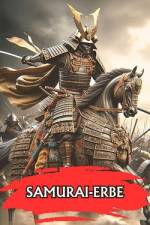
Es ist ein Buch, das die Geschichte und Kultur der Samurai erforscht, der berühmten Krieger des feudalen Japans. Es behandelt die Geschichte, wie die Samurai entstanden, ihre Rolle in der feudalen japanischen Gesellschaft, ihre Waffen und Kampftechniken, sowie ihre Ãsthetik, ihren Verhaltenskodex und die berühmtesten Charaktere. Auch die verschiedenen Epochen werden analysiert, von ihren Anfängen bis zu ihrem Niedergang. Es ist eine faszinierende Lektüre für diejenigen, die sich für die Geschichte Japans und die Kultur der Samurai interessieren.
Abonner på vårt nyhetsbrev og få rabatter og inspirasjon til din neste leseopplevelse.
Ved å abonnere godtar du vår personvernerklæring.