
Norges billigste bøker

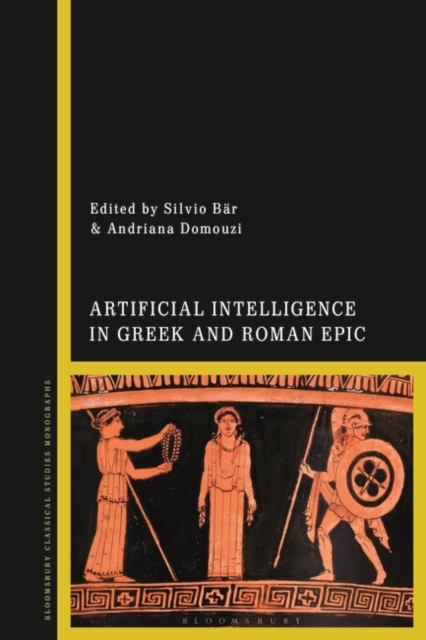
Artificial Intelligence in Greek and Roman Epic

Om Artificial Intelligence in Greek and Roman Epic

This is the first scholarly exploration of concepts and representations of artificial intelligence in ancient Greek and Roman epic, including their reception in later literature and culture. Contributors look at how Hesiod, Homer, Apollonius of Rhodes, Moschus, Ovid and Valerius Flaccus have elaborated on the first literary texts that deal with automata and the quest for artificial life as well as technological intervention improving human life. Parts I and II consider, respectively, Greek, and Hellenistic and Roman epics. Contributors explore the presentations of Pandora in Hesiod, Homeric automatons such as Hephaestus' wheeled tripods, the Phaiakian king Alkinoös' golden and silver guard dogs, and even the Trojan Horse. Later examples include AI and automation in the Argonauticas of Apollonius and Valerius Flaccus, and Pygmalion's ivory woman in Ovid's Metamorphoses. Part III underlines how these concepts benefit from analysis of the ekphrasis device, within which they often feature. Chapters investigate the cyborg potential of the epic hero and the literary implications of ancient technology. Moving finally into contemporary examples, the final chapters consider the reception of ancient automation in contemporary film, for example the sci-fi epic Starvoyage, or Small Cosmic Odyssey (1995), and The Holy Machine by Chris Beckett (2004).

Vis mer
  • Språk:
  • Engelsk
  • ISBN:
  • 9781350260696
  • Bindende:
  • Hardback
  • Sider:
  • 320
  • Utgitt:
  • 13. juni 2024
  • Dimensjoner:
  • 165x241x26 mm.
  • Vekt:
  • 620 g.
  Gratis frakt
Leveringstid: 2-4 uker
Forventet levering: 1. juni 2026

Beskrivelse av Artificial Intelligence in Greek and Roman Epic

This is the first scholarly exploration of concepts and representations of artificial intelligence in ancient Greek and Roman epic, including their reception in later literature and culture. Contributors look at how Hesiod, Homer, Apollonius of Rhodes, Moschus, Ovid and Valerius Flaccus have elaborated on the first literary texts that deal with automata and the quest for artificial life as well as technological intervention improving human life.

Parts I and II consider, respectively, Greek, and Hellenistic and Roman epics. Contributors explore the presentations of Pandora in Hesiod, Homeric automatons such as Hephaestus' wheeled tripods, the Phaiakian king Alkinoös' golden and silver guard dogs, and even the Trojan Horse. Later examples include AI and automation in the Argonauticas of Apollonius and Valerius Flaccus, and Pygmalion's ivory woman in Ovid's Metamorphoses.

Part III underlines how these concepts benefit from analysis of the ekphrasis device, within which they often feature. Chapters investigate the cyborg potential of the epic hero and the literary implications of ancient technology. Moving finally into contemporary examples, the final chapters consider the reception of ancient automation in contemporary film, for example the sci-fi epic Starvoyage, or Small Cosmic Odyssey (1995), and The Holy Machine by Chris Beckett (2004).

Brukervurderinger av Artificial Intelligence in Greek and Roman Epic


Finn lignende bøker
Boken Artificial Intelligence in Greek and Roman Epic finnes i følgende kategorier:

Gjør som tusenvis av andre bokelskere

Abonner på vårt nyhetsbrev og få rabatter og inspirasjon til din neste leseopplevelse.