Gjør som tusenvis av andre bokelskere
Abonner på vårt nyhetsbrev og få rabatter og inspirasjon til din neste leseopplevelse.
Ved å abonnere godtar du vår personvernerklæring.Du kan når som helst melde deg av våre nyhetsbrev.

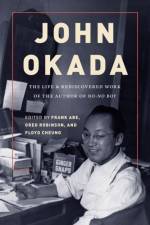
No-No Boy, John OkadaΓÇÖs only published novel, centers on a Japanese American who refuses to fight for the country that incarcerated him and his people in World War II and, upon release from federal prison after the war, is cast out by his divided community. In 1957, the novel faced a similar rejection until it was rediscovered and reissued in 1976 to become a celebrated classic of American literature. As a result of OkadaΓÇÖs untimely death at age forty-seven, the authorΓÇÖs life and other works have remained obscure.This compelling collection offers the first full-length examination of OkadaΓÇÖs development as an artist, placing recently discovered writing by Okada alongside essays that reassess his lasting legacy. Meticulously researched biographical details, insight from friends and relatives, and a trove of intimate photographs illuminate OkadaΓÇÖs early life in Seattle, military service, and careers as a public librarian and a technical writer in the aerospace industry. This volume is an essential companion to No-No Boy.
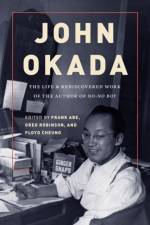
No-No Boy, John OkadaΓÇÖs only published novel, centers on a Japanese American who refuses to fight for the country that incarcerated him and his people in World War II and, upon release from federal prison after the war, is cast out by his divided community. In 1957, the novel faced a similar rejection until it was rediscovered and reissued in 1976 to become a celebrated classic of American literature. As a result of OkadaΓÇÖs untimely death at age forty-seven, the authorΓÇÖs life and other works have remained obscure.This compelling collection offers the first full-length examination of OkadaΓÇÖs development as an artist, placing recently discovered writing by Okada alongside essays that reassess his lasting legacy. Meticulously researched biographical details, insight from friends and relatives, and a trove of intimate photographs illuminate OkadaΓÇÖs early life in Seattle, military service, and careers as a public librarian and a technical writer in the aerospace industry. This volume is an essential companion to No-No Boy.
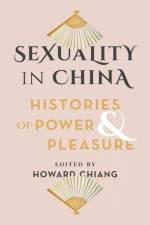
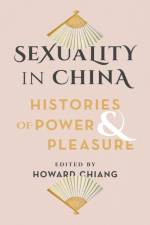
What was sex like in China, from imperial times through the post-Mao era? The answer depends, of course, on who was having sex, where they were located in time and place, and what kind of familial, social, and political structures they participated in. This collection offers a variety of perspectives by addressing diverse topics such as polygamy, pornography, free love, eugenics, sexology, crimes of passion, homosexuality, intersexuality, transsexuality, masculine anxiety, sex work, and HIV/AIDS. Following a loose chronological sequence, the chapters examine revealing historical moments in which human desire and power dynamics came into play. Collectively, the contributors undertake a necessary historiographic intervention by reconsidering Western categorizations and exploring Chinese understandings of sexuality and erotic orientation.
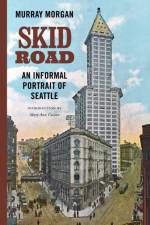
Previously published: Seattle: University of Washington Press, 1982. With new introduction.
What was sex like in China, from imperial times through the post-Mao era? The answer depends, of course, on who was having sex, where they were located in time and place, and what kind of familial, social, and political structures they participated in. This collection offers a variety of perspectives by addressing diverse topics such as polygamy, pornography, free love, eugenics, sexology, crimes of passion, homosexuality, intersexuality, transsexuality, masculine anxiety, sex work, and HIV/AIDS. Following a loose chronological sequence, the chapters examine revealing historical moments in which human desire and power dynamics came into play. Collectively, the contributors undertake a necessary historiographic intervention by reconsidering Western categorizations and exploring Chinese understandings of sexuality and erotic orientation.
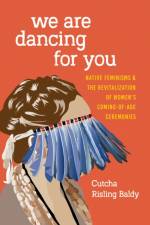
Cutcha Risling Baldy's deeply personal account of the revitalization of the women's coming-of-age ceremony for the Hoopa Valley Tribe--Provided by publisher.
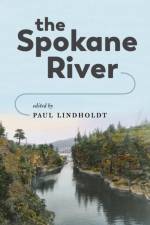
From Lake Coeur dΓÇÖAlene to its confluence with the Columbia, the Spokane River travels 111 miles of varied and often spectacular terrainΓÇörural, urban, in places wild. The river has been a trading and gathering place for Indigenous peoples for thousands of years. With bountiful trout, accessible swimming holes, and challenging rapids, it is a recreational magnet for residents and tourists alike. The Spokane also bears the legacy of industrial growth and remains caught amid interests competing over natural resources.The contributors to this collection profile this living river through personal reflection, history, science, and poetry. They bring a keen environmental awareness of resource scarcity, climate change, and cultural survival tied to the riverΓÇÖs fate.
Rich with imagery and enlivened with a wry and witty sensibility, this title features poems that opens with a series of strong, spare, bitter sweet elegies to the author's parents and grandparents and to his own rural beginnings as he wrestles with the shifting roles of child and man, actor and observer.
This groundbreaking work in women's history explores the lives of Uzbek women, in their own voices and words, during the Soviet Hujum, the 1927 campaign in Soviet Central Asia to encourage mass unveiling as a path to social and intellectual "liberation."
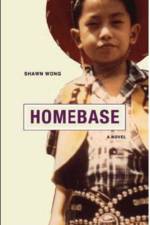
Homebase is the coming of age story of Rainsford Chan in 1950s and 60s California. Rainsford is a fourth-generation Chinese American named after the town where his great grandfather worked during the gold rush. Orphaned at fifteen, he attempts to claim America as his homebase, and his personal history is interwoven with dreams, stories, and letters of his family's life in America. Moving through time and place, the story allows the reader to discover the past as Rainsford does, to see the world through his eyes, and to learn the truth about the Chinese American experience.hawn Wong is the author of the novel American Knees and director of the Honors Program at the University of Washington.
Abonner på vårt nyhetsbrev og få rabatter og inspirasjon til din neste leseopplevelse.
Ved å abonnere godtar du vår personvernerklæring.