



Gjør som tusenvis av andre bokelskere
Abonner på vårt nyhetsbrev og få rabatter og inspirasjon til din neste leseopplevelse.
Ved å abonnere godtar du vår personvernerklæring.Du kan når som helst melde deg av våre nyhetsbrev.

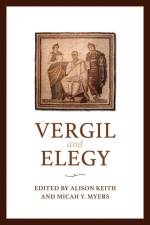
This collection explores Vergil’s engagement with the genre of elegy across various themes, linguistic traditions, and historical periods.
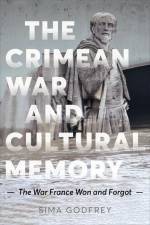
Exploring the Crimean War through literature, theatre, spectacle, and visual arts, this book reveals how and why a major war was forgotten.
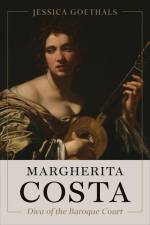
Margherita Costa, Diva of the Baroque Court reconstructs the life, work, and legacy of an extraordinary woman and prolific writer of the seventeenth century.
Politics of the Periphery discusses empirical studies of post-metropolitan regions around the world.
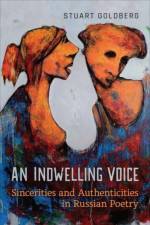
An Indwelling Voice presents a framework for understanding how, despite linguistic and philosophical barriers, sincere voices are written and read in poetry.
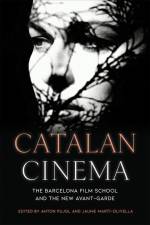
This collection of essays on Catalan cinematography explores one of the most vibrant minority cultures in Europe.
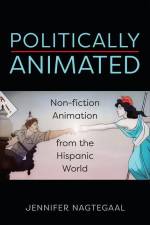
Shedding light on the political implications that arise from narrative decision-making, this book examines animated non-fiction from the Spanish-speaking world.
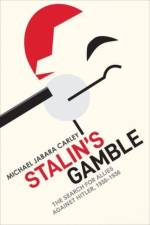
Drawing from Soviet archives, Stalin’s Gamble traces the role played by the Soviet Union in the origins of the Second World War.
This book examines Vienna’s Burgtheater, the most prestigious German-language stage in the nineteenth century.
Drawing on historical case studies, this book explains why international rivals intervene in civil conflicts.
Thirsty Land into Springs of Water explores how Latter-day Saints in southern Alberta merged into Canadian society while maintaining their identity.
This unabridged, annotated English translation of Jacopo Caviceo’s Peregrino brings this popular Italian Renaissance romance to English readers for the first time.
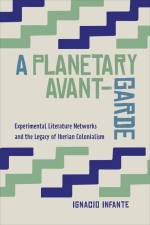
This book illuminates the history of experimental poetics in relation to the legacy of Iberian colonialism in the early twentieth century.
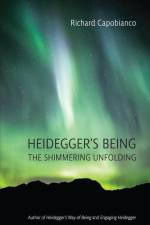
In Heidegger's Being: The Shimmering Unfolding, the eminent Heidegger scholar Richard Capobianco draws on many new texts and sources to highlight in fresh ways the beauty and spiritual resonance of Martin Heidegger's thinking about Being.As in his earlier books, Capobianco offers a meditative path through Heidegger's thought. He illuminates major motifs that are overlooked or set aside by most contemporary readings of Heidegger, amplifying these motifs in an original, heartfelt, and eloquent way. The book also offers a series of reflections that bring Heidegger's thinking into close proximity to other thinkers and poets, including Alfred North Whitehead, C.G. Jung, Robert Frost, Walt Whitman, and Rumi.Heidegger's Being: The Shimmering Unfolding is intended not only for dedicated students of Heidegger's work but also for engaged general readers who wish to come to a deeper appreciation of his distinctive vision of Being.
This book sheds light on Irish republican prisoners during the Northern Irish Troubles and the ways in which they shaped the peace process from within the internment camps and prisons.
This is the story of a psychiatrist and his career-long relationship with a difficult patient, showing how medical treatment should not just be about biology, but also about psychology.
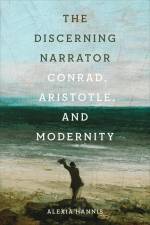
This book examines the letters, essays, and fiction of Joseph Conrad through an Aristotelian lens.
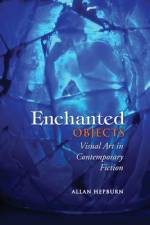
Enchanted Objects investigates the relationship between visual art and contemporary fiction, addressing the problems that arise when paintings, deluxe books, porcelains, or statues are represented in contemporary novels. The distinction between objects and art objects depends on aesthetics. While some objects are authenticated through museum exhibits, others are hidden, broken, neglected, coveted, hoarded, or salvaged.Allan Hepburn asks four broad questions about aesthetics and value: What is a detail in visual art? Is all art ornamental? Does the value of an object increase because it is fragile? What defines ugliness? Contemporary novels, such as Tracy Chevalier's Girl with a Pearl Earring, Barry Unsworth's Stone Virgin, and Bruce Chatwin's Utz offer implicit answers to these questions while critiquing museums and the determination to invest objects with value through display. Addressing current debates in museum studies, cultural studies, art history, and literary criticism, Enchanted Objects develops an extensive theory of how contemporary literature engages with and relates to aesthetic objects.
Abonner på vårt nyhetsbrev og få rabatter og inspirasjon til din neste leseopplevelse.
Ved å abonnere godtar du vår personvernerklæring.