




Gjør som tusenvis av andre bokelskere
Abonner på vårt nyhetsbrev og få rabatter og inspirasjon til din neste leseopplevelse.
Ved å abonnere godtar du vår personvernerklæring.Du kan når som helst melde deg av våre nyhetsbrev.

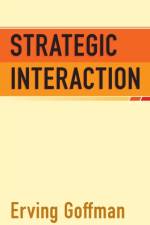
The two essays in this classic work by sociologist Erving Goffman explore the calculative, gamelike aspects of human interaction.
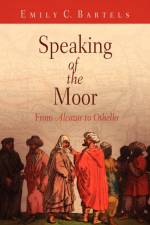
Speaking of the Moor explores why the Moor became a central character on the English stage at the turn of the sixteenth century. Looking closely at key early modern dramatic and historical texts, the book uncovers the Moor's complex identity as a Mediterranean figure poised provocatively between European and non-European worlds.
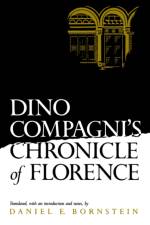
Available again with a new preface, this classic work of medieval literary scholarship argues that discussion of late-medieval literary works has tended to derive its critical vocabulary from modern, not medieval, theory, and offers instead a conceptual equipment which is at once historically valid and theoretically illuminating.
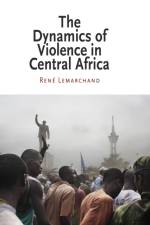
This collection of essays explores the contemporary crises in Rwanda, Burundi, and the Congo-Kinshasa, offering important new insights into the cycle of genocidal violence, ethnic strife, and civil war that has made the Great Lakes region of Central Africa the most violent on the continent.
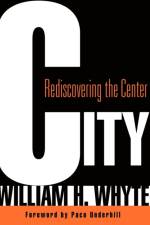
In a challenging and provocative book, William Whyte, author of the classic The Organization Man, observes the influence public spaces have on the people who use them. In this exploration of pedestrian behavior and urban dynamics, he calls on city planners to provide functional, pleasant places to live and work.
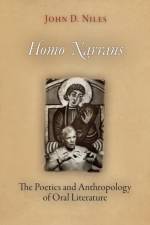
Homo Narrans explores how human beings shape their world through the stories they tell. Author John D. Niles ponders the nature of the storytelling impulse, the social function of narrative, and the role of individual talent in oral tradition.
An in-depth account of the relationship between the civil rights and antiwar movements of the 1960s.
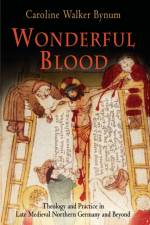
Bynum argues that Christ's blood as both object and symbol was central to late medieval art, literature, and religious life. As cult object, blood provided a focus of theological debate about the nature of matter, body, and God and an occasion for Jewish persecution; as motif, blood became a central symbol in popular devotion.
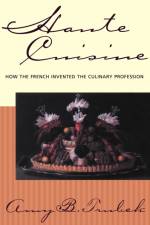
Haute Cuisine shows us how our tastes, desires, and history come together at a common table of appreciation for the French empire of food. Bon appetit!
The second edition of Depression: Causes and Treatment provides a contemporary review of the diagnosis, causes, and treatments of depression. Both biological and psychological treatment approaches are described.
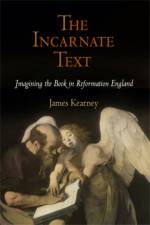
James Kearney engages with recent work in the history of the book and the history of religion to investigate the crisis of the book occasioned by the Reformation's simultaneous faith in text and distrust of material forms.
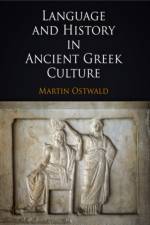
Renowned scholar of Ancient Greek Martin Ostwald explains, for a modern audience, the terms by which the ancient Greeks saw and lived their lives-and influenced ours.
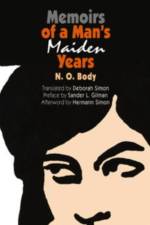
The first translation into English of a startling 1907 memoir of a writer who was born a boy, was raised as a girl, and who lived as a man. Who was the real N.O. Body, and why did he go to such lengths to hide not just his name but his Jewish identity?
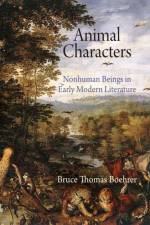
Animal Characters follows five species through the literature of early modern Europe. The horse, the parrot, the cat, the turkey, and the sheep all undergo a dramatic change in character as European writers begin to develop a new interest in-and understanding of-human character in its relation to literature.
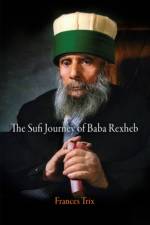
Baba Rexheb founded the first community of the Bektashi order in America. This ethnographic biography recounts his life through lived example and through stories collected during Frances Trix's more than twenty years of study with the dervish.
Talks about what liberty meant to an important group of common men in American society, those who lived and worked on the waterfront and aboard ships. This book shows that the idealized vision of liberty associated with the Founding Fathers had a much more immediate and complex meaning than previously thought.
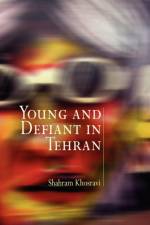
In this ethnography of contemporary youth culture in Iran's capital, Shahram Khosravi examines the practices of everyday life through which young Tehranis demonstrate defiance against the official culture and the parental generation.
Human Rights: A Political and Cultural Critique provides a bracing and controversial analysis of the scope of human rights and lays the groundwork for a multicultural and more universal understanding of these rights.
Lynn E. Roller focuses on a series of stone blocks with incised figural and abstract drawings recovered from early Phrygian structures at Gordion.
This study offers a new reading of the development of modern authorship in seventeenth- and eighteenth-century France, through a detailed reexamination of one of the central mythologies of this evolution: the author's passage from dependence on patronage to the autonomy of the market.
The Blacks of Premodern China describes the earliest Chinese encounters with peoples regarded as black. It focuses on the first exposure of Chinese to blacks hailing from East Africa, chiefly from today's Somalia, Kenya, and Tanzania, who arrived in China as slaves between the seventh and seventeenth centuries C.E.
Who owns the tabula picta, the painted tablet? The owner of the tablet? Or to the person who painted it? This meticulous analysis of how medieval jurists responded to these questions is a major a contribution to the history of the proprietary rights to artistic works and to the history of ideas.
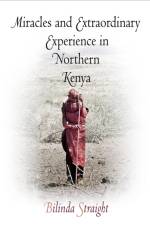
The miraculous blends with the mundane in this book as the Samburu continue their day-to-day twenty-first-century existence. Straight describes miracles inside the cultural logic that makes them possible, questioning how anthropology can best engage with the improbable.
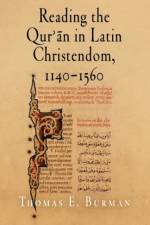
Addressing Christian-Muslim relations generally, as well as the histories of reading and the book, Burman offers a balanced and hands-on picture of the ways Europeans read the sacred text of Islam.
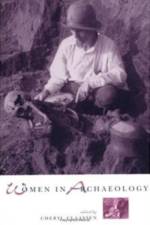
The fourteen essays in this collection explore the place of women in archaeology in the twentieth century, arguing that they have largely been excluded from "an essentially all-male establishment."
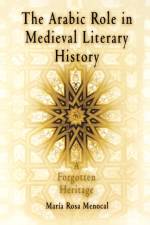
Maria Rosa Menocal argues that Arabic culture was a central and shaping phenomenon in medieval Europe.
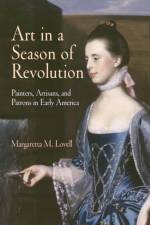
Focusing on the rich heritage of art-making in the eighteenth century, this illustrated book positions both well-known painters and unknown artisans within the framework of their economic lives, their families, and the geographies through which they moved as they created notable careers and memorable objects.
Abonner på vårt nyhetsbrev og få rabatter og inspirasjon til din neste leseopplevelse.
Ved å abonnere godtar du vår personvernerklæring.