





Gjør som tusenvis av andre bokelskere
Abonner på vårt nyhetsbrev og få rabatter og inspirasjon til din neste leseopplevelse.
Ved å abonnere godtar du vår personvernerklæring.Du kan når som helst melde deg av våre nyhetsbrev.

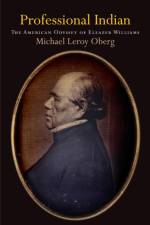
Professional Indian tells the story of Eleazer Williams: missionary to the Mohawks, Indian confidence man, and icon of an era of dispossession and change that compelled many native peoples to refashion their identities in the wake of Anglo-American expansion.
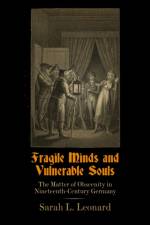
Fragile Minds and Vulnerable Souls investigates the creation of "obscene writings and images" -from popular medical works to stereoscope cards-and the process through which these texts were deemed dangerous to the intellectual and emotional lives of vulnerable consumers in nineteenth-century Germany.
Analyzing the layers of interpretation in the Sifra and the transformation of Rabbi Akiva's portrayal in rabbinic literature more broadly, Azzan Yadin-Israel traces an ideological shift toward scriptural authority and away from received traditions.
In this ethnographic study of the school district struggles in Central California, Clayton A. Hurd explores the core issues at stake in campaigns to reorganize districts into ethnically separated schools as well as the resistance against them mobilized by the working-class Latino community.
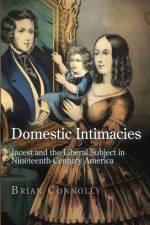
Domestic Intimacies upends histories of the family, sexuality, and liberalism in nineteenth-century America by placing incest at the center of all of them, arguing that the simultaneous valorization of sentimental family and autonomous individual were constructed in relation to the threat of incest.
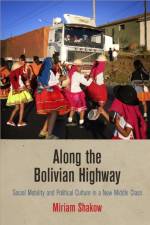
This book narrates the unexpected dilemmas middle-class Bolivians have faced following the coming to power of a left-wing, indigenous movement. Shakow argues that new middle classes in Bolivia, as elsewhere in the Third World, constitute a significant force that profoundly shapes politics and social life.
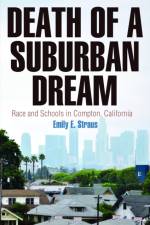
This sophisticated history of Compton shows how increasing poverty, violence, and public education controversies made an inner-ring suburb resemble a troubled urban center over the course of the twentieth century and into the present.
Let Us Die as Free Men explores the African American fight for the desegregation of the American military between the Second World War and the Korean War. The book credits black soldiers and civilian efforts, more than Truman's executive order, for achieving integration in the context of the Cold War.
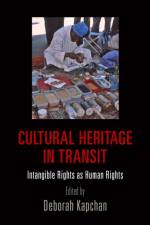
Analyzing "heritage events"-from Roma wedding music to Trinidadian wining, Moroccan verbal art, and neopagan rituals-Cultural Heritage in Transit tracks the effects of the heritage industry, focusing on cultural rights and human rights writ large.
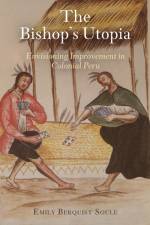
Based on intensive archival research and the unique visual data of more than a thousand extraordinary watercolors, The Bishop's Utopia seamlessly weaves cultural history, natural history, art, and imperial politics into a cinematic retelling of the life of Spanish Bishop Baltasar Jaime Martinez Companon and northern Peru in the 1780s.
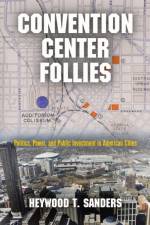
Written by one of the nation's foremost urban development experts, Convention Center Follies exposes the inner workings of America's convention center boom through case studies of Chicago, Atlanta, and St. Louis.
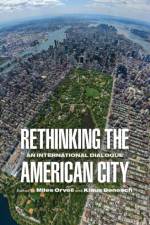
Utilizing an innovative framework as an international, interdisciplinary dialogue, the volume provides an inventory of contemporary thought about the American city across a wide range of topics, including the design of transportation systems, workplaces, and housing to public art, urban ruins, and futurist visions.
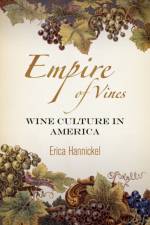
Empire of Vines traces the development of wine culture as grape growing expanded from New York to the Midwest before gaining ascendancy in California-a progression that illustrates viticulture's centrality to the nineteenth-century American projects of national expansion and the formation of a national culture.
Joseph A. Dane examines the field of material book history by questioning its most basic assumptions and definitions: How is print defined? What are the limits of printing history? What constitutes evidence?
The Employee examines how American businesses dominated and influenced labor law as they pushed for an ever-narrower definition of "employee" and maneuvered to exclude workers from the right to organize.
Jeffrey Todd Knight excavates the culture of book collecting and compiling in early modern England, examining how the pervasive practice of mixing texts, authors, and genres into single bindings defined Renaissance ways of thinking and writing.
By reconstructing the aural culture of sermons in Puritan New England, Neuman shifts our attention from the pulpit to the pew, demonstrating how sermon auditors helped to shape this dominant genre of Puritan New England.
Slavery in Medieval and Early Modern Iberia provides a sweeping survey of the many forms of bound labor in Iberia from ancient times to the decline of slavery in the eighteenth century.
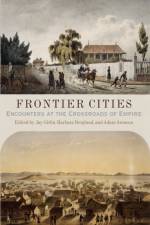
Frontier Cities recovers the history of borderland cities in a range of periods and locations-from eighteenth-century Detroit and nineteenth-century Seattle to twentieth-century Los Angeles. Frontier cities embody the earliest mode of American urban experience and testify to the intersections of colonial, urban, western, and global history.
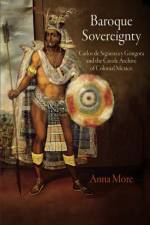
Baroque Sovereignty examines the emergence of a creole archive of artifacts, history, and traditions of colonial Mexico, primarily curated by the polymath Carlos de Siguenza y Gongora. Anna More posits the centrality of this archive for understanding how a local political imaginary emerged from the ruins of Spanish imperialism.
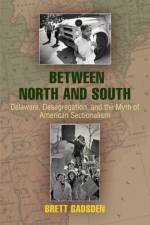
Between North and South chronicles the three-decades-long struggle over segregated schooling in Delaware, a key border state and important site of civil rights activism and white reaction, that despite concerted white opposition to reforms produced one of the most progressive desegregation remedies in the nation.
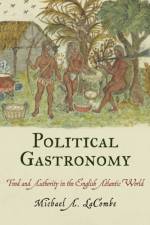
Political Gastronomy examines the many meanings of food as a symbol of power in the daily life and the political culture of early America. Struggling to establish status and precedence, English settlers and American Indians alike conveyed authority through shared meals and other significant exchanges of food.
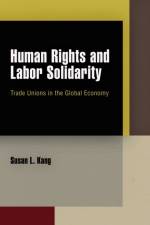
Susan L. Kang analyzes comparative case studies of campaigns by trade unions to link local labor rights disputes to international human rights frameworks. She finds that contingent political incentives, rather than normative arguments, compel governments to make reforms to better protect these fundamental human rights.
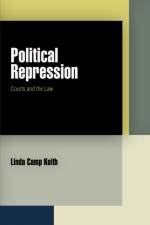
This book examines why states make formal commitments to rights provisions and to judicial independence and what effect these commitments have on actual state behavior, especially political repression.
Kafka's Jewish Languages shows how Yiddish and modern Hebrew were crucial to Kafka's development as a writer. David Suchoff's examination also demonstrates the intimate relationship between Kafka's Jewish voice and his larger literary significance.
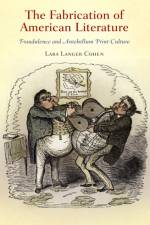
Drawing on a rich archive of magazine fiction, verse satires, comic almanacs, false slave narratives, minstrel song-sheets, and early literary criticism, this book uncovers the controversies over literary fraudulence that plagued the antebellum period and shows how they at once made and unmade American literature.
At the beginning of the 1920s, no political observer would have predicted that universal suffrage would inspire the growth of a conservative women's movement to counter the power of women reformers. This book describes the birth of that movement, analyzing its enduring legacy for twentieth-century female political activists.
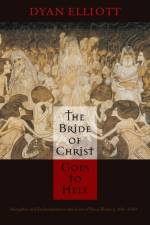
Following a long trajectory from late antiquity to the high Middle Ages, Dyan Elliott offers a provocative analysis of the changing religious, emotional, and sexual meanings of the metaphor of the sponsa Christi and of the increasing anxiety surrounding the somatization of female spirituality.
Abonner på vårt nyhetsbrev og få rabatter og inspirasjon til din neste leseopplevelse.
Ved å abonnere godtar du vår personvernerklæring.