



Gjør som tusenvis av andre bokelskere
Abonner på vårt nyhetsbrev og få rabatter og inspirasjon til din neste leseopplevelse.
Ved å abonnere godtar du vår personvernerklæring.Du kan når som helst melde deg av våre nyhetsbrev.

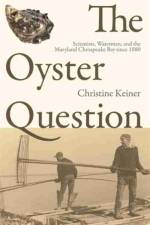
Applies perspectives of environmental, agricultural, political, and social history to examine the decline of Maryland's iconic Chesapeake Bay oyster industry.
This study details botanical, clinical, spiritual, historical, and material aspects of ""black drink"", including its importance not only to southeastern Native Americans, but also to many of their European-American contemporaries.
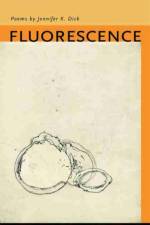
In Jennifer K. Dick's ""Fluorescence"", very real places - Paris, Massachusetts, Colorado, Iowa, Morocco - mix into the imagined, into Breughelian villages where there's ""a persimmon in the corner knitting"".
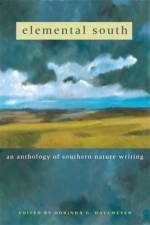
Arranged by theme according to the basic elements by which many cultures on earth interpret themselves and their place in the world - earth, air, fire, water - the writings consider actual and assumed connections in the greater scheme of functioning ecosystems.
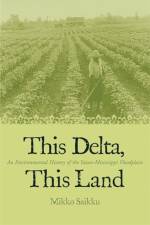
This environmental history of the Yazoo-Mississippi Delta places the Delta's economic and cultural history in an environmental context. It reveals the human aspects of the region's natural history, including land reclamation, slave and sharecropper economies, ethnic and racial perceptions of land ownership and stewardship, and even blues music.
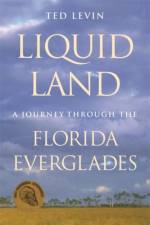
Consider just two facts about the damage done to the Everglades: half of its 14,000-square-mile expanse is gone, and saving what is left will cost at least $8.4 billion. In Liquid Land, Ted Levin guides us past the dire headlines and into the magnificent swamp itself, where we come face-to-face with the plants, animals, and landscapes that remain.
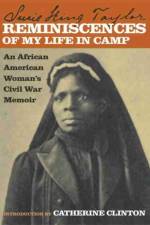
Chronicles daily life on the battlefront, and also records interactions between blacks and whites, men and women, and northerners and southerners during and after the war. The author tells of being born into slavery and of learning, in secret, to read and write.
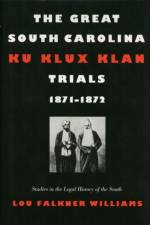
In the late 1860s South Carolina Klansmen unleashed a reign of terror over blacks, and even some whites, in the state, detailed in this gripping study.
In 1955 the Forbes magazine list of America's largest corporations included 18 with headquarters in the Southeast. By 2002 it had grown to 123. The essays collected here consider this dynamism, and the region's place in that ever-accelerating, transnational flow of people, capital, and technology known as ""globalization.
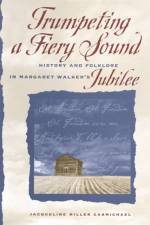
Jubilee is the historical and fictional account of the life of Margaret Walker's great-grandmother, from slavery through Reconstruction. Here, Carmichael examines the novel's genesis and composition, the process of revision and publication, the structure and narrative strategies and more.
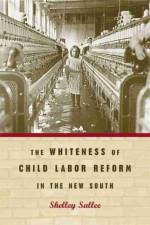
Focusing on Alabama's textile industry, this study looks at the motivations behind the ""whites-only"" route taken by the Progressive reform movement in the South. In the early 1900s, northern mill owners seeking cheaper labour and fewer regulations found the South's doors wide open.
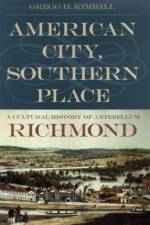
This history reveals the Richmond community as a series of dynamic, overlapping networks to show how various groups - including merchant families, the city's largest black church congregation, ironworkers and militia volunteers - understood themselves and their society.
This prominent planter, patriarch of his Highland Scots clan in America and the ranking general from Georgia in the Continental army, is often simply known as the man who mortally wounded Button Gwinnett. This biography fleshes out the man who lived during a crucial period in history.
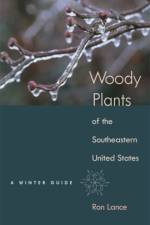
Winter, when plants are dormant and leaves may have fallen, is a challenging time to identify woody flora. Designed for winter, with almost 600 illustrations, this taxonomic guide describes species by their twig, bud, and bark characteristics. Covers the trees, shrubs, and woody ground covers that grow without cultivation in the Southeast USA.
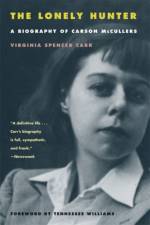
From McCullers' birth in Columbus, Georgia in 1917 to her death in upstate New York in 1967, this book covers every significant event in and aspect of, the writer's life: her rise as a young literary sensation; her eccentricities and entanglements; her debilitating illnesses; and her travels.
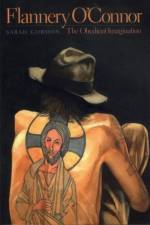
Disturbing, ironic, haunting, brutal. What inner struggle led Flannery O'Connor to create fiction that elicits such labels? Here, Sarah Gordon shows a writer whose world was steeped in male presumption regarding women and creativity.
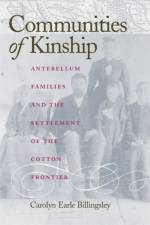
Billingsley shows how the analytic category of kinship can add new dimensions to our understanding of the American South. In this text, she studies a southern family to show how the biological, legal and fictive kinship ties between him and some 7000 of his descendants helped shape the interior South.
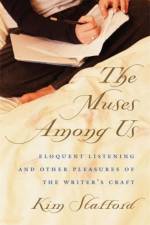
In a series of first-person letters, essays, manifestoes and notes to the reader, Kim Stafford shows what might happen at the creative boundary he calls ""what we almost know"". By recommending ways for writers to seek beyond the self for material, he aims to demystify the process of writing.
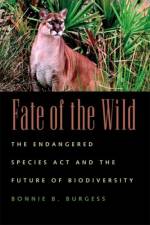
This work offers an illuminating assembly of facts about biodiversity and a straightforward analysis of the legislative stalemate surrounding the Endangered Species Act. Burgess surveys the history of the conflict over the legislation and the heated issues regarding its enforcement.
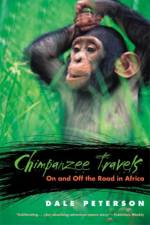
A lifelong fascination with primates led Dale Peterson to Africa, which he criss-crossed in hope of sighting chimpanzees in the wild. With the good-natured fatalism of the tested traveller, Peterson tells of trains and riverboats, opportunities and ecotourists, rain forests and shanty towns.
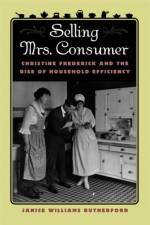
This text covers the life and work of Christine Frederick (1883-1970) and reveals an important dilemma that faced educated women of the early 20th century. Contrary to her role as home efficiency expert, she epoused the 19th century ideal of preserving the virtuous home - and a woman's place in it.
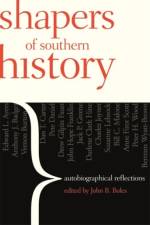
This volume gathers personal recollections by 15 eminent historians of the American South. Coming from distinctive backgrounds, traveling diverse career paths, and practicing different kinds of history, the contributors exemplify the field's richness on many levels.
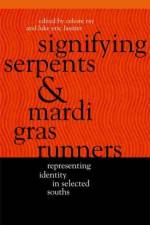
These case studies explore how competing interests among the keepers of a community's heritage shape how the community both regards itself and reveals itself to others.
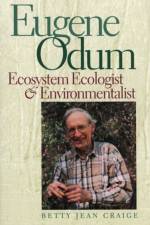
A biography of Eugene Odum. Betty Jean Craige depicts the intellectual growth, creativity and vision of the scientist who made the ecosystem concept central to his discipline and translated the principles of ecosystem ecology into lessons in preserving the natural environment.
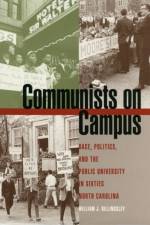
North Carolina's 1963 speaker ban law declared the state's public college and university campuses off-limits to ""known members of the Communist Party"" or to anyone who cited the Fifth Amendment. This work bares the truth behind the false image of the speaker ban's ostensible concern.
From the American Revolution to NAFTA to the Helms-Burton Act and beyond, this work offers an assessment of relations between the USA and Canada. It seeks to distil a mass of detail concerning cultural, economic and political developments of mutual importance during the past two centuries.
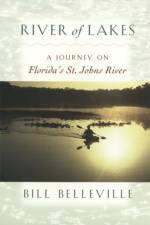
First explored by naturalist William Bartram in the 1760s, the St. Johns River stretches 310 miles along Florida's east coast, making it the longest river in the state. In the first contemporary book about the river, Bill Belleville describes his journey down its length, kayaking, boating, hiking, diving, and exploring its underwater caves.
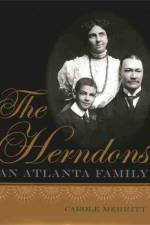
This is a portrait of one of Atlanta's most prominent African American families, illustrating Alonzo Herndon's ascent from slavery to the business elite. Their story is one of by-the-bootstraps resolve, tough compromises in the face of racism and lasting contributions to their city.
This work tells how the first generation of Protestant fundamentalists embraced the modern business and entertainment techniques of marketing, advertising, drama, film, radio, and publishing to spread the gospel.
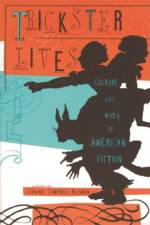
At once criminal and saviour, clown and creator, antagonist and mediator, the character of trickster has made frequent appearances in works by writers the world over. Trickster Lives offers thirteen new and challenging interpretations of trickster in American writing, including essays on works by African American, Native American, Pacific Rim, and Latino writers.
Abonner på vårt nyhetsbrev og få rabatter og inspirasjon til din neste leseopplevelse.
Ved å abonnere godtar du vår personvernerklæring.