




Gjør som tusenvis av andre bokelskere
Abonner på vårt nyhetsbrev og få rabatter og inspirasjon til din neste leseopplevelse.
Ved å abonnere godtar du vår personvernerklæring.Du kan når som helst melde deg av våre nyhetsbrev.

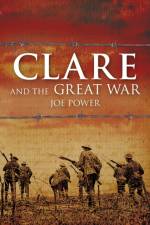
Aristocrats and itinerants, unionists and nationalists, Catholics and Protestants - the Great War united thousands of Clare men and women to a cause for which many of them would go out to fight and die. from mercenary motives, fuelled by poverty, to the moral duty to fight for civilization against the 'savage Huns'.
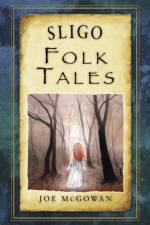
From the Curlew mountains in the south, where Aodh Ruadh O Domhnaill defeated an English army under Sir Conyers Clifford, to Benbulben's slopes in the north, where St Colmcille battled the High King of Ireland, every hill and valley is linked by the gossamer threads of myth, folklore and legend.
For as long as there have been armed forces there have been camp followers - the families who move with the military to stay with their men.
Marking the 75th anniversary of the Battle of Britain, this commemorative book recalls the momentous events that culminated in a ferocious and unique air battle over south-east England in the summer of 1940.
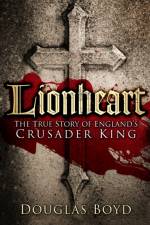
When people think of Richard the Lionheart they recall the scene at the end of every Robin Hood epic when he returns from the Crusades to punish his treacherous brother John and the wicked Sheriff of Nottingham.
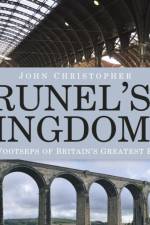
He was responsible for building the Great Western Railway main line, introducing regular steamship travel across the Atlantic, building the first tunnel under a major river, and constructing docks, harbours and bridges that enabled Britain to expand and grow as the powerhouse of the world.
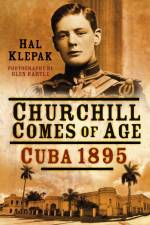
Finding his footing as a journalist - and indeed a war correspondent - he also became the centre of controversy in the American and British press and, while shamelessly exploiting his connections and developing the famous `Churchill style' became known as a public figure in his own right.
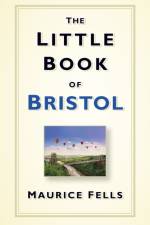
A rich, and indeed sometimes bizarre, thread of history weaves its way through the Bristol story. Along with a fresh look at city life past and present, these and many more anecdotes will surprise even those Bristolians who thought they really knew their city.
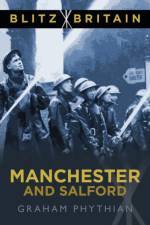
In 1940, the Manchester and Salford Blitz saw the city and its surroundings targeted by the German Luftwaffe.
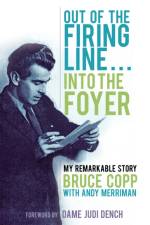
After the war, Bruce went on to become an important figure in London's `swinging sixties', running a series of successful theatrical restaurants including Peter Cook's legendary The Establishment club, which attracted such icons of the era as Michael Caine, Jean Shrimpton and the Kray twins.
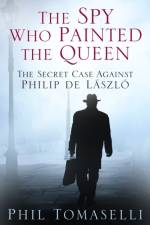
Was Philip de Laszlo a secret agent and was MI5's source really as they claimed?
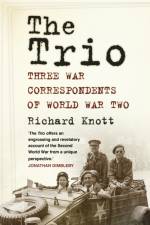
The Trio tells the story of three war correspondents, two Englishmen and an Australian, all in their 30s, whose friendship was forged during the Second World War.
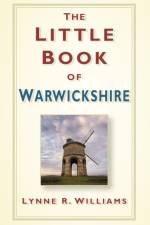
Revealed within is a plethora of entertaining facts about Warwickshire's famous and occasionally infamous men and women, its towns and countryside, battles and sieges, literary, artistic and sporting achievements, and its customs ancient and modern, including the 800-year-old Atherstone Ball Game which is still played every Shrove Tuesday.
Communists, fascists, suffragettes and the Skeleton Army have all fought through the streets of the East End, before it weathered the worst that the Nazi bombers could throw at it during the dark days of the Blitz.
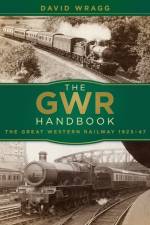
For many the GWR was synonymous with holidays by the sea in the West Country, but it was built to serve as a fast railway line to London, especially for the merchants and financiers of Bristol.
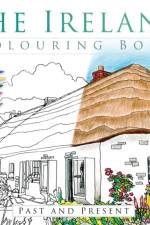
Featuring a range of picturesque vistas, from the historic villages of Adare and Claddagh to the bustling streets of Dublin and Belfast, each stunning scene is full of intriguing detail sure to fire the imagination and make you reach for your colouring pencils.
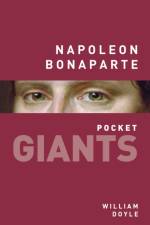
In the space of less than 20 years, Napoleon turned Europe upside down. Rising from obscure origins to supreme power by a mixture of luck, audacity and military genius, he was able to harness the energies released by the French Revolution to resolve the internal problems which it had created, before turning his restless ambition to remodeling the political structure of the whole continent in a series of brilliant military victories. He was never able to finally subdue all his foreign enemies, and in the end they came together to bring him down; but by then it was impossible to restore what he had destroyed, or, in France, to destroy much of what he had created. The memory of his epic exploits, carefully refashioned during his last years in exile, haunted Europe for over a century, while the more distant effects of his career changed the whole destiny of the Americas and of the world.
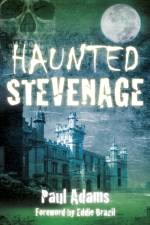
From unexplained sightings to the search for evidence of ghosts, this book contains a chilling range of spooky tales from Old and New Stevenage and the surrounding area.Richly illustrated and drawing on historical and contemporary sources, Haunted Stevenage is guaranteed to make your blood run cold.
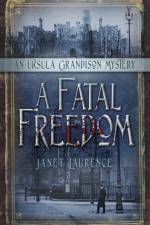
As she struggles to make a living in a society where women have few rights and little freedom, she teams up with old friend and private investigator Thomas Jackman, who soon finds himself drawing on Ursula's investigative abilities as they battle to save an innocent woman from the noose.
Torre Abbey is an archaeological site of national importance. The extent of its survival makes Torre Abbey the best preserved medieval abbey in Devon and Cornwall. The story of Torre Abbey mirrors in a remarkable way the story of English Catholics during the years of the penal laws.
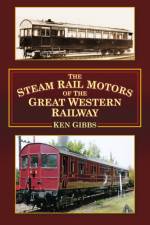
Self-propelled carriages were a major innovation at the beginning of the twentieth century, and the GWR was quick to develop a large number of steam motor cars to link farms and scattered villages across the South West to the new branch lines.
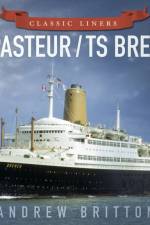
In the post-war era, TS Bremen was one of the most popular liners operating across the Atlantic - but she had a remarkable wartime history. Her sale in 1956 to North German Lloyd Line as their final flagship - refitted and renamed Bremen - sparked protest in France, but Bremen sailed on unperturbed, now the pride of the German nation.
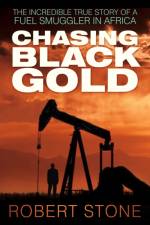
For 20 years, Robert Stone made his living as a modern-day pirate: deep-sea diving, fishing, treasure-hunting and smuggling. He spent 10 years smuggling illicit fuel in Africa, until his criminal empire came crashing down thanks to a friend's betrayal and the US law enforcement. This is the true story of his adventures.
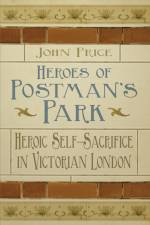
The Watts Memorial to Heroic Self-Sacrifice in Postman's Park, London, is a Victorian monument containing fifty-four ceramic plaques commemorating sixty-two individuals, each of whom lost their own life while attempting to save another.
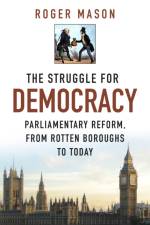
Furthermore, not only did voting take place in public, so landlords could and did evict tenants who voted against their wishes, but voting qualifications also differed from place to place. All the major reforms are covered: Catholic Emancipation, further Reform Acts, the end of the House of Lords veto and, of course, votes for women.
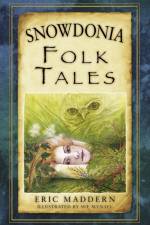
The old kingdom of Gwynedd - the mountains of Eryri (Snowdonia), Ynys (Anglesey) and the Llyn Peninsula - may be the most mythic landscape in Britain.
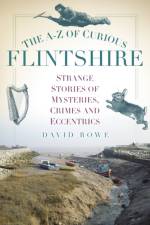
Flintshire, the northern gateway to Wales, is a county rich in heritage. As with much of Wales, Flintshire is also a place of myth and legends, from missing monks to maids in wells. Beautifully illustrated, it is great for dipping into, but can equally be enjoyed from cover to cover.
Mike Brooke's successful RAF career had taken him from Cold War Canberra pilot to flying instructor at the Central Flying School in the 1970s. Trials and Errors follows his personal journey during five years of experimental test flying, during which he flew a wide variety of aircraft for research and development trials.
Do you remember washing in a tin bath by the fire, using outside lavatories and not having a television? This nostalgic journey through an era of change will resonate with anyone who began their innocent childhood years in austerity and has lived through a lifetime of ground-breaking events to the much changed Britain of today.
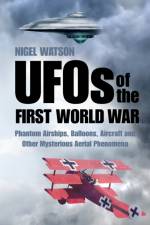
Maxwell took off in his BE2C fighter but saw nothing unusual until 8.25 p.m. when, according to his report: 'My engine was missing irregularly and it was only by keeping the speed of the machine down to 50 mph that I was able to stay at 10,000 feet.
Abonner på vårt nyhetsbrev og få rabatter og inspirasjon til din neste leseopplevelse.
Ved å abonnere godtar du vår personvernerklæring.