



















Gjør som tusenvis av andre bokelskere
Abonner på vårt nyhetsbrev og få rabatter og inspirasjon til din neste leseopplevelse.
Ved å abonnere godtar du vår personvernerklæring.Du kan når som helst melde deg av våre nyhetsbrev.

Ãber den Anziehungsbereich eines Fixpunktes bei biholomorphen Abbildungen des ? n .
Didactics of philosophy and ethics demands problem based orientation and relevance for real life experiences. However, excursions, extracurricular places of learning or 'outdoor education' have hardly been taken into account. A systematic exploration of possible cooperations, synergy effects or incompatibilities has not yet been carried out. The present volume attempts to close this gap and to create an initial basis for further research, testing and discussion. It is intended to make a contribution to teacher training at universities and study seminars as well as to exploratory research in subject didactics.
The book discusses and organizes planning theories in a new way. Building on a foundation in scientific theory, both planning practice and the planning sciences are thereby classified and their inherent importance is organized in terms of knowledge generation. The core of the book is a knowledge-oriented systematization of planning knowledge in the form of planning theories, the topology of planning theories. The target audience of this work are academic as well as practical users from diverse disciplines with spatial impact, such as spatial planning, urban planning, regional planning, landscape planning, geography, urban studies, architecture and landscape architecture.
This book describes William Dawes' life and professional achievements. William Dawes was a British Marine serving as the official astronomer on board the First Fleet making the 1787-1788 voyage from Britain to the new colony of New South Wales. Between 1788 and 1791, Dawes established not one but two observatories within a kilometre of Sydney's present-day city centre, a full seven decades before the construction of Sydney's historical Observatory at Dawes' Point, today a stone's throw from the Sydney Harbour Bridge. In this comprehensive biography, the authors discuss William Dawes' life and his considerable impact-as astronomer, engineer, surveyor, ordnance officer and intellectual centre point-on the early colony in New South Wales (in essence, his impact on the earliest history of Sydney as a settlement) and, subsequently, on the British colonies of Sierra Leone on the West African coast and Antigua in the West Indies. Dawes' life and professional achievements are closely linked to the earliest history of Sydney as a British settlement. He is often considered a man of high morals, and as such his interactions with the local populations in New South Wales, Sierra Leone and Antigua were mostly deemed respectful and above reproach. He is seen a truly enlightened individual, far ahead of his time. The authors of this book have a significant track record of successful and engaging communication of complex concepts in physics and astronomy with experts and non-experts alike. This biography touches on numerous aspects related to 18th century maritime navigation ("sailing on the stars"), societal relationships, the exploration of newly discovered lands, as well as the early history of Sydney and New South Wales, and the colonial histories of Sierra Leone and the West Indies. As such, this book will appeal to a wide range of readers, from scholars in the history of science and maritime navigation, to history enthusiasts ranging from local historians on Australia's eastern seaboard to members of the public with a keen interest in British colonial history.
Facial cleft is one of the most common congenital anomalies while atypical facial clefts are rare, with an incidence of 1.43 and 4.85 in 100,000 births. This book is dedicated exclusively to the diagnosis and treatment of rare facial clefts. It provides a comprehensive review of clinical aspects and surgical approaches used in unusual facial clefts and associated syndromes. Moreover, presents different classifications and surgical techniques, reflecting the authors extensive experience with a broad cross-section of treated patients. The rich illustrations and computed tomography images allows a broad view, helping the reader to understand the conduct in complex cases.Facial Reconstruction of Unusual Facial Clefts is an indispensable reference for all healthcare professionals involved in the multidisciplinary treatment of patients with craniofacial anomalies.
1 Introduction.- 1.1 Why Study Marsupials?.- 1.2 Evolutionary Considerations.- 1.3 Taxonomic Considerations.- 1.4 Ecological Considerations.- 1.5 The Approach of this Volume.- 2 The Design of the Mammalian Auditory System: A Brief Overview.- 2.1 Structure and Function of the Organ of Corti.- 2.2 Cochlear Potentials.- 2.3 Anatomy of Auditory Nerve and Brainstem.- 2.4 Anatomy of Thalamocortical Auditory System.- 2.4.1 Auditory Cortical Fields.- 2.4.2 Connections of Cortical Fields.- 3 Hearing of Marsupials.- 3.1 Behavioral Measurements.- 3.2 Electrophysiological Measures.- 3.2.1 Cochlear Potential Thresholds.- 3.2.2 Single-Unit Thresholds.- 3.2.3 Auditory Brain Stem Response (ABR).- 3.3 Future Research Directions.- 4 What Do Marsupials Listen To?.- 4.1 Vocalizations and Speech.- 4.2 Vocal Behavior of Adult Marsupials.- 4.3 Hearing Sensitivity and Vocal Spectra of Adults.- 4.4 Adult and Neonatal Hearing and Vocal Relationships.- 4.5 Hearing Sensitivity and the Sounds of Prey and Predators.- 4.6 Future Research Directions.- 5 Auditory Periphery of Marsupials.- 5.1 The Outer Ear.- 5.2 Middle Ear Structures.- 5.2.1 Evolution of Middle Ear Bones.- 5.2.2 Middle Ear of Marsupials.- 5.3 Cochlea.- 5.3.1 Evolution of Sound Reception.- 5.3.2 The Cochlea of Marsupials.- 5.3.3 Cochlear Potentials in Marsupials.- 5.4 Future Research Directions.- 6 Auditory Structures of the Brainstem.- 6.1The Marsupial Brain.- 6.2 Auditory Nuclei of the Medulla.- 6.2.1 Cochlear Nuclear Complex.- 6.2.2 Superior Olivary Complex.- 6.3 The Auditory Midbrain.- 6.3.1 Cytoarchitecture of the Inferior Colliculus.- 6.3.2 Afferent Connections of the Inferior Colliculus.- 6.3.3 Efferents from the Inferior Colliculus.- 6.4 Physiological Studies of the Auditory Midbrain.- 6.4.1 Tonotopic Organization of the Central Nucleus of the Inferior Colliculus and Frequency Selectivity of Single Units.- 6.4.2 Auditory Midbrain and Sound Localization.- 6.4.3 Auditory Midbrain and Acoustic Reflexes.- 6.5 Future Research Directions.- 7 Thalamocortical Auditory System.- 7.1 Medial Geniculate Body.- 7.1.1 Structure.- 7.1.2 Afferent Co0nnections.- 7.1.3 Comparisons with Lateral Geniculate Nucleus (LG) of Marsupials.- 7.2 Evolution of the Neocortex.- 7.3 Auditory Cortical Fields in Marsupials.- 7.4 Auditory 0Cortical Connections of Marsupials.- 7.5 Effects of Lesions of Cortical Areas on Behavior.- 7.6 Future Research Directions.- 8 Development of the Auditory System.- 8.1 Why Marsupials Are Important to the Developmental Biologist.- 8.2 Embryogenesis of the Auditory System and Growth of Young Marsupials.- 8.3 Physiological Measures of the Onset of Hearing in Marsupials.- 8.4 Development of the Auditory Periphery.- 8.4.1 Mechanical Structures.- 8.4.2 Ultrastructural Development of the Cochlea in Eutherians.- 8.4.3 Ultrastructural Development of the Cochlea in Monodelphis.- 8.5 Anatomical Changes in the Brain.- 8.5.1 Cytogenesis, Migration and Formation of Nuclei.- 8.5.2 Development of Dendrites in the Inferior Colliculus.- 8.5.3 Development of Connections and Synapses in the Inferior Colliculus.- 8.5.4 Concerning the Determinants of Synaptogenesis.- 8.6 Future Research Directions.- 9 Conclusions.- 9.1 Hearing Sensitivity.- 9.2 Relationship Between Hearing Range and Vocal Behavior.- 9.3 The Marsupial Auditory Pathway.- References.
This volume provides cutting-edge research from malaria parasitology and records the success story of disease control in China. The country, which was certified malaria-free by the World Health Organization in 2021, looks back on 70 years of effort and fruitful combat history.Expert authors supply insights from Plasmodium morphology to the clinical picture of malaria, molecular and immunodiagnosis, as well as current treatment and resistance issues, making this book a valuable blueprint for further success stories. The present work makes a significant contribution to the Sustainable Development Goal (SDG) 3, Good Health and Well-Being, with the aim to end malaria epidemics by 2030. Practical details of malaria elimination tools and strategies are completed by chapters on artificial intelligence in diagnosis and also traditional Chinese medicines for therapy. All researchers involved in malaria control and elimination around the globe will benefit from the knowledge presented, including students, scientists, policy makers at various levels, and professionals in healthcare and antiparasitic drug discovery.
This book features an in-depth examination of the ongoing problem of bovine mastitis and the potential solutions offered by polymer nanoparticles. With extensive research and analysis, the book delves into the causes and consequences of bovine mastitis, including the shift in the relevance of various infections and the increasing problem of antibiotic resistance. The authors explore the use of nanoparticles as a potential alternative to traditional antibiotics and the importance of tailoring their characteristics for specific uses. Detailed discussions of the pros and cons of different manufacturing procedures and characterizations of bovine mastitis, drug-resistant bacteria, and resistance development make this monograph an invaluable resource for researchers and experts in the field of veterinary medicine, and an excellent resource for those interested in investigating the viability of nano-materials as future antibiotic alternatives.
This extensively revised book is an essential hands-on resource for all involved in digital health innovation and presents an entrepreneurship roadmap for digital health entrepreneurs and medical professionals who are contemplating getting involved. It represents a key resource to maximize the reader's knowledge when investing in this area. Topics covered include regulatory affairs featuring detailed guidance on the legal environment, protecting digital health intellectual property in software, hardware and business processes, financing a digital health start up, cybersecurity best practice and digital health business model testing for desirability, feasibility and viability. Digital Health Entrepreneurship is directed towards clinicians and other digital health entrepreneurs and stresses an interdisciplinary approach to product development, deployment, dissemination and implementation. It therefore provides an ideal resource for medical professionals across a broad range of disciplines seeking a greater understanding of digital health innovation and entrepreneurship.
This book provides a detailed evaluation of the hydro-ecological characteristics of the Western Balkans, an area characterized by still preserved inland waters and fish resources important for the European continent, as well as the biodiversity of inland waters important for the planet Earth. Freshwater ecosystems cover only 1% of the Earth's surface; however, they are a habitat for about 40% of fish species. At the same time, inland fisheries make less than 12% of the world's global fish catch, with 43% coming from low-income and food-deficient countries (Africa, South America, Southeast Asia). In Europe, the Western Balkans have significant fishing waters and fish resources, including the Middle Danube drainage (Sava, Drina, Velika Morava river systems), large ancient lakes (Skadar/Shkodra, Ohrid, Prespa, Dojran), and the Adriatic basin characterized by endemic and commercially important species. However, in contrast to the high fishing potential in a significant part of the Western Balkans, diverse and specific political, economic, and social factors largely had a negative impact on the state of fish resources. This volume is multidisciplinary and provides a sound knowledge base for scientific and practical fisheries. In addition, it may be a valuable guide for managers and conservationists worldwide to adapt methods and procedures for the ecological sustainability of fish resources under specific local, natural, and socio-economic conditions. Finally, the content is a good reference for natural sciences and agriculture students studying fish, fish resources, and fisheries sciences. It would improve their knowledge and perspectives on the challenges of sustainable use and conservation of inland water resources.
The book analyzes socioeconomic through the lens of a lawyer. In the past decade the world has witnessed some severe financial and economic crises, espe-cially the financial crisis of 2007-2008 and the crisis caused by the COVID-19 pandemic. The author states that the socio-economic order has in the past four to five decades been thoroughly redesigned, generally favouring models that prio-ritize the free market over the public interest or even, more generally, government operation. He works out that during four to five decades, globalized, capitalist societies are facing a multiplicity of fundamental problems, such as: (1) increasing debt that severely burdens both the private and public sectors; (2) persistent poverty and an ever-increasing polarization between rich and poor, in addition to (3) intractable environmental problems that, fifty years after the Club of Rome's report entitled 'Limits to growth' (1972), has dragged the world into what in recent years has been referred to as "climate change."The book explains why all this is the direct result of value choices made from the late Middle Ages onwards, when in the Western world the societal models of that time were increasingly abandoned for a societal model that came to rely on the primacy of economic interests. The book not only subjects the ethical choices but also examines various problems it has caused and probes for possible ways out.This is an open access book.
This book summarizes recent impressive improvements in the application of Quantum Mechanics, coupled with the significant increase in both speed and storage capabilities of modern computers, that allow to depict the energy and reactive properties of chemically complex materials through first principles and destroy the dogmatic assumption that the natural complexity cannot be modeled. It presents methods of Quantum Chemistry applied to various fields of geoscience. The book aims to convey to the audience, methods and procedures apt to obtain sound thermodynamic and thermo-physical data for earth's materials under various aggregation states. The attention of this book focusses on the applicative aspects of the various procedures, with reference to the underlying theory.
Enhance your understanding of Microeconomics with this comprehensive companion workbook to the textbook "Microeconomics: Static and Dynamic Analysis." Immerse yourself in a wide range of exercises covering fundamental microeconomic concepts, intricate mathematical problems, and captivating case study scenarios. Each chapter provides meticulously crafted solutions and answers, enabling you to reinforce your knowledge and sharpen your analytical skills. Additionally, the workbook offers downloadable electronic supplementary materials including Excel and MATLAB files, empowering you to derive solutions and delve deeper into the subject matter. Designed for both instructors and students, this workbook is an invaluable resource for mastering the analytical and mathematical tools essential to the field of economics.
The field of kidney cancer has dramatically evolved over the past several years due to notable advances. Most importantly, systemic treatment options have expanded to include combination regimens for advanced disease and expansion of treatment options in the adjuvant setting. Additionally, surgical management has evolved towards nephron-sparing and minimally invasive approaches for treatment of localized disease; the role of surgery and focal therapy are changing for patients with advanced disease. While kidney cancer is a common malignancy in both men and women worldwide, mortality has improved over time given advancements in modern oncology. This book provides a comprehensive, state-of-the art review of the field, and serves as a valuable resource for clinicians, surgeons and researchers with an interest in kidney cancer. The book reviews new data about systemic treatment options for patients with advanced disease including strategies in the treatment naïve and post frontline setting. It covers new data regarding perioperative and adjuvant treatments for patients with localized disease and will highlight novel targets and treatments under development. Integration of surgery and systemic therapy through cytoreductive and consolidative approaches has yielded provocative data that promises to further advance the field, and major advances in this domain will also be discussed. Additionally, the book discusses the evolving role of alternative focal approaches including radiation therapy for patients with advanced disease. This text serves as a very useful resource for physicians and researchers dealing with and interested in this challenging malignancy. Specifically, urologists, medical oncologists, radiation oncologists, basic science and translational researchers with interest in RCC, fellows in urologic oncology, upper level residents training in urology and medical oncology, and pharmaceutical partners interested in RCC will benefit most significantly. Integrating Multidisciplinary Treatment for Advanced Renal Cell Carcinoma will provide a concise yet comprehensive summary of strategies for sequencing therapies that will help guide patient care and stimulate investigative efforts.
Umweltverhältnisse und Landschaftsgliederung des Gebietes.- Die Pflanzengesellschaften des Machlandes und ihre Darstellung.- Die wechselseitigen Beziehungen der untersuchten Grünlandgesellschaften.- Praktische Auswertung.- Zusammenfassung.
I. Die gesunde Schilddrüse und ihre Hormone.- II. Jod und Radiojod.- III. Untersuchungsmethoden der Schilddrüse.- IV. Medikamentöse Einflüsse auf die Schilddrüse.- V. Angeborene Hypothyreosen und Kretinismus.- VI. Erworbene Hypothyreosen.- VII. Endokrine Ophthalmopathie und prätibiales Myxödem.- VIII. Hyperthyreosen.- IX. Blande (euthyreotische) Strumen.- X. Schilddrüsen-Entzündungen.- XL Schilddrüsen-Malignome.- XII. Jodhaltige Medikamente, welche die Schilddrüsendiagnostik stören können.- XIII. Für die Behandlung von Schilddrüsenkrankheiten geläufige deutsche Handelspräparate.- Literatur.
COVID-19 has brought us extensive research databases in the fields of biophysics, biology, and bioinformatics. To extract valuable structural bioinformatic information of SARS-CoV-2 structural and nonstructural proteins, it is necessary to work with large-scale datasets of molecular dynamics (MD) trajectories that need to be optimized. This monograph serves as a comprehensive guide to optimization-based MD studies of the molecular structures of SARS-CoV-2 proteins and RNA. The book begins by performing local optimization, taking into account the three-body movement and optimizing the noncovalent bonds of each molecular structure. The optimized structures reach a transition state that offers the best stability and lowest energy. The optimization process utilizes a hybrid strategy that combines mathematical optimization with various local search algorithms. This approach significantly reduces data volume while eliminating irrelevant bioinformatics data. To gain a thoroughunderstanding of molecular stability and the mechanism of action, it is essential to consider not only static NMR, X-ray, or cryo-EM structures but also dynamic information obtained through MD or Quantum Mechanics/Molecular Mechanics (QM/MM) simulations. These simulations capture the internal motions and dynamic processes of molecules. Furthermore, for each protein, the structural bioinformatics obtained from the optimized structure is validated by analyzing large-scale MD trajectory databases, which are openly and freely available online. The analysis includes key structural bioinformatics aspects such as salt bridge electrostatic interactions, hydrogen bonds, van der Waals interactions, and hydrophobic interactions specific to each SARS-CoV-2 molecular structure. The book also delves into discussions on drugs, vaccines, and the origins of the virus. Additionally, pandemic mathematical models, including those incorporating time delays, are explored. This book is particularly valuable for professionals working in practical computing roles within computational biochemistry, computational biophysics, optimization and molecular dynamics, structural bioinformatics, biological mathematics, and related fields. It serves as an accessible introduction to these disciplines and is also an excellent teaching resource for students.
I Opening Review on Hadron-Collider Physics.- Hadron Colliders, the Standard Model, and Beyond.- 1 What is the Standard Model?.- 2 Hadron Colliders and the Standard Model.- 2.1 Precision electroweak.- 2.2 CKM.- 2.3 Top quark.- 2.4 Higgs boson.- 2.5 QCD.- 3 Beyond the Standard Model.- 3.1 Direct evidence.- 3.2 Indirect evidence.- References.- II Status of the Accelerators and Detectors.- Tevatron Collider Run II Status.- 1 Introduction.- 2 Overview.- 3 Run II Milestones.- 4 Parameters.- 5 Performance to Date.- 6 Accomplishments.- 6.1 Accomplishments: Helix Adjustments.- 6.2 Accomplishments: Antiproton Emittance.- 6.3 Accomplishments: Tevatron Injection Closure.- 7 Outstanding Issues.- 8 Future Prospects.- 9 Reliability.- 10 Summary.- 11 Acknowledgements.- Status of CDF II and Prospects for Run II.- 1 Introduction.- 2 The CDF II Detector and Trigger Upgrades.- 3 Physics Results and Prospects.- 4 Conclusions.- References.- Status of the DÃ Detector.- 1 Introduction.- 2 Overview.- 3 Silicon Vertex Detector.- 4 Central Fiber Tracker.- 5 Calorimeters.- 6 Muon Detectors.- 7 Forward Proton Detectors.- 8 Trigger and Data Acquisition.- 9 Conclusions.- References.- III Standard Model Processes: Parton Luminosities, QCD Evolution.- The Proton Structure as Measured at HERA.- 1 Introduction.- 2 NC Cross Sections in the Complete Kinematic Plane.- 3 High-Q2 Measurements.- 4 Charged Current Measurements.- 5 Summary and Outlook.- References.- Global Fits of Parton Distributions.- 1 Introduction.- 2 Parton Uncertainties.- 2.1 Hessian (Error Matrix) approach.- 2.2 Offset method.- 2.3 Statistical approach.- 2.4 Lagrange multiplier method.- 2.5 Results.- 3 Theoretical Errors.- 3.1 Problems in the fit.- 3.2 Types of Theoretical Error, NNLO.- 3.3 Empirical approach.- 4 Conclusions.- References.- Low x Physics at HERA.- 1 Introduction.- 2 Formalism and Theory.- 3 Results.- 3.1 Inclusive measurements.- 3.2 Exclusive results.- 4 Summary.- References.- Saturation Effects in Hadronic Cross Sections.- 1 Introduction.- 2 The Loop-Loop Correlation Model.- 3 Saturation in Proton-Proton Scattering.- 4 Gluon Saturation.- 5 Conclusion.- References.- IV Standard Model Processes: QCD at High pt.- Progress in NNLO Calculations for Scattering Processes.- 1 Why NNLO Calculations are Important.- 1.1 Renormalisation scale uncertainty.- 1.2 Factorisation scale dependence.- 1.3 Jet algorithms.- 1.4 Transverse momentum of the incoming partons.- 1.5 Power corrections.- 1.6 The shape of the prediction.- 1.7 Parton densities at NNLO.- 2 Recent Progress in the Field.- 3 What Remains to be Done.- References.- Heavy Flavour Production at DÃ.- 1 Introduction.- 2 b-production Cross-section.- 2.1 Muon and Jet Cross-section.- 2.2 b-tagging.- 3 J/? Cross-section.- 4 Other Measurements.- References.- Heavy Quark Production at CDF.- 1 Introduction.- 2 Beauty Production at CDF.- 2.1 CDF Run I results.- 2.2 Preliminary results from CDF Run II.- 3 Quarkonia Production at CDF.- 4 Charm Production at CDF.- 4.1 Run I results.- 4.2 Run II charm production cross-sections.- 5 Conclusion.- References.- Heavy Quark Production at HERA.- 1 Introduction.- 2 Open Charm Production.- 3 Charmonium.- 4 Beauty Production.- 5 Summary.- References.- Theoretical Developments on Hard QCD Processes at Colliders.- 1 Introduction.- 2 Heavy Quarks.- 2.1 Total Cross Sections.- 2.2 Transverse Momentum Distributions.- 2.3 Top Quark Spin Correlations.- 3 Jets.- 3.1 Jet Definitions.- 3.2 Precision Jet Physics.- 3.3 Multiparton Processes.- 4 Photons and Massive Gauge Bosons.- 4.1 Isolated Photons.- 4.2 Photon Pairs.- 4.3 Vector Boson and Higgs Production.- 4.4 Transverse Momentum Distributions.- 5 Conclusions and Outlook.- References.- Jet Production at CDF.- 1 Introduction.- 2 Inclusive Jet Production.- 3 Three-jet Production.- 4 Study of Jet Shapes in Run 2.- 5 Study of the Underlying Event.- 6 Study of W+Njet Production.- References.- Jet Algorithms at DÃ.- 1 Introduction.- 2 The Measurement of Jets.- 3 Run I Co
Functions, limits, and continuity.- 1 Functions.- 1.1 Introduction.- 1.2 Functions and their graphs.- 1.3 Polynomials.- 1.4 Rational functions.- 1.5 Inverse functions.- 2 Elementary functions used in calculus.- 2.1 Exponential and logarithmic functions.- 2.2 Trigonometric functions.- 2.3 Inverse trigonometric functions.- 2.4 Hyperbolic functions.- 2.5 Inverse hyperbolic functions.- 3 Limits and continuity.- 3.1 Limits.- 3.2 One-sided limits.- 3.3 Infinite limits.- 3.4 Continuous functions.- 3.5 Continuous functions on closed intervals.- 3.6 Proofs.- Derivatives.- 4 Differentiation.- 4.1 Tangency.- 4.2 Differentiability.- 4.3 Derivative function.- 4.4 Special derivatives.- 4.5 Rectilinear motion and velocity.- 4.6 Approximations.- 4.7 Higher derivatives.- 4.8 Acceleration.- 5 Differentiation rules.- 5.1 Product and quotient rules.- 5.2 Chain rule and implicit differentiation.- 5.3 Rates of change.- 5.4 Derivatives of inverse functions.- 6 Extremum problems.- 6.1 Terminology.- 6.2 Necessary condition for a local extremum.- 6.3 First-derivative test.- 6.4 Second-derivative test.- 6.5 Optimal inventory.- 6.6 Convexity.- 6.7 Analysis of graphs.- 6.8 Proofs.- 7 Mean value theorem.- 7.1 Mean value theorem.- 7.2 Rule of l'Hospital.- 7.3 Taylor theorem.- 7.4 Antiderivatives.- 7.5 Iterative methods.- 7.6 Newton method.- 7.7 Fixed points.- 7.8 Proofs.- Integrals.- 8 Definite integrals.- 8.1 Introduction.- 8.2 Riemann sums.- 8.3 Definite integral.- 8.4 Numerical integration: trapezoid method.- 8.5 Numerical integration: Simpson method.- 8.6 Proofs.- 9 Fundamental theorem of calculus.- 9.1 Indefinite integral.- 9.2 Position and distance from velocity.- 9.3 Fundamental theorem of calculus.- 9.4 List of integrals.- 9.5 Proofs.- 10 Integration techniques.- 10.1 Changing variables.- 10.2 Integration by parts.- 10.3 Rational functions.- 10.4 Improper integrals: infinite intervals.- 10.5 Improper integrals: unbounded integrands.- 11 Applications of integrals.- 11.1 Area.- 11.2 Area by polar coordinates.- 11.3 Arc length.- 11.4 Volume.- 11.5 Solids of revolution: volume.- 11.6 Solids of revolution: surface area.- 11.7 Moments and centroids.- 11.8 Centroids of three-dimensional bodies.- 11.9 Work.- 11.10 Hydrostatic force.- Series and approximations.- 12 Sequences and series.- 12.1 Sequences and convergence.- 12.2 Series.- 12.3 Convergence criteria for series.- 12.4 Proofs.- 13 Series expansions and approximations.- 13.1 Series of functions.- 13.2 Power series.- 13.3 Differentiation of power series.- 13.4 Taylor series.- 13.5 Lagrange interpolation.- 13.6 Proofs.- Appendixes.- A Introduction to MACSYMA.- A.1 MACSYMA inputs and outputs.- A.2 Getting on-line help.- A.3 Expressions.- A.4 Constants.- A.5 Numbers.- A.6 Assignments.- A.7 Equations.- A.8 Functions.- A.9 Lists.- A.10 Expanding expressions.- A.11 Simplifying expressions.- A.12 Factoring expressions.- A.13 Making substitutions.- A.14 Extracting parts of an expression.- A.15 Trigonometric functions.- A.16 A simple program.- A.17 Plotting.- B Numbers.- B.1 Arithmetic operations.- B.2 Real numbers.- B.3 Absolute value.- B.4 Equations and inequalities.- B.5 Two fundamental properties of real numbers.- B.6 Complex numbers.- C Analytical geometry.- C.2 Lines.- C.3 Circles.- C.4 Sine, cosine, and tangent.- C.5 Polar coordinates.- D Conic sections.- D.l Conic sections.- D.2 Circle.- D.3 Parabola.- D.4 Ellipse.- D.5 Hyperbola.
1 TROPOSAT: the project and the scientific highlights.- 1.1 Introduction.- 1.2 The aims of TROPOSAT.- 1.3 Some TROPOSAT scientific highlights and activities.- 1.4 Policy-relevant results.- 1.5 Future perspectives and opportunities.- 1.6 TROPOSAT organisational activities.- 1.7 Further information.- 2 An Overview of the Scientific Activities and Achievements.- 2.1 New algorithms for obtaining tropospheric data from satellite measurements.- 2.2 Applications of satellite data in tropospheric research.- 2.3 Synergistic use of different instrumentation and platforms for tropospheric measurements.- 2.4 Validation and data assimilation for tropospheric satellite data products.- 2.5 The use of data assimilation to augment the utility of satellite data.- 2.6 Future space infrastructure.- 2.7 Tropospheric Data from the United States.- 3 Development of Algorithms.- 3.1 Retrieval of Greenhouse and Related Gas Parameters from SCIAMACHY/ENVISAT.- 3.2 Aerosol Retrieval by the Introduction of New Aerosol Classes and Optical Properties: Methods and Climatology.- 3.3 Neural Network Ozone Profile Retrieval System for GOME Spectra (NNORSY-GOME).- 3.4 Retrieval and Data Assimilation Algorithm Development for Tropospheric Ozone and NO2 from GOME and SCIAMACHY.- 3.5 Retrieval of Tropospheric Aerosol Properties from Space using MISR Data.- 3.6 The Role of Polarisation Measurements in Ozone Profile Retrieval from Back-scattered Ultraviolet Sunlight.- 3.7 Retrieval of Aerosol Properties from Satellite Data.- 3.8 Retrieval of CO Column and Profile Data from the MOPITT Instrument on EOS-TERRA.- 3.9 Quantification of Tropospheric Measurements from Nadir Viewing UV/Visible Instruments.- 3.10 Retrieval of Upper Tropospheric H2O from CRISTA-2 Observations.- 3.11 Retrieval of Tropospheric BrO and NO2 from UV-Visible Observations.- 3.12 Retrievability of Upper Tropospheric Species and Parameters from MIPAS/ENVISAT Data.- 3.13 Assessment of the Global Distribution of Tropospheric OH Radical Production from GOME Observations.- 3.14 A Ground Validation Station for the Satellite-based Atmospheric Sensor Instruments GOME and SCIAMACHY.- 3.15 Development of Satellite-derived Information on Tropospheric Actinic Flux and Aerosol Particulate Matter.- 3.16 Case Studies for the Investigation of Cloud Sensitive Parameters as Measured by GOME.- 3.17 Ozone Profile Retrieval from Broadband Nadir UV/Visible Satellite Spectra: How Accurate is the Tropospheric Profile?.- 4 Use of Satellite Data to understand Atmospheric Processes.- 4.1 Tropospheric Aerosol Modelling.- 4.2 Validation of a Fully Coupled Chemistry-Climate Model.- 4.3 Global Photochemical Model Evaluation using GOME Tropospheric Column Data.- 4.4 Construction and Analysis of Image Sequences of Atmospheric Trace Gases.- 4.5 Use of GOME Measurements for the Examination of the Nitrogen Oxide Budget in the Troposphere.- 4.6 Use of Satellite Data to Constrain Ozone Budgets in Global Tropospheric Chemistry Models.- 4.7 First Validation of Tropospheric NO2 Column Densities Retrieved from GOME by in situ Aircraft Profile Measurements.- 4.8 Determination of NOX Sources by Combination of Satellite Images with Transport Modelling.- 4.9 The Use of Space-borne Measurements and the Ground-based Swiss Monitoring System for Tracing Atmospheric Pollution.- 5 Synergistic Use of Different Instrumentation and Platforms for Tropospheric Measurements.- 5.1 Comparing CARIBIC and Satellite Data.- 5.2 Studies of NO2 from Lightning and Convective Uplifting using GOME Data.- 5.3 Scientific Applications of Satellite Data within the Geophysica Research Community.- 5.4 Retrieval of Tropospheric Information from Ground-based FTIR Observations, Supported by Synergistic Exploitation of Various Ground-based and Space-borne Measurement Techniques and Data.- 5.5 The Development of Multi-platform Methods for Derivation of Tropospheric Composition from Space.- 5.6 Control Mechanisms of Water Vapour in the Upper Troposphere: Large Scale Subsidence in...
This book provides a detailed update on all aspects of fine-needle aspiration cytology of breast lesions. It will serve as an up-to-date reference and atlas on new entities in breast pathology, including classic benign and malignant lesions, in accordance with current classification schemes and staging protocols. Emphasis is placed on description of characteristic diagnostic features as well as common cytological pitfalls. Correlation of cytology with histology is achieved through cyto-histological illustrations, enabling readers to gain a good understanding of the morphologic features of various lesions. Core-needle biopsy and fine-needle aspiration cytology are compared in depth, with attention to their relative strengths and weaknesses and indications. In addition, the impact of molecular classification of breast cancers on cytologic diagnosis is explored, and the use of molecular techniques and artificial intelligence in diagnostic cytology is discussed.
One of the most current issues occupying both public and academic discourse is sexuality and the related issues of sexual self-determination, gender order, and homophobia. Religion has a significant role to play in this discourse. This centrality of religion is evident not only in the question of moral concepts, but also in questions of the understanding of the body and gender. In this context, it should be emphasized that religion - or, more precisely, a particular interpretation of the religious - can have both a conflict-promoting and an emancipatory effect. If one wants to conceptualize a contemporary theological understanding, then it is necessary to receive medical, psychological as well as social and cultural science research. The anthology aims to thematize these debates and to broaden the view for the multi-layered processes of change taking place in the discourses.
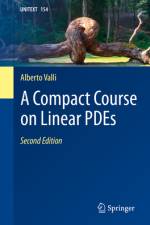
This textbook is devoted to second order linear partial differential equations. The focus is on variational formulations in Hilbert spaces. It contains elliptic equations, including the biharmonic problem, some useful notes on functional analysis, a brief presentation of Sobolev spaces and their properties, some basic results on Fredholm alternative and spectral theory, saddle point problems, parabolic and linear Navier-Stokes equations, and hyperbolic and Maxwell equations. Almost 80 exercises are added, and the complete solution of all of them is included. The work is mainly addressed to students in Mathematics, but also students in Engineering with a good mathematical background should be able to follow the theory presented here. This second edition has been enriched by some new sections and new exercises; in particular, three important equations are now included: the biharmonic equation, the linear Navier-Stokes equations and the Maxwell equations.
Climate protection and raw material change require new, sustainable carbon sources for the chemical and fuel industries. In fact, processes that recycle carbon-containing emission and gas streams industrially are reaching industrial practice. They will make an important contribution to reducing carbon emissions and moving towards a true carbon circular economy. This book describes the basics of chemical and biotechnological processes for converting CO and CO2 into chemicals and fuels. Furthermore, it addresses potentials for the manufacturing economy, industrial sites and regions and answers the following questions. Which emission and gas streams offer feedstock potential? What processes are already implemented, being tested and under development?What products can be made from gaseous carbon sources?How can carbon emitting and consuming industries be linked into new value chains?What is the regulatory framework?What does the ecological footprint look like?How do the new processes contribute to the regional economy and thus to social acceptance among consumers and among decision-makers in companies and politics?Providing companies with sustainable carbon sources is a central question of the circular economy, which must be answered with technical processes, new cross-sector value chains, adapted infrastructure and further developed framework conditions. This concerns scientists and decision-makers in companies alike. In this book, they as well as interested laymen will find a comprehensive overview of the state of the art in both, technology and research, and of the overriding issues involved in establishing CO2 and CO as feedstocks.
Now in its second edition, this edited book presents recent progress and techniques in partial least squares path modeling (PLS-PM), and provides a comprehensive overview of the current state-of-the-art in PLS-PM research. Like the previous edition, the book is divided into three parts: the first part emphasizes the basic concepts and extensions of the PLS-PM method; the second part discusses the methodological issues that have been the focus of recent developments, and the last part deals with real-world applications of the PLS-PM method in various disciplines.This new edition broadens the scope of the first edition and consists of entirely new original contributions, again written by expert authors in the field, on a wide range of topics, including: how to perform quantile composite path modeling with R; the rationale and justification for using PLS-PM in top-tier journals; psychometric properties of three weighting schemes and why PLS-PM is a better fit to mode B; a comprehensive review of PLS software; how to perform out-of-sample predictions with ordinal consistent partial least squares; multicollinearity issues in PLS-PM using ridge regression; theorizing and testing specific indirect effects in PLS and considering their effect size; how to run hierarchical models and available approaches; and how to apply necessary condition analysis (NCA) in PLS-PM.This book will appeal to researchers interested in the latest advances in PLS-PM as well as masters and Ph.D. students in a variety of disciplines who use PLS-PM methods. With clear guidelines on selecting and using PLS-PM, especially those related to composite models, readers will be brought up to date on recent debates in the field.
The authors examine identity strategies of middle-class couples who come under pressure of over-indebtedness. Based on biographical interviews collected in a qualitative panel study in three waves, they explore the question of how identity is worked on in the couple and how identity changes when social decline threatens. The theory-generating analysis brings out patterns of coping with over-indebtedness and self-placement described along the notions of 'continuity', 'modification' and 'moratorium'. Similarly, they explore how lifeworlds are constructed in and with over-indebtedness as a couple.This book is a translation of an original German edition. The translation was done with the help of artificial intelligence (machine translation by the service DeepL.com). A subsequent human revision was done primarily in terms of content, so that the book will read stylistically differently from a conventional translation.
1 Radiography of the Wrist and Hand.- 2 Conventional Arthrography.- 3 Computed Tomography.- 4 Ultrasound of the Hand.- 5 Magnetic Resonance Imaging.- 6 Dynamic Magnetic Resonance Imaging of the Hand and Wrist.- 7 Bone Scintigraphy.- 8 Normal Skeletal Development of the Hand.- 9 Congenital Defects, Malformation Syndromes and Skeletal Dysplasias.- 10 The Hand in Endocrine Disorders.- 11 Bone Densitometry and Osteoporosis at the Hand and Wrist.- 12 Degenerative Disease of the Hand and Wrist.- 13 Rheumatic Diseases.- 14 Bone and Soft Tissue Infections.- 15 Imaging of Soft Tissue Tumors of the Hand and Wrist.- 16 Primary Osseous Tumors of the Hand.- 17 Instability of the Wrist.- 18 Trauma of the Hand and Wrist.- 19 MR Imaging of Carpal Tunnel Syndrome.- 20 Angiography and Vascular Disorders of the Hand.- 21 Osteonecrosis of the Carpal Bones.- 22 Ungual and Subungual Disease.- List of Contributors.
Abonner på vårt nyhetsbrev og få rabatter og inspirasjon til din neste leseopplevelse.
Ved å abonnere godtar du vår personvernerklæring.