






Gjør som tusenvis av andre bokelskere
Abonner på vårt nyhetsbrev og få rabatter og inspirasjon til din neste leseopplevelse.
Ved å abonnere godtar du vår personvernerklæring.Du kan når som helst melde deg av våre nyhetsbrev.

This book contains the proceedings of the 19th Cologne-Twente Workshop on Graphs and Combinatorial Optimization, held during June 20-22, 2023, in Garmisch-Partenkirchen, Germany. This successful series of international workshops is known to attract high-quality research on the theory and application of discrete algorithms, graphs, and combinatorial optimization in a wide sense. The papers collected in this book represent cutting-edge research by leading researchers and attract a broad readership in academia worldwide. The book is addressed to researchers and advanced students, but also to professionals in industry concerned with algorithm design and optimization problems in different areas of application.
This second volume of highly topical two-volume set "The Investment Weapon" continues to present pioneering research for the purpose of developing a common analytical foundation and framework for the emerging interdisciplinary research field of investment control. This second volumes shifts the focus from the policy context to the legal and regulatory aspects of investment controls, specifically from an international, transnational, and comparative law perspective. The topics range from control of subsidized investments to non-national security related investment controls and alternatives to investment screening.
The book's primary objective is to introduce the pathology and physiology atherosclerosis in brief, and its diagnosis and treatment. Atherosclerosis is an inflammatory disease of the arterial wall. An advanced understanding of atherosclerosis shows that it leads to myocardial infarction and other cardiovascular diseases, taking 17 million people every year worldwide. The literature suggests that atherosclerosis is an ancient disease and is still a long-standing health problem globally. Hence early diagnosis and treatment of atherosclerosis are crucial to solving long-standing health issues.This book provides a systemic summary of recent literature focusing on disease pathology, advancement in diagnosis and therapies. Recently, nanoparticles performing dual roles as diagnostic and therapeutic agents have been keenly interested. However, the nanoparticle has yet to reach the clinic. Understanding the role of biomaterials in formulations and existing strategies is critical whendeveloping novel formulations and working on translation to clinical settings. The book provides a systematic biomaterial-based summary of the literature, methods used to formulate nanoparticles, and their scale-up potential. Another key objective of the book is to motivate the reader to conduct research on theranostic nanoparticles to treat atherosclerosis and put us one step closer to solving a long-standing health problem--atherosclerosis.The auto-summaries have been generated by a recursive clustering algorithm via the Dimensions Auto-summarizer by Digital Science handled by Subject Matter Experts and the external editor. The editor of this book selected which SN content should be auto-summarized and decided its order of appearance. Please be aware that the auto-summaries consist of original sentences, but are not representative of its original paper, since we do not show the full length of the publication. Please note that only published SN content is represented here, and that machine-generated books are still at an experimental stage.
This book provides a concise and practical guide for Non-Physician Anaesthesia Providers (NPAPs) such as nurse anaesthetists and Non-Specialist Physicians working in remote settings. In many hospitals in low and even in some middle-income countries, nurse anaesthetists are working without the presence of a specialist anaesthesiologist at their hospital. During their training on the job or at one of the few schools of anaesthesia they have to act as improvising do-it-yourself-teachers for one another. Later in their professional life, NPAPs are often organising their continuous medical education themselves, trying to provide short presentations on topics between attending to patients. This book fills the need for a quick- to-read guide for the everyday work of NPAPs and Non-specialist physician anaesthesia providers, addressing challenges such as electricity failure, lack of technical support, drugs and materials, equipment and support of specialist anaesthesiologists.Anaesthesia in Remote Hospitals: A Guide for Anaesthesia Providers covers the most important fields of anaesthesia in a typical district or referral hospital in a place where resources are limited. It provides many useful tables with doses of drugs, sizes of airway equipment, infusion rate, examples of observation charts and anaesthesia records. Nurse Anaesthetists, Clinical Officers and Resident Physicians will find this book to be an essential guide to Anaesthesia within low resource and remote settings.
This book approaches the field of contrastive linguistics from a comparative and robust perspective that combines the tenets of construction grammar and cognitive linguistics. In doing so, it shows how their integration can help to successfully enhance research on contrastivity, by means of updated theoretical frameworks and applied methodologies that combine language and thought. It compares ten different languages and offers analyses of constructions at all levels of the linguistic organization, identifying the cognitive motivations that instantiate the linguistic data retrieved from corpora. Relevant to both cognitive and non-cognitive linguists interested in variation and contrastive approaches, as well as graduate students in these areas, this book makes a significant contribution to existing work on the various types of constructional and discourse-based phenomena in modern languages.
This book brings together cross-disciplinary research on carbon capture, utilization, and storage (CCUS) to examine the impact of implementing CCUS tools and technologies on emissions reduction and sustainable development in cities and large metropolitan areas. An expert group of global contributors provides in-depth technical discussions, case studies, and examples with an emphasis on the worldwide application of the latest developments in technology, protocols, implementation, and application of CCUS in power and energy systems.Carbon Capture, Utilization, and Storage Technologies: Towards More Sustainable Cities is an essential multidisciplinary reference for researchers and industry practitioners from engineering, energy, computer science, data science, economics, and operational research working in the energy and environmental fields.
This book continues a series of Springer publications devoted to the emerging field of Integrated Artificial Intelligence and Machine Learning with Visual Knowledge Discovery and Visual Analytics that combine advances in both fields. Artificial Intelligence and Machine Learning face long-standing challenges of explainability and interpretability that underpin trust. Such attributes are fundamental to both decision-making and knowledge discovery. Models are approximations and, at best, interpretations of reality that are transposed to algorithmic form. A visual explanation paradigm is critically important to address such challenges, as current studies demonstrate in salience analysis in deep learning for images and texts. Visualization means are generally effective for discovering and explaining high-dimensional patterns in all high-dimensional data, while preserving data properties and relations in visualizations is challenging. Recent developments, such as in General Line Coordinates, open new opportunities to address such challenges.This book contains extended papers presented in 2021 and 2022 at the International Conference on Information Visualization (IV) on AI and Visual Analytics, with 18 chapters from international collaborators. The book builds on the previous volume, published in 2022 in the Studies in Computational Intelligence. The current book focuses on the following themes: knowledge discovery with lossless visualizations, AI/ML through visual knowledge discovery with visual analytics case studies application, and visual knowledge discovery in text mining and natural language processing. The intended audience for this collection includes but is not limited to developers of emerging AI/machine learning and visualization applications, scientists, practitioners, and research students. It has multiple examples of the current integration of AI/machine learning and visualization for visual knowledge discovery, visual analytics, and text and natural language processing. The book provides case examples for future directions in this domain. New researchers find inspiration to join the profession of the field of AI/machine learning through a visualization lens.
This open access book presents a rich set of innovative solutions for artificial intelligence (AI) in manufacturing. The various chapters of the book provide a broad coverage of AI systems for state of the art flexible production lines including both cyber-physical production systems (Industry 4.0) and emerging trustworthy and human-centered manufacturing systems (Industry 5.0). From a technology perspective, the book addresses a wide range of AI paradigms such as deep learning, reinforcement learning, active learning, agent-based systems, explainable AI, industrial robots, and AI-based digital twins. Emphasis is put on system architectures and technologies that foster human-AI collaboration based on trusted interactions between workers and AI systems. From a manufacturing applications perspective, the book illustrates the deployment of these AI paradigms in a variety of use cases spanning production planning, quality control, anomaly detection, metrology, workers' training, supply chain management, as well as various production optimization scenarios. This is an open access book.
This book provides a comprehensive introduction to Generative AI in terms of basic concepts, core technologies, technical architecture, and application scenarios. Readers gain a deeper understanding of the emerging discipline of Generative AI. This book covers the latest cutting-edge application technologies of Generative AI in various fields. It provides relevant practitioners with ideas to solve problems and deepen their understanding of Generative AI. At the same time, it guides and helps Generative AI and related industries to deepen their understanding of the industry and enhance professional knowledge and skills. Starting from reality, this book lists many cases and analyzes theories in a popular image. The book is useful for AI researchers and specifically for those working with the applications at hand (primarily medical imaging and construction/twinning industry). It covers a variety of cutting-edge technologies in Generative AI, which provides researchers with new research ideas.
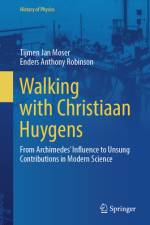
Dutch scientist Christiaan Huygens (1629-1695) left an indelible mark on the fields of mathematics, physics, astronomy, and geophysics. Despite his groundbreaking contributions, history has often overlooked his pivotal role. While two of the most famous achievements in physics are Newton's theory of gravity and Einstein's general theory of relativity, less well-known is that Huygens provided central elements to these theories. This book stands to correct that deficit. For example, we show how Huygens used symmetry arguments to derive conservation laws for momentum and for energy, and what Einstein later called the principle of equivalence to derive the formula for centrifugal force. In 1689, Huygens visited Newton. Together, they walked the streets of London. Newton had recently finished his masterpiece, Principia, expounding his laws of motion and the law of universal gravitation. Huygens had essentially completed his life's work by then, building on Archimedes, Leonardo da Vinci, Galileo, Descartes, Fermat, Pascal and his own ingenuity. He had established fame as an instrument maker (telescope, pendulum clock, planetarium). He had invented the 31 tone system. He had pioneered the first principles of remote sensing. He had discovered the rings of Saturn. He had formulated the wave theory of light. What would walking with Christiaan reveal? This book gives the result in nine chapters, namely: spontaneous order, the speed of light, Huygens' principle, the telescope, the pendulum clock, Huygens-Fresnel principle, special relativity, centrifugal force, and curvature. In addition, there is a chapter titled What Huygens could have written on diffraction, and a chapter titled Huygens and Geophysics. Mentally walking with Christiaan, browsing his collected works -- a true treasure trove for puzzle enthusiasts -- and rethinking his ideas creates a vivid impression of scientific life in the 17th century, an appreciation that it is remarkably similar to ours, and an understanding of Huygens' significant and lasting contributions to science.
This book embarks on a comprehensive exploration of the jurisdiction of the International Criminal Court (ICC) and elucidates the three foundational aspects of its jurisdiction as laid out in the Rome Statute: the preconditions for exercising jurisdiction (Article 12 ICCRSt), its substantive competence regarding core crimes (Articles 5-8bis ICCRSt), and the principle of complementarity (Article 17§1(a) ICCRSt).This principle, crucial to understanding the ICC's 'ultimate jurisdiction', is invoked only when a State Party demonstrates an inability or unwillingness to genuinely undertake investigation or prosecution. The book further probes the 'negative preconditions' of the Court's jurisdiction, in particular, immunities (Article 27 ICCRSt) and exceptions through Security Council referrals (Articles 13(b) and 15 ICCRSt).Intended for students, scholars, and practitioners alike, this second edition offers invaluable insights into the ICC's jurisdiction, making a notable contribution to the existing literature. Importantly, it also navigates emerging fields of international criminal law, addressing topical and thought-provoking subjects such as ecocide, cyber warfare, automated lethal weapons, artificial intelligence, and the legal complexities arising from the Russian invasion of Ukraine.
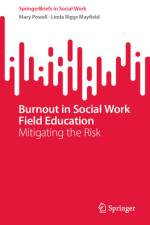
This book informs social work students about the context and potential for burnout in their field experience, their first work with clients, and equips them to recognize, prevent, and address it. With its emphasis on role ambiguity and self-care based on current research, the volume uniquely fills the gap in available texts and prepares them for successful professional practice with personal mental health. Job burnout and self-care have received attention in research and education in social work and other caring professions, but social work students must successfully complete managed learning assignments in the field before they can become social workers, and those experiences can put the student at risk for burnout. Until very recently, however, student burnout has been a 'silent' issue in the profession and the literature. With this compact book, readers learn the risks of burnout in field assignments for students and new professionals, the organizational andpersonal factors that contribute to it, appropriate self-care strategies to reduce its incidence, and effective coping strategies to limit its effect. Stakeholders gain understanding about burnout incidence, prevention, and self-care that prepares them to take appropriate preventive and prescriptive action. Burnout in Social Work Field Education: Mitigating the Risk is a timely and essential resource for social work instructors, students, field interns, instructors, and supervisors. It can serve as a supplementary text to aid students in understanding what factors will increase their risk of burnout and help them identify which coping strategies are most likely to be effective, based on research. It is a highly desirable complementary text for adoption in social work courses and in-service education in early social work practice. The book also should interest administrators in social service agencies and presenters of in-service education opportunities for social workers and social work educators.
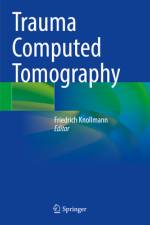
This book covers the use of computed tomography in trauma care. Over the last two decades, advancements in CT technology have significantly changed the technique and utilization patterns of computed tomography in trauma imaging. This book covers the entire spectrum of this application, structured by organ systems/body areas, corresponding to the subject structure and practice pattern of large academic radiology departments in the US. As a result, the reader benefits from the most advanced currently available sub-specialty expertise in the performance and interpretation of trauma CT studies. The book is intended to serve as an introduction to the subject as well as a reference to the trauma radiologist. Since current post graduate education in radiology does not offer any formally regulated fellowship training in this area, fellowship trained radiologists are typically not trained to cover the entire spectrum of trauma imaging that the practitioner may encounter when covering call assignments, especially outside of highly subspecialized academic medical centers. This book is intended to fill a need to provide subspecialized trauma CT training by integrating contributions from all involved radiology subspecialties in a single volume. This is an ideal guide for radiology residents, fellows, practicing radiologists, trauma surgeons, emergency medicine specialists, surgery residents and fellows, and interested medical students.
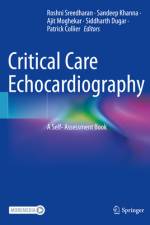
This book provides practice questions in a case-based format to prepare for the National Board of Echocardiography¿s examination to assess ¿Special Competence in Critical Care Echocardiography¿.Focused on the exam's core topics, this textbook caters to physicians who are preparing for the Critical Care Echocardiography board examination. Defining features of each chapter include case based scenarios with videos and supporting images, meaningful and relevant multiple-choice questions, key take-aways and a summary. This book is the product of a multidisciplinary collaboration between ICU physicians (Pulmonary, Internal Medicine and Anesthesiology), Cardiologists, and Anesthesiologists.This book meets the needs of physicians from various disciplines preparing for the critical care echocardiography board examination.
This book is composed of a selection of articles from the 11st World Conference on Information Systems and Technologies, held between 4 and 5 of April 2023, at Sant'Anna School of Advanced Studies, in Pisa, Italy. WorldCIST is a global forum for researchers and practitioners to present and discuss recent results and innovations, current trends, professional experiences, and challenges of modern Information Systems and Technologies research, together with their technological development and applications. The main and distinctive topics covered are: A) Information and Knowledge Management; B) Organizational Models and Information Systems; C) Software and Systems Modeling; D) Software Systems, Architectures, Applications, and Tools; E) Multimedia Systems and Applications; F) Computer Networks, Mobility, and Pervasive Systems; G) Intelligent and Decision Support Systems; H) Big Data Analytics and Applications; I) Human¿Computer Interaction; J) Ethics, Computers, and Security; K) Health Informatics; L) Information Technologies in Education; M) Information Technologies in Radiocommunications; and N) Technologies for Biomedical Applications.
This book is composed of a selection of articles from the 11st World Conference on Information Systems and Technologies, held between 4 and 5 of April 2023, at Sant'Anna School of Advanced Studies, in Pisa, Italy. WorldCIST is a global forum for researchers and practitioners to present and discuss recent results and innovations, current trends, professional experiences, and challenges of modern Information Systems and Technologies research, together with their technological development and applications. The main and distinctive topics covered are: A) Information and Knowledge Management; B) Organizational Models and Information Systems; C) Software and Systems Modeling; D) Software Systems, Architectures, Applications, and Tools; E) Multimedia Systems and Applications; F) Computer Networks, Mobility, and Pervasive Systems; G) Intelligent and Decision Support Systems; H) Big Data Analytics and Applications; I) Human¿Computer Interaction; J) Ethics, Computers, and Security; K) Health Informatics; L) Information Technologies in Education; M) Information Technologies in Radiocommunications; and N) Technologies for Biomedical Applications.
This book is composed of a selection of articles from the 11st World Conference on Information Systems and Technologies, held between 4 and 5 of April 2023, at Sant'Anna School of Advanced Studies, in Pisa, Italy. WorldCIST is a global forum for researchers and practitioners to present and discuss recent results and innovations, current trends, professional experiences, and challenges of modern Information Systems and Technologies research, together with their technological development and applications. The main and distinctive topics covered are: A) Information and Knowledge Management; B) Organizational Models and Information Systems; C) Software and Systems Modeling; D) Software Systems, Architectures, Applications, and Tools; E) Multimedia Systems and Applications; F) Computer Networks, Mobility, and Pervasive Systems; G) Intelligent and Decision Support Systems; H) Big Data Analytics and Applications; I) Human-Computer Interaction; J) Ethics, Computers, and Security; K) Health Informatics; L) Information Technologies in Education; M) Information Technologies in Radiocommunications; and N) Technologies for Biomedical Applications.
Pathology of the Achilles tendon is one of the most commonly written about topics in foot and ankle surgery, yet there is no clear consensus on the management of these injuries; in addition, pathologic aspects of the Achilles tendon are not well understood. This up-to-date resource addresses all aspects of Achilles tendon pathology, management, rehabilitation and complications, including novel aspects of Achilles tendon treatment as well as more detail on operative techniques for Achilles tendon surgery. Sensibly divided into four thematic sections, part I presents general considerations such as anatomy and pathology, the physical exam and imaging modalities, and patient-reported outcomes. The following sections describe current management strategies for acute and chronic injuries and complications, respectively. Both nonoperative and operative techniques are highlighted, from minimally invasive techniques to tendinoscopy and open debridementand biological augmentation. Generous intraoperative photos and figures enhance the presentation, and operative algorithms are clearly elucidated. Bringing together the latest in the diagnosis and management of these common injuries, The Achilles Tendon will be a valuable reference for orthopedic foot and ankle surgeons, sports medicine surgeons, podiatrists and fellows and residents in these areas.
This book focuses on devising a comprehensive protective mechanism for the right to privacy in Pakistan. It argues that the existing legal regime lacks an effective remedy for victims of privacy violations and emphasizes the need for comprehensive legislation to safeguard this crucial right. Pursuing a multidisciplinary approach, the book thoroughly explores the issue of media intrusions into people¿s privacy through thematic media content analysis and highlights the significant impacts of these intrusions on victims¿ lives.In the process, the book addresses various conceptual aspects, their relevance, and their implications for privacy-related disputes during adjudication. Recognizing that theoretical underpinnings alone may not be sufficient to create a legal regime ¿from scratch,¿ it explores the enforcement of the right to privacy under the European Convention on Human Rights (ECHR), as interpreted and enforced by the European Court of Human Rights (ECtHR).The book subsequently goes beyond exploring international law by analyzing the impact of media-and-privacy cases on privacy protection in two major member states: Germany (a civil law jurisdiction) and the United Kingdom (a common law jurisdiction). Drawing upon these conceptual and comparative legal deliberations and findings, the book provides concrete guidelines for a new privacy law in Pakistan.
during the different stages of dental implant placement
This new volume provides a scientifically based exploration of the multifaceted world of endogenous opioids, including endorphins, enkephalins, dynorphins, endomorphins, and orphanin FQ/nociceptin, featuring a strong translational focus. Topics covered range from basic scientific investigations, to clinical applications, to investigations in areas such as oncology, childbirth, and disordered eating, to psychosocial contexts such as volunteering and positive emotions. One of the main goals of Endogenous Opioids is to provide recommendations for new directions in medical research and health policy that are rooted in sound scientific research.
This book gives an account of the origins of theoretical mechanics in antiquity, its limited reception in the Arabic and Latin Middle Ages, and its recovery and subsequent development in Italy to the time of Galileo. From late antiquity to the fifteenth century, the ancient science of mechanics--the theory of machines--was almost completely unknown in the Latin west. Then, from the mid-fifteenth century on, Italian humanists began to recover the ancient texts, and from them through the sixteenth century Italian mathematicians restored the ancient science of mechanics. The Renaissance of Mechanics first examines the principal ancient works on mechanics--the Aristotelian Mechanical Problems, the mechanical geometry of Archimedes, and Hero's Mechanics--and then describes their limited reception in the Arabic world and their even more limited transmission to the medieval Latin west. It then traces their recovery in the fifthteenth century and their assimilation inthe sixteenth by Niccolò Tartaglia, Francesco Maurolico, and Guidobaldo dal Monte, culminating in Galileo's rediscovery of Hero's lost mechanical principles. The book ends with an examination of Galileo's mechanics and its relation to his new science of motion, and suggests how modern mechanics would emerge from these ancient roots. Detailed analyses of these works offer new insights and interpretations while remaining accessible to general historians. The Renaissance of Mechanics will be of especial interest to those working in the fields of renaissance humanism and the history of ancient, medieval, and renaissance science and mathematics.
This updated edition of the book provides radiation oncologists with a structured, state-of-the-art guide to target volume delineation for all major cancer types. It provides an overview of recent advances in radiation treatment techniques and multimodal imaging for radiation treatment planning. It also offers clear and structured guidelines for the contouring of target volumes and organs at risk, taking into account the available imaging modalities including PET/CT and multiparametric MR imaging. Each chapter addresses the target volume concepts of a particular tumor type and has been written by experts in the field. Covering all major tumor entities, the book provides practicing radiation oncologists with a guide to defining target volumes based on multimodal imaging.
This open access book (Volume 2) is part of the series "The Physics of Laser Plasmas and Applications." It serves as an introduction to the physics of compressible hydrodynamics, which is used to describe the temporal evolution of plasmas generated by intense laser irradiation of solid surfaces. For the benefit of students and young researchers, the book presents the fundamental equations and provides a comprehensible explanation of solutions to intricate fluid phenomena. It builds upon the concept of plasma generation through the heating of matter via the classical absorption of a laser, as expounded in Volume 1. The high-temperature plasma resulting from the laser interaction manifests in diverse hydrodynamic occurrences like shock waves and expansion waves. The initial sections of this book expound the essentials of compressible hydrodynamics, magnetohydrodynamics (MHD), and the physics of shock waves. The transfer of laser energy within an expanding plasma towards regions of higher density is achieved through electron and X-ray transport mechanisms. In both instances, conventional diffusion models prove inadequate, necessitating mathematical frameworks founded on the Boltzmann equation. The conveyed energy engenders ablation pressure, equivalent to tens of millions of atmospheres, on the solid surface. This pressure initiates powerful shock waves propagating through the solid material. The propagation of these shock waves is delineated for scenarios involving planar and spherical geometries. The text also introduces various solutions pertaining to convergent and divergent shocks in spherical geometries using self-similar models. The discourse then shifts towards ionization and related atomic processes, which govern the dynamics of plasmas created by laser irradiation of mid-Z and high-Z solids. The quantum mechanics of partially ionized atoms and their associated atomic processes are elucidated. Concluding the book is an exploration of the physics of warm dense matter (WDM) - an electron system characterized by quantum-mechanical, many-body interactions. The study of high-density plasmas featuring temperatures around 1 eV is undertaken through the lens of density functional theory (DFT). The theoretical breakdown of experimental data acquired via the X-ray free electron laser (X-FEL) is also provided. In essence, this second volume of the series amalgamates a comprehensive understanding of compressible hydrodynamics, shock wave physics, ionization processes, energy transfer, and the realm of warm dense matter. It equips readers to delve into the intricacies of plasma physics and laser interactions while utilizing modern theoretical frameworks and experimental methodologies.This is an open access book.
Energy-efficient technologies are necessary to lower the carbon footprint for a transition towards clean energy in a sustainable manner. This book examines what role fuels have in the transformation of end-use in buildings and industrial processes. Energy-efficient technologies are necessary to lower the carbon footprint for a transition towards clean energy in a sustainable manner. Efficient utilization of primary energy resources, including renewables, to support the current and future energy needs while targeting grid resiliency, energy, and environmental security at an affordable cost is of significant value. The author analyzes heat pumps, fuel-driven thermal providers, and power systems configurations and looks at the sensitivity of the electrical grid's carbon intensity and tariff towards carbon footprint and energy costs compared with fuel-driven technologies. The role of low-carbon, zero-carbon, and carbon-negative fuels, such as power-to-gas (P2G), power-to-liquid (PtL), hydrogen, and biogas, in conjunction with polygeneration technologies, are discussed. This book also examines two different scenarios focused on the sensitivity of the pace of decarbonization of the electrical grid and fuel supply on operational energy-related carbon emissions. Compares electricity versus fuel as a primary energy sourceExplores the role of fuels in the decarbonization journey Examines the value proposition of currently available energy solutions
This book provides a clear and concise understanding of the principles and applications of HVACR using a rigorous, yet, easy to follow presentation. The coverage is broad, including relevant support areas such as fluid mechanics, heat transfer, thermodynamics, psychrometrics, with specific applications to HVACR design and calculations, and main topics such as air conditioning processes, cooling / heating load calculations, refrigeration cycles, and HVACR equipment and systems. The book integrates and illustrates the use of data and information from ASHRAE Handbooks and Standards in step-by-step calculations of cooling and heating loads and other aspects of HVACR. Elucidation of the principles is further reinforced by examples and practice problems with detailed solutions. Firmly grounded in the fundamentals, the book maximizes readers¿ capacity to take on new problems and challenges in the field of HVACR with confidence and conviction. Providing a ready reference and review of essential principles and their applications in HVACR, the book is ideal for HVACR practitioners, undergraduate engineering students, and those specializing in HVACR, as well as for practicing engineers preparing for the engineering license exams (FE and PE) in USA and abroad. The book uses both Inch-Pound (I-P) and S I systems of units to facilitate global readership and use.
Integral and Inverse Reinforcement Learning for Optimal Control Systems and Games develops its specific learning techniques, motivated by application to autonomous driving and microgrid systems, with breadth and depth: integral reinforcement learning (RL) achieves model-free control without system estimation compared with system identification methods and their inevitable estimation errors; novel inverse RL methods fill a gap that will help them to attract readers interested in finding data-driven model-free solutions for inverse optimization and optimal control, imitation learning and autonomous driving among other areas. Graduate students will find that this book offers a thorough introduction to integral and inverse RL for feedback control related to optimal regulation and tracking, disturbance rejection, and multiplayer and multiagent systems. For researchers, it provides a combination of theoretical analysis, rigorous algorithms, and a wide-ranging selection of examples. The book equips practitioners working in various domains - aircraft, robotics, power systems, and communication networks among them - with theoretical insights valuable in tackling the real-world challenges they face.
This book gives evidence-based background information and advice to athletes and coaches on if and how data from wearable technologies can be applied for preparing individual training procedures to achieve improvement on aspects of performance and health.Sports practitioners frequently make decisions on long-term training planning and daily choices on different aspects of training, recovery and therapeutic procedures. Such decisions are essential to gain optimal performance enhancement, reduce likelihood of injuries and to reach peak performance. These decisions are complexed by the fact that there is no "blue-print" training procedure applicable to all athletes, and individual characteristics need to be considered to improve training procedures. With rapid technological advancements, data from Wearable Technologies is becoming increasingly available and potentially can aid athletes and coaches to individualize and optimize training procedures. Finally, the book explores if and how data can deliver actionable insights to inform long-term and day-to-day decision making to individualize training procedure.
Note to the interested reader to have a look at the companion to this volume Challenges for Sciences and Communication I ISBN: 978-3-031-28048-1.This highly interdisciplinary volume brings together a carefully curated set of case studies examining complex systems with multiple time scales (MTS) across a variety of fields: materials science, epidemiology, cell physiology, mathematics, climatology, energy transition planning, ecology, economics, sociology, history, and cultural studies. The book addresses the vast diversity of interacting processes underlying the behaviour of different complex systems, highlighting the multiplicity of characteristic time scales that are a common feature of many and showcases a rich variety of methodologies across disciplinary boundaries. Self-organizing, out-of-equilibrium, ever-evolving systems are ubiquitous in the natural and social world. Examples include the climate, ecosystems, living cells, epidemics, the human brain, and many socio-economic systems across history. Their dynamical behaviour poses great challenges in the pressing context of the climate crisis, since they may involve nonlinearities, feedback loops, and the emergence of spatial-temporal patterns, portrayed by resilience or instability, plasticity or rigidity; bifurcations, thresholds and tipping points; burst-in excitation or slow relaxation, and worlds of other asymptotic behaviour, hysteresis, and resistance to change. Chapters can be read individually by the reader with special interest in such behaviours of particular complex systems or in specific disciplinary perspectives. Read together, however, the case studies, opinion pieces, and meta-studies on MTS systems presented and analysed here combine to give the reader insights that are more than the sum of the book's individual chapters, as surprising similarities become apparent in seemingly disparate and unconnected systems. MTS systems call into question naïve perceptionsof time and complexity, moving beyond conventional ways of description, analysis, understanding, modelling, numerical prediction, and prescription of the world around us. This edited collection presents new ways of forecasting, introduces new means of control, and - perhaps as the most demanding task - it singles out a sustainable description of an MTS system under observation, offering a more nuanced interpretation of the floods of quantitative data and images made available by high- and low-frequency measurement tools in our unprecedented era of information flows.
This open access book addresses the idea that there are two ways to go about achieving a safe working environment. The text challenges the prevailing notion that compliance with a rule system, imposed from the top of an organization and designed to anticipate possible hazards in system operation, is really incompatible with the idea that the professional expertise of front-line workers is what promotes safe outcomes despite inevitable unanticipated perturbations. The contributors, drawn from academic and industrial backgrounds, demonstrate that rather than being at odds with each other, rules-compliance and proactivity are in fact complementary resources the coexistence of which increases safety. Furthermore, the implications of this approach extend beyond safety, being relevant to business performance, strategies for innovation and system resilience as well.The book steps back from an exclusive focus on front-line work to explore the way in which compliance and initiative are articulated at different levels within the hierarchy of a firm, right up to that of top management. Further, the contributors analyze the way in which safety authorities, the justice system, and the general public perceive and interpret such strategies, in particular in the aftermath of major events.This book deals with issues of interest to researchers and graduate students in safety science and organization studies and to members of expert bodies and experts in industry and consultancy concerned with similar subjects.
Abonner på vårt nyhetsbrev og få rabatter og inspirasjon til din neste leseopplevelse.
Ved å abonnere godtar du vår personvernerklæring.