













Gjør som tusenvis av andre bokelskere
Abonner på vårt nyhetsbrev og få rabatter og inspirasjon til din neste leseopplevelse.
Ved å abonnere godtar du vår personvernerklæring.Du kan når som helst melde deg av våre nyhetsbrev.

How can countries verify compliance with the Comprehensive Nuclear-Test-Ban Treaty (CTBT) and detect and deter violations? The treaty provides countries with two verification elements: an international system of monitoring stations, and an on-site inspection regime.
Circulation of blood is vital for the survival of vertebrates, including man. Mainly, it plays an important role in carrying food nutrients and oxygen to every tissue and organ and in removing all waste products and carbon dioxide. Any imbalance in the hemostatic and cardiovascular systems can lead to death and severe debility. A number of animals have developed mechanisms to target these systems and exploit the vulnerability. In some species (for example, snakes), such mechanisms are used to immobilize and kill the victim/prey, whereas in others (for example, insects, such as leaches, mosquitoes and ticks), they are used to provide a continuous supply of blood. These mechanisms include, but are not limited to, procoagulant and anticoagulant actions that affect the coagulation cascade and platelet aggregation, as well as altering vasodilatory responses. In all these various animals, these mechanisms have evolved to perfection over millions of years to support their survival. In last 3-4 decades, due to the efforts of scientists from various backgrounds including biology, protein chemistry, molecular biology, pharmacology, hematology, and structural biology, significant progress in understanding the structure-function relationships, as well as the mechanism of action have been made in a number of exogenous factors that affect blood coagulation, platelet aggregation and vasodilation from various animals. These exogenous factors have contributed significantly to the development of research tools as well as providing new therapeutic agents.With the increase average age of the population coupled with changes in life style in recent years, there has been a significant increase in cardiovascular and hematological disorders. Thus scientists in both academic institutions as well as the pharmaceutical industry are developing better therapeutic agents to improve the quality of life. This impetus has lead to the search for novel agents from various sources that interfere withcardiovascular and hematalogical processes.Although at first glance exogenous factors appear to function as ¿villains¿, several life-saving drugs have been developed based upon these factors. Such drugs or drug leads include those that inhibit the angiotensin converting enzymes (Captopril and Enalapril), that block platelet receptors (Eptifibatide and Tirofiban), or that digest thrombotic plugs (Alfimeprase and bat plasminogen activator) to name a few. Several new and exciting success stories are currently unfolding. In this book, recent studies on some of the exogenous factors that play crucial roles in cardiovascular and hematological disorders are reviewed in order to consolidate the efforts in this area of research and to recruit new, talented researchers. The 25-30 review chapters, each written by experts in their field, compiled herein are devoted to exogenous factors affecting platelet aggregation, anticoagulant and procoagulant proteins, fibrinolytic proteins and hypotensive agents (For details see, Contents of the Book).This book is intended to help to create elevated awareness and enthusiasm in the field of exogenous factors. I believe that this book will provide greater impetus to the search for novel proteins based on naturally occurring exogenous factors. This will be the first book dealing extensively with exogenous factors in the last 25 years. The book will provide a ready reference to the different approaches used to solve complex problems in protein chemistry and pharmacology of exogenous factors. The book will update our understanding of the structure-function relationships and mechanisms of action of exogenous factors and provide great insights into future directions for solving the remaining challenges.
The information on their carp species will be invaluable to those in other countries who will either take advantage of the productive carp species in aquaculture or try to manage them as invasive species outside China.
High loads with high dynamics in severe conditions can only be driven by fluid power mechanisms. In the case of rotating drives, the choice for an electrical drive is becoming more and more prevalent. Linear drives remain important, because of the large forces and highly dynamic behaviour in the domain of hydraulic drive technology.
nosis, therapy, and prognosis of ovar- Their practical experience highlights their ian cancer, renal cancer, urinary bladder writings, which should build and further cancer, and cervical uterine cancer, while the endeavors of the readers in this imp- the already published Volumes 1-5 detail tant area of disease.
These molecules were formed by the passage of 3 lightning through the air, created by splitting the abundant molecular oxygen (O ) 2 molecules into two, followed by the addition of each of the free O atoms to another O to form the triatomic product.
The major challenges of the 21st century faced by human beings are how to achieve water security, food security, energy security and environmental security.
As climate change takes hold, there is an ever-growing need to develop and apply strategies that optimize the use of natural resources, both on land and in water.
The critical difference between these exercises and a monitoring project is that a monitoring project will clearly identify when we need to make a management response. A Model for Conservation Management and Monitoring Monitoring (as defined by Hellawell) is essentially a tool of practical conservation management, and Fig.
and class Liliopsida (or Monocotyledons) includes 4 subclasses, 31 orders, 120 families, more than 3,000 genera, and about 65,000 species.This book contains a detailed description of plant orders, and descriptive keys to plant families providing characteristic features of the families and their differences.
This fourth volume in the series Methods of Cancer Diagnosis, Therapy and Prognosis discusses various methodologies for the diagnosis, therapy and prognosis of Colorectal Cancer. Both standard and emerging therapies for this cancer, written by expert oncologists/pathologists in this field, are included. This fully illustrated volume: * Presents surgical, radiological, and molecular therapies and prognostic markers for colorectal cancer. * Highlights a large number of methods for diagnosing colorectal cancer at various stages of development, including immunohistochemistry, in situ hybridization immunoscintigraphy, RT- PCR, free circulating DNA levels in blood and stool, ultrasonography, CT, PET, and MRI. * Includes imaging technologies for assessing treatment results, and details related to colonoscopy and sigmoidoscopy. * Explains the use of anticancer agents and monoclonal antibodies, including 5-fluorouracil, fluoropyrimidines, leucovorin, irinotecan, oxaliplatin, raltitrexed, capecitabine, cetuximab, and bevacizumab. * Compares preoperative chemoradiotherapy with postoperative chemoradiotherpy. The technological advances presented in this volume are expected to expedite new discoveries and their translation to clinical practice. The field of oncology will benefit the most from these advanced methods, as a combination of therapies and personalized medicine will improve early detection of colorectal cancer and other cancer types. Professor Hayat has summarized the problems associated with the complexities of research publications and has been successful in editing a must-read volume for oncologists, cancer researchers, medical teachers and students of cancer biology.
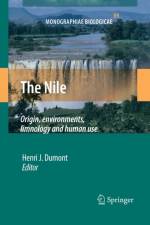
What have we learnt about the Nile since the mid-1970s, the moment when Julian Rzoska decided that the time had come to publish a comprehensive volume about the biology, and the geological and cultural history of that great river?
This book is a critical assessment of the knowledge base on educational effectiveness, covering a period of five decades of research. The book presents a systemic outlook on educational effectiveness and improvement, as it starts out from an integrated multi-level model that comprises system level, school level and instructional conditions.
This collection focuses on recent advances in laboratory and field testing of unsaturated soils. Leading researchers from fourteen countries to represent global research in the area of experimental unsaturated soil mechanics have been invited to contribute to this book. Twelve reports are presented dealing with measurement and control of suction and water content, mechanical, hydraulic, and geo-environmental testing, microstructure investigation, and applications of unsaturated soil monitoring to engineering behaviour of geo-structures. The main motivation behind this book is the rapid growth of experimental unsaturated soil mechanics over the last couple of decades. Several innovative laboratory and field techniques have been introduced in mechanical, hydraulic, and geo-environmental testing. However, this information is widely dispersed in journals and conference proceedings and researchers and engineers beginning to work in the field of unsaturated soil mechanics may find it difficult to identify suitable equipment and instrumentation for research or professional purposes. Audience : This volume aims at providing scientists and practitioners with a comprehensive overview of experimental unsaturated soil mechanics.
It is not only an overview of current and future research directions in statistical mechanics, but also relates this subject with other branches of contemporary physics and mathematics.All papers in this collection bear Jurg Froehlich's signature in terms of a delicate balance between mathematical rigor and physical significance.
The Atlas of Seeds and Fruits of Central and East-European Flora presents nearly 4,800 seed illustrations, supplemented with detailed seed descriptions, brief plant descriptions, and information on the locality and the native source of plants.
This book, written by specialists from Canada, India, Italy, Palestine, Peru, Spain and the Netherlands, is a guide to establishing a city on a sustainable path. It addresses sustainable urban planning issues by breaking the city down to its components.
This fascinating book will be of as much interest to engineers as to art historians, examining as it does the evolution of machine design methodology from the Renaissance to the Age of Machines in the 19th century.
The book contains 40 articles written by forward-thinking speakers who presented their findings at the "Communicating European Research 2005" event which was organised by the European Commission in Brussels on 14-15 November 2005.
The author is to be congratulated on her efforts and perseverance in undertaking this research, and Springer for making the material available in this book format. I commend the information to all who live close to or around the Becher Point wetlands and the whole study as a model for wetland science globally. Peter Bridgewater Secretary General Ramsar Convention, Gland, Switzerland December 2005. ACKNOWLEDGEMENTS In a piece of work with wide ranging subject matter and extensive duration, such as this, there are many people to acknowledge and to thank for their contribution and perseverance. Many people followed through to completion tasks which incorporated several stages and several years. They expressed a real commitment to the project and a love for the wetlands in the area. It has been uplifting to work in their company. Together, we have amassed a repertoire of stories that are funny, disappointing, bizarre, dangerous and inspirational. I wish to begin by thanking the many peoplewho assisted with fieldwork because this is where the story really started. They are: Ben Asper, Derek Bazen, Theo Bazen, Anthony Bougher, Gary Dietrich, Martine Desbureaux, Toby Nisbet, Kaylene Parker, Julie Pech, Karen Semeniuk, Trudi Semeniuk, Tony Smith, and Joy Unno. Regional surveying of sites was carried out by Ric Stephenson. The people who assisted in preparing samples for laboratory analyses were Penny Clifford, Toby Nisbet, and Joy Unno. The people responsible for final electronic drafting of the diagrams were Craig Miskell, Vic Semeniuk and Glynn Kernick.
The investigation of multiscale problems in multibody system contacts is an interesting and timely topic which has been the subject of intensive research. This proceedings volume summarizes contributions of many authors active in the field and gives insight in very different areas of this fascinating research.
This book provides a theoretical and observational overview of the state of the art of gamma-ray astrophysics, and their impact and connection with the physics of cosmic rays and neutrinos.
The 19th ESACT meeting was to highlight the novel capabilities of the industry to move the products towards the clinic. It was attended by a wide range of workers in the industry and for many it was their first ESACT meeting.
Some forms of cancer biotherapy use the strategy of tumor stabilization and control through continued biological therapy, akin to the use of insulin in the treatment of diabetes.This textbook illustrates new methods of thinking and new strategies for control of cancer.
This book explores the theory of ecogeomorphic pattern-process linkages, using case studies from Europe, Africa, Australia and North America. Sets forth a research agenda for the emerging field of ecogeomorphology in drylands land-degradation studies.
"Molecular Gels: Materials with Self-Assembled Fibrillar Networks" is a comprehensive treatise on gelators, especially low molecular-mass gelators and the properties of their gels.
Abonner på vårt nyhetsbrev og få rabatter og inspirasjon til din neste leseopplevelse.
Ved å abonnere godtar du vår personvernerklæring.