

















Gjør som tusenvis av andre bokelskere
Abonner på vårt nyhetsbrev og få rabatter og inspirasjon til din neste leseopplevelse.
Ved å abonnere godtar du vår personvernerklæring.Du kan når som helst melde deg av våre nyhetsbrev.

This book traces the diffusion trajectory of the second and third generation of British steam engines, the Watt and high-pressure models, covering the period 1774 to 1870. It begins by subjecting to econometric analysis the latest version of Dr. Kanefsky's database on 18th century steam engines coming up with an upward revision of the total amount of horsepower installed by 1800. Subsequent chapters delve into the determinants of the diffusion process through the third quarter of the 19th century relating to engines used both in mining and industry as well as transportation (railways, steam cars). The book's main contribution to the literature lies in drawing material from a very large volume of 18th- and 19th-century sources found in the Dibner Library of Rare Books, Smithsonian, and by utilizing a fair amount of technical literature pertaining to the economic factors driving the diffusion process. This great expansion of the empirical material has led to bringing multiple revisions to the work of other authors on the key aspects and determinants of the diffusion process. In conjunction with the publication by the author of an earlier monograph on the first generation of steam engines, the Newcomen model, the present study completes the task of offering the most comprehensive account of the preeminent and most strategic technology of the British Industrial Revolution. This book will appeal to students, scholars, and researchers of economic history and history of technology, interested in a better understanding of the industrial revolution in general and the role of British steam engines in particular.
Artificial intelligence (AI) has a huge impact on science and technology, including energy, where access to resources has been a source of geopolitical conflicts. AI can predict the demand and supply of renewable energy, optimize efficiency in energy systems, and improve the management of natural energy resources, among other things. This book explores the use of AI tools for improving the management of energy systems and providing sustainability with smart cities, smart facilities, smart buildings, smart transportation, and smart houses. Featuring research from International Federation for Information Processing's (IFIP) "AI in Energy and Sustainability" working group, this book provides new models and algorithms for AI applications in energy and sustainability fields. Any short-term, mid-term and long-term forecasting, optimization models, trend foresights and prescriptions based on scenarios are studied in the energy world and the smart systems for sustainability. The contents of this book are valuable for energy researchers, academics, scholars, practitioners and policy makers.
Audiologie - Otologie.- Kritisches zur Begutachtung der Lärmschwerhörigkeit.- Störungen der auditiven Wahrnehmung - Diagnostische Möglichkeiten.- Rhinologie.- Aerodynamik der Nase - Physiologie und Pathophysiologie.- Hals.- Tonsillektomie - Indikationen und Ausführung heute.- Sonographische Untersuchung der Schilddrüse.- Allgemeine Themen.- Das atopische Kind vom Säuglings- bis Adoleszentenalter - Ãtiopathogenese, Klinik, Diagnostik, Therapie.- Autoimmunkrankheiten im HNO-Bereich.- Hyperbare Sauerstofftherapie bei HNO-Erkrankungen.- Die fronto- und laterobasale Duraläsion - Symptomatik - Diagnostik - Therapie.- Fragensammlung zur Selbstkontrolle.- Antworten zur Fragensammlung.
This book offers the concepts of quantitative MRI for kidney imaging. Kidney MRI holds incredible promise for making a quantum leap in improving diagnosis and care of patients with a multitude of diseases, by moving beyond the limitations and restrictions of current routine clinical practice. Clinical kidney MRI is advancing with ever increasing rapidity, and yet, it is still not good enough. Several roadblocks still slow the pace of progress, particularly inefficient education of renal MR researchers, and lack of harmonization of approaches that limits the sharing of results among multiple research groups.With the help of this book, we aim to address these limitations, by providing a comprehensive collection of more chapters on MRI methods that serve as a foundational resource for clinical kidney MRI studies. This includes chapters describing the fundamental principles underlying a variety of kidney MRI methods, step-by-step protocols for executing kidney MRI studies, and detailed guides for post-processing and data analysis. This collection serves as a crucial part of a roadmap towards conducting kidney MRI studies in a robust and reproducible way, that promotes the standardization and sharing of data, and ultimately, clinical translation.Chapters are divided into three parts: MRI physics and acquisition protocols, post-processing and data analysis methods, and clinical applications. The first section includes MRI physics background and describe a detailed step by step MRI acquisition protocol. If a clinician would like to perform a renal MRI ¿ this would include the parameters to set up the acquisition on the scanner. By this section, the reader should have the details to be able to successfully collect human renal MR images. In the second section, expert authors describe methods on how to post-process and analyze the data. By this section, the reader should have the details to be able to successfully generate quantitative data from the human renal MR images. In the final section, chapters show clinical examples of various methods. Authors share examples of multi-parametric renal MRI that are being used in clinical practice.This is an ideal guide for clinicians from radiology, nephrology, physiology, clinical scientists, and as well as basic scientists and experts in imaging sciences and physics of kidney MRI. It also provides an opportunity to students, trainees, and post-doctoral fellows to learn about these kidney MRI techniques.
This book demonstrates how to transform pricing, often considered the neglected aspect of marketing, into the most influential marketing tool that positively impacts the company's profits in a sustainable manner. Ultimately, every aspect of marketing is reflected in the price, as it represents the customer's value exchange for the other three value-creating marketing instruments: the product (functional value), communication (emotional value), and distribution (availability). The authors present the essential framework conditions and fundamental principles of active price management. They specifically emphasize those aspects that have proven particularly relevant to business practice through the Executive Education program at the University of St. Gallen (HSG).
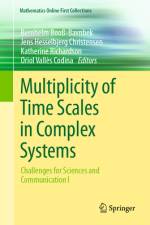
This highly interdisciplinary volume brings together a carefully curated set of case studies examining complex systems with multiple time scales (MTS) across a variety of fields: materials science, epidemiology, cell physiology, mathematics, climatology, energy transition planning, ecology, economics, sociology, history, and cultural studies. The book addresses the vast diversity of interacting processes underlying the behaviour of different complex systems, highlighting the multiplicity of characteristic time scales that are a common feature of many and showcases a rich variety of methodologies across disciplinary boundaries. Self-organizing, out-of-equilibrium, ever-evolving systems are ubiquitous in the natural and social world. Examples include the climate, ecosystems, living cells, epidemics, the human brain, and many socio-economic systems across history. Their dynamical behaviour poses great challenges in the pressing context of the climate crisis, since they may involve nonlinearities, feedback loops, and the emergence of spatial-temporal patterns, portrayed by resilience or instability, plasticity or rigidity; bifurcations, thresholds and tipping points; burst-in excitation or slow relaxation, and worlds of other asymptotic behaviour, hysteresis, and resistance to change. Chapters can be read individually by the reader with special interest in such behaviours of particular complex systems or in specific disciplinary perspectives. Read together, however, the case studies, opinion pieces, and meta-studies on MTS systems presented and analysed here combine to give the reader insights that are more than the sum of the book's individual chapters, as surprising similarities become apparent in seemingly disparate and unconnected systems. MTS systems call into question naïve perceptions of time and complexity, moving beyond conventional ways of description, analysis, understanding, modelling, numerical prediction, and prescription of the worldaround us. This edited collection presents new ways of forecasting, introduces new means of control, and - perhaps as the most demanding task - it singles out a sustainable description of an MTS system under observation, offering a more nuanced interpretation of the floods of quantitative data and images made available by high- and low-frequency measurement tools in our unprecedented era of information flows.
This book provides valuable tools for the appropriate diagnosis and management of Lyme carditis. It includes epidemiological, pathophysiological and clinical recommendations for the identification, confirmation and management of the disease. With one score that currently facilitates diagnosing Lyme carditis when patients present with undiagnosed complete heart block (the ¿SILC Score¿), a rapid recognition of Lyme carditis as the cause of conduction disorders is essential to allow early treatment with IV antibiotics with a high probability of complete resolution and avoiding unnecessary pacemaker implantation. Lyme carditis: From A to Z provides a clinical algorithm to facilitate management, pre-discharge evaluations of the conduction system and long-term follow-up of patients properly treated for Lyme carditis. It provides a proven approach to patients implanted with cardiac devices and in whom Lyme carditis is subsequently diagnosed, while it also explores the possibility of Lyme dilated cardiomyopathy as a chronic manifestation of Lyme disease. This book therefore represents an original and unique resource that sheds light on an important topic of discussion in many endemic regions of the world.
1. Einleitung 2. 2.1. Der Stand der anatomischen Wissenschaft an der Schwelle zum 16. Jahrhundert 2.2.1 Biographie 2.2.2. Leonardos urologisch-anatomische Zeichnungen 3. Das 16. Jahrhundert 3.1 Andreas Vesal 3.1.1. Biographie 3.1.2. Vesals Abb. zum Urogenitalsystem 3.1.3. Vesals Konsil über die Behandlung einer Nierensteinerkrankung 3.2 Charles Estienne 3.2.1. Charles Estienne - Biographie 3.2.2. Die Darstellung des Urogenitaltraktes bei Charles Estienne und Estienne la Rivière 3.3 Bartholomaeus Eustachi 3.3.1 Biographie 3.3.2 Eustachis urologisch-anatomische Graphik 4. Das 17. Jahrhundert 4.1 Regnier de Graaf 4.1.1 Biographie 4.1.2 De Graafs urologisch-anatomische Abbildungen 4.2 Godefridus Bidloo 4.2.1 Biographie 4.2.2 Bidloos urologisch-anatomische Abbildungen von 1685 5. Das 18. Jahrhundert 5.1. Giovanni Domenico Santorini 5.1.1. Biographie 5.1.2. Santorinis Darstellungen zum Plexus venosus vesicoprostaticus 5.2. William Cheselden 5.2.1. Biographie 5.2.2. Cheseldens Darstellungen zum Urogenitaltrakt 5.3. Weitere urologisch-anatomische Abbildungen aus dem 18. Jahrhundert 5.3.1. Urologisch-anatomische Buntkupferdrucke 6. Das 19. Jahrhundert 6.1. Justus Christian Loder 6.1.1. Biographie 6.1.2. Loders Darstellungen zum Urogenitaltrakt 6.2. Antonio Scarpa 6.2.1. Biographie 6.2.2. Scarpas Darstellungen zum männlichen Urogenitaltrakt 6.3. Martin Münz 6.3.1 Biographie 6.3.2. Die Lithographischen Darstellungen von Martin Münz zumUrogenitaltrakt 6.4. Marc Jean Bourgery 6.4.1. Biographie 6.4.2. Farblithographische Darstellungen des Urogenitaltraktes im Atlas von Marc Jean Bourgery 7. Die Urologie an der Schwelle zum 20. Jahrhundert 7.1. Gustav Simon 7.1.1. Biographie 7.1.2. Die erste wissenschaftlich geplante Exstirpation einer Niere durch Gustav Simon 7.2. Henry Morris 7.2.1. Biographie 7.2.2. Die erste operative Entfernung einer Nebenniere aufgrund eines Tumorleidens durch Henry Morris 1885 7.3. Bernhard Bardenheuer 7.3.1. Biographie 7.3.2. Die erste totale Blasenexstirpation aufgrund eines Tumorleidens ohne Harnleiterneuimplantation durch Bernhard Bardenheuer 1887 7.4. Karl Pawlik 7.4.1 Biographie 7.4.2. Die erste totale Blasenexstirpation mit Harnleiterneueinpflanzung bei einer Frau durch Karl Pawlik 1889 7.5. Hugh Hampton Young 7.5.1 Biographie 7.5.2. Die erste perineale radikale Prostatavesikulektomie aufgrund eines Proststakarzinoms durch H. H.Young 1904 7.6. Friedrich Voelcker 7.6.1 Biographie 7.6.2. Die Erstbeschreibung der totalen Samenblasenexstirpation auf ischiorektalem Weg durch Friedrich Voelcker 1912 8. Schlussbetrachtung
Now available in Open Access, this best-selling textbook for a second course in linear algebra is aimed at undergraduate math majors and graduate students. The fourth edition gives an expanded treatment of the singular value decomposition and its consequences. It includes a new chapter on multilinear algebra, treating bilinear forms, quadratic forms, tensor products, and an approach to determinants via alternating multilinear forms. This new edition also increases the use of the minimal polynomial to provide cleaner proofs of multiple results. Also, over 250 new exercises have been added.The novel approach taken here banishes determinants to the end of the book. The text focuses on the central goal of linear algebra: understanding the structure of linear operators on finite-dimensional vector spaces. The author has taken unusual care to motivate concepts and simplify proofs. A variety of interesting exercises in each chapter helps students understand and manipulate the objects of linear algebra. Beautiful formatting creates pages with an unusually student-friendly appearance in both print and electronic versions. No prerequisites are assumed other than the usual demand for suitable mathematical maturity. The text starts by discussing vector spaces, linear independence, span, basis, and dimension. The book then deals with linear maps, eigenvalues, and eigenvectors. Inner-product spaces are introduced, leading to the finite-dimensional spectral theorem and its consequences. Generalized eigenvectors are then used to provide insight into the structure of a linear operator.From the reviews of previous editions: Altogether, the text is a didactic masterpiece. -- zbMATHThe determinant-free proofs are elegant and intuitive. -- American Mathematical MonthlyThe most original linear algebra book to appear in years, it certainly belongs in every undergraduate library -- CHOICE
Comprehensive coverage of matrix algebra for data science and statistical theory Over 100 pages of additional material and 30 extra exercises in the new edition Even clearer text and more comprehensive coverage
Currently, relativistic quantum mechanics is considered an advanced topic only accessible to students who have already received considerable training in non-relativistic quantum mechanics. However, the authors believe that they have found an excellent pedagogic approach for simultaneously introducing both topics. This book is considered an Introductory Quantum Mechanics textbook that presents relativistic quantum mechanics to interested learners with no previous knowledge of it. The authors avoid utilization of the well-known Lorentz invariant equations. Additionally, they only refer to the Klein-Gordon and Dirac equations to justify the use of the Poveda-Poirier-Grave de Peralta (PPGP) equations, upon which this book is solely based (while sporadically referring to well-known results obtained using the Klein-Gordon and Dirac equations to avoid unnecessary complications in an introductory book). There also exist two complementary Schrödinger-like and Pauli-like PPGP equations, the solutions of which are identical to the respective solutions of the Klein-Gordon and Dirac equations associated with negative kinetic energies. These equations' relation to the existence of antiparticles is discussed. The intended readership is undergraduate physics, chemistry, and engineering students with no previous knowledge of quantum mechanics, as well as graduate students and professionals interested in the subject.
This Handbook offers a broad yet unified treatment of many philosophical issues connected with climate change, ranging from foundational puzzles to detailed applications. It extends to many branches of philosophy that are relevant to the understanding of the premises and implications of the impacts of climate change on human and nonhuman life on Earth. More specifically, the handbook examines the scientific accounts of climate change as well as its causes. It explores the tools offered by social sciences and humanities to study the societal premises and impacts of climate change as well as delving deeper into the ethical and political issues connected with and resulting from climate change. By doing so, it puts it all in an ecological and historical context. In addition, the book offers solutions to some important philosophical puzzles and problems, and indicates paths of interaction between philosophy and other disciplines. The discussion about climate change and the mitigation/adaptation policies spans many areas and levels - from abstract science and philosophy to current on-the-ground politics. However, climate change is also a great a philosophical puzzle. Indeed, its existential and practical relevance can be thought to largely derive from the philosophical complications it engenders. Climate change is applied philosophy par excellence. Preventing dangerous anthropogenic climate change needs very good philosophy applied to concrete and specific practical issues. Climate change is an area where scholars from very different provenances should cooperate on equal terms, having in view a common, and really important, purpose - contribute to preventing great burdens and even the extinction of humankind and the destruction of hospitable and valuable non-human nature.
A new field of research in family sociology is being opened upRenowned family and organizational/corporate sociologists reflect on the entrepreneurial familyiv> Members of entrepreneurial families as well as consultants receive stimulating basics on a high socio-scientific level.
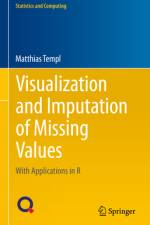
This book explores visualization and imputation techniques for missing values and presents practical applications using the statistical software R. It explains the concepts of common imputation methods with a focus on visualization, description of data problems and practical solutions using R, including modern methods of robust imputation, imputation based on deep learning and imputation for complex data. By describing the advantages, disadvantages and pitfalls of each method, the book presents a clear picture of which imputation methods are applicable given a specific data set at hand.The material covered includes the pre-analysis of data, visualization of missing values in incomplete data, single and multiple imputation, deductive imputation and outlier replacement, model-based methods including methods based on robust estimates, non-linear methods such as tree-based and deep learning methods, imputation of compositional data, imputation quality evaluation from visual diagnostics to precision measures, coverage rates and prediction performance and a description of different model- and design-based simulation designs for the evaluation. The book also features a topic-focused introduction to R and R code is provided in each chapter to explain the practical application of the described methodology. Addressed to researchers, practitioners and students who work with incomplete data, the book offers an introduction to the subject as well as a discussion of recent developments in the field. It is suitable for beginners to the topic and advanced readers alike.
I. Kapitel: Hilfsmittel der praktischen Mathematik.- II. Kapitel: Numerische Methoden zur Lösung von Gleichungen.- III. Kapitel: Lineare Gleichunqssysteme.- IV. Kapitel: Eigenwertaufgaben bei Matrizen.- Stichwortverzeichnis.
This book is a compilation of enlightening tutorial essays, showcasing the forefront of research by exceptional female scientists. This invaluable collection provides graduate students and researchers in the field with an engaging and pedagogical introduction to a wide range of compelling topics. Delve into the depths of theoretical and observational realms, exploring intriguing subjects including modified gravity models, quantum gravity, fields in curved space-time, particle dynamics, gravitational waves, and enigmatic black holes. Embracing both the theoretical foundations and the practical applications, this comprehensive edited volume offers an accessible and all-encompassing panorama of gravity and cosmology. Moreover, it shines a much-needed spotlight on the significant contributions made by remarkable women across the globe, fostering recognition and admiration for their indispensable role in shaping this ever-evolving field.
Ãbersicht.- A. Staats- und Verwaltungsrecht.- B. Finanzrecht.- C. Justizrecht.- D. Verschiedenes.
This book provides multidisciplinary approaches to smart and sustainable urban ecosystems. Urbanization is a global tendency, and up to 70% of the world population is projected to live in cities by 2050. How will this rapid urbanization alter the face of the world? What are the environmental consequences of megacities¿ expansion? What are smart solutions to make life in cities safe, comfortable, and environmentally friendly? These and other important questions are addressed by the conference Smart and Sustainable Cities (SSC). This year¿s theme for the conference will be « Sustainable urban ecosystems: challenges and solutions». Megapolises are complex ecosystems. Air and water quality, vegetation, and soils in megapolises are exposed to anthropogenic influence. Studying negative environmental consequences of the anthropogenic and technogenic pressures is among the key tasks of urban ecology and environmental impact assessment. Advanced approaches and smart technologies to monitor, model, and assess environmental consequences and risks in megapolises will be widely discussed at the conference. Searching for solutions of the environmental problems of modern megapolises will be the key point of the conference. Successful experiences of sustainable urban development and nature-based solutions to support climate adaptation, carbon neutrality, and human health will be presented in the conference proceedings.
In recent years, the focus of obesity prevention has been on diet. However, diet is only one of many factors which play a role in the development of obesity. This book looks at these factors and the latest research on how they contribute to the development of obesity, and the many different methods that have been and are being used to treat and prevent obesity.Written in an accessible language, this book provides the latest and most up to date information on research into the causes, health consequences and treatment of obesity. It educates and advocates for healthier lifestyles, a better understanding of diets and weight loss programs, and associated chronic diseases. It is written for everyone interested in obesity and enables the reader to take informed action to reduce the likelihood of putting on weight and the risk of developing chronic illnesses.
Erster Teil. Allgemeine Ãtiologie.- A. Unbelebte äuÃere Krankheitsursachen.- B. Belebte äuÃere Krankheitsursachen (Parasiten).- C. Innere Krankheitsbedingungen (bzw. Ursachen).- Zweiter Teil. Allgemeine pathologische Anatomie.- A. Störungen der Entwicklung (MiÃbildungen).- B. Ãrtliche Störungen des Kreislaufs.- C. Krankhafte Veränderungen der Zellen und Gewebe.- D. Die Wiederherstellung der geschädigten Gewebe. Die Heilung der Krankheiten.- E. Die Entzündung.- F. Infektionserreger, Infektionskrankheiten, Granulome.- G. Geschwülste (Allgemeines).- H. Arten der Geschwülste;.- Dritter Teil. Spezielle pathologische Anatomie.- A. Kreislauforgane.- B. Blut und blutbildende Gewebe.- C. Drüsen mit innerer Sekretion.- D. Nervensystem.- E. Verdauungsorgane.- F. Atmungsorgane.- G. Harnorgane.- H. Männliche Geschlechtsorgane.- J. Weibliche Geschlechtsorgane.- K. Bewegungsorgane.- L. Haut und Hautdrüsen.
The experimental study of market behavior.- Concurrent trading in two experimental markets with demand interdependence.- Some factors affecting demand withholding in posted-offer markets.- Firm-specific cost savings and market power.- An experimental comparison of two search models.- Intertemporal pricing in laboratory posted offer markets with differential information.- Dividend timing and behavior in laboratory asset markets.- Bidding up, buying out and cooling-off: an examination of auctions with withdrawal rights.- Markets for contracts: experiments exploring the compatibility of games and markets for games.- An experimental study of coordination and learning in iterated two-market entry games.- Experience-weighted attraction learning in sender-receiver signaling games.- Theoretically robust but empirically invalid? An experimental investigation into tax equivalence.
The rapidly increased understanding of the molecular background of complex diseases facilitated the development of highly advanced therapeutic concepts. Such concepts aiming to consider individual signatures of genomic and proteomic biomarkers including pharmacogenomics as well as advanced diagnostic tools have been successfully implemented in clinical practice in various fields leading to significant improvement of treatment successes. This volume gives an up-to-date overview on applications of precision medicine in various clinical entities, on advanced techniques as well as on economic considerations.
Phases and Phase Changes of Small Systems.- Physics of Clusters and Cluster Assemblies.- Structures, Vibrational Frequency Shifts and Photodissociation Dynamics of ArnHF van der Waals Clusters.- Rearrangements of Water Dimer and Hexamer.- Fullerene Collisions.- Predicting the Properties of Semiconductor Clusters.- Structure, Reactivity and Dynamics of Atomic and Molecular Clusters Using Density Functional Theory (DFT) and Other Tools.- Ultrafast Structural Response and Nonlinear Fragmentation Dynamics &of Small Clusters Induced by Optical Excitation.- Electron Dynamics in Metal Clusters.- Accurate Phase Space Theory and Molecular Dynamics Calculations &of Aluminum Cluster Dissociation.- Electronic Structure of Bimetallic Clusters Based on Alkali Elements.- Alloy Clusters: &Structural Classes, Mixing, and Phase Changes.- Quantum Mechanics of Hydrogen on Nickel and Palladium Clusters.- Metal-Cluster - Surface Interaction: Simple Models and Ab Initio Calculations.- Experimental Studies of the Structures&and Isomerization of Atomic Clusters.- Silver Clusters and Silver Cluster/Ammonia Complexes.- Laser-Femtochemistry of Small Clusters
Erstes Kapitel Analysis der komplexen Zahlen.- Zweites Kapitel Die Fundamentalsätze über holomorphe Funktionen.- Drittes Kapitel Die analytischen Funktionen, ihre singulären Stellen und ihre Entwicklungen.- Viertes Kapitel Konforme Abbildungen.- Fünftes Kapitel Der Gesamtverlauf der analytischen Funktionen und ihre Riemannschen Flächen.- Sechstes Kapitel Funktionen auf Riemannschen Flächen.- Namen- und Sachverzeichnis.
The minimally invasive approach in emergency and general trauma surgery is a key aspect of both scenarios. This book, the first comprehensive manual in the field, takes a global view of the subject and deals with it in depth, ranging from the historical perspective to the pathophysiological and therapeutic aspects in the various body compartments.Thanks to its user-friendly approach, this book will be a useful tool in the daily clinical practice of surgeons, doctors, anesthetists and nurses; thanks to its up-to-date review of the literature, it will remain relevant for several years. Finally, the participation of world opinion leaders in the field guarantees the comprehensive and scientific soundness of the work.
Section I. Human Immunodeficiency Virus Protease Inhibitors.- 1 The Road to Fortovase. A History of Saquinavir, the First Human Immunodeficiency Virus Protease Inhibitor.- 2 Clinical Experience with Human Immunodeficiency Virus Protease Inhibitors: Antiretroviral Results, Questions and Future Strategies.- 3 The Nature of Resistance to Human Immunodeficiency Virus Type-1 Protease Inhibitors.- 4 The Next Generation of Human Immunodeficiency Virus Protease Inhibitors: Targeting Viral Resistance.- Section II. Other Viral (Non-HIV) Protease Inhibitors.- 5 The Proteinases Encoded by Hepatitis C Virus as Therapeutic Targets.- 6 The Human Herpes-Virus Proteases.- 7 The 3C Proteinases of Picornaviruses and Other Positive-Sense, Single-Stranded RNA Viruses.- 8 Adenovirus Proteinase-Antiviral Target for Triple-Combination Therapy on a Single Enzyme: Potential Inhibitor-Binding Sites.- 9 Proteinases as Virulence Factors in Bacterial Diseases and as Potential Targets for Therapeutic Intervention with Proteinase Inhibitors.- 10 Parasite Proteases as Targets for Therapy.- Section III. (Non-Viral) Proteases Involved in Diseases.- 11 Host Proteinases as Targets for Therapeutic Intervention.- 12 The Role of Metalloprotease Inhibitors in Cancer and Chronic Inflammatory Diseases.- 13 The Tumor Necrosis Factor-? Converting Enzyme.- 14 Serine Elastases in Inflammatory and Vascular Diseases.- 15 Inhibitors of Thrombin and Factor Xa.- 16 Inhibitors of Papain-Like Cysteine Peptidases in Cancer.- 17 Caspases and Their Natural Inhibitors as Therapeutic Targets for Regulating Apoptosis.- 18 Proteasome and Apoptosis.- 19 Proteolytic Processing of the Amyloid Precursor Protein of Alzheimer's Disease.- 20 Presenilins and ?-Amyloid Precursor Protein-Proteolytically Processed Proteins Involved in the Generation of Alzheimer's Amyloid ? Peptide.
Schrumpfen oder wachsen? Ein zeitgenössisches Märchen - Einleitung. ZEITEN (RHYTHMEN): Gegenwartsschrumpfung und zivilisatorische Selbsthistorisierung - Geschwindigkeit als kritischer Faktor in der Ãkologie - Zeit des Rhythmus, Temporalität der Operation - Zeit, Kunst, Musik. RÃUME (BEWEGUNGEN): Ãber die Alterung von Kontinenten oder die Geschichte von der Landschaft her denken - Neue Entwicklungstypen von GroÃstädten - Wer spart, braucht Ziele-eine ungehaltene Rede - Zukunftschance Schrumpfung-Stadtentwicklung in Ostdeutschland-eine Skizze. KÃRPER (GESCHLECHT): Der alternde Mann - Anschwellen, Abschwellen, Schrumpfen. Zur Kulturgeschichte der Austrocknung. DENKEN (VERANTWORTUNG): Wachstum und Schrumpfung in Biologie, Medizin und Biophysik - Schrumpfen heiÃt Ausatmen. Analogien zum Wandel in Welt und Wirtschaft - Paradiesische Grenzerinnerungen jenseits von Eden. HANDELN (ORIENTIERUNG): Energie bleibt Energie? Es gibt mehr als ein Gesetz - Von schrumpfenden Müllmengen zu reduzierten Stoffströmen - MacDonaldisierung, Schrumpfung, Aussterben. ZUKUNFT (ENTSCHEIDUNG): Strukturwandel der Wirtschaft, Entlastung der Umwelt? - Regionalisierung der Märkte - Macht-Ohnmacht-Vermächtnis. Eine neue Perspektive - Paradiese. Von einem zu vielen.
Muscle is the only tissue of the four basic types that make the body that can be completely ablated while allowing fetal survival. This book is a result of 25 years of research employing engineered mouse fetuses with no skeletal muscle, a model system that provides a unique opportunity to study body development holistically. A systematic anatomical analysis of such fetuses have shown that several anatomical locations are affected by the absence of the skeletal muscle. This book contains a summarized description of affected anatomical locations such as the alveolar lung epithelium, motor neurons and giant pyramidal cells in the CNS, cholinergic amacrine cells of the retina, and type I hair cells of the crista ampullaris. Several specific bioinformatics and systems biology interventions are also described. The book provides an update on skeletal muscle development, musculoskeletal developmental interactions, trophic relationships between the skeletal muscle and the motor neurons, mechanics of lung development, functional development of two special senses, eye and ear, and finally, skeletal muscle-related reasons for human fetal akinesia and its consequences. This volume in the Advances in Anatomy, Embryology and Cell Biology series stresses the need to think about the developing body and its organs in terms of their mutual interdependence, and to think about diseases, such as pulmonary hypoplasia, amyotrophic lateral sclerosis, or cleft palate, in terms of that interdependence. Directed to developmental biologists, neuroscientists, tissue engineers and health professionals, this book exposes the ideas of interorgan communication and interdependence in homeostasis and disease.
This second edition was updated and will again be of great value to medical and other allied health students. It seeks to aid students in gaining a general understanding of clinical anatomy before embarking on a specific discipline-focused program.The purpose of this text is not an exhaustive deep dive into all of gross anatomy. There are numerous other books that have done this. Likewise, it is not meant to be just a quick overview. Rather, it is meant to present each anatomical topic with clinical scenarios in mind. Hopefully, it will help first-year students with their course, second-year students looking for a refresher before boards, and third- and fourth-year students looking for a refresher before rotations.Organized among two sections, the first includes chapters that cover the anatomy of the head and neck, abdomen, thorax, pelvis and perineum, lower limb, upper limb, and back. What's more, section two briefly examines the embryology and development of the organ systems, such as the development of major organs.This new edition is again an invaluable resource for students who wish to retain anatomical knowledge on the entire human body despite an eventual career in one particular discipline of medicine. It is complemented by its previously published sister text Medical Neuroanatomy for the Boards and the Clinic, now in second edition, which applies similar principles of anatomical information with a focus on identifying potentially malignant lesions.
This book provides an overview of endocrine diseases associated with alterations of salt metabolism, with a focus on clinical and pathophysiological aspects. It covers various topics in the endocrine control of salt and water homeostasis, such as neuroendocrine determinants of water balance, adrenal hormone biosynthesis, hormonal function in target renal cells, and dysfunction of hormonal target effectors in the kidney. It also features an update on the clinical management of these diseases, including new diagnostic and therapeutic tools. Written by a combination of recognized and emerging experts in the field, this book is intended as a major reference work, not only for endocrinologists and nephrologists, but also for pediatricians, neonatologists, cardiologists, and emergency medicine and intensive care specialists, who can be faced with the management of endocrine diseases responsible of salt and water imbalance. The book is part of the SpringerReference program, which provides access to 'living editions' that are constantly updated using a dynamic, peer-review publishing process.
Abonner på vårt nyhetsbrev og få rabatter og inspirasjon til din neste leseopplevelse.
Ved å abonnere godtar du vår personvernerklæring.