










Gjør som tusenvis av andre bokelskere
Abonner på vårt nyhetsbrev og få rabatter og inspirasjon til din neste leseopplevelse.
Ved å abonnere godtar du vår personvernerklæring.Du kan når som helst melde deg av våre nyhetsbrev.

This textbook is written for teachers, practitioners, and researchers, who are interested in developing their knowledge about emotions and learning about ways of helping their learners to cultivate positive and cope with negative emotions. The book covers the topics of emotions, emotion regulation, strategies, and instruction. Each topic is discussed in the subsequent chapters, beginning with a concise summary of theories and research in the fields of psychology, education, and language learning. This is followed by its practical applications in the classroom, with suggestions and ideas based on research as well as reports from teachers in a wide range of contexts. Teachers' vignettes give readers an opportunity to compare their experiences with others. A practical guide with detailed steps for implementing strategy instruction in emotion regulation is provided at the end.
This completely updated 4th edition retains the easy-to-use handbook format of the previous successful book, while fulfilling the need for a review of the content. Taking into consideration recent advances in systemic and topical treatments, state-of-the-art lasers, and the latest evidence-based recommendations, it now includes biologic agents for psoriasis and their use as off-label treatments in other skin disorders, targeted agents for malignant melanoma and basal cell carcinoma, and new treatment modalities for rosacea, acne, atopic dermatitis, and urticaria, to name but a few. The European Handbook of Dermatological Treatments provides concise, up-to-date overviews of treatment guidelines and clinical pearls for a large number of skin diseases. It is divided into three main sections addressing the many different skin diseases, the drugs available for dermatological treatments, and the various methods applied in dermatology, including fillers, botulinum toxin, lasers, dermoscopy, cryosurgery, and electrosurgery. Written by a recognized expert in the field, each chapter focuses on a particular skin disease, illustrating current treatments while providing a brief synopsis of the etiology and clinical presentation of the disease. Treatment indications and contraindications, modes of action, and dosages are clearly identified and the content is enhanced by a wealth of clinical pictures and tables, making it an engaging tool for professionals, and a valuable learning resource for young practitioners, as well as postgraduate students and residents.
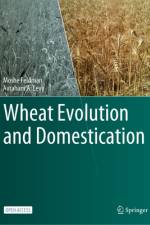
This open access book covers a century of research on wheat genetics and evolution, starting with the discovery in 1918 of the accurate number of chromosomes in wheat. We re-evaluate classical studies that are pillars of the current knowledge considering recent genomic data in the wheat group comprising 31 species from the genera Amblyopyrum, Aegilops, Triticum, and other more distant relatives. For these species, we describe morphology, ecogeographical distribution, phylogeny as well as cytogenetic and genomic features. For crops, we also address evolution under human selection, namely pre-domestication cultivation and domestication. We re-examine the genetic and archeological evidence of where, when, and how domestication occurred. We discuss unique aspects of genome evolution and maintenance under polyploidization, in natural and synthetic allopolyploids of the wheat group. Finally, we propose some thoughts on the future prospects of wheat improvement. As such, it can be of great interest to wheat researchers and breeders as well as to plant scientists and students interested in plant genetics, evolution, domestication, and polyploidy.
1 Einführung.- A Grundlagen der Untersuchung.- 2 Rahmenbedingungen.- 3 Organisationskonzepte.- 4 Managementkonzepte.- B Analyse ausgewählter Managementsysteme.- 5 Qualitätsmanagement.- 6 Umweltmanagement.- 7 Arbeitssicherheitsmanagement.- C Aufbau und Implementierung eines Integrierten Managementsystems.- 8 Integration.- 9 Praxisanwendung: Aufbau und Implementierung eines Integrierten Managementsystems bei der Deutschen Asea Brown Boveri AG.- 10 Zusammenfassung und Ausblick.- Anhang zu Kapitel 8 (Tabelle 8.3).- Abkürzungsverzeichnis.
The goal of this textbook is to introduce and study automorphic representations, objects at the very core of the Langlands Program. It is designed for use as a primary text for either a semester or a year-long course, for the independent study of advanced topics, or as a reference for researchers. The reader is taken from the beginnings of the subject to the forefront of contemporary research. The journey provides an accessible gateway to one of the most fundamental areas of modern mathematics, with deep connections to arithmetic geometry, representation theory, harmonic analysis, and mathematical physics.The first part of the text is dedicated to developing the notion of automorphic representations. Next, it states a rough version of the Langlands functoriality conjecture, motivated by the description of unramified admissible representations of reductive groups over nonarchimedean local fields. The next chapters develop the theory necessary to make the Langlands functoriality conjecture precise. Thus supercuspidal representations are defined locally, cuspidal representations and Eisenstein series are defined globally, and Rankin-Selberg L-functions are defined to give a link between the global and local settings. This preparation complete, the global Langlands functoriality conjectures are stated and known cases are discussed.This is followed by a treatment of distinguished representations in global and local settings. The link between distinguished representations and geometry is explained in a chapter on the cohomology of locally symmetric spaces (in particular, Shimura varieties). The trace formula, an immensely powerful tool in the Langlands Program, is discussed in the final chapters of the book. Simple versions of the general relative trace formulae are treated for the first time in a textbook, and a wealth of related material on algebraic group actions is included. Outlines for several possible courses are provided in the Preface.
Pharmakologie der Grundeigenschaften des menschlichen Körpers.- Stoffwechsel.- Hormone.- Pharmakologie der allgemeinen Gewebsreaktionen.- Pharmakologie der Teilfunktionen des menschlichen Körpers.- Zentralnervensystem (Narkose und Verwandtes).- Peripheres Nervensystem. Lokalanästhesie.- Autonomes Nervensystem.- Blutkreislauf.- Atemwege.- Verdauung.- Blut und Gewebe.- Blut.- Pharmakologie der Niere.- Desinfektion und Chemotherapie.- Desinfektion.- Chemotherapie.
The first quarter of the 21st century introduced the world to rapid uncertainty, be it the social-political and financial crises, or pandemics, or the shaking up of well-established democracies with an increasing rise in populism. At the same time, the technological promise has taken off with automation, artificial intelligence, and nanotechnologies increasingly becoming an economic reality. This open-access book brings together experts of specific domains, through the windows of their experience, and in a crowdsourced fashion, to analyze these world developments to develop an overall view, a compelling case of what we should be prepared for, as we march towards 2050. Topics covered include the future of leadership, the future of solving global challenges, and designing a way of life in harmony with nature. Other topics include disruptive entrepreneurship, the relevance of geographical borders, game-changing future innovations, education, and networked learning, interplanetary travel, and communication. The book also places an importance on the role of empathy, mindfulness, presence, and sharing becoming the anchors for future decision-making by 2050. Of general interest to anyone eager to understand the future of the world, this book is particularly useful for planners, policymakers, strategists and entrepreneurs.
1. Structural Chemistry and Biochemistry of Nitrogenase.- Nitrogenase: Two Decades of Biochemical Genetics.- Molybdenum-Nitrogenase: Structure and Function.- 2. Signal Perception, Transduction and Cell Cycle Genes in Nodulation.- Rhizobium Nodulation Factors in Perspective.- The Host-Specific Role of Chemical Modifications at the Reducing Terminus of Lipo-Chitin Oligosaccharides.- The Complex Interaction Between Bradyrhizobiumjaponicum and its Symbiotic Host Plants.- Studies on MsENOD40 gene Expression in Alfalfa (Medicago sativa L.) and White Sweetclover (Melilotus alba Desr.).- Nod-Factor Attachment, Calcium-Fluxes, and Lipid-Transfer Proteins in Symbiotic Signal Transduction.- Degradation of Modulation Signals from Rhizobium meliloti by its Host Plants.- Induction of Root Cortical Cell Divisions by Heterologous Nodulation Factors.- ENOD40 Expression Precedes Cell Division and Affects Phytohormone Perception at the Onset of Nodulation.- ENOD40 Expression and Phytohormonal Imbalances in Nodule Organogenesis.- N-Acyl Galactosamine Inhibition of Lipo-Chitooligosaccharide Action.- Cell Cycle Reregulation During Nodule Development.- 3. Plant Genes Involved in Nodulation.- The Saga of the Nodulin Genes.- Identification of New Medicago truncatula Nodulin Genes: Comparison of two Molecular Approaches.- Plant Gene Expression During Stem Nodule Development on Sesbania rostrata.- Identification of Trans-Acting Factors Regulating Nodulin Gene Expression.- Analysis of Genes Expressed in Root Nodules of Broad Bean (Vicia faba L.).- Regulation of Bradyrhizobium japonicum hemB, a Heme Biosynthesis Gene.- 4. Bacterium - Plant Surface Interaction.- Rhizobial Capsular and Lipopolysaccharides: Evidence for Their Importance in Rhizobium-Legume Symbiosis.- Changes in Rhizobium Lipopolysaccharide Structure Induced by Host Compounds.- Symbiotic Suppression of the Medicago sativa Plant Defence System by Rhizobium meliloti Oligosaccharides.- Biochemical and Molecular Analyses of Rhizobial Responses to Legume Flavonoids.- Flavonoid-Inducible Regions in the Symbiotic Plasmid of Rhizobium etli.- Azospirillum Genes Involved in Chemotaxis and Adhesion to Plant Roots.- 5. Molecular Microbial Ecology.- Molecular Microbial Ecology.- Plant Regulation of Root Colonization by Rhizobium meliloti.- Host-Controlled Restriction of Nodulation by Bradyrhizobium japonicum strain USDA 110 and Characterization of a Gene Regulating Nodulation.- Enhancing the Potential of Microbial Inoculants Through Molecular Microbial Ecology.- 6. Nitrogen Fixing Systems.- Nitrogen Fixation in Rhodospirillum rubrum: Regulation of Activity and Generation of Reductant.- Molecular Studies of the Electron Transport Pathway to Nitrogenase in Rhodobacter capsulatus.- Regulation of Alternative Nitrogenase Systems by Environmental Factors in the Cyanobacterium Anabaena variabilis.- Heterocyst Differentiation and Nitrogen Fixation in Cyanobacteria.- Trichodesmium Has Cells Specialized for Nitrogen Fixation but Lacks Heterocysts.- 7. Nitrogen Fixation in Sustainable Agriculture.- Biological Nitrogen Fixation for Sustainable Agriculture.- Enhanced Agricultural Sustainability Through Biological Nitrogen Fixation.- Towards the Application of Nitrogen Fixation Research to Forestry and Agriculture.- Genetic Potential of Plants for Improving the Beneficial Microbe Interactions.- DNA-Probing as a Tool to Monitor the Distribution of N2-Fixing, Denitrifying and Nitrifying Bacteria in Soils.- 8. Carbon-Nitrogen Metabolism in Symbiotic Systems.- Carbon-Nitrogen Metabolism in Symbiotic Systems: Integration and Overall Regulation.- Assimilation of Reduced Nitrogen in Tropical Legume Nodules: Regulation of de novo Purine Biosynthesis and Peroxisome Proliferation.- Contrasting C Supply, N Assimilation and N Transport Across a Range of Symbiotic Plants.- Robinia pseudoacacia, a Model Tree Legume.- Unsolved Mysteries in Carbon Metabolism in Legume Nodules.- Phosphorous Deficiency Increases the Respiratory Cost...
Environmental impacts created by the textiles and fashion sector are well known and acknowledged by various stakeholders involved in the entire supply chain. The entire lifecycle of textile products creates various impacts to the environment and hence any attempts to alleviate the impacts are highly welcomed. The whole sector is keen to investigate novel sustainable alternatives in terms of raw materials, processes, approaches to make the entire textiles and fashion sector more sustainable. This broad title of novel sustainable alternatives can be split into three subtopics: novel raw material alternatives, novel process alternative and novel alternative approaches. This volume is dedicated to dealing with novel sustainable raw material alternatives for the textiles and fashion industry.
This open access book examines why reading and math test scores for boys and girls have differed since the origins of testing in the United States. It details the pattern of differences that have remained largely unchanged for more than 100 years in the United States and worldwide. The book explores why boys have modestly larger math test score means than girls, and why girls have far larger reading test score means than boys. Boys have larger test score variances for both tasks. The only data of focus--and thus the only data to be explained--are boys' and girls' test score sample means and variances. In addition, the book provides the only coherent theory of gender differences explaining math and reading test score means and variances obtained in observational settings. It develops the simple genetical idea framed within a finite probability mixture model; it provides parameter estimates and displays numerous estimated probability distributions associated with the selected accessible studies chosen for analysis; and it extends the theory and provides explanations for never understood puzzling features of test score data. The book requires no auxiliary sources, although some understanding of random variables and probability theory is required to follow the formalization. It contains all technical details, including the estimation procedure and an R code implementation. Key areas of coverage include: - Extensive literature summary from a unique data inequalities perspective. - Perspective that challenges existing viewpoints on sex differences, falsifying conventional perspectives. - Illustrates probability modeling of psychological data. - Illustrates the failure of conventional statistics to explain data and the need for modeling data. Sex Differences in Reading and Math Test Scores of Children is an invaluable resource for researchers, professors, and graduate students in educational psychology, teaching and teacher education, literacy / language teaching and learning, mathematics education, curriculum studies, developmental psychology, statistics, and all interrelated disciplines.
Geotechnical Instrumentation and Applications explains the geotechnical issues encountered in the implementation of construction projects dealing with ground, groundwater, and earth infrastructures, including land reclamations, dams, embankments, landfill construction, excavations, and tunnelling. The book describes the types of geotechnical instrumentation available in the market and walks readers through the geotechnical issues usually encountered in construction projects and observational methods applying geotechnical instruments, planning, and implementation of geotechnical instrumentation projects. Detailed coverage of the calibration and installation process of geotechnical instruments, the verification of measured data, and the recording and documentation of as-built drawings of geotechnical instruments installed are presented. Coverage also includes methods of measurement, recommended monitoring frequencies for manual monitoring and methods of data processing and presentation, as well as analyses and interpretations of monitored data for performance assessment. Factors affecting measured instrument data are also discussed with a few examples. Case studies are presented with field data collected during the implementation of large-scale ground improvements and ground engineering projects involving extensive geotechnical instrumentation works. The book will be an ideal text for upper-undergraduate and graduate geotechnical engineering, foundation engineering, and soil mechanics courses and a hands-on reference for practitioners who apply geotechnical instrumentation in the construction industry.
This book describes the movement of un-skilled and skilled workers both within and from India and its fallout on education and development. It furthers the evidence on the contribution of education and international migration in development with specific reference to India as a major source country of migrant population. The book also distinguishes the underlying linkages and distinction between international and internal migration on the one hand and the education and development experience on the other. It brings forth the causes and development experiences of both migrations to a common platform to gauge on their similarities and differences in the lens of education and development. As such, this book contributes to the scant literature on Indian experience of internal and international migration and sheds light on future migration policy and course correction necessary for places and countries of migrant origin.
The heart of this volume is exploring the links between human disease spread and the broad Silk Road trading networks which connect Eurasian civilizations past and today. Compiled by an international team of subject authors, this book includes two themed parts. Readers are first introduced into history naming, former, present and future routes of the Silk Road, representing the longest trade way and culture diffuser in the world. The second part contains the main book focus and addresses medical research as well as individual diseases and parasite groups from the region in detail. By drawing an arc between the past and present disease situation, the authors trace how parasites and vectors spread around the globe, and what impact infectious diseases had and will have upon human civilizations.Through its interdisciplinary character this book will be enjoyed by interested readers from the fields of parasitology and palaeoparasitology, medical sciences and public health, as well as cultural history.
Neue Insektenfunde aus dem österreichischen Tertiär.
1. Introduction.- 1.1. European Unemployment and the Mismatch Hypothesis.- 1.2. The Conceptual Framework followed in this Book.- 1.3. Overview and Results.- 2. Do Aggregate Measures of Mismatch Measure Mismatch? A Time Series Analysis of Existing Concepts.- 2.1. Introduction.- 2.2. Some Puzzling Evidence.- 2.3. Measuring Mismatch: Theoretical Foundations.- 2.4. Measurement Problems.- 2.5. Disaggregation and Unobserved Heterogeneity.- 2.6. Time Series Analysis.- 2.7. Testing for Unit Roots.- 2.8. On the Magnitude of Drifts in Macroeconomic Mismatch Time Series.- 2.9. Some Simulation Experiments.- 2.10. Concluding Remarks.- Appendix A2.- 3. Disaggregate Matching Functions, Spurious Mismatch and Occupational Reallocation in Germany.- 3.1. Introduction.- 3.2. Aggregate Matching Functions: Theoretical Framework.- 3.3. Aggregate Matching Functions in West Germany.- 3.4. Spurious Matching Functions.- 3.4.1. The Econometric Theory of Spurious Matching Functions.- 3.4.2. Simulated Evidence.- 3.5. Disaggregate Matching Functions using a Panel of Occupational Groups.- 3.5.1. Occupational UV-curves.- 3.5.2. Nonsense Regressions with Panel Data?.- 3.5.3. Panel Data Estimations for Disaggregate Matching Functions.- 3.5.4. Substituting the Time Trend by Economic Variables.- 3.5.5. Period Effects and the Identification of Mismatch.- 3.6. On Occupational Reallocation: Theoretical and Empirical Aspects.- 3.6.1. Matching Functions and the Adjustment of Unemployment/Vacancy Ratios.- 3.6.2. Empirical Evidence.- 3.7. Understanding the Matching of Apprentices.- 3.7.1. The Economic Problem.- 3.7.2. Towards a Reduced-Form-Matching Function for Apprentices.- 3.7.3. Panel Estimations.- 3.7.4. Backward-Looking Behaviour and Future Rigidities.- 3.8. Concluding Remarks.- Appendix A3.- A3.I. Data.- A3.II. Spurious Regressions.- A3.III. List of Occupational Groups.- A3.IV. Panel Data Modelling.- 4. Matching and New Technologies: Does Unmeasured Ability Explain the Higher Wages of New-Technology Workers?.- 4.1. Introduction.- 4.2. Matching, Mobility, and Unmeasured Ability.- 4.3. The Micro Datasets: Presentation and Descriptive Analysis.- 4.3.1. INSEE Data Sources.- 4.3.2. The Definition of "New Technology" Categories.- 4.3.3. "New Technologies" and "Organization of the Work Place".- 4.3.4. Variables Representing the Firm-Level Background of Individual Workers.- 4.4. Cross-Sectional Results.- 4.4.1. Specifying the Wage Equation.- 4.4.2. Some Theoretical and Empirical Reasons to include Firm-Level Variables.- 4.4.3. The Impact of New Technologies on Wages: Global Results.- 4.4.4. The Impact of New Technologies on Occupational Wages.- 4.4.5. Mismatch Related to New-Technology use.- 4.5. Wages and New Technologies: Evidence from Panel Data.- 4.5.1. Construction of Panel Data.- 4.5.2. The Impact of New Technologies on Wages: Fixed-Effect Modelling.- 4.6. Concluding Remarks.- Appendix A4.- A4.1. Descriptive Statistics.- A4.II. Definition of Educational Degrees.- A4.III. Additional Cross-Sectional Results.- 5. Conclusions.- 6. References.
This book aims to cover most subject areas of green infrastructure such as components, multi-functionality, and integration to build environment, contribution to urban sustainability, sustainable and smart city development, urban climate change nexus, green buildings and rating systems, economic assessment, and quantification of green infrastructure. The impending climate crisis, as well as the ongoing COVID-19 pandemic, has highlighted the importance of green infrastructure in and around cities, prompting a call for more functional and sustainable urban planning and design. A number of recent studies have shown that green infrastructure provides a wide range of ecosystem functions and services critical to human well-being and urban sustainability, which is especially important during climatic and health crises. In this book, the authors emphasize the importance of existing green infrastructure in coping with climate change-induced stresses, such as increasing climate variability and extreme temperature and precipitation events, as well as contributing to urban dwellers' physical and mental health. Green infrastructure, in both cases, plays a significant role in providing urban areas with resilience capacity, which is critical to urban sustainability. The authors also emphasize the importance of expanding and improving green infrastructure, particularly in vulnerable areas, through integrative and participatory processes.Appropriate integration of green-gray infrastructure and development of climate resilient cities is the core theme of this publication. Further, it emphasizes sustainable development which has become an imperative requirement to the world to move fore and climate change-built environment nexus, the most critical global crisis. Though several books were published globally on the green infrastructure and urban resilience individually, books are rarely published combining both disciplines. This book identifies and addresses the gap through comprehensively discussing on both interlinked areas which is essential for the sustainable urban development. Further, it explores on urban climate resilience, urban sprawl, urbanization, resilience drivers, essentials of city resilience, policy implications, challenges, and future perspectives. This book is a useful fundamental guide in practical applications of green infrastructure in built environment in sustainability context. Further, it enlightens on the significance of transforming the conventional building construction trend to sustainable urban planning designs and building development, exploring on the strategic pathway on building urban climate resilience while signifying the importance of healthy built environment through discussing on the nexus between climate change and built environment.
This book is composed of 13 informative chapters written by world-renowned healthcare providers and researchers in the fields of endocrinology, pharmacy, radiology, infertility, pediatrics, internal medicine, psychology and genetics. From topics covering psychosocial impacts to pharmacokinetic and homecare resources, the intent of this book is to provide guiding principles for a safe and informative transition of care for pediatric and adolescent patients with various familial endocrine cancer syndromes that are transitioning from pediatric to adult health care. It provides an in-depth exploration of the diagnostic and therapeutic strategies, survivorship navigation intervention, patient, caregiver and primary care provider challenges, and multidisciplinary care plans for conditions such as MEN1, MEN2 and other familial and genetic endocrine neoplasias.Familial Endocrine Cancer Syndromes: Navigating the Transition of Care for Pediatric and Adolescent Patients is a much-needed resource, as the literature currently lacks a comprehensive publication to facilitate pediatric patients' transition to adult clinics and resources following endocrine cancer diagnosis and treatment.
Wieso verwenden wir Pflanzen zum Heilen?.- Ursprung und Wurzeln des Heilens mit Pflanzen.- Arzneimittel aus Pflanzen? 1st das Homöopathie?.- Charakteristika, Vorteile und Grenzen der Phytotherapie.- Die Phytotherapie arbeitet mit naturwissenschaftlichen Methoden.- Wodurch unterscheidet sich die Phytotherapie von anderen Therapieformen?.- Phytotherapie - von der Pflanze zum Arzneimittel.- In welcher Form werden Arzneipflanzen angewendet?.- Welche chemischen Substanzen aus der Pflanze wirken?.- Die pflanzliche Notfallapotheke.- Noch Fragen?.- Nervensystem, Gehirn.- Ein- und Durchschlafstörungen, Nervosität und Ãbererreqbarkeit.- Depression.- Hirnleistungsstörungen, Gedachtnisstörunqen, Demenz.- Magen-Darm-Trakt.- Erkrankungen im Mund- und Rachenraum, Zahnungsschmerzen.- Zu viel Maqensäure, Maqensäure am falschen Ort, qeschadiqte Magenschleimhaut, Sodbrennen, saures AufstoÃen.- Gastritis, Ulkus (Magengeschwür, Zwölffingerdarmgeschwür).- Magenbeschwerden ohne ein Zuviel an Säure.- Blähunqen.- übelkeit, Erbrechen, Reisekrankheit.- Durchfallerkrankungen.- Stuhlverstopfung (Opstipation).- Hämorrhoiden.- Erkrankungen der Leber, Galle und Bauchspeicheldrüse.- Erkrankungen im Bereich der Gallenblase.- Die Bauchspeicheldrüse.- Erkrankungen der ableitenden Harnwege.- Nieren- und Blasensteine, Durchspülungstherapie.- Harnwegsinfekte.- Reizblase.- Harninkontinenz, Blasenschwäche.- Die Prostata - Vorsteherdrüse.- Die Prostatitis.- Immunsystem und Infekte.- Stärkunq des Immunsystems.- Der grippale Infekt.- Schnupfen, Nebenhöhlenentzündung.- Entzündungen im Rachenraum.- Herpes, Fieb erblase.- Husten.- Trockener Reizhusten.- Husten mit festsitzen dem Schleim.- Krampfartiger Husten, Keuchhusten, Asthma.- Erkrankungen des Bewegungsapparates.- Muskelschmerzen.- Stumpfe Verletzun gen, Prellun gen, Blutergüsse, Zerrungen.- Die rheumatischen Erkrankungen.- Herz, Kreislauf, Blutqetässe.- Herz.- Arteriosklerose, GefäÃverkalkung.- Blutdruck.- Venen.- Frauenkrankheiten und Geburtshilfe.- Der Monatszyklus.- Prämenstruelles Syndrom.- Blutungsanomalien, Schmerzen.- Wechselbeschwerden.- Schwangerschaftserbrechen.- Geburtsvorberetlung.- Stillp eriode.- Infektionen der Scheide und der äufieren Geschlechtsorgane.- Erkrankungen der Haut.- Trockene Haut.- Fette Haut, Akne.- ÃbermäÃiqe SchweiÃproduktion.- Insektenstiche.- Sonnenbrand.- Juckreiz.- Ekzeme.- Neurodermitis - atopische Dermatitis.- Windeldermatitis.- Furunkel und andere bakterielle Infektionen der Haut.- Behandlung oberflachlicher Wunden.- Narbenbehandlung.- Chronische Müdigkeit und psychosomatische Erkrankungen.- Krebsbehandlung mit Pflanzen?.- Zuckerkrankheit, Diabetes.- Virusinfektionen.- Bakterielle Infektionen.- Pilzerkrankungen.- Para siten, Wurmerkrankungen.- Bluthochdruck.- Pflanzliche Neuheiten am Mark?.- Pu-Erh-Tee.- Macawurzel.- Noni.- Nopal-Kaktus.- Momordica.- Reishi-Pilz.- Aloe vera.- Pflanzliche Arzneimittel in der Schwangerschait und Stillzeit.- Vital durch Kneipp.- Wer war Sebastian Kneipp?.- Die fünf Säulen der Kneipptherapie.- Beschreibung der Anwendungen, die im Buch erwähnt wurden.- Allergien, Asthma.- Register.
Carbohydrates.- Enzymes.- Anthocyanes.- Carotenoids in General.- Plant Carotenoids.- Animal Carotenoids.- Carotenoids: Structural Conversions in vitro.- Carotenoids: Stereochemistry.- Naturally Occurring cis and Polycis Carotenoids.- Provitamin A Potency and Structure.- Provitamin A Potency and Steric Configuration.- Naturally Occurring Colorless Polyenes.- Miscellaneous Colorless Plant Products.- Plant Physiology and Chemical Genetics.- cis-trans Isomerization of Diphenylpolyenes, Phenyl-polyenaldehydes, Azines, and Cyanines.- Carcinogens and Related Compounds.- Light Aromatic Hydrocarbons.- Organic Lead Compounds.- Organic Minerals.- Chromatographic Methods.- Reduction Methods.- Effect of Ultrasonic Waves on Organic Compounds.- Electrolytic Dissociation.- Radioactive Isotopes.- Textbooks.- Author Index.
This book focuses on the impact of climate change on India, addressing environmental problems and conducting an analysis of the climate change impact on mitigation processes. It examines crucial factors such as soil capability, soil erosion, soil salinity, and watershed planning, as well as the influence of climate change on water resources, including groundwater. The book explores the interconnections between climate change, soil erosion, natural resources, and agricultural practices, emphasizing their direct or indirect effects on water, vegetation, irrigation planning, and the environment.Furthermore, it delves into various aspects of soil erosion, soil compaction, soil nutrients, aquifers, and the impact of climate change on vegetation, crops, pests, moisture, and sustainable yield. These factors contribute to the development of climate change-related factors within the agricultural sector, ultimately fostering sustainable development and management practices for the future. The book also highlights the significance of parameters such as land use change analysis, rainfall, water resources, crop yield, sustainable agricultural development, pest management, and disease control in accurately assessing the impact of climate change. The insights gained from these analyses can inform future development and planning strategies. Therefore, this book serves as a valuable resource for researchers, scientists, NGOs, and academics interested in understanding the impact of climate change on natural resources and ecological systems.
Das Sehorgan.- Die Untersuchungsmethoden des Auges.- Refraktion und Akkommodation.- Die Erkrankungen der Lider.- Die Erkrankungen der Tränenorgane.- Die Erkrankungen der Bindehaut.- Die Erkrankungen der Hornhaut.- Die Erkrankungen des Uvealtractus.- Die Erkrankungen des Glaskörpers.- Die Erkrankungen der Retina.- Die Erkrankungen der Sehnerven.- Die Erkrankungen der Sehbahn.- Die Erkrankungen der Linse.- Die Erkrankungen der Orbita.- Die Erkrankungen der Augenmuskeln.- Glaukom (grüner Star).- Entwicklungsgeschichte des Auges.- Die MiÃbildungen des Auges.- Vererbbare Augenleiden.- Verletzungen des Auges und sympathische Ophthalmie.
This book provides insights into family businesses in the United Arab Emirates (UAE) using a unique collection of case studies that help gain a comprehensive understanding of UAE family firms' profiles and the ways they respond to everyday challenges and future disruptions. Cases treat different issues from the perspective of family businesses, such as succession, innovation, decision-making, strategic orientation, corporate governance, spatial distribution, SDG alignment, etc. Each case contains learning objectives, discussion questions, and suggested readings in order to help readers understand the topic discussed in the respective cases. This book also showcases the five business ecosystem stakeholders that have supported family businesses in the UAE, such as the UAE Government, free zone authorities, university and research institutions, support agencies, and venture capital companies.Professionals as well as MBA students and researchers involved in the study offamily businesses will particularly benefit from this book.
Rhythmische und schwach rhythmische Abbildungen.
This book explores the well-being of Latinx farmworkers living and laboring in the United States. The contributions take a deeper look at the lived experiences of farmworkers. The chapters explore the various ways in which well-being is framed in diverse academic disciplines, and how the concept of well-being has been employed in previous research on Latinx farmworkers. This volume appeals to students, researchers and professionals. Previously published in Agriculture and Human Values Volume 37, issue 1, March 2020
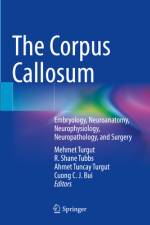
This book provides an in-depth review of knowledge of the corpus callosum, called white matter or terra incognita, with emphasis on anatomical, embryological, diagnostics, and surgical features. It includes very informative chapters from leaders in the field, organized into six main groups: first, the embryology, neuroanatomy, and morphometry of the corpus callosum, and animal studies related to it; secondly, neurophysiological aspects, callosal disconnection and the split brain; thirdly, neuropathology, including clinical disorders such as dementia, Tourette syndrome, and schizophrenia; fourthly, surgical procedures including partial and complete callosotomy and commissurotomy; fifthly, cognitive neuroscience; and sixthly, other features of the corpus callosum, including its medicolegal aspects and statistical shape analysis. This comprehensive reference book will be an ideal source for neuroscientists at all levels, from graduate students to researchers in specific disciplines studying this region including neuroanatomists, embryologists, neurosurgeons, neurologists, neuroradiologists and pediatricians, who seek both basic and more advanced information regarding the distinctive anatomical, physiological and pathological features of the human corpus callosum.
Examines methodological approaches to the design and development of investigational studies in implant-based oral rehabilitation Closely scrutinizes translational aspects Includes consideration of the opportunities afforded by the digital world
This Handbook discusses the use of public-private partnerships in law enforcement and security. Written by international experts across multiple disciplines, chapters include case studies and cross-sectional industry-wide studies of private security performance in comparison with public police and collaborated experiences of the two sectors. The Handbook uses existing experiences and public economics to suggest how to improve security and social welfare through greater competition and cooperation between public and private security. This volume provides an integrated framework to assist policymakers in both public and private agencies. This Handbook will be an important reference for scholars in public economics, public administration, criminology, and criminal justice, as well as professionals and policymakers in the public and private sectors.
1 Einleitung.- 1.1 Problemstellung.- 1.2 Vorgehensweise.- 2 Handelspolitische Konzepte und Umweltpolitik.- 2.1 Freihandel und Handelsliberalisierung.- 2.1.1 Smith, Ricardo und die Natur.- 2.1.2 Marktversagen und natürliche Ressourcen.- 2.1.3 Ãkonomische Lösungen bei Marktversagen mit negativen Umweltauswirkungen.- 2.1.4 Die ökologische Kritik am neoliberalen Ansatz des Umweltschutzes.- 2.1.5 Konstanter Rohstoffverbrauch.- 2.2 Entwicklung der Umweltökonomie nach ökologischer Kritik.- 2.2.1 Neue Impulse durch die Ãkologische Umweltökonomie.- 2.2.2 Der Mainstream der Umweltökonomie.- 2.3 Zusammenfassung.- 3 Handel, Umweltschutz und zwischenstaatliche Beziehungen.- 3.1 Handelspolitische Effekte auf die Umweltpolitik.- 3.1.1 Produkteffekte.- 3.1.2 Skaleneffekte.- 3.1.3 Struktureffekte.- 3.2 Auswirkungen der Umweltpolitik auf internationalen Handel.- 3.2.1 Umweltpolitische Instrumente.- 3.2.2 Politisch relevante Effekte umweltpolitischer Instrumente.- 3.3 Empirische Beobachtungen.- 3.3.1 Negative Auswirkungen.- 3.3.2 Positive Effekte.- 3.3.3 Umweltpolitische Handlungsmöglichkeiten.- 3.4 Bewertung.- 3.4.1 Effekte des internationalen Handels auf internationale Umweltpolitik.- 3.4.2 Internationale Umweltschutzabkommen.- 3.5 Konflikte zwischen Entwicklungs- und Industrieländern.- 3.5.1 Positionen des Südens im Querschnittsbereich von Handels- und Umweltpolitik.- 3.5.2 "Grüner Protektionismus" und "Ãkoimperialismus".- 3.6 Fazit.- 4 Umweltschutz im GATT/WTO-System.- 4.1 Die Entwicklung des Welthandelssystems und die Integration von Umweltschutz.- 4.1.1 Vom GATT zur WTO.- 4.1.2 Grundprinzipien.- 4.1.3 Ausnahmen und institutionelle Probleme.- 4.1.4 Multilaterale Handelsrunden.- 4.1.5 Wichtige Weichenstellungen.- 4.1.6 Die WTO.- 4.2 Die WTO und Umweltschutz.- 4.2.1 Institutionelle Entwicklungen.- 4.2.1 Die Konferenz von Seattle und mögliche Folgen.- 4.2.2 Gründe für das "Scheitern" und Blick in die Zukunft.- 4.3 Streitschlichtungsverfahren aufgrund umweltpolitischer HandelsmaÃnahmen.- 4.3.1 Entwicklung im GATT.- 4.3.2 Streitschlichtung in der WTO.- 4.3.3 Streitschlichtung bei umweltpolitischen HandelsmaÃnahmen.- 4.4 Eine vorläufige Analyse der Schlichtungsverfahren.- 4.4.1 Internationale Umweltschutzabkommen.- 4.4.2 Produktions- und ProzeÃmethoden.- 4.4.3 ArtikelXX-Präambel.- 4.4.4 Artikel XX (b).- 4.4.5 Artikel XX (g).- 4.5 Das Komitee für Handel und Umwelt.- 4.5.1 Institutionelle Entwicklung.- 4.5.2 Das CTE in der WTO.- 4.5.3 Das CTE-Arbeitsprogramm.- 4.5.4 Aktueller Diskussionsstand.- 4.5.5 Ãffentliche Kritik.- 4.6 Implikationen.- 4.6.1 Die Suche nach dem Ausgleich.- 4.6.2 Implikationen der Streitfälle.- 4.6.3 Politökonomische Zusammenhänge.- 4.6.4 Grenzen der Abwägung.- 5 Die EU, Umweltschutz und Handelspolitik.- 5.1 Umweltpolitik im Binnenmarkt.- 5.1.1 Die Entwicklung der Umweltpolitik in der EU.- 5.1.2 Die Rechtsgrundlagen europäischer Umweltpolitik.- 5.1.3 Umweltpolitik und politische Integration.- 5.1.4 Kritik und Unzulänglichkeiten europäischer Umweltpolitik.- 5.1.5 Der Europäische Gerichtshof und umweltpolitische HandelsmaÃnahmen.- 5.2 Die internationale Dimension europäischer Umweltpolitik.- 5.2.1 Die Entwicklung internationaler Umweltpolitik der Gemeinschaft.- 5.2.2 Die EU als Akteur.- 5.2.3 Das 5. Umweltaktionsprogramm - "Hin zu Nachhaltigkeit".- 5.3 Die internationale Handelspolitik der Gemeinschaft.- 5.3.1 Die Position der Gemeinschaft im Welthandel.- 5.3.2 Die Rechtsgrundlagen.- 5.3.3 Handelspolitische Instrumente.- 5.3.4 Allgemeine Aspekte der gemeinschaftlichen Handelspolitik.- 5.4 Die Gemeinschaft und die Wechselwirkungen zwischen Umweltschutz und Handel.- 5.4.1 Die programmatische Diskussion über Handel und Umwelt in der Gemeinschaft.- 5.4.2 Umweltpolitische HandelsmaÃnahmen der Gemeinschaft.- 5.4.3 SchluÃfolgerungen.- 6 SchluÃbetrachtung.- 6.1 Handelspolitische und umweltpolitische Konzepte.- 6.2 Die Wechselwirkungen in den zwischenstaatlichen Beziehungen.- 6.3 Die WTO und di
The book represents a collection of papers presented at VII International Symposium "Biogenic-abiogenic interactions in natural and anthropogenic systems" that was held on 26-29 September 2022 in Saint Petersburg (Russia). Papers in this book cover a wide range of topics connecting with interactions between biogenic and abiogenic components in lithosphere, biosphere and technosphere. The main regarding topics are following: biomineralization in living organisms and nature-like materials; biomineralization in geosystems; geochemistry of biogenic-abiogenic systems; biomineral interactions in soil; interaction of microorganisms with natural and artificial materials; medical geology; philosophical aspects of interdisciplinary researchs
Abonner på vårt nyhetsbrev og få rabatter og inspirasjon til din neste leseopplevelse.
Ved å abonnere godtar du vår personvernerklæring.