

Gjør som tusenvis av andre bokelskere
Abonner på vårt nyhetsbrev og få rabatter og inspirasjon til din neste leseopplevelse.
Ved å abonnere godtar du vår personvernerklæring.Du kan når som helst melde deg av våre nyhetsbrev.

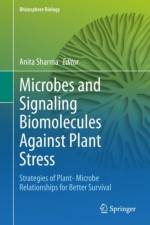
This book sheds new light on ways to alleviate biotic and abiotic stress in plants, using signaling molecules of plant growth promotory rhizobacteria. Further, it elaborates on the different types of stress and strategies used by plants under various stress conditions. The respective sections describe the importance of the microbiome for the overall health of plants and how exploring plant-microbe communication and signaling pathways could offer a promising avenue for future research. The book also discusses how rhizobacteria could be exploited in stress alleviation and sustainable agriculture, and addresses omics strategies for stress response and mitigation. Thanks to clearly annotated references, the book also supports and encourages readers to further explore the topics discussed.
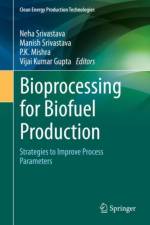
Converting biomass to biofuels involves hydrolyzing cellulose to sugars using cost-intensive commercial enzymes ¿ an expensive step that makes large-scale production economically non-viable. As such, there is a need for low-cost bioprocessing.This book critically evaluates the available bioprocessing technologies for various biofuels, and presents the latest research in the field. It also highlights the recent developments, current challenges and viable alternative approaches to reduce the overall cost of producing biofuels.
Achieving zero hunger and food security is a top priority in the United Nations Development Goals (UNDGs). In an era characterized by high population growth and increasing pressure on agricultural systems, efficiency in the use of natural resources has become central to sustainable agricultural practices. Fundamentally speaking, eco-efficiency is about maximizing agricultural outputs, in terms of quantity and quality, using less land, water, nutrients, energy, labor, or capital. The concept of eco-efficiency involves both the ecological and economic aspects of sustainable agriculture. It is therefore essential to understand the interaction of ecosystem constituents within the extensive agricultural landscape, as well as farmers¿ economic needs.This book examines the latest eco-efficient practices used in agro-systems. Drawing upon research and examples from around the world, it offers an up-to-date overview, together with insights into directly applicable approaches for poly-cropping systems and landscape-scale management to improve the stability of agricultural production systems, helping achieve food security. The book will be of interest to educators, researchers, climate change scientists, capacity builders and policymakers alike. It can also be used as additional reading material for undergraduate and graduate courses on agriculture, forestry, soil science, and the environmental sciences.
Microbial biotechnology is an emerging field with applications in a broad range of sectors involving food security, human nutrition, plant protection and overall basic research in the agricultural sciences. The environment has been sustaining the burden of mankind from time immemorial, and our indiscriminate use of its resources has led to the degradation of the climate, loss of soil fertility, and the need for sustainable strategies. The major focus in the coming decades will be on achieving a green and clean environment by utilizing soil and plant-associated beneficial microbial communities. Plant-microbe interactions include the association of microbes with plant systems: epiphytic, endophytic and rhizospheric. The microbes associated with plant ecosystems play an important role in plant growth, development, and soil health. Moreover, soil and plant microbiomes help to promote plant growth, either directly or indirectly by means of plant growth-promoting mechanisms, e.g. the release of plant growth regulators; solubilization of phosphorus, potassium and zinc; biological nitrogen fixation; or by producing siderophores, ammonia, HCN and other secondary metabolites. These beneficial microbial communities represent a novel and promising solution for agro-environmental sustainability by providing biofertilizers, bioprotectants, and biostimulants, in addition to mitigating various types of abiotic stress in plants. This book focuses on plant-microbe interactions; the biodiversity of soil and plant microbiomes; and their role in plant growth and soil health. Accordingly, it will be immensely useful to readers working in the biological sciences, especially microbiologists, biochemists and microbial biotechnologists.
Microbial biotechnology is an emerging field with applications in a broad range of sectors involving food security, human nutrition, plant protection and overall basic research in the agricultural sciences. The environment has been sustaining the burden of mankind from time immemorial, and our indiscriminate use of its resources has led to the degradation of the climate, loss of soil fertility, and the need for sustainable strategies. The major focus in the coming decades will be on achieving a green and clean environment by utilizing soil and plant-associated beneficial microbial communities. Plant-microbe interactions include the association of microbes with plant systems: epiphytic, endophytic and rhizospheric. The microbes associated with plant ecosystems play an important role in plant growth, development, and soil health. Moreover, soil and plant microbiomes help to promote plant growth, either directly or indirectly by means of plant growth-promoting mechanisms, e.g. the release of plant growth regulators; solubilization of phosphorus, potassium and zinc; biological nitrogen fixation; or by producing siderophores, ammonia, HCN and other secondary metabolites. These beneficial microbial communities represent a novel and promising solution for agro-environmental sustainability by providing biofertilizers, bioprotectants, and biostimulants, in addition to mitigating various types of abiotic stress in plants. This book focuses on plant-microbe interactions; the biodiversity of soil and plant microbiomes; and their role in plant growth and soil health. Accordingly, it will be immensely useful to readers working in the biological sciences, especially microbiologists, biochemists and microbial biotechnologists.
The sustainable development of the agriculture sector is the only option to meet the demands of increased and economically viable production in a changing climate. This means there is a need to introduce the latest technologies to enhance production, and also help policymakers make decisions for the future. Geospatial technologies & tools, such as remote sensing, geographical information systems (GIS), global positioning systems (GPS), and mobile & web applications, provide unique capabilities to analyze multi-scale, multi-temporal datasets, and support decision-making in sustainable agriculture development and natural resources management. Further, the availability of reliable and timely geospatial information on natural resources and environmental conditions is essential for sustainable agricultural development and food security. Since remote sensing solutions are fast, non-destructive and have large spatial coverage, they can play a significant role in the identification, inventory, and mapping of land resources. Over the past four decades, remote sensing has proved to be a cost-effective and powerful tool to assess crop and soil properties in varying spatial and temporal scales using both visual and digital techniques. Satellite remote sensing coupled with GIS & mobile-app based positional information has emerged as an efficient tool for optimizing input resources, and minimizing cost of production and risk of biotic/ abiotic factors nature to promote sustainable agriculture. This book comprehensively documents the applications of space-based technologies for crop and soil assessments for the sustainable development of agriculture.
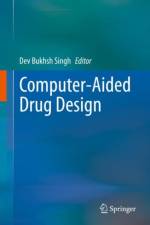
This book provides up-to-date information on bioinformatics tools for the discovery and development of new drug molecules. It discusses a range of computational applications, including three-dimensional modeling of protein structures, protein-ligand docking, and molecular dynamics simulation of protein-ligand complexes for identifying desirable drug candidates. It also explores computational approaches for identifying potential drug targets and for pharmacophore modeling. Moreover, it presents structure- and ligand-based drug design tools to optimize known drugs and guide the design of new molecules. The book also describes methods for identifying small-molecule binding pockets in proteins, and summarizes the databases used to explore the essential properties of drugs, drug-like small molecules and their targets. In addition, the book highlights various tools to predict the absorption, distribution, metabolism, excretion (ADME) and toxicity (T) of potential drug candidates. Lastly, it reviews in silico tools that can facilitate vaccine design and discusses their limitations.
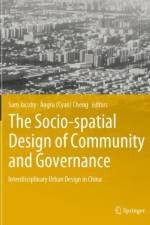
This book proposes a new interdisciplinary understanding of urban design in China based on a study of the transformative effects of socio-spatial design and planning on communities and their governance. This is framed by an examination of the social projects, spaces, and realities that have shaped three contexts critical to the understanding of urban design problems in China: the histories of ¿collective forms¿ and ¿collective spaces¿, such as that of the urban danwei (work-unit), which inform current community building and planning; socio-spatial changes in urban and rural development; and disparate practices of ¿spatialised governmentality¿. These contexts and an attendant transformation from planning to design and from government to governance, define the current urban design challenges found in the dominant urban xiaoqu (small district) and shequ (community) development model. Examining the histories, transformations, and practices that have shaped socio-spatial epistemologies and experiences in China ¿ including a specific sense of community and place that is rather based on a concrete ¿collective¿ than abstract ¿public¿ space and underpinned by socialised governance ¿ this book brings together a diverse range of observations, thoughts, analyses, and projects by urban researchers and practitioners. Thereby discussing emerging interdisciplinary urban design practices in China, this book offers a valuable resource for all academics, practitioners, and stakeholders with an interest in socio-spatial design and development.
This book explores the latest developments in the field the acute phase protein (APP), C-reactive protein or CRP in different diseases, highlighting the structural and functional aspects of CRP in disease biology.Divided into 5 sections, the book examines important topics such as the role of CRP in neurodegenerative, cardiac and parasitic diseases, as well as in cancer and inflammatory bowel disease, and the expression of CRP in pediatric respiratory diseases. In addition it discusses the clinical role of CRP in diagnostics and therapeutics, sepsis, ICU and ITU patients, and also as a primary marker for inflammation. Given its scope, this book will appeal to scholars in various fields of medicine and biology.
This book presents an innovative systems approach towards the idea of a smarter world, with advanced and sustainable social infrastructures, facilities and services. It develops a novel systems approach for society-wide systems where interdependent systems encompassing transportation, energy, communication, water, sewerage, logistics, education, disaster prevention, medical care and welfare are integrated to form a ¿System of Systems¿ (SoS). Written by leading system scientists and technology creators, it introduces state-of-the-art concepts of and methodologies for systems approaches towards SoS as well as their practical applications, discussing the planning, design and management challenges in their implementation and the potential impact on societies and the environment. The volume will be of interest to systems engineers, system integrators, and researchers in related engineering fields, as well as government policymakers.
This book reviews the role of exosomes and extracellular vesicles in both normal and pathological conditions. It first explains isolation methods for exosomes, and analyzes their fine structure and biological functions. Further, it highlights exosomes¿ role as the key regulator in embryonic-maternal communication, and in the pathogenesis of various diseases, including cancer and urogenital, infectious, and neurodegenerative diseases. Moreover, it reviews the latest advances in using stem-cell-derived exosomes as a cell-free strategy in regenerative medicine, as well as the potential of exosomal microRNA as a promising non-invasive biomarker and targetable factor in cancer diagnosis and treatment. Lastly, it explores the use of natural and synthetic exosomes as nano-vehicles for efficient drug delivery.
This volume offers detailed information on the behaviour of various water pollutants, and on the principles and concepts of groundwater flow and transport. It will help readers to understand and execute the planning, supervision, and review of solute transport and groundwater modeling projects. The book also discusses the role and fate of elements that have been identified as major contaminants in surface and subsurface waters, and their adverse effects on ecology and human health. The book explores this theme throughout four sections ¿ a. Understanding Soil-Water Systems, b. Fate and Transport of Pollutants, c. Physico-Chemical Treatment of Wastewater and d. Microbial Techniques Used to Decontaminate Soil-Water Systems. Introducing readers to a range of recent advances concerning the fundamentals of subsurface water treatment, it offers a valuable guide for teachers, researchers, policymakers, and undergraduate and graduate students of hydrology, environmental microbiology, biotechnology and the environmental sciences. It also provides field engineers and industrial practitioners with essential support in the effective remediation and management of polluted sites.
This book reviews current immunotherapeutic strategies for gastrointestinal (GI) malignancies, including immune composition, immune checkpoint inhibitors, cell therapy, and peptide vaccines used to protect against esophageal, gastric, hepato-biliary, pancreatic and colorectal cancers. It also discusses the current challenges of using immunotherapy for the treatment of gastrointestinal malignancies. The book reviews highly sensitive and specific immunomarkers for the detection of GI malignancies, and examines therapeutic vaccines and the major cytokines involved in GI immunotherapy, as well as their basic biology and clinical applications. In closing, the book explores various aspects of computational biology for the detection and treatment of GI malignancies.
Abonner på vårt nyhetsbrev og få rabatter og inspirasjon til din neste leseopplevelse.
Ved å abonnere godtar du vår personvernerklæring.