









Gjør som tusenvis av andre bokelskere
Abonner på vårt nyhetsbrev og få rabatter og inspirasjon til din neste leseopplevelse.
Ved å abonnere godtar du vår personvernerklæring.Du kan når som helst melde deg av våre nyhetsbrev.

This book introduces up-to-date knowledge of vitreal and retinal diseases with color fundus illustrations. The retinal layers of different lesions normally look like a single plane for junior doctors in Ophthalmology. With the help of the fundus camera, the stereo color images with different shooting angles are taken and the retina looks vivid and stereoscopic in the photograph.Although the technology of "deciphering" retina diseases is constantly advancing, the stereo fundus photography (SFP) is still indispensable, which can not only reveals the retina stereoscopically and comprehensively, but also has been the gold standard for certain diseases, such as glaucoma and retina angiomatous proliferation (RAP). Meanwhile, the equipment demands for SFP are not so high and can be easily promoted in the grass-roots hospitals. In this book, we carefully collected and organized more than 300 stereo color fundus images and angiography pictures of various vitreal and retinal diseasesfor readers to recognize the three dimensional features at first glance, such as retinal bleeding at different layers, optic disc change of glaucoma, macular diseases, tumors, RAP and polypoidal choroidal vasculopathy (PCV).
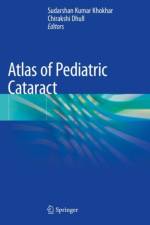
This book highlights various pediatric cataracts and their clinical presentations, along with a wealth of high-quality images collected over two decades. Offering a precise guide to illustrative interventions, it contains images collected pre-operatively, intra-operatively and post-operatively using slit lamp or microscope integrated cameras. The book covers congenital, developmental and traumatic cataracts, along with other rare morphologies. It presents selected challenging clinical situations, along with surgical management steps that draw on high-quality images. Separate chapters address recent advances in the field of pediatric cataracts, e.g. ultrasound biomicroscopy, lenticular abnormalities, intraoperative rhexis assistant, plasma blade/ diathermy, vascular cautery incases of persistent fetal vasculature, operative room aberrometry, and optiwave refractive analysis. Given its scope, the book offers a valuable resource for practicing general and pediatric ophthalmologists, researchers and students alike.
This introduces the theoretical and practical guide of NOSES. The book introduced 10 different techniques of NOSES for colorectal neoplasms based on extensive high-quality surgical images. The first part mainly describes the development process of NOSES and the current achievements of these techniques which will provide readers a general understanding of NOSES. The second part elaborates on ten different surgical procedures specific to position of tumor location of NOSES in detail. All key technical points and operational skills regarding to NOSES are displayed by both high-quality images. The indications and contraindications are also strictly determined in this book. In addition to the elaboration of NOSES, each chapter of this book also conduct a detailed and comprehensive analysis the hot spots, technical difficulties and key issues with regard to laparoscopic surgery for colorectal cancer. This book is suitable for the colorectal cancer surgeons and doctors of general surgery.
This book provides an evidence-based approach to the diagnosis and surgical management of the diseases of the pancreas and biliary tree, highlighting the most recent findings. The chapters are designed to accompany the reader on a step-by-step approach to the patient, providing the latest evidence to justify each recommendation. Wherever feasible and indicated, emphasis is placed on the use of tables and algorithms to simplify decision-making.The information contained in this well-referenced book is thus relevant not only to practicing pancreatobiliary and general surgeons, but also offers valuable guidance for surgical trainees. This book covers 14 diseases of the pancreas and biliary tree, from the more common gallstones and common bile duct stones, acute and chronic pancreatitis, to more complex benign conditions such as biliary fistulae and strictures, as well as cystic tumors of the pancreas, and finally the major malignancies include gallbladder cancer, pancreatic cancer and hilar cholangiocarcinoma.
Focusing on the practical use of N-Acetyl-Cysteine (NAC) in medicine, this book provides a comprehensive review of the basic biological and clinical studies documenting its benefits in treating medical disease. NAC is perhaps best known as an antidote for acetaminophen, but its therapeutic effect in a wide range of medical diseases has recently been realized. In addition to its well recognized use in radiological contrast prophylaxis for renal disease and pulmonary disorders, studies have suggested significant promise in psychiatric and neurological disorders such as addiction, Alzheimer's disease, ataxia, autism, bipolar disorder, depression, epilepsy, neuropathy, obsessive-compulsive disorder, schizophrenia, traumatic brain injury and trichotillomania in addition to promising studies in audiology, cardiology, exercise physiology, gastroenterology, hematology, infectious disease, infertility and ophthalmology. Given the promising studies for a wide range of medical conditions, coupled with a excellent safety profile, the potential for NAC in the treatment of human disease appears considerable.Dr Leonore A Herzenberg from Stanford University, a pioneer of redox physiology and the use of NAC, provides a succinct history of the development of the therapeutic use of NAC for medical disease. This is followed by a series of basic science chapters outlining the role of NAC in important physiological processes, including modulation of dopamine and glutamate neurotransmitter systems, redox and mitochondrial metabolism, apoptosis and inflammation.The last section of the book is dedicated to clinically oriented chapters that comprehensively review the literature on medical disorders in which NAC has been found to be effective, including toxicity and cardiovascular, gastrointestinal, neurological, psychiatric, pulmonary and renal disorders. Each chapter reviews the theoretical biological mechanisms of NAC for the specific diseases reviewed, rates the clinical studies using a standardized criteria in order to provide an objective level of evidence and grade of recommendation for the use of NAC for specific medical conditions and outlines the ongoing clinical trials examining NAC for the treatment of specific diseases. Final chapters review the clinical evidence verifying that specific theoretical biological mechanisms are actually being targeted by NAC in medical disease. Studies on the pharmacology, formulation and potential adverse effects of NAC are also reviewed. A final chapter synthesizes the clinical studies to suggest that the effectiveness of NAC may signal a new basic physiological disorder, glutathione deficiency, which may be an important pathophysiological mechanism of many diseases.
The second edition of this very popular atlas is designed to serve as an up-to-date guide to the diagnostic use of gastrointestinal endoscopy that will meet the daily needs of both novice and advanced endoscopists. The atlas presents an abundance of typical and atypical endoscopic images of common and rare diseases of the esophagus, stomach, small intestine, and colorectum, accompanied by precise clinical descriptions. Normal findings and variants are also amply documented. A large majority of the illustrations in the new edition are superb high-resolution images, reflecting the important advances of recent years. The coverage also includes the role of novel endoscopic technologies such as narrow band imaging, FICE, iScan, and confocal laser endomicroscopy. A further new feature is the inclusion of an interesting quiz at the end of each chapter in order to summarize complex knowledge, enhance understanding, and assist in the internalization of important practical tips. Clinical Gastrointestinal Endoscopy: A Comprehensive Atlas is expected to become the ultimate reference for gastrointestinal endoscopists worldwide.
This book aims to raise awareness of IgG4-related sclerosing cholangitis among practicing physicians and to equip readers with a sound understanding of the principles of diagnosis and treatment. Clinical, serological, and histopathological features are clearly described and imaging appearances on all relevant modalities are illustrated, covering the bile duct and other involved organs. Differential diagnosis from other diseases, including primary sclerosing cholangitis and cholangiocarcinoma, is precisely explained. Information is then presented on all significant current and emerging therapeutic strategies, including steroids, immunosuppressive drugs, and rituximab. Finally, attention is drawn to significant prognostic features. While IgG4-related sclerosing cholangitis is now a widely acknowledged condition, most practitioners are still liable to misdiagnose it owing to a lack of familiarity with its presenting features. This book should help to rectify the situation and will be an asset for all who may encounter the disease in clinical practice.
Abonner på vårt nyhetsbrev og få rabatter og inspirasjon til din neste leseopplevelse.
Ved å abonnere godtar du vår personvernerklæring.