















Gjør som tusenvis av andre bokelskere
Abonner på vårt nyhetsbrev og få rabatter og inspirasjon til din neste leseopplevelse.
Ved å abonnere godtar du vår personvernerklæring.Du kan når som helst melde deg av våre nyhetsbrev.

This book covers interventional treatments (minimally invasive therapies) for the management of various hepato-biliary disorders and the complications arising due to liver cirrhosis and portal hypertension. Given that interventional radiology and hepato-biliary interventions are comparatively new, very little literature is available on them. This book addresses that gap and offers practitioners and trainees a guide to the management of various hepato-biliary disorders requiring radiological interventions.The content addresses both non-vascular and vascular procedures. The respective chapters cover various procedures, such as image guided diagnostic tissue sampling (FNA and biopsies), guided liver abscess and biliary drainage procedures, liver tumor ablation, intra-arterial and intravenous techniques for the management of vascular diseases of the liver and portal hypertension, variceal bleeds and tumor management. Last but not the least, detailed chapters on interventions for post liver transplant complications are also included.The book is chiefly intended for practicing interventional radiologists, as well as fellows and trainees in interventional radiology courses.
This book covers interventional treatments (minimally invasive therapies) for the management of various hepato-biliary disorders and the complications arising due to liver cirrhosis and portal hypertension. Given that interventional radiology and hepato-biliary interventions are comparatively new, very little literature is available on them. This book addresses that gap and offers practitioners and trainees a guide to the management of various hepato-biliary disorders requiring radiological interventions.The content addresses both non-vascular and vascular procedures. The respective chapters cover various procedures, such as image guided diagnostic tissue sampling (FNA and biopsies), guided liver abscess and biliary drainage procedures, liver tumor ablation, intra-arterial and intravenous techniques for the management of vascular diseases of the liver and portal hypertension, variceal bleeds and tumor management. Last but not the least, detailed chapters on interventions for post liver transplant complications are also included.The book is chiefly intended for practicing interventional radiologists, as well as fellows and trainees in interventional radiology courses.
This Handbook outlines in detail the features and challenges of rural and remote mental health service delivery and pragmatic considerations to address these, to ensure people in less populated areas receive an equivalent quality of service to their city-dwelling counterparts. The scope of the book includes general descriptions of the rural and remote context as well as the professional and ethical considerations involved in working in these areas. The book includes information specific to the professions that contribute to effective and efficient mental health services, as well as addressing specific areas of practice that warrant focused attention because of their importance. In order to cover the field comprehensively, the Handbook has four sections. The first section deals with the general context of rural and remote practice including a description of the general features of the setting and the importance of attention to ethical and professional standards. The second section of the Handbook describes different ways of working in rural and remote contexts. Rural and remote contexts provide many opportunities for innovation and creativity but it is imperative that novel approaches do not compromise the quality and integrity of the service. The third section covers individual professions in detail and the fourth section focuses specifically on particular areas of practice that present challenges for rural and remote areas. Academics will find this Handbook a valuable evidence-based resource to enhance their teaching of undergraduate and postgraduate mental health students. Practitioners will find this book an important reference guide to enrich and broaden their rural and remote experiences. They will be informed of the latest research evidence and will be provided with practical advice and strategies to promote advanced clinical practice in this challenging context.
This book is intended to provide a quick guide to the field of pediatric retina. It has been long accepted that retinal disorders in children differ from those in adults. Although there are plenty of published books on retinal diseases, most of them only cover adult retinal disorders. Therefore, information on pediatric retinal diseases is urgently needed.The book combines comprehensive information with rich illustrations to offer readers an in-depth understanding of the two main themes: retinopathy of prematurity (ROP) and other pediatric vitreoretinal disorders. World-renowned pediatric retina experts share their insights and research findings in areas such as ROP, familiar exudative vitreoretinopathy, Coats disease, retinoblastoma, congenital x-linked retinoschisis and hereditary retinal diseases. Topics concerning modern and future medicine such as tele-screening for ROP, E-learning for ROP, and deep learning for ROP are also included. Designed to help readers understand the contents as quickly as possible, the book includes many useful tips and pearls, as well as easy-to-follow figures. It covers the majority of pediatric retinal diseases and offers essential information on their diagnosis and management. In addition, relevant and up-to-date references are provided for those who want to explore the topics in more depth. As such, the book offers an excellent reference guide to caring for these young patients.
Tumor biology varies at different subsites in the oral cavity, and therefore carcinoma of the gingivo-buccal sulcus (also known as Indian cancer) behaves differently from carcinoma of the tongue. Oral cancer is very often diagnosed at an advanced stage with neck metastasis, and most cases have a guarded prognosis. Loco-regional recurrences are frequent and morbidity following treatment is considerable. However, results have improved in recent years, particularly in early and certain advanced stages, due to better imaging and case selection, improved surgical techniques, including those for reconstructive surgery, a multidisciplinary team approach and a better understanding of tumor biology and prognostic factors.This book comprehensively and systematically reviews all these aspects of diagnostic and therapeutic advances in oral cancer, particularly discussing early detection, epidemiology, chemoprevention and current research. Written by specialists whoare active leaders in basic sciences or clinical fields, the chapters address individual and collective issues in managing patients with oral cancer, and provide insights into various treatment approaches. The authors share their knowledge and experience and provide extensive literature sources to encourage clinicians to be flexible, innovative and help them make the best, educated decisions for individual patients.
Tumor biology varies at different subsites in the oral cavity, and therefore carcinoma of the gingivo-buccal sulcus (also known as Indian cancer) behaves differently from carcinoma of the tongue. Oral cancer is very often diagnosed at an advanced stage with neck metastasis, and most cases have a guarded prognosis. Loco-regional recurrences are frequent and morbidity following treatment is considerable. However, results have improved in recent years, particularly in early and certain advanced stages, due to better imaging and case selection, improved surgical techniques, including those for reconstructive surgery, a multidisciplinary team approach and a better understanding of tumor biology and prognostic factors.This book comprehensively and systematically reviews all these aspects of diagnostic and therapeutic advances in oral cancer, particularly discussing early detection, epidemiology, chemoprevention and current research. Written by specialists who are active leaders in basic sciences or clinical fields, the chapters address individual and collective issues in managing patients with oral cancer, and provide insights into various treatment approaches. The authors share their knowledge and experience and provide extensive literature sources to encourage clinicians to be flexible, innovative and help them make the best, educated decisions for individual patients.
This book introduces the clinical application of artificial liver system (ALS) in hepatic failure. It has been widely used in clinics aiming to provide temporary support of liver function while maintaining extra-hepatic function in patients with liver failure. This work comprehensively summarizes the progress of livers and artificial liver, for example, the principle and implementation of Li-ALS, cell transplantation and the combined application of artificial liver and liver transplantation. It will be helpful for clinicians to implement artificial liver treatment to save the lives of patients with hepatic failure.
This book is a practical manual for anti-COVID-19. It is not only with the reference to the result of modern medical science, patients¿ situation, but also take the deployment of medical resources into consideration. Content of this manual includes: Medical administration under emergent circumstances, protection and control of hospital infection, clinical practice guidance for diagnosis and therapy, the application of radiation for the examination, laboratory diagnosis, inhabitation of inflammatory cytokines crisis, plasma of patient in the recovery stage, and traditional Chinese medical science etcetera.Authors are from Union hospital, Tongji medical college in Wuhan city, who has first-hand experiences. This book is a collection and fusion of such experiences in fighting against epidemic infectious disease. It is a timely book for doctors who are fighting against COVID-19.
This open access book covers all aspects of minimally invasive glaucoma surgery (MIGS) and provides detailed information on each MIGS device, including its mechanism of action; patient selection; implantation techniques; post-operative management; and a review of the existing literature. Step-by-step descriptions are provided for the surgical technique used in implanting each MIGS device, accompanied by clear photographs of each surgical stage. Other areas covered include intra-operative gonioscopy (with tips on optimising the view of the anterior chamber angle) and the management of the intra-operative and post-operative complications. Essential information on the anatomy and physiology of the different aqueous outflow pathways is also included.A separate chapter addresses the introduction of MIGS globally, including the consideration of different reimbursement environments and the different types of glaucoma, e.g. angle closure glaucoma. This book will assist both glaucoma surgeons and general ophthalmologists in overcoming the learning curve involved in performed MIGS, by providing valuable and practical clinical pearls
This book focuses on the representation of dermatological diseases in pigmented skin, fills an important gap in the literature, and facilitates better dermatological diagnosis when dealing with patients of various ethnicities. It discusses over 400 diseases and their representations with the help of over 2000 high-quality images and illustrations. This book elaborates on each single disease using easy-to-follow schematics and a focused approach to facilitate reader learning. Pursuing a comprehensive, the book covers not only common skin diseases such as psoriasis, lichen planus, eczema, erythrasma, cutaneous tuberculosis, leprosy, leishmaniasis and oral submucous fibrosis, but also rare tropical diseases such as sporotrichosis, mycetoma, rhinosporodiosis, lobomycosis, mucormycosis and subcutaneous zygomycosis. It also addresses aesthetic concerns by covering hypopigmented and hyperpigmented disorders in pigmented skin such as guttate hypomelanosis, vitiligo, progressive macular hypomelanosis, chemical or physical induced depigmentation, melasma, sebo-melanosis, lichen and macular amyloidosis. Offering comprehensive coverage of dermatological disorders and diseases in pigmented skin, the book is a must-have resource for dermatology trainees and practitioners who treat or care for pigmented skin patients.
Over the past few decades there have been major advances in computed tomography (CT) to improve the performance of cardiac imaging. Thanks to the improved scanning speed, power boost tubes, and increased-width detectors, the latest CT technology delivers greater coverage, better spatial and temporal resolution, and functional information on cardiac diseases. Focusing on cardiac CT imaging, this book offers case-based information on cardiac diseases, presents the current technical status, and highlights applications, helping readers systematically understand how cardiac CTs are performed and interpreted in clinical practice. Divided into six chapters, it broadly discusses the characteristics of CT imaging and its applications to coronary artery disease (CAD); non-atherosclerotic coronary artery disease; congenital heart disease; cardiac neoplasms; cardiomyopathy and aortic diseases.
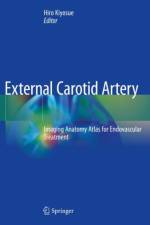
This atlas presents the detailed anatomy of the external carotid arterial branches for interventional radiology.In the last decade, interventional neuroradiology (endovascular treatment via the cerebral arteries) has advanced rapidly thanks to the development of new technological devices, such as detachable coils for brain aneurysm. Anatomical knowledge of the target vessels is essential for interventional neuroradiology, and innovative new imaging techniques like 3D angiography and image fusion techniques can depict the detailed anatomy of small vessels together with surrounding organs. This compilation provides not only 2D angiography images, but also 3D and cross-sectional images, as well as fusion images mainly based on 3D angiography, CT and MRI to further readers¿ understanding of the complicated anatomy of the small branches of the external carotid artery. It also describes the branches¿ clinical significance in endovascular treatment.The book offers a valuable resource for interventional neuroradiologists, neurosurgeons and neurologists, as well as otolaryngologists, plastic surgeons, radiology technicians, and all medical staff involved in interventional radiology.
This book provides arthroscopy techniques and applications to clinical practitioners, including sports medicine therapeutics, orthopaedic surgeons, specialist training candidates, rehabilitation clinicians. It also includes small incisions per minimally invasive surgery using a camera mounted on a thin tube to visualize, repair and reconstruct joint-associated structures. Arthroscopy technique as a minimally invasive surgical method, in Orthopeadics is not only for the treatment of intra-articular diseases but also an advanced conception for treatment of extra-articular diseases and peri-articular fractures. After performing years of arthroscopy, authors intend to provide an elite technique demonstration of each procedure, including indications, technique, complications, and results.There are three main parts of the book, including the extra-articular application of arthroscopy techniques, arthroscopic minimally invasive techniques for the treatment of intra-articular fractures, and Innovative technology for repair and reconstruction of bone and joint injuries. Key technical points and experience of arthroscopic repair of joint injuries, dislocation of joints, fixation of the intra-articular fractures, ligament release for limbs are illustrated. Special situations such as congenital torticollis, deltoid contracture, gluteal muscle contracture, bone grafting, removal of locking plate and screw and benign tumors treatment are also included.
Abonner på vårt nyhetsbrev og få rabatter og inspirasjon til din neste leseopplevelse.
Ved å abonnere godtar du vår personvernerklæring.