






Gjør som tusenvis av andre bokelskere
Abonner på vårt nyhetsbrev og få rabatter og inspirasjon til din neste leseopplevelse.
Ved å abonnere godtar du vår personvernerklæring.Du kan når som helst melde deg av våre nyhetsbrev.

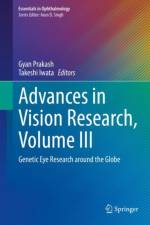
This third volume, with three supporting editors, broadens its focus on genetic eye research from the Asian to the global scale. New efforts and a new awareness have sparked important discussions on genetic eye research, and new plans are being implemented to identify the genes responsible for numerous eye diseases. The book introduces the latest findings on genetics in eye diseases, gene therapy, and genome-wide association analysis, and the efforts of the Global Eye Genetic Consortium (GEGC). The book¿s editors have been instrumental in developing strategies for discovering the new genes involved in many eye diseases. All chapters were written by leading researchers working on eye genetics from the fields of Human Genetics, Ophthalmology, Molecular Biology, Biochemistry, Sensory Sciences, and Clinical Research. Advances in Vision Research, Volume III is a major resource for all researchers, clinicians, clinical researchers, and allied eye health professionals with an interest in eye diseases around the globe.
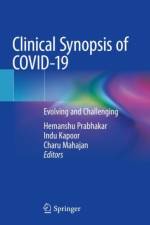
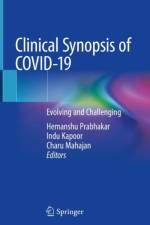
Corona virus disease or COVID-19 or SARS-CoV-2 infection is the latest pandemic that has affected humans globally. The disease has manifested itself in several forms and is now the focus of research worldwide.This book covers all the clinical aspects of the novel corona virus disease, COVID-19, which is one of the most contagious diseases ever known. It includes topics related to basic sciences, such as the virology and pathophysiology of the SARS-CoV-2 disease. It includes chapters related to symptomatology of the disease and making diagnosis, preparation of the health care workers to deal with this global pandemic. The book includes chapters on anesthetic and intensive care management of COVID-19 disease victims as these topics are of vast importance. Additionally, it includes a chapter giving insight in to the ethical aspects of the issues raised regarding disposal of bodies of the victims, as this pandemic has taken many lives across the world. It includes a chapter on special considerations to patient population such as geriatrics, pediatrics and pregnant women.The book serves as a useful resource for practitioners and clinicians in any field of medicine. It is also relevant for residents, trainees, fellows pursuing their courses in emergency medicine, anesthesia and critical care as well as postgraduates and even undergraduates. The book will serve as a ready-reckoner and useful guide for physicians from varied specialties during their clinical practice.
This book provides up-to-date guidance on the use of FDG PET to assess the biological activity and treatment response of a wide range of malignancies, including, for example, lung cancer, breast cancer, head and neck cancer, gastrointestinal cancer, and malignant lymphoma. In the era of precision medicine, numerous new anticancer agents, such as molecular targeted agents and immune checkpoint inhibitors, have been developed to improve outcomes in cancer patients. FDG PET plays a key role in evaluating the effects of these novel treatments because it can detect changes in the metabolic activity of tumors before any reduction in their size is visible on other imaging modalities. Accordingly, FDG PET is of prognostic as well as diagnostic value, and allows prompt changes in patient management. The book is written by expert clinicians from Japan, where the universal public health insurance system ensures that FDG PET is widely used in routine oncological practice and cancer screening. It represents an unrivaled and comprehensive resource that will be of value for all healthcare professionals in the field of clinical oncology.
This Open Access book presents practical approaches to managing patients affected by various rheumatological diseases, allowing readers to gain a better understanding of the various clinical expressions and problems experienced by these patients. Discussing rheumatology from an organ systems perspective, it highlights the importance ofdetailed musculoskeletal examinations when treating patients affected by rheumatological diseases. The book first explores the latest diagnostic approaches and offers key tips for accurate musculoskeletal examinations before addressing the various treatment modalities, with a particular focus on the most common joints involved in rheumatoid arthritis: the wrists and the metacarpophalangeal joints (2nd and 3rd). Featuring easy-to-understand flow diagrams and explaining the common medical problems associated with rheumatic disease, such as shortness of breath and anemia, it is not only a valuable resource to rheumatologists, but will also appeal to medical students, junior residents, and primary healthcare physicians.
This book is a superbly illustrated guide to the latest endoscopic approaches employed in surgery to the lumbar spine. In the past, spinal endoscopic surgeries have been performed mainly in the treatment of lumbar disc herniation, but indications have now expanded owing to breakthroughs in surgical methods and instruments. Furthermore, in addition to the traditional percutaneous transforaminal approach, various other approaches are now feasible, including the posterior, paraspinal, transpedicular, and contralateral. This book describes and illustrates the full array of approaches in indications including lumbar central stenosis, lumbar foraminal stenosis, and lumbar disc herniation. Detailed guidance is also provided on endoscopic lumbar interbody fusion, covering the oblique, uniportal, and biportal approaches. Supplementary surgical videos further facilitate understanding and execution of the described procedures. Written by expert spinal endoscopy surgeons with extensive practical experience and a record of academic achievement, the book will be an ideal aid for spine surgeons at all levels of experience.
This book provides detailed guidance on knee arthroscopy that reflects the very latest advances in this ever-changing field. Among the techniques covered are reconstruction of the anterior and posterior cruciate ligaments, meniscal repair and transplantation, cartilage repair by means of osteochondral allograft transplantation and autogenous osteochondral transfer, medial patellofemoral ligament reconstruction, and high tibial osteotomy. In each case, clear descriptions of technique are supported by a wealth of high-quality illustrations, with identification of potential pitfalls and how to avoid them. In addition, the latest knowledge is presented on anatomy and biomechanics. The book is written by recognized experts in sports injuries and knee disorders. It will serve as an up-to-date reference for the experienced knee surgeon and an ideal source of information for all who wish to broaden their knowledge of and improve their skills in knee arthroscopy, whether general orthopaedists,orthopaedic trainees, or sports medicine physicians.
Recent technological advances in the diagnosis of macular disorders have enhanced our understanding of these diseases. At the same time, advances in small-gauge vitrectomy instrumentation and techniques have improved the safety and efficiency of surgery, allowing macular conditions that would have otherwise resulted in blindness to be treated effectively, preserving patients¿ sight. Macular surgery continues to evolve rapidly, thanks to exciting future technology trends. This book provides a detailed and up-to-date overview of the field. It begins with essential information on macular anatomy and pathophysiology, examination techniques, and surgical instrumentation. In turn, it discusses a broad range of disease processes, including macular holes, epiretinal membrane, vitreomacular traction and myopic maculopathy. The role and benefits of advanced vitrectomy techniques including submacular surgery, prosthetic vision, robotic surgery, and stem cell and gene therapy are addressed in detail. A review of perioperative care and potential complications rounds out the coverage.
This book discusses essential aspects of diabetic foot ulcers, including evidence-based information on its pathogenesis and pathophysiology, as well as the molecular mechanisms and biomechanics of the diabetic foot. It also highlights the need for a multidisciplinary team to be involved in the management of diabetic patients with foot ulcers, and describes available and future tools for evaluating patients who are at risk. Exploring the main current therapies as well as the latest developments, future directions and potential new treatments, such as growth factors, stem cell therapy, alternative medicine and nanotechnology, the book is a valuable resource for clinicians and medical graduates but will also appeal to researchers working in the field.
This book presents the latest devices and techniques in transforaminal full-endoscopic lumbar discectomy (TELD). This minimally invasive procedure can be used to treat various spinal conditions, such as herniated nucleus pulposus, discogenic pain, foraminal stenosis, lateral recess stenosis, and infection. The book offers an overview of TELD, and discusses discectomy, thermal annulplasty (TA) and other trending topics. It also explores the history and anatomy of transforaminal full-endoscopic lumbar surgery, complications, TELD techniques, and TELD and TA for athletes. As such the book provides a much-needed foundation for the further development of this increasingly widespread procedure.Transforaminal Full-Endoscopic Lumbar Surgery Under the Local Anesthesia is a valuable resource for orthopedic surgeons, clinical residents and medical students, alike.
This book presents the latest devices and techniques in transforaminal full-endoscopic lumbar discectomy (TELD). This minimally invasive procedure can be used to treat various spinal conditions, such as herniated nucleus pulposus, discogenic pain, foraminal stenosis, lateral recess stenosis, and infection. The book offers an overview of TELD, and discusses discectomy, thermal annulplasty (TA) and other trending topics. It also explores the history and anatomy of transforaminal full-endoscopic lumbar surgery, complications, TELD techniques, and TELD and TA for athletes. As such the book provides a much-needed foundation for the further development of this increasingly widespread procedure.Transforaminal Full-Endoscopic Lumbar Surgery Under the Local Anesthesia is a valuable resource for orthopedic surgeons, clinical residents and medical students, alike.
This book provides up-to-date guidance on the diagnosis and treatment of sudden death, including sudden cardiac and non-cardiac death. Sudden death (SD) has become a major challenge confronting not only cardiologists, but also specialists in respiratory medicine, endocrine medicine, infectious diseases, etc. Chronic diseases are also among the causes of SD. This book summarizes the occurrence of SD, especially in specific groups (such as women, young and middle-aged groups), its causes, predisposing factors, lifestyle, morbidity, point of care testing, and advanced treatment methods including extra-corporeal membrane oxygenation, cardiopulmonary resuscitation and hypothermia treatment. In order to improve the early diagnosis, prevention and treatment of SD in clinical practice, the book also provides extensive data on its pathophysiological mechanism, epidemiology and etiology, together with detailed analyses.
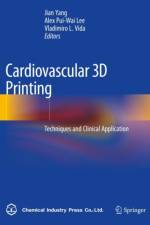
This book offers readers a comprehensive introduction to the techniques and application of 3D printing in cardiovascular medicine. To do so, it addresses the history, concepts, and methods of 3D printing, choice of printing materials for clinical purposes, personalized planning of cardiac surgery and transcatheter interventions with patient-specific models, enhancement of patient-physician communication, simulation of endovascular procedures, and advances in 3D bio-printing. The book particularly focuses on the application of 3D printing to improve the efficacy and safety of cardiac interventions, and to promote the realization of precision medical care. The book gathers contributions by an international team of experts in the field of cardiovascular medicine, who combine the latest findings with their own practical experience in using 3D printing to support the diagnosis and treatment of a wide range of cardiovascular diseases. They present in-depth discussions in the fields of congenital heart disease, valvular disease, coronary artery disease, cardiomyopathy, left atrial appendage occlusion, cardiac tumors and vascular diseases.
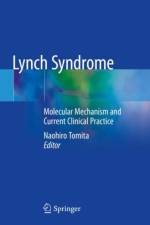
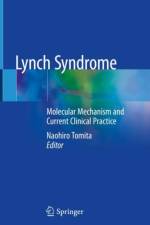
This book offers a comprehensive review of Lynch Syndrome (LS), addressing both the basic and clinical aspects of this condition.Due to the recent advances in our understanding of the genetic mechanism of LS, and to new screening methods, including universal screening and/or multi-gene panel analysis, the standard treatment strategy for patients and family members of LS have been steadily improving. In this book, experts describe the disease's manifestations, discuss state-of-the-art diagnosis and management options, and offer a cutting-edge overview of the genetic and epigenetic basis of the syndrome.Providing essential insights into this new phase in the management of LS, this book is a valuable resource not only for colorectal surgeons, but also for general gastrointestinal clinicians, gynecologists, oncologists and all basic researchers with an interest in LS.
Abonner på vårt nyhetsbrev og få rabatter og inspirasjon til din neste leseopplevelse.
Ved å abonnere godtar du vår personvernerklæring.