







Gjør som tusenvis av andre bokelskere
Abonner på vårt nyhetsbrev og få rabatter og inspirasjon til din neste leseopplevelse.
Ved å abonnere godtar du vår personvernerklæring.Du kan når som helst melde deg av våre nyhetsbrev.

The second edition of this essential book provides a practically applicable manual to a variety of procedures in interventional cardiology keeping up to date with the advancements in percutaneous interventions. All included chapters identify areas that have significantly developed, and feature step-by-step user guides for the latest cardiac intervention techniques for the treatment of various conditions and the use of devices. Many new tops have been discussed such as left main coronary interventions and how to use Cangrelor in patients requiring P2Y12 inhibition after surgery. New topics covered include how to select patients for transcatheter aortic valve replacement (TAVR), and appropriately apply in-stent restenosis methodologies. Practical Manual of Interventional Cardiology systematically describes the use of a range of simple and complex interventional cardiology procedures, and the challenges associated with utilizing these techniques.It is therefore ideal for use by practicing and trainee cardiologists seeking an easily accessible reference to apply in their everyday clinical practice.
In the past few decades, neuropathology has witnessed a resurgence. The rise of structural and functional imaging techniques has allowed pathological studies to target regions of special interest as revealed by whole-brain techniques, and the development of comprehensive software packages has facilitated cellular and pathological measurements. Furthermore, a new generation of antibodies and improved staining methods has made the field more accessible to researchers and revealed more detail than could once have been envisaged. Perhaps most important of all has been the sourcing of high-quality tissue through modern, large-scale databases covering multiple tissue banks, removing much of the heterogeneity that had made repeat studies all but impossible. The Neuropathology of Schizophrenia reviews the field following these recent improvements in techniques and contrasting more modern methods against older studies. This book presentsthe current state of neuropathological knowledge in schizophrenia by means of examination of neuropathology as informed by functional systems. It starts by considering the frontal cortical region, a particularly well-examined region of the brain, before moving through other cortical regions, subcortical pathways and the deep white matter. In addition, potential new routes for investigation are considered, particularly in glial cells.
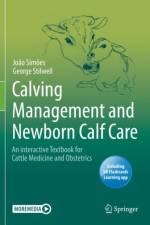
This comprehensive textbook provides detailed information on calving management in dairy and beef cattle. Enriched with diverse learning opportunities, it conveys the fundamentals of reproductive anatomy and physiology, parturition, birth complications and various obstetrical manoeuvres, as well as dam and calf care. In order to promote best practices in this specialized subject, the book covers all significant points from conception to calving and the perinatal period. Clear chapter structures, a wealth of illustrations and videos, obstetrical case studies, and question-and-answer lists round out the reading experience, making the book a unique source of information on how to support mother cows and obtain viable offspring. In addition, readers can download the free Springer Nature Flashcards App and benefit from 77 digital study questions to test their knowledge.Calving is a significant event in terms of providing care and nutrition for mother cows and calves. The reproductive health status in cattle farms is crucial to immediately initiate lactation and new conception. Assistance by technical personnel, dystocia and stillbirth occurrences can reach ca. 50%, 14% and 6% of parturitions, respectively. Hence, zootechnical and veterinary management of calving is of great importance for animal welfare.This textbook makes a valuable contribution to teaching and everyday practice in cattle medicine and obstetrics. Veterinary students, residents, practitioners and technical personnel will discover it to be a rich learning and reference resource.
This book is aimed at surgeons faced with the immediate management of acute surgical problems in a variety of resource settings. The topics covered are common in both developed and developing countries as well as in tropical and non-tropical settings. The book offers an introduction to trauma, which includes primary, secondary and tertiary surveys, trauma resuscitation, and multidisciplinary care followed by a short section on acute burns management and a discussion of a range of specific surgical topics including various of acute abdomen, upper and lower gastrointestinal bleeding, perianal conditions, oncological issues that require acute intervention, abdominal wall problems, urological emergencies and neck swellings. It also addresses the rational use of antibiotics and medications and the role of high dependency units. Each chapter includes a flow chart algorithm with multiple endpoints that relate to the resource situations available to the surgeon. The book is of interest to clinicians dealing with changes in acute surgery and the increasing disparity between developed and developing countries
This book provides a comprehensive review of the basic science of the mitral valve needed to begin to comprehend both normal and the failing valve. This knowledge is infrequently discussed in the clinical arena, with a rush towards definition of lesions based on limited analysis. It provides a ready single source of the most important basic science subjects pertaining to the valve, and the pathologies found therein, and thus a more complete understanding of the factors that result in dysfunction may be appreciated. Mitral Valve Disease: Basic Sciences and Current Approaches to Management includes chapters on embryology and anatomy, including details of structural, comparative and functional features. Since the valve is completely influenced by genetics and molecular biology, subjects rarely if ever addressed in the clinical arena, these topics receive in-depth attention. Coverage concludes with lengthy discussions of the importance of multi-disciplinary work, along with the importance of the electrophysiological disturbances encountered in some groups of these patients. It therefore is an essential and up-to-date resource for the practicing and trainee cardiac surgeon and any researcher working within this topic.
Boys and men with eating disorders remain a population that is under-recognized and underserved within both research and clinical contexts. It has been well documented that boys and men with eating disorders often exhibit distinct clinical presentations with regard to core cognitive (e.g., body image) and behavioral (e.g., pathological exercise) symptoms. Such differences, along with the greater likelihood of muscularity-oriented disordered eating among boys and men, emphasize the importance of understanding and recognizing unique factors of clinical relevance within this population.This book reviews the most up-to-date research findings on eating disorders among boys and men, with an emphasis on clinically salient information across multiple domains. Five sections are included, with the first focused on a historical overview and the unique nature and prevalence of specific forms of eating disorder symptoms and body image concerns in boys and men. The secondsection details population-specific considerations for the diagnosis and assessment of eating disorders, body image concerns, and muscle dysmorphia in boys and men. The third section identifies unique concerns regarding medical complications and care in this population, including medical complications of appearance and performance-enhancing substances. The fourth section reviews current findings and considerations for eating disorder prevention and intervention for boys and men. The fifth section of the book focuses on specific populations (e.g., sexual minorities, gender minorities) and addresses sociocultural factors of particular relevance for eating disorders in boys and men (e.g., racial and ethnic considerations, cross-cultural considerations). The book then concludes with a concise overview of key takeaways and a focused summary of current evidence gaps and unanswered questions, as well as directions for future research. Written by experts in thefield, Eating Disorders in Boys and Men is a comprehensive guide to an under-reported topic. It is an excellent resource for primary care physicians, adolescent medicine physicians, pediatricians, psychologists, clinical social workers, and any other professional conducting research with or providing clinical care for boys and men with eating disorders. It is also an excellent resource for students, residents, fellows, and trainees across various disciplines.
This book comprehensively and critically discusses chronicity as a crucial challenge for the future of medicine in an era of aging populations and the steady growth of non-communicable comorbidities. It describes how health systems that are still designed and based on the treatment of acute diseases are suffering from crowded emergency rooms and growing conflicts between patients, while medical staff increasingly face frustration and the risk of burn-out. The author not only shares her own clinical and personal experience in the care of end stage COPD or ALS patients with respiratory insufficiency, but also explores how primary care, incremental medicine and initiative medicine can improve the care provided for these patients. In turn, the book examines how developing countries are facing the chronicity issue in their daily struggles with communicable diseases like diarrhea and infections, and with non-communicable ones like obesity, diabetes and asthma. It also discusses the cost-related challenges that could accompany a possible paradigm shift from chronic to curable status, as was the case with hepatitis C. Due to the inevitable link between chronicity and end of life, the author tactfully addresses palliative care, focusing on the importance of shared decision-making as well as a full awareness of the future scenarios. Uniquely reflecting life-long clinical experience and stimulating discussion on a highly topical issue, this book appeals to a wide readership, from health professionals through caregivers to patients with chronic conditions.
This book offers a selection of pertinent patient case-presentations in the field of rhinology, anterior skull base and facial plastics surgery. It further explores the evidence-based management of simple to complex clinical presentations. Each chapter start with the diagnosis and progresses from medical or surgical treatment to the post-operative follow up of the presented clinical condition. The various case reports are concise; however, sufficiently comprehensive and cover conditions from emergencies in adult and paediatric rhinology, to elective care, sino-nasal and anterior skull base neoplasms systemic diseases affecting the nose and paranasal sinuses, and underpinned by illustrations, imaging, and intra-operative photographs to emphasize the clinical approach. Rhinology and Anterior Skull Base Surgery - A Case-based Approach is a highly informative and carefully presented book, providing insights for exam candidates, trainees, general practitioners, rhinologists and otolaryngologists with an interest in anterior skull base, facial plastics and rhinology.
This unique book discusses the management of neurocritical care patients, including basic concepts, pathophysiologic principles, monitoring, treatment indications, and factors that affect outcomes in patients requiring neurocritical care assistance.It addresses the need to improve continuing education in this area, highlighting patient care in the perioperative period. This is the first book to provide a simplified overview for neurosurgeons and neurologists to understand the neurocritical patient journey. It is divided into three parts: the first covers the basics concepts, from monitoring to the interpretation of exams; the second explores general management of specific situations encountered in intensive care and the last part includes prognostic and rehabilitation models, as well as new perspectives. Thanks to the accessible, neurosurgical specific language, the book is well suited for all professionals involved in neurocritical care, including students, but is also a valuable resource for residents and researches, as well as experienced neurosurgeons or neurologists looking for updated information and guidelines.
This book offers a comprehensive and detailed overview of specific sports-related injuries and a valuable guide for decision-making to establish the best strategies to prevent and manage such injuries. As a thorough understanding of each sports modality plays a key role, both in injury prevention and management, a dedicated chapter is devoted to each sports discipline. An international panel of authors examines all most popular individual and team sports ¿ including athletics, swimming, combat sports, cycling, tennis, American football, baseball, basketball, soccer and volleyball, just to mention a few. Three additional chapters present special aspects related to sports injuries: mental health concerns in athletes, radiological assessment and patient reported-outcomes tailored to sports medicine.All chapters share a consistent format, starting with a brief presentation of the sport and its history, and then discussing its dynamics, physical demands on the athlete, common sports-related injuries, biomechanics of injuries, first aid on the field, and injury prevention. This book offers valuable resource to orthopaedists, sports physicians as well as physiotherapists practicing in the field of sports-related injuries.
This volume addresses gaps in the existing literature of global mental health by focusing on the ethical considerations that are implicit in discussions of health policy. In line with trends in clinical education around the world today, this text is explicitly designed to draw out the principles and values by which programs can be designed and policy decisions enacted. It presents an ethical lens for understanding right and wrong in conditions of scarcity and crisis, and the common controversies that lead to conflict. Additionally, a focus on the mental health response in ¿post-conflict¿ settings, provides guidance for real-world matters facing clinicians and humanitarian workers today. Global Mental Health Ethics fills a crucial gap for students in psychiatry, psychology, addictions, public health, geriatric medicine, social work, nursing, humanitarian response, and other disciplines.
This book provides a comprehensive, practically applicable guide to the use of CT virtual hysterosalpingography for evaluating gynaecological pathology and infertility in women. It features detailed descriptions of normal and pathologic findings across the female reproductive system, including the cervix, uterine wall and cavity, and Fallopian tubes, and compares the findings with other imaging modalities such as ultrasound, X-ray hysterosalpingography and MRI. The interpretation of post-treatment findings and commonly encountered pitfalls are also covered in detail. Clinical Atlas of CT Virtual Hysterosalpingography compares the use of a variety of imaging modalities to assess female infertility, and is a valuable resource for medical professionals who encounter these patients in their clinical practice.
This book provides a comprehensive overview of the diagnosis and management of diseases of the biliary tree. Topics covered include: congenital biliary abnormalities, genetic cholangiopathies, autoimmune cholangiopathies, inflammatory and drug-related cholangiopathies, and cholangiocarcinoma. Given their particular importance (even for clinicians working with adults), pediatric conditions are also examined. In addition, a special section is devoted to pregnancy and diseases of the biliary tree, and to transplants and diseases of the biliary tree. Each chapter offers up-to-date information on the management of the diseases discussed. Moreover, the book addresses new treatments for autoimmune cholestatic liver diseases, reflecting the new therapeutic targets that have recently been discovered. Examples include farnesoid X receptor (FXR) and peroxisome proliferator-activated receptor (PPAR)-agonists, together with new drugs that affect the composition of bile flow. Given its scope, the book offers a valuable guide for a broad range of practitioners.
Abonner på vårt nyhetsbrev og få rabatter og inspirasjon til din neste leseopplevelse.
Ved å abonnere godtar du vår personvernerklæring.