









Gjør som tusenvis av andre bokelskere
Abonner på vårt nyhetsbrev og få rabatter og inspirasjon til din neste leseopplevelse.
Ved å abonnere godtar du vår personvernerklæring.Du kan når som helst melde deg av våre nyhetsbrev.

This book provides a comprehensive analysis of the contemporary management of all aspects of traumatic brain injury (TBI), combining the findings of several recent randomised controlled trials investigating the role of hypothermia, erythropoietin, intracranial pressure monitoring and decompressive craniectomy in the management of TBI. The book is divided into four sections: the first section covers the epidemiology of TBI, the changing global patterns of presentation, and the basic pathophysiology and classification, while the second discusses contemporary management of TBI, from pre-hospital care, emergency assessment, and medical and surgical management to rehabilitation and social reintegration. The third section then examines the evidence gained from recent clinical trials that have investigated the efficacy of management strategies involving intracranial pressure monitoring, multimodal monitoring, hypothermia, erythropoietin, thromboembolic prophylaxis and decompressive craniectomy. Lastly, the fourth section explores the ethical issues, both at the societal level and on an individual basis. Written by a broad range of experts, this book provides a valuable reference resource for neurosurgeons, intensivists, clinicians with ethical experience and pure bioethicists in their daily work.
Cartilage injuries of the knee are common, and diagnosis and treatment options have continued to evolve. This book focuses on current non-operative and surgical treatment strategies for articular cartilage injuries, highlighting the controversies and different approaches from an international perspective. This book includes information on the basic science of cartilage structure and function, expert perspectives on imaging and diagnosing, as well as work-up of athletes and patients presenting with acute or chronic cartilage injury. It also provides an evidence base for current cutting-edge cartilage repair and restoration. Written by leading experts in the field, the book, published in collaboration with ISAKOS and ICRS, is vital reading for orthopaedic and sports medicine surgeons, fellows and residents. It is also of interest to sports trainers, physiotherapists, medical students, postgraduate students, and physical medicine and rehabilitation specialists.
The book covers the most innovative, contemporary, and common plastic surgery procedures, and aims to improve both reconstructive and aesthetic surgical results while decreasing the incidence of complications. In doing so, patient satisfaction, quality of care, and safety are enhanced. The text provides a wealth of knowledge seeking to enhance results, reduce morbidity, and ensure patient satisfaction. The book consists of five parts, running the gamut of Aesthetic Surgery, Reconstructive Procedures, Pediatric and Craniomaxillofacial Surgery, Adjunctive Procedures, and finally Hand and Upper Extremity. Written by experts in the field, each chapter describes tips and tricks through clear technical details, medical illustrations and, in some chapters, detailed videos. Tips and Tricks in Plastic Surgery serves as a valuable resource for clinicians, professionals and practitioners, as well as medical students on rotation.
This book is a comprehensive guide to 3D printing and 3D bioprinting methods and their application in oral and maxillofacial surgeries. Among the 3D printing methods considered are fused deposition modeling, selective laser sintering, photopolymer jetting, powder binder printing, and stereolithography, while the coverage of 3D bioprinting encompasses inkjet, microextrusion, and laser techniques. In each case, the relevance of the technique to oral and maxillofacial surgery is explained. In addition, the available inks and bioinks for 3D printing are reviewed. The roles of soft and hard tissue printing in oral and maxillofacial tissue engineering and the use of 3D printing in multi- and interfacial tissue engineering are then examined in depth. The particular value of 3D printing in the treatment of critically sized defects is discussed separately. Finally, up-to-date information is provided on guided tissue/bone regeneration using 3D printing. The book will be of interest to both oraland maxillofacial surgeons and biomedical engineers.
Tumors involving peripheral nerves may be extremely challenging lesions to diagnose and treat. In order to optimize their management, physicians should have a thorough knowledge of peripheral nerve anatomy and pathology (both gross and microscopic), as well as familiarity with microsurgical techniques and intraoperative neurophysiological recording.This compendium deals with all aspects of tumors affecting peripheral nerves, from diagnosis to treatment; the topics it addresses range from epidemiology, anatomy, physiology, pathology, and clinical diagnosis to electrophysiology, imaging, genetic/cytomolecular aspects. Surgical approaches, biopsies and resection of various benign, malignant and pseudo-tumoral lesions, plexus tumors (both brachial and lumbosacral), and adjunctive treatment modalities and pain-related issues are described in detail.The book is intended not only for neurosurgeons, hand surgeons, plastic and orthopedic surgeons new to the field, but also for seasoned specialists who wish to update their knowledge with new insights based on robust experimental and clinical material. In addition, it will be a helpful tool for general and oncological surgeons who are sometimes faced with the treatment of mass lesions that may be potential nerve tumors, and for all practitioners who are engaged in the arduous struggle to bring relief to patients affected by these lesions.
This book focuses on the placement of vascular access devices under emergent conditions, including the techniques and devices needed to achieve successful device deployment in even the most critically-ill patient.Up-to-date references and evidence for best practices are provided, informing both the novice and experienced healthcare provider. Each chapter is meticulously researched, including individual chapters focusing upon peripheral intravenous, intraosseous, central venous, and ultrasound-guided catheter placement. Device selection and emergent decision-making are discussed at length, including such crucial determinants as infusion flow rates, device limitations, issues with medication incompatibility, complications of line placement, and the relative indications and contraindications associated with various vascular access approaches.Emergent Vascular Access is an essential resource for any healthcare provider who places or manages vascular access devices in critically-ill patients, including emergency and ICU physicians, residents, rapid response providers, EMS paramedics, patient care technicians, medical students, and nurses.
This book aims to address a number of controversies concerning the use of testosterone treatment. It explains topics that clinicians regularly encounter such as whether to use free or total testosterone in the evaluation of the patient with testosterone deficiency; what factors actually impact testosterone levels, polycythemia, gynecomastia, bone density, and hyperprolactinemia in the testosterone deficient patient; critical analysis of the numerous questionnaires that are available to clinicians; and the impact of testosterone therapy on male fertility, cardiovascular disease, and prostate events including prostate cancer. Guiding the reader in both evaluation and management, the book also illuminates novel concepts in the T space such as testosterone use in the transgender population, T therapy as an endothelial modulator, bipolar testosterone therapy in the patient with advanced prostate cancer, and testosterone therapy as a performance enhancer.Controversies in Testosterone Deficiency is intended for any clinician involved in the care of patients with testosterone deficiency, exploring hot topics and correcting existent misinformation in the routine care of patients.
Approaches to complex pelvic surgery have changed dramatically in recent years thanks to the development of the entire field of orthopedic surgery.This volume focuses on the mastery of diagnosis, management and operative techniques for tumors of the pelvis. It also provides a thorough understanding of how to select the best procedure, how to avoid complications, and what outcomes to expect. Written by experts from leading institutions around the globe, it is a comprehensive reference on treating the full range of musculoskeletal tumors frequently encountered in the pelvis. It offers an overview and an update on the epidemiology, principles of initial assessment, clinical presentation and imaging characteristics of pelvic tumors, guiding clinicians through key questions for developing a differential diagnosis and selecting the appropriate surgical technique.This book is an indispensable resource for orthopedists, oncologists, as well as radiologists and pathology specialists treating patients with bone and soft-tissue tumors.
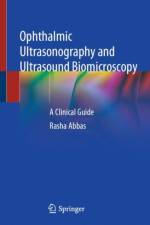
This book provides a visual overview of how to master ultrasonography and ultrasound biomicroscopy techniques. Updated ultrasonic information is included in a simple brief way, featuring didactic points, with a variety of documented scans and illustrated lines underneath for more clarification. Each pathology is accompanied with several scans of different findings to give more information of distinct detections.Ophthalmic Ultrasonography and Ultrasound Biomicroscopy: A Clinical Guide examines many clinical complexities with possible solutions when performing and interpreting ultrasound while also breaking down information for easier intake. The clinical cases are from a specialist eye hospital where many complicated cases are treated, giving a unique insight for the reader to understand treatment for a variety of cases. The book also emphasises the importance of everyday cases with further explanation whilst utilising a diversity of pictures and labels.
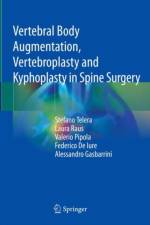
This book offers an updated and comprehensive review of the role of vertebroplasty, kyphoplasty and augmentation techniques in all fields of orthopedic surgery, neurosurgery, and interventional radiology. Addressing the latest advances in terms of the materials used and combined approaches with other mini-invasive techniques, it reveals how vertebroplasty, kyphoplasty and various augmentation techniques could become instrumental to helping patients with specific vertebral compression fractures or other diseases of the vertebral column. The book includes a detailed history of the techniques¿ development, descriptions of the materials used in the last twenty years, and extensive information on the biomechanical basis, anatomy and current indications for vertebroplasty, kyphoplasty and augmentation. In addition, it highlights representative cases to enhance readers¿ understanding of each topic, and particular attention is paid to the innovative evolution of the techniques and to their combination with other mini-invasive approaches, stents and brachytherapy. Given its scope, the book offers a valuable guide for all neurosurgeons, orthopedic surgeons, and interventional radiologists whose work involves spine pathologies and their treatment.
Completely revised and updated, this book now outlines changing patterns in eye trauma, corneal surgery and glaucoma; developments in molecular genetics in uveal melanoma; and diagnostic techniques for intraocular lymphoma. Information on new treatments for vascular disease in diabetic eye disease and wet age related macular degeneration is now included and the chapter on the orbit has many new additions. Recently identified causes of inflammation in the eye including drug reactions are described, as are the effects of topical therapies in basal cell carcinoma.Well-illustrated and practically-oriented, this book has retained its general layout and style. The visual image remains key to explaining the pathological processes and this is facilitated by full color photography throughout the text. It helps both the pathologist and ophthalmologist understand the process that a specimen must go through prior to producing a report and how these various techniqueshelp to refine the diagnosis. The fourth edition of Lee¿s Ophthalmic Histopathology is an invaluable reference source for ophthalmic pathologists, general pathologists and ophthalmologists.
This book aims to be a single point of reference for advances in the care of geriatric populations across medical and surgical specialties. The aging population is a unique demographic with its own health challenges. Geriatricians are specifically trained to address these challenges but few medical students or residents enter geriatrics, even as the demand for geriatric expertise increases. The practices of many medical and surgical specialists are dominated by older patients who may themselves see many specialists but rarely visit geriatricians. This updated edition elucidates the most common medical conditions seen in aging patients and translates approaches to those conditions for physicians across specialties. Divided into three sections that assemble crosscutting issues, medical specialties, and surgical and related specialties, this book serves as a guide for clinicians of all backgrounds who will work with older patients as the demographic ages further.This second edition of Geriatrics for Specialists expands the number of specialist chapters to reflect growth in research in aging and clinical care for older people in dermatology, plastic surgery, and behavioral neurology. All original chapters from the first edition are extensively revised and updated to reflect the rapid growth of new knowledge in the field.
This book comprehensively addresses the use of pulmonary function measurement for the evaluation, screening and timing of noninvasive mechanical ventilation (NIMV) from hospital to home care. To do so, it describes three clinical stages of NIMV support: before NIV, to detect early markers and determine whether NIV is appropriate; during NIV, to evaluate NIV response; and in long-term NIV support.Additionally, it assesses a range of complementary health care organizations (pulmonary function labs, pneumology wards, semi-intensive care units and home mechanical ventilation programs), techniques (chest physiotherapy/airway secretions, etc.) and applications.In closing, the book offers practical recommendations on how noninvasive ventilation and lung function measurement can improve outcomes and quality of life, making it a valuable resource for all specialists, e.g. intensivists and pneumologists, as well as anesthesiologists and therapists.
This book provides a comprehensive review of the epidemiology, pathogenesis, diagnosis, and management of chordomas of the mobile spine and sacrum. Historically, knowledge about how to deliver such state-of-the-art care has not been widespread, resulting in inconsistent treatment, and, all too often, suboptimal outcomes for chordoma patients. This text is an important step towards broadening that knowledge, and, in turn, improving the care provided to chordoma patients. The book is divided into 4 parts comprising 16 chapters. The first part focuses on the pathophysiology and molecular drivers of chordoma. The second focuses on the epidemiology and clinical history, as well as the histological, oncologic, and radiographic work-up of chordoma. The third part focuses primarily on the technical aspects of surgery for chordoma. It is broken down by anatomic region, with the final two chapters focusing on the soft tissue and bony reconstruction following chordoma resection. The last part focuses on the exciting field of adjuvant therapies for chordoma. This includes both radiation therapies and novel chemotherapeutic options for recurrent, metastatic, and dedifferentiated chordoma. Written by world experts from leading chordoma centers, Chordoma of the Spine serves as a valuable reference for spinal oncologists and general spine surgeons who may encounter chordoma patients in their practice. It provides the most up-to-date evidence regarding all aspects of treating patients with this disease. By focusing on this specific pathology of the spine, this resource condenses expert-level research into understandable treatment algorithms.
Now in a fully revised and expanded second edition, this comprehensive text remains a timely and major contribution to the literature that addresses the neuromechanisms, predispositions, and latest developments in the evaluation and management of concussive injuries. Concussion, also known as mild traumatic brain injury, continues to be a significant public health concern with increased attention focusing on treatment and management of this puzzling epidemic as well as controversies within the field. The book is comprised of five thematic sections: current developments in evaluation; biomechanical mechanisms; neural substrates, biomarkers, genetics and brain imaging; pediatric considerations; and clinical management and rehabilitation. Since the publication of the original edition in 2014, much has changed regarding the current understanding of mild traumatic brain injury including development of more precise imaging modalities, development and classification of new biomarkers, and updates to clinical treatment and management of athletic concussion. This new edition will include new chapters targeting the influence of genetics on concussive injury, as well as an expansion on the knowledge of pediatric response to concussion and the influence of repetitive subconcussive impacts on athlete health.An invaluable contribution to the literature, Concussions in Athletics: From Brain to Behavior reestablishes itself as a state-of-the-art reference that will be of significant interest to a wide range of clinicians, researchers, administrators, and policy makers, and this updated version aims to narrow the gap between research findings and clinical management of sports-related concussion and other mild traumatic brain injury. The second edition also attempts to broaden the scope of the knowledge to apply to more professionals and pre-professionals in the fields of neuroscience, neuropsychology, and other allied health professionals that closely work with athletes and sports medicine professionals.
This book is a comprehensive and easy-to-read guide to obstetrics and gynecology in developing countries. Although significant progress has been made towards the reduction of maternal mortality and morbidity globally, they are still unacceptably high in developing countries. This can be directly or indirectly tied to poor quality maternal health care and lack of access to cost-effective, comprehensive healthcare. Health practitioners in developing countries also contend with trying to keep abreast of recent developments in obstetrics and gynecology while dealing with lack of time, resources, and access to relevant information. This textbook was thus created by experts in obstetrics and gynecology with extensive experience in African clinical settings and consultants in developed countries to teach proper and accurate diagnosis, treatment and management of gynecologic and obstetric health issues within the context of developing countries.This second edition has been fully updated throughout with an added 25+ chapters that cover topics such as reproductive health, gynecological cancers and research methods. The book is divided into six sections: Women¿s Reproductive Health; Obstetrics; Medical and Surgical Disorders in Pregnancy; General Gynecology; Gynecological Malignancies; Health Systems Organization, Research Methodology and Biostatistics. These section topics have been carefully covered by expert authors with the use of valid scientific data, policy instruments, and adapted to the cultural and social context of developing countries, with particular in depth coverage of conditions that have greater prevalence and incidence in developing countries. Each chapter also focuses on filling gaps in knowledge with a distinct pedagogical approach, starting with a set of learning objectives and ending with key takeaways for the chapter.This is an ideal guide for residents, medical students, practitioners of obstetrics and gynecology, midwives, general practitioners, and pediatricians, particularly those working in developing companies.
This book provides a clinically useful resource for evaluation and management of the symptoms and issues that burden survivors of breast cancer. Improvements to breast cancer screening and treatment have resulted in more patients than ever before having been cured after local definitive and systemic therapies. Primary care providers and specialists must be increasingly familiar with the issues that breast cancer survivors routinely face. This is the first book to provide a single resource for common issues faced by breast cancer survivors from a truly multidisciplinary perspective; each chapter of this text is coauthored by at least one oncologist and one specialist outside the field of oncology in order to include the perspectives of relevant disciplines. User-friendly and clinically applicable to all specialties, individual chapters also include tables and figures that describe how best to conduct initial evaluation of the given symptom as well as an algorithm, where applicable, outlining the optimal management approach. Common Issues in Breast Cancer Survivors: A Practical Guide to Evaluation and Management empowers non-cancer specialists and practitioners who care for breast cancer survivors to address common issues that impact patient quality of life.
This book provides an up-to date, extensive, and focused review of complex regional pain syndrome (CRPS). It reflects the current scientific understanding of the disorder, describes appropriate treatment recommendations, and explores future directions of diagnosis and treatment. Divided into three sections, the first section covers the etiology and pathology of CRPS. The following section offers treatments and emerging advances in evaluation and/or treatment. The book then closes with an exploration of varying patient populations. Each chapter is authored by specialists experienced with CRPS research and treatment. Additionally, the review and recommendations provided reflect careful consideration of evidence-based medicine and medical consensus guidelines. Complex Regional Pain Syndrome targets a range of healthcare specialties including pain management, rheumatology, neurology, internal medicine, and family practice.
This book, now in a revised and updated second edition, provides a review of imaging abnormalities in orthopedic sports injuries. The first part of the book includes background information on relevant basic science and general imaging principles in sports traumatology, while the second part discusses the topography of various sports injuries. Each chapter highlights the merits of different imaging techniques, focusing on a specific clinical problem. The third part then examines natural history and monitoring. Several new chapters have been added, including a chapter on postoperative joint imaging in the sports patient as well as image-guided interventions in sports injuries.This well-illustrated book written by leading experts is a valuable resource for musculoskeletal as well as general radiologists, orthopedic surgeons, sports physicians, physiotherapists and anyone else involved in sports medicine.
Abonner på vårt nyhetsbrev og få rabatter og inspirasjon til din neste leseopplevelse.
Ved å abonnere godtar du vår personvernerklæring.