








Gjør som tusenvis av andre bokelskere
Abonner på vårt nyhetsbrev og få rabatter og inspirasjon til din neste leseopplevelse.
Ved å abonnere godtar du vår personvernerklæring.Du kan når som helst melde deg av våre nyhetsbrev.

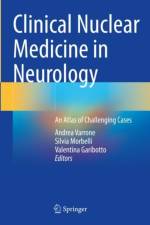
This book gathers a collection of cases with challenging diagnoses, in which nuclear medicine examinations have been particularly helpful in terms of the final diagnosis or follow-up. The cases presented chiefly involve patients with neurodegenerative disorders, epilepsy and brain tumors. The book is intended for nuclear medicine specialists as well as clinicians, offering essential guidance on the interpretation of neurology cases in the clinical setting, particularly with regard to correctly interpreting diagnostic imaging procedures. The authors were selected from the members of the Neuroimaging Committee of the EANM and have extensive experience as clinicians and teachers within the Nuclear Medicine Community.
This book presents the latest evidence-based guidelines for perinatal management and is designed to help obstetricians and neonatologists minimize complications and offer patients the best possible care.Since 1960, there has been a significant increase in basic and clinical investigations on normal and pathological pregnancy in the developed world. This has provided insights into the physiopathology of pregnant women, fetuses and newborns and led to the development of new technologies, bringing about a new medical subspecialty: perinatal medicine. The book is divided into eight main sections: The first examines basic periconceptional care and discusses the ethical aspects of perinatology. The next section focuses on prenatal considerations, such as the nutritional aspects of gestation and puerperium, physical exercise during pregnancy, routine laboratory tests, prenatal care of multiple gestations and the role of the neonatologist in prenatal care. The third and fourthsections then explore fetal evaluation, and clinical intercurrences in pregnancy, respectively. The next section addresses pregnancy complications: prevention, diagnosis and management. The sixth section covers the basic aspects of congenital infections and the seventh examines labor and delivery aspects. Lastly, the final section includes chapters on neonatal assistance.Written by leading experts in obstetrics, neonatology, and perinatology, this thoroughly updated, comprehensive resource reflects the latest information in all areas, including genetics and imaging.
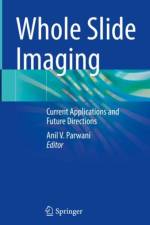
This book provides up-to-date and practical knowledge in all aspects of whole slide imaging (WSI) by experts in the field. This includes a historical perspective on the evolution of this technology, technical aspects of making a great whole slide image, the various applications of whole slide imaging and future applications using WSI for computer-aided diagnosis The goal is to provide practical knowledge and address knowledge gaps in this emerging field. This book is unique because it addresses an emerging area in pathology for which currently there is only limited information about the practical aspects of deploying this technology. For example, there are no established selection criteria for choosing new scanners and a knowledge base with the key information. The authors of the various chapters have years of real-world experience in selecting and implementing WSI solutions in various aspects of pathology practice. This text also discusses practical tips and pearls to address the selection of a WSI vendor, technology details, implementing this technology and provide an overview of its everyday uses in all areas of pathology. Chapters include important information on how to integrate digital slides with laboratory information system and how to streamline the ¿digital workflow¿ with the intent of saving time, saving money, reducing errors, improving efficiency and accuracy, and ultimately benefiting patient outcomes.Whole Slide Imaging: Current Applications and Future Directions is designed to present a comprehensive and state-of the-art approach to WSI within the broad area of digital pathology. It aims to give the readers a look at WSI with a deeper lens and also envision the future of pathology imaging as it pertains to WSI and associated digital innovations.
This book is an academic and practical guide to the diagnostic methods and management strategies for both common and rare scrotal diseases. Chapters focus on the normal anthropometric measures of the scrotum as a unique organ and the latest relevant advancements in the field. Techniques including scrotal reconstruction for congenital abnormalities, trauma, and cancer-related extirpation are all covered. Critical tools and methods related to aesthetics are also detailed. Emphasis is also placed on identifying common pitfalls and how to avoid them, ensuring that the reader is fully equipped to deal with a range of scenarios.Normal and Abnormal Scrotum describes how to approach diagnosing and managing the entire range of scrotal diseases, making it essential for all general practitioners, pediatricians, urologists, and pediatric and aesthetic surgeons who encounter these patients in their day-to-day practice.
Utilizing clinical case material of children with diabetes insipidus (DI), this concise, practical pocket guide will provide clinicians with the best real-world strategies to properly diagnose and manage the various manifestations of the disorder they may encounter. It presents a detailed cross-section of pediatric patients, with different etiologies of the disease and possible complications, to provide sensible management scenarios to physicians treating patients with DI. The cases presented include diagnostic strategies and radiological findings for familial and nephrogenic DI as well as DI resulting from hypophysitis, germ cell tumors, Rathkes Cleft Cysts, Langerhans Cell Histiocytosis, craniopharyngiomas, genetic causes, and congenital malformations. Each case focuses on a specific learning objective with clinical pearls, and together these cases represent a comprehensive understanding of children with DI from many aspects.Managing pediatric patients with DI isa threefold challenge of determining the diagnosis, etiology and treatment. Pragmatic and reader-friendly, Diabetes Insipidus in Children is an excellent resource to assist endocrinologists and other clinicians caring for patients with this disease.
This book is written for providers of broad training backgrounds, and aims to help those who care for people with EDs, overweight and obesity provide evidence-based care. The goal of the book is to provide these providers with a straightforward resource summarizing the current standard of care. However, it goes further by also introducing the concept of food addiction (FA) as a model to understand some forms of overeating. This book discusses the pros and cons of embracing FA and reviews the evidence for and against the validity and utility of FA. By doing so, the chapters convey a ¿middle ground¿ approach to help people with obesity, BED, and bulimia nervosa plus FA symptomatology who also want to lose weight. The text discusses FA by reviewing several of the main ongoing controversies associated with the construct. It reviews both the clinical and neuroscientific evidence that some individuals¿ eating behavior mirrors that seen in substance use disorders (SUD), such as how their relationship with food appears to be ¿addictive¿. Chapters also discuss how many of the mechanisms known to underlie SUDs appear to drive overeating in animal models and humans. Finally, the text argues that the similarities between the brain mechanisms of addictive disorders and overeating behavior has the potential to open up new avenues for current treatment and treatment development. Food Addiction, Obesity and Disorders of Overeating: An Evidence-Based Assessment and Clinical Guide is suited for both medical and mental health practitioners, including physicians in primary care or psychiatry, nurses, psychologists, social workers, medical students and medical residents. It could also be utilized by researchers in obesity and ED fields, stimulating ideas for future research and study design.
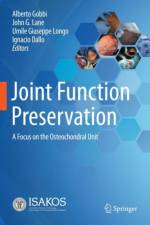
This user-friendly, pragmatic book discusses the normal and pathological conditions of the appendicular skeleton, with a focus on the preservation of joint function, providing a detailed overview of strategies for both common and complex joint preservation.The first section covers basic topics, ranging from joints homeostasis and biomechanics, to genetics, bio-orthopedics, tissue engineering and 3D bioprinting. The following sections are each dedicated to a specific joint ¿ its functional anatomy, pathologic conditions, diagnostics and treatment.This book is of interest to orthopedists and sports medicine specialists treating common and complex injuries of the joints.
This book is devoted to COVID-19 associated coagulopathy, one of the main determinants of mortality. The volume, intended as a guide, will lead the reader in a pathway starting from pathophysiology and passing through laboratory data, clinical aspects, imaging, and therapeutic options. Written in the middle of the second wave, the book is the first addressing the topic and summarizing the results of studies and articles meanwhile published, thus representing a unique tool for clinicians fighting the disease. The Coagulation Labyrinth of Covid-19 is intended for clinicians working with acute and sub-acute ARDS cases: intensivists, anesthesiologists, cardiologists, hematologists, who will find in it an essential guide to manage the COVID-19 pandemic.
This concise and handy book offers practical guidance to orthopedic surgeons and residents willing to master knee arthroscopy techniques in their daily practice. Based on scientific evidence but also mirroring expert know-how and best practices, it equips readers with essential information, tips and tricks to avoid and prevent intraoperative minor and major complications.Clearly and uniformly written, and featuring a wealth of intraoperative pictures, the book guides readers step-by-step through each of the presented arthroscopic procedures ¿ from patient positioning, through meniscal suture approaches and hamstring grafting, to ACL, PCL and MPFL reconstructions.Covering all the basic and practical aspects this book is a must-read for residents and young orthopedic surgeons wanting to gain insights into this surgical technique and valuable tool for practicing orthopedists, sports physicians and physiotherapists with an interest in knee arthroscopy.
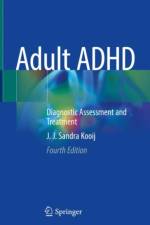
This updated volume provides a clinical based overview of the assessment and treatment of ADHD in adults by a clinical researcher with extensive experience. Its practical focus allows each chapter to answer common questions encountered within clinical practice. Differential diagnosis of ADHD is also discussed in relation to comorbidity with bipolar disorder, borderline personality disorder, chronic fatigue syndrome, and chronic delayed sleep phase. Adult ADHD: Diagnostic Assessment and Treatment, fourth edition aims to help readers identify ADHD effectively and put in place suitable treatments. The book is relevant for psychiatrists, neurologists, and healthcare professionals involved in the diagnosis and treatment of adult ADHD.
This book provides a practical overview of the treatment and management of celiac disease. It examines new data which can be merged with clinical aspects to provide a global perspective for the busy clinician. The disease represents 1% of the population and often goes unnoticed for a long time; however, this book aims to reduce the instance of misdiagnoses of symptoms by providing clear guidance in a single book, with contributions from esteemed experts in the field. Advances in Celiac Disease - Improving Paediatric and Adult Care addresses the clinical characterisation of the disease, in both paediatric and adult populations. The clinical symptoms are clearly defined as well as treatment options and follow-up. This book will be an essential resource for clinicians seeking a clear, concise resource to identifying, treating, and managing celiac disease in both adults and children.
This book serves as a reference and comprehensive guide for PET/MR neuroimaging. The field of PET/MR is rapidly evolving, however, there is no standard resource summarizing the vast information and its potential applications. This book will guide neurological molecular imaging applications in both clinical practice and the research setting. Experts from multiple disciplines, including radiologists, researchers, and physicists, have collaborated to bring their knowledge and expertise together. Sections begin by covering general considerations, including public health and economic implications, the physics of PET/MR systems, an overview of hot lab and cyclotron, and radiotracers used in neurologic PET/MRI. There is then coverage of each major disease/systemic category, including dementia and neurodegenerative disease, epilepsy localization, brain tumors, inflammatory and infectious CNS disorders, head and neck imaging, as well as vascular hybrid imaging. Together, we have created a thorough, concise and up-to-date textbook in a unique, user-friendly format. This is an ideal guide for neuroradiologists, nuclear medicine specialists, medical physicists, clinical trainees and researchers.
Penile implants have been an effective treatment for erectile dysfunction (ED) for more than 40 years. However, there is now a growing interest in this treatment option, as the number of procedures is expected to increase in the future. This book offers a reference guide for all those practitioners interested in understanding and/or performing this procedure. It will also benefit those in medical education who want to obtain specialized and high-quality knowledge regarding the complexities involved in penile implant surgery.Although the basic description of penile implant surgery is well documented in the literature, a detailed and comprehensive guide with a special focus on the most challenging and controversial aspects is lacking. The few books available on the topic provide a broad overview of prosthetic surgery in general, mainly discuss basic principles, and fail to provide a more detailed perspective.This comprehensive book discusses various aspects of penile implant surgery, ranging from indications to long-term complications. It addresses the most common and serious challenges regarding penile implants, which are rarely discussed elsewhere. The respective chapters were written by internationally respected experts on the controversies of penile prosthetic surgery. The book is intended for all those who plan to specialize in penile implant surgery, which include, but are not limited to, residents and fully trained urologists, as well as fellows and practitioners in sexual medicine and reconstructive urology.
This book considers all aspects of ureteroscopy and the dominant role that it plays in the treatment of many urologic disorders. Most diseases of the ureter and renal collecting system must be considered for ureteroscopic diagnosis and/or treatment. This book explores advancements of instrumentation such as endoscopes, ancillary devices, endoscopic lithotripters, and ablative devices. It also illuminates the most current diagnostic and therapeutic techniques, including pre- and postoperative treatment, metabolic management, and the role of chemotherapy in the upper tract. Further, this book examines less common indications for ureteroscopy such as strictures, foreign bodies, and diagnostic dilemmas. Organized by situation or diagnosis, this book considers all treatment options and notes the role of ureteroscopy before exploring technical approaches, goals of treatment, detailed techniques, staged treatments, potential complications, and postoperative management.Advanced Ureteroscopy: A Practitioner's Guide to Treating Difficult Problems is the definitive source for the endoscopic approach to common and rare upper tract diseases, serving urologic endoscopists, practicing urologists, residents, and fellows.
This open access book provides a valuable resource for hospitals, institutions, and health authorities worldwide in their plans to set up and develop comprehensive cancer care centers. The development and implementation of a comprehensive cancer program allows for a systematic approach to evidence-based strategies of prevention, early detection, diagnosis, treatment, and palliation. Comprehensive cancer programs also provide a nexus for the running of clinical trials and implementation of novel cancer therapies with the overall aim of optimizing comprehensive and holistic care of cancer patients and providing them with the best opportunity to improve quality of life and overall survival. This book's self-contained chapter format aims to reinforce the critical importance of comprehensive cancer care centers while providing a practical guide for the essential components needed to achieve them, such as operational considerations, guidelines for best clinical inpatient and outpatient care, and research and quality management structures. Intended to be wide-ranging and applicable at a global level for both high and low income countries, this book is also instructive for regions with limited resources. The Comprehensive Cancer Center: Development, Integration, and Implementation is an essential resource for oncology physicians including hematologists, medical oncologists, radiation oncologists, surgical oncologists, and oncology nurses as well as hospitals, health departments, university authorities, governments and legislators.
This book synthesizes the current research on headache triggers and details how improving the measurement properties of trigger assessments can benefit clinical and research efforts. The book begins with a detailed exploration of the history of triggers and their use in attempts to assign causes to headache attacks. Subsequent chapters then expound on the existing schools of thought on headache triggers with discussions of understudied influences on the causal assignment process, such as the role of individual trigger beliefs and perceptions. After laying this groundwork, the practical application of trigger assessment is thoroughly detailed, including assessment design types and methods of analysis. Chapters then outline the applications of trigger assessment in research and clinical practice. To conclude, the book relays descriptions of future directions and evolving theories in the area.Concise and comprehensive, Assessing Headache Triggers is an invaluable resource for clinicians who treat patients and investigators who aim to improve the lives of individuals with headache through their research.
This book provides a detailed guide to the highly specialised but little known health information workforce - people who are health informaticians, digital health experts, and managers of health data, health information and health knowledge. It explains the basis of their unique functions within healthcare ¿ their educational pathways and standards, professional qualifications and industry certifications, scholarly foundations and principles of good practice. It explores their challenges, including the rise of the health consumer movement, the drive to improve equity and quality in healthcare, new technologies such as artificial intelligence, and the COVID-19 infodemic. Case studies describe how practitioners in real-world roles around the world are addressing the digital transformation of health. The Health Information Workforce: Current and Future Developments offers insights into a skilled group of people who are essential for healthcare services to function, for care providers to practice at the top of their scope, for researchers to generate significant insights, and for care consumers to be empowered participants in health systems. This book offers new perspectives for anyone working or intending to work in the health sector. It is a critical resource for health workforce planners, employers and educators seeking guidance on the specialised capabilities needed for high performance in an increasingly information-intensive sector.
This book provides a complete overview of the various types of fractures around the knee. Each chapter addresses anatomical key features, surgical procedures, postoperative regimes and complication strategies. International knee experts discuss how to improve osteosynthesis techniques as well as pearls and pitfalls for each type of knee fracture. Current clinical outcomes are included throughout and the authors recommend their preferred therapeutic approach and salvage measures if required. Knee Fractures is an essential, go-to resource for orthopaedic surgeons dealing with the total spectrum of simple and complex knee fractures in daily clinical practice.
This book provides how-to recommendations and detailed guides for using transradial access in interventional radiology. A relatively new and growing technique, transradial access is most commonly found within interventional cardiology. This book approaches those cardiac uses of transradial access while extending its use to other body sites and disease states. The book details the interventional radiologist¿s transition to using transradial access across a broad spectrum of clinical applications, allowing them to better introduce it into their practice and to their patients. The text is divided into three sections: overview, clinical applications, and novel applications and techniques. The first section covers the history of transradial access, the initial patient assessment, and how to prepare for a procedure. The second section is divided into different diseases and interventional situations where transradial access could be considered, including subclavian artery stenosis and endovascular neurosurgery. The third section includes coverage of how to perform the latest techniques and projections for future procedures. This guide provides a manual of operations to assist in the setup of the practice, from office visit to procedure room to recovery across a variety of service lines and patient populations. Key take home points and equipment summaries accompany each chapter, allowing the user to easily navigate the book to accelerate his or her practice. This is an ideal guide for interventional radiologists.
Abonner på vårt nyhetsbrev og få rabatter og inspirasjon til din neste leseopplevelse.
Ved å abonnere godtar du vår personvernerklæring.