

Gjør som tusenvis av andre bokelskere
Abonner på vårt nyhetsbrev og få rabatter og inspirasjon til din neste leseopplevelse.
Ved å abonnere godtar du vår personvernerklæring.Du kan når som helst melde deg av våre nyhetsbrev.

This book explores rehabilitation methodology in Evidence Based Medicine (EBM), providing a description of the main traditional strategies used by physiotherapists. It supplies both physiotherapists and students with updated information on scientific professional choices for the patient¿s benefit by collecting traditional knowledge and trying to answer a fundamental question: is there an objective way of rehabilitating patients by using traditional concepts at the light of new evidences?Every physiotherapist experiences the need of updating his knowledge and professional actions. Research can help but personal experience remains fundamental for clinical reasoning.The book examines rehabilitation strategies, main rehabilitation techniques, as well as scientific practice and suggestions stemming from research.The various rehabilitation strategies and techniques converge in the daily work becoming the basis for operative choices finalized to solve the patient's needs.Methodology characterizes the work of a physiotherapist who should take care of his scientific education by means of effective teaching plans, educational rules and ethic professional code.This book will be a useful tool for physiotherapy students but also for professionals.
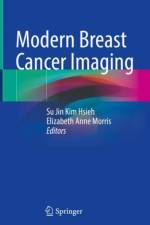
Over the last several decades breast cancer management has made great strides in the improvement of oncologic treatment outcomes, particularly so in patients with early stage disease. While wide-spread access to screening resulting in early detection is undoubtedly to be credited for this trend, at the same time, the management of breast cancer has evolved to be an intricate multidisciplinary collaboration between breast imagers, surgeons, medical oncologists and radiation oncologist. As a result, with better mutual understanding of multidisplinary goals and challenges, the treatment strategies have become more individualized, with a great emphasis being placed on the intrinsic disease biology. Furthermore, the indications for neoadjuvant systemic therapy have significantly broadened, with a substantial number of patients with early stage breast cancer being able to take advantage of this strategy to decrease the extent of breast surgery they would undergo at its completion. As such, the management of the axilla in these patients has presented with new challenges as well as with new opportunities to scale down on the extent of local therapy and, consequently, its toxicity.This text will provide a comprehensive, state-of-the art review of this field, and will serve as a valuable resource for clinicians (surgeons, medical oncologists, radiation oncologists) and researchers with an interest in breast cancer. The book will review novel and evoling strategies in neoadjuvant systemic therapy forn early stage breast cancer, provide new perspectives about appropriate axillary imaging in anticipation of neoadjuvant systemic therapy, and describe new data on innovative surgical techniques and Radiation Oncology concepts designed to deescalate the extent and toxicity of local therapy while insuring oncologic safety. Several landmark clinical trials have been published in the last few years and will be placed in context with respect to current management. Integration of novel diagnostic and interventional breast imaging, local therapy (surgery and radiation) with contemporary systemic therapy will also be discussed. This text will serve as a very useful resource for physicians and researchers dealing with, and interested in, this challenging field. It will provide a concise yet comprehensive summary of the current status of the field that will help guide patient management and stimulate investigative efforts. All chapters will be written by experts in their fields and will include the most up to date scientific and clinical information.
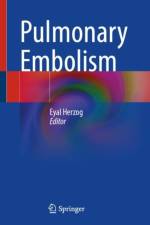
This book is a comprehensive review of pulmonary embolism (PE) which, with deep vein thrombosis, is assigned to the term venous thromboembolism (VTE) and currently the third most frequent acute cardiovascular syndrome globally. In the past decade we have seen a remarkable improvement in new diagnostic tools as well as novel therapeutic options to manage patients with VTE and this book provides a thorough clinical discussion of the diagnosis and management of these patients.Pulmonary Embolism presents a comprehensive review of all aspects of the epidemiology, pathophysiology, diagnosis, risk assessment and therapeutic options to manage the patient with PE. To aid healthcare providers caring for patients with acute PE, it encapsulates a novel, comprehensive, yet simple, pathway for the management of patients with PE, which can be used in many health care systems around the globe. This pathway is at the core of the book and all chapters are related to this unique algorithm.
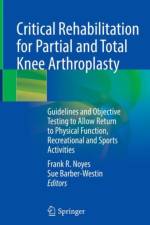
Total knee arthroplasty (TKA) is a frequently performed operation - in the U.S. alone, 5.2 million TKAs were performed from 2000-2010 - and partial (unicompartmental) knee arthroplasty (UKA) is another common operation that is done in younger, active individuals. Many patients require knee arthroplasty from osteoarthritis that develops after sports injuries or decades of participation in athletics. While much has been written regarding technical surgical details of arthroplasty, there is comparably little available on critical rehabilitation principles and guidelines that allow return to normal physical function, as well as recreational and sports activities.Filling this gap in the literature, this group of internationally recognized surgeons and therapists discusses all aspects of critical rehabilitation following both partial and total knee replacement, including:Advances in surgical techniques for robotic computer-navigated knee arthroplastyEffects of preoperative rehabilitation and nutrition on postoperative functionSpecific rehabilitation principles to avoid complications and return to daily activitiesAdvanced physical therapy concepts to return to recreational and sports activitiesObjective testing to determine strength and physical function in the arthroplasty athleteRecommended guidelines for recreational and sports activitiesKey factors for achieving high patient satisfaction and quality of life after surgeryPresenting the most up-to-date evidence and guidelines, Critical Rehabilitation for Partial and Total Knee Arthroplasty will be an invaluable resource for orthopedic surgeons, physical therapists, athletic trainers, personal trainers and all professionals caring for patients seeking to return to full activity after knee replacement.
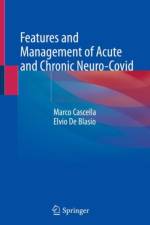
This book delineates that COVID-19 is a multisystem inflammatory disease and how its pathophysiology can predispose patients to an increased risk of neurological problems. Available data suggest the potential neuroinvasive capacity of the SARS-CoV-2 through direct viral damage and indirect entering the CNS by different routes including the vascular system, the olfactory and trigeminal nerves, the cerebrospinal fluid, and the lymphatic system. Furthermore, the pro-inflammatory cytokine storm and oxidative stress can induce microglial activation and damaging the blood-brain barrier, culminating in widespread neuroinflammatory processes. This acute neurotoxicity is clinically expressed as anosmia, ageusia, headache, nausea and vomiting. Other neurologic manifestations such as acute cerebrovascular diseases, encephalitis-based impaired consciousness, and meningitis are also described.The PNS can also be affected and clinical manifestations including Guillain-Barré syndrome, polyneuritis, Miller Fisher Syndrome, and other problems are described. A special issue concerns the neurocognitive dysfunction and altered consciousness manifested as delirium, agitation, and confusion. Non-specific symptoms such as dizziness, and seizures can accompany clinical pictures.Regardless of the admitting diagnosis, a high percentage of patients discharged from ICUs develop disabilities affecting physical, cognitive and psychological activities. The symptoms such as asthenia, memory disturbances, depression, sleep disturbances, anxiety, and Post-traumatic Stress Disorder (PTSD), can configure the so-called Post-intensive Care Syndrome (PICS). Multimodal management during the ICU stay and implementation of follow-up programs on patient discharge can reduce the incidence of this syndrome, improving the quality of life of surviving individuals.In this complex scenario, a careful clinical approach through reliable diagnostic tools, and epidemiological studies aimed at evaluating the dimensions of the problem also in economic terms, is urgently needed.This book represents a valuable aid for all healthcare professionals (intensivists, neurologist and psychiatrists, as well as others) involved in the management of these critically ill patients.
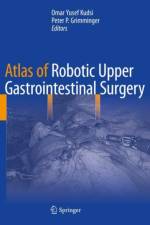
Deep knowledge of anatomy and surgical technique will continue to remain the foundation of surgery despite advancement in surgical technology. Robotic surgery usage has increased drastically in the last decade. More than ever before, surgical community in great need for an updated atlas in the various upper GI surgical procedures and techniques available. This atlas demonstrates how to perform the most common Upper GI robotic procedure via a set of high-quality state-of-the-art annotated images showing step-by-step guidance providing pertinent and concise procedure descriptions spanning benign and malignant upper GI problems. Robotic upper GI procedures are considered technically demanding with attention to details thus are considered great teaching procedures especially with dual robotic consoles, simulation, and teleproctoring. Preoperative, intraoperative, and postoperative figures are integrated to highlight the importance of these step-by-step procedures, enhance skill and efficiency, and avoid surgical pitfalls. Detailed descriptive figures accompany step-by-step instructions and include specific anatomical annotations that describe the anatomy during upper GI procedures. Atlas of Robotic Upper Gastrointestinal Surgery will provide a comprehensive, insightful and state-of-art review of this field, and will serve as a valuable visual resource for surgeons, surgeons in training, and students with an interest in robotic upper GI surgery. All chapters are written by an international group of experts in their field, to provide a comprehensive atlas for specialists and trainees, this illustrated book will give a current and concise summary of all key topics and recent developments in upper GI surgery.
This book was the end product of life experiences, thoughts and intellectual wanderings of the author, who through his career and for the last twenty years was always serving all the three aspects of a Psychiatrist: He is a clinician, a researcher and an academic teacher. The book includes a comprehensive history of Psychiatry since antiquity and until today, with an emphasis not only on main events but also specifically and with much detail and explanations, on the chain of events that led to a particular development. At the center of this work is the question ¿What is mental illness?¿ and ¿Does free will exist?¿. These are questions which tantalize Psychiatrists, neuroscientists, psychologists, philosophers, patients and their families and the sensitive and educated lay persons alike. Thus, the book includes a comprehensive review and systematic elaboration on the definition and the concept of mental illness, a detailed discussion on the issue of free will as well as the state of the art of contemporary Psychiatry and the socio-political currents it has provoked.Finally the book includes a description of the academic, social and professional status of Psychiatry and Psychiatrists and a view of future needs and possible developments.A last moment addition was the chapter on conspiracy theories, as a consequence of the experience with the social media and the public response to the COVID-19 outbreak which coincided with the final stage of the preparation of the book. Their study is an excellent opportunity to dig deep into the relation among human psychology, mental health, the society and politics and to swim in intellectually dangerous waters.
This book provides an accessible, up-to-date understanding of how to treat patients with substance and non-substance-related addiction. It covers all the typical substance and non-substance use disorders and presents evidence in a case-based format.Concise and comprehensive, opening chapters relay a preliminary assessment of addiction disorders and their neurobiology. Subsequent chapters then offer specific treatment options, challenges, and cases relating to the abuse of distinct substances. The substances mentioned earlier include alcohol, opioids, stimulants, hallucinogens, and sedatives. Additionally, one chapter covers the unique issues associated with treating behavioral addictions, such as sex and gambling. Each chapter will outline cases in a fashion that will optimize the reader's experience. In closing, the book examines co-occurring substance use disorders and mental illness.An invaluable addition to the Psychiatry Update Series, Addiction Medicine is an essential reference for mental health clinicians, as well as primary care and family medicine clinicians.
This book serves as the ¿go-tö resource for cardiovascular nurses and other health care practitioners involved in the care of patients with acquired valvular heart disease. It includes unique information about heart valve anatomy and pathophysiology, the complexity of clinical presentations and diagnostic evaluation, patient education and shared decision-making, surgical and transcatheter treatment options, and transition to palliative care. The content focuses primarily on the specialized care of patients with aortic stenosis and regurgitation, and mitral and tricuspid regurgitation.In addition, this unique resource provides timely information to guide a patient-centred and team-driven approach that reflects contemporary and innovative practice in the management of valvular heart disease. The essential topics of strengthening the multidisciplinary Heart Team and programmatic processes of care, the priorities for nursing care, and the multifactorial challenges of managing this complex patient population are explored in detail. Importantly, this resource aims to support all clinicians who are involved in the various timepoints of patients¿ full trajectory of care, from their evaluation pathway, admissions for treatment, and long term follow-up. Clinicians require contemporary knowledge and evidence to guide their practice, provide appropriate care for this complex patient population, and contribute to the advancement of practice. To date, there has been little emphasis placed on the management of valvular heart disease in cardiovascular nursing and allied health curriculum. This book fills this gap and addresses the pressing need for a user-friendly resource to guide the care for this growing population in a rapidly changing clinical environment. The editors are international leaders in the care and management of patients with acquired valvular heart disease and program development. They are widely recognizedfor their pioneering role in shaping the way we care for these patients.
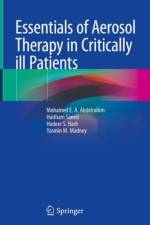
This book assesses the most appropriate forms of aerosol therapy for critically ill patients. Aerosol therapy is applied for the treatment of several pulmonary diseases in addition to some promising applications intended for systemic absorption. Nowadays, aerosol delivery to clinically stable patients in the outpatient settings is done easily with a lot of focus on patient counseling and enhancement of lung deposition. A lot of guidelines are available for several diseases and it could offer adequate guidance to the therapists concerning escalation or de-escalation of therapy to enhance treatment efficiency and safety. However, in critically ill patients aerosol delivery is mostly done by the choice of the respiratory therapist only according to his knowledge. The book describes the type of patients requiring aerosol therapy, different aerosol generators available for the treatment of critically ill patients, mechanisms of aerosol lung deposition, and factors affecting aerosol deposition. It also discusses the special needs of neonates and infants, transitioning aerosol from hospital to home, and the methods of aerosol delivery to different patient e.g. nasal delivery patients, ventilated patients, etc. Moreover, it reviews methods of detecting such aerosol delivery to the lung. At the end, it discusses the suggested monitoring plans and weaning protocols to ensure high efficacy and safety of the ventilatory support in such patients. Given its scope, the book can serve as guidelines or specific recommendations to maximize clinical benefits of medicated aerosols in critically ill patients and it represents a valuable resource for intensivists, pulmonologists and healthcare professionals working at ICUs.
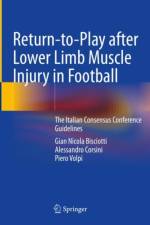
Return to training (RTT) and return to play (RTP) decisions making process in football are currently based on expert's opinion. However, there are no consensus guidelines on evidence-based decision-making. This book provides a framework for evidence-based decision-making both in RTT and RTP following lower-limb muscle injuries sustained in football.Based on the ¿Italian Consensus Conference (2019) on return-to-play after lower limb muscle injury in football¿, it provides a list of RTT and RTP criteria after such injuries compiled by orthopedic surgeons, sports physicians, radiologists, rehabilitation physicians, sport physiologists, general surgeons, family physicians, physiotherapists, physical trainers and psychologists working in elite football in Italy.The book identifies the main criteria for RTT and RTP following injuries involving the most important muscle groups, i.e. quadriceps, hamstring, hip adductor, hip external rotator, iliopsoas and soleus-gastrocnemius.As such it is a valuable reference resource for practitioners making RTT and RTP decisions making process.
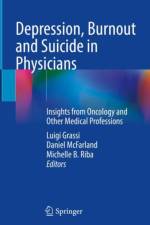
This book provides a reference and contextual basis for depression, burnout and suicide among oncology and other medical professionals. Oncology as a medical subspecialty is at a unique apex of this crisis. While the same pressures in medicine certainly apply to oncologists, oncology is particularly stressful as a changing field with diverse patient and societal expectations for outcomes. In addition to experiencing the stress of caring for patients that could succumb to their cancer diagnoses, these professionals are regularly confronted with an onslaught of new medical information and a landscape that is changing at a breakneck pace. These are just a few factors involved in the increasing rates of burnout among oncologists as well as other medcial professionals. By addressing a gap in identifying mental health problems among health care professionals, this book sheds light on mental health problems and suicide among physicians. Importantly, this book is a call to action of the professional and administrative organizations to work on improving mental health of physicians. Anxiety and depression affect not only the individual doctor but also patient care. Given the increasing attention to these issues along with limited yet applicable data regarding how to address these issues, the text aims to bring the latest data face to face with consensus opinion and can be used to ultimately enhance oncologic and psychiatric practices. Written by experts in the field, Depression, Burnout and Suicide in Physicians: Insights from Oncology and Other Medical Professions aims to significantly increase awareness and contribute to understanding the necessity of preventive measures on individual, family, and care givers levels.
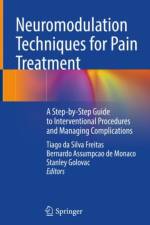
Neuromodulation implants are currently one of the most successful techniques in the treatment of chronic pain, a condition that affects more and more patients each year, leading to reduced quality of life as well as economic losses.Neuromodulation implants for pain are a relatively new technique and are being increasingly used around the globe. However, technical training is not available for every implanter as there are relatively few centers in the world. Further, refresher courses for low-rate implanters are not available. This book fills that gap by offering an update on the best techniques currently used, providing a step-by-step guide on how to perform these procedures correctly. Based on the experiences of leading physicians in the field, it also discusses how to manage both major and minor complications. Lastly, it covers the neuromodulatory intervention techniques used to treat chronic pain in various clinical areas. As such it is a valuable resource for pain physicians as well as neurosurgeons, orthopedists and anesthetists.
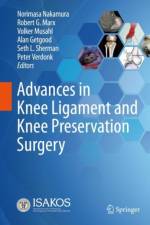
This comprehensive book offers an overview of the latest advances in knee ligament and knee preservation surgery, including cartilage, meniscus, and osteotomy procedures.Designed to offer practical guidance on the management of complex knee problems, it presents clinical scenarios as well as recommendations by leading international experts. Written in collaboration with ISAKOS and drawing on a variety of perspectives it is invaluable tool for orthopedic and sports medicine surgeons.
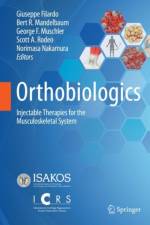
This book presents the evidence related to the use of injectable biologics to provide faster and better healing for musculoskeletal lesions and conditions. The authors discuss approaches, such as blood derivatives and cell concentrates, applied to lesions of muscles, ligaments, tendons, bones, meniscus and cartilage, as well as osteoarthritis. Chapters are written by some of the most influential opinion leaders in the field, with up-to-date review of the current literature, where the authors explore both the potential and the limitations of these minimally invasive and promising treatments.The first section is devoted to the formulations and rationale for the use of injectable orthobiologics, while the second section reviews current treatment methods applied to specific joints and pathologies ¿ ranging from tendinopathies through non-unions to articular degenerative processes ¿ as well as the results of these treatment approaches. The third section explores future perspectives, such as pluripotent stem cells, gene therapy, and the stimulation of intrinsic stromal cell niches. Appealing to a broad readership, this book will be of interest to both laboratory research scientists and clinicians, including orthopedists, sports physicians, physiatrists, and regenerative medicine experts.
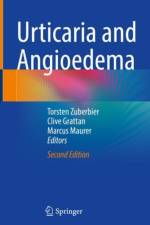
Urticaria is one of the most common diseases encountered in dermatology. The fleeting nature of wheals often makes a first diagnosis by both patients and physicians seem easy. The disease itself is of a highly complex nature, with a variety of clinical manifestations ranging from pinpoint sized wheals to extensive angioedema. Further complexities include the diversity of possible eliciting and aggravating factors, the many different clinical subtypes and the therapeutic responsiveness.This second, extensively revised edition includes the indications listed in the most recent international guidelines, provides a practical, comprehensive review of all clinical aspects and causes, and addresses the diagnosis and therapy of different types of urticaria. Specific chapters are devoted to classification, aetiopathogenesis, patient reported outcomes, acute urticaria, chronic urticaria and its comorbidities, angioedema without weals, inducible urticarias, special populations including children, treatment with antihistamines and omalizumab, other interventions and looking ahead to new therapies. This new edition is a must read for dermatologists, allergists, pediatricians and practitioners of all disciplines who want their patients to benefit from cutting-edge diagnostics and treatments.
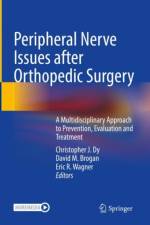
Peripheral nerve issues are potential sequalae of orthopedic surgery, even after cases in which technically excellent surgery was performed. These injuries can impede the expected recovery of function after the primary surgery. Given the manifold challenges associated with recovery of peripheral nerve injuries, this book is designed as a multidisciplinary guide to the diagnosis, prognostication and treatment of peripheral nerve issues after common orthopedic surgeries. Beginning with an overview of nerve compression, injury and regeneration, as well as a presentation of the current diagnostic and imaging modalities for peripheral nerve injuries, this unique text is organized by anatomic region and by type of procedure performed. Topics covered include shoulder and elbow arthroplasty and arthroscopy, fractures of the hand and wrist, hip preservation surgery, total knee replacement, open surgery of the foot and ankle, lumbosacral myeloradiculopathy, and more. Each chapter is authored by both a subspecialty surgeon who routinely performs the surgeries described and a subspecialized hand/peripheral nerve surgeon with experience in evaluating and treating nerve issues after that particular injury. Emphasis is placed on multidisciplinary team approaches, patient counseling, and technical aspects of surgical treatment. Generously illustrated and written by experts in the field, Peripheral Nerve Issues after Orthopedic Surgery is a truly interdisciplinary resource for orthopedic, plastic, hand and trauma surgeons, physiatrists, trainees, and all professionals evaluating and managing postoperative peripheral nerve issues.
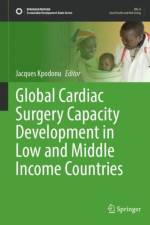
This book provides a focused resource on how cardiac surgery capacity can be developed and how it assists in the sustainable development and strengthening of associated health systems. Background is provided on the extent of the problems that are experienced in many nations with suggestions for how suitable frameworks can be developed to improve cardiac healthcare provision. Relevant aspects of governance, financial modelling and disease surveillance are all covered. Guidance is also given on how to found and nurture cardiac surgery curriculum and residency programs.Global Cardiac Surgery Capacity Development in Low and Middle Income Countries provides a practically applicable resource on how to treat cardiac patients with limited resources. It identifies the key challenges and presents strategies on how these can be managed, therefore making it a critical tool for those involved in this field.
Abonner på vårt nyhetsbrev og få rabatter og inspirasjon til din neste leseopplevelse.
Ved å abonnere godtar du vår personvernerklæring.