














Gjør som tusenvis av andre bokelskere
Abonner på vårt nyhetsbrev og få rabatter og inspirasjon til din neste leseopplevelse.
Ved å abonnere godtar du vår personvernerklæring.Du kan når som helst melde deg av våre nyhetsbrev.

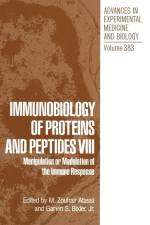
Silicone Gels as Adjuvants: Effects on Humoral and Cellmediated Immune Responses; J.O. Naim, C.J. van Oss The Effect of Molecular Weight and Gel Preparation on Humoral Adjuvancy of Silicone Oils and Silicone Gels; J.O. Naim, C.J. van Oss Glucans as Immunological Adjuvants; N. Mohagheghpour, et al. Copolymer Adjuvants; R.N. Brey Regulation of Il4 and Il5 Secretion by Histamine and PGE2; M.M. Khan Immunoglobulin Isotype Modulation after Administration of Il12; V. Van Cleave, et al. Substance P Mediated Stimulation of Cytokine Levels in Cultured Murine Bone Marrow Stromal Cells; J.M. Manske, et al. Malaria Transmissionblocking Immunity: Identification of Epitopes and Evaluation of Immunogenicity; N. Kumar, et al. Experimental Feline Lyme Borreliosis As a Model for Testing Borrelia burgdorferi Vaccines; M.D. Gibson, et al. Liposoma Vaccines; S. Green, et al. Protection Strategies against Botulinum Toxin; L. Middlebrook Collagen Arthritis in T Cell Receptor Congenic Mice: A Unique Approach to Study the Role of T Cell Receptor Genotypes in Autoimmune Arthritis; G.H.H. Nabozny, C.S. David The Blood-Brain Barrier in Virusinduced Demyelination; C.J.R. Welsh, et al. 14 additional articles. Index.
Glycoprotein Analysis: A Review of the Biological Significance of Carbohydrates on Glycoproteins and Methods for Their Analysis; R. Dennis The Different FACES of Diseases; J. Klock, C.M. Starr The Glycosyltransferases: Control and Function of Complextype Oligosaccharide Synthesis: Novel Variants of the LAcNAc Pathway; D.H. van den Eijnden, et al. The Regulation of Cell and Tissuespecific Expression of Glycans by Glycosyltransferases; A. Dinter, E.G. Berger Oligosaccharides and Biological Function: Olinked Nacetylglucosamine: The 'YinYang' of Ser/Thr Phosphorylation? G.W. Hart, et al. Heparan Sulphate and Protein Recognition: Binding Specificies and Activation Mechanisms; J.T. Gallagher Glycosylation and Disease: An Introduction to Glycosylation and Rheumatic Disease: What Is the Current State of Play? J.S. Axford, A. Alavi Abnormalities in the Glycosylation of IgG-Its Clinical Utility; D.A. Isenberg Carbohydrates and Therapeutics: Synthesis and Biological Activity of Oligosaccharide Libraries; Y. Ding, et al. In vivo Targeting Function of Nlinked Oligosaccharides; K.G. Rice, et al. 23 additional articles. Index.
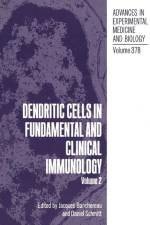
Dendritic Cells: Origin and Differentiation: Thymic Dendritic Cells: Surface Phenotype, Developmental Origin, and Function; K. Shortman, et al. Dendritic Cells: Phenotype: Functional CD40 Antigen on B Cells, Dendritic Cells and Fibroblasts; J. Banchereau, et al. Dendritic Cells: Antigen Processing Presentation, Cell Migration: Establishment and Characterization of Antigenpresenting Cell Lines (XS Series) Derived from Newborn Mouse Epidermis; A. Takashima, et al. Follicular Dendritic Cells: Origin, Phenotype, and Maturation: Multiple Lines of Evidence Favoring a Bone Marrow Derivation of Follicular Dendritic Cells (FDCs); A.K. Szakal, et al. Follicular Dendritic Cells: Function: Germinal Center T Cells: Analysis of Their Proliferative Capacity; F. Bouzahzah, et al. Dendritic Cells: Lymphocyte Interactions: Dendritic Cells as Stimulator Cells of MHC Class Irestricted Immune Responses; A. Elbe, G. Stingl Dendritic Cell and HIV: Mechanisms of Retrovirallyinduced Immunosupression Acting via Dendritic Cells; S.C. Knight Dendritic Cells in Transplantation, Allergy, and Oncology: Early Events in Contact Sensitivity; S.I. Katz, et al. 117 additional articles. Index.
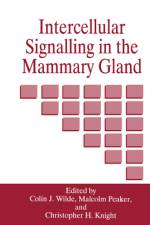
Mammary Development: Growth and Growth Factors: The Environment of the Mammary Secretory Cell (C.H. Knight). Role of Bovine Placental Lactogen in Intercellular Signalling during Mammary Growth and Lactation (R.J. Collier et al.). Expression of Hox Genes in Normal and Neoplastic Mouse Mammary Gland (Y. Friedmann, C.W. Daniel). Apoptosis in Mammary Gland Involution: Isolation and Characterization of Apoptosisspecific Genes (W. Bielke et al.). Mammary Development: Differentiation and Gene Expression: Extracellular Matrix Dependent Gene Regulation in Mammary Epithelial Cells (C. Schmidhauser et al.). Regulation of Milk Secretion and Composition by Growth Hormone and Prolactin (D.J. Flint). Basement Membrane in the Control of Mammary Gland Function (C.H. Streuli). Heterogeneous Expression and Synthesis of Human Serum Albumin in the Mammary Gland of Transgenic Mice (I. Barash et al). Milk Secretion: Autocrine Control of Milk Secretion: Development of the Concept (M. Peaker). Endocrine and Autocrine Strategies for the Control of Lactation in Women and Sows (P.E. Hartmann et al.). Autocrine Control of Milk Secretion: From Concept to Application (C.J. Wilde et al.). A Role for Mediumchain Fatty Acids in the Regulation of Lipid Synthesis in Milk Stasis? (D.H. Williamson et al.). 41 additional articles. Appendix. Index.
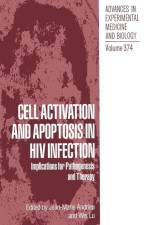
T-Cell/Macrophage Activation and HIV Infection.- 1. CD4+ and CD8+ T Lymphocyte Activation in HIV Infection: Implications for Immune Pathogenesis and Therapy.- 2. Markers of Immune Cell Activation and Disease Progression: Cell Activation in HIV Disease.- 3. The Role of the Cell Cycle in HIV-1 Infection.- 4. Molecular Basis of Cell Cycle Dependent HIV-1 Replication: Implications for Control of Virus Burden.- 5. Regulation of Macrophage Activation and HIV Replication.- 6. Investigations on Autologous T-Cells for Adoptive Immunotherapy of AIDS.- 7. Rational Problems Associated with the Development of Cellular Approaches in Controlling HIV Spread.- Apoptosis and Viropathogenesis of HIV Disease.- 8. The Role of Surface CD4 in HIV-Induced Apoptosis.- 9. Mechanism of Apoptosis in Peripheral Blood Mononuclear Cells of HIV-Infected Patients.- 10. Programmed Death of T Cells in the Course of HIV Infection.- 11. T Cell Apoptosis as a Consequence of Chronic Activation of the Immune System in HIV Infection.- 12. Apoptosis during HIV Infection: A Cytopathic Effect of HIV or an Important Host-Defense Mechanism against Viruses in General?.- Apoptosis and Immunopathogenesis of HIV Disease.- 13. From Cell Activation to Cell Depletion: The Programmed Cell Death Hypothesis of AIDS Pathogenesis.- 14. Immunosuppression by a Noncytolytic Virus Via T Cell Mediated Immunopathology: Implication for AIDS.- 15. Clonal Expansion of T Cells and HIV Genotypes in Microdissected Splenic White Pulps Indicates Viral Replication in Situ and Infiltration of HIV-Specific Cytotoxic T Lymphocytes.- 16. Autoimmunity, Apoptosis Defects, and Retroviruses.- 17. AIDS as Immune System Activation: Key Questions that Remain.- Mediators of T-Cell Activation/Apoptosis and Therapeutic Applications.- 18. Inhibition of T Lymphocyte Activation and Apoptotic Cell Death by Cyclosporin A and Tacrolimus (FK506): Its Relevance to Therapy of HIV Infection.- 19. Cyclophilin and Gag in HIV-1 Replication and Pathogenesis.- 20. Long-Term Follow-up of HIV Positive Asymptomatic Patients Having Received Cyclosporin A.- 21. Prospective Views of HIV Pathology: Clues for Therapeutic Strategies.
355 articles arranged under the following sections: B and T Cells of the Mucosal Immune System: Trafficking and Cytokine Regulation. Nonlymphoid Cells of the Mucosal Immune System: Epithelial Cells, APC, and Other Cell Types. Development of Mucosal Immunity: Reproductive Tract, Ontogeny, Phylogeny, and Immunodeficiency. Gnotobiology, Environmental, Nutritional, and Intrinsic Factors in Mucosal Immunology. Structure, Proteolysis, and Function of Mucosal Immunoglobulins: Cellular Receptors. Clinical Immunology, Immunopathology, Immunodeficiency, and Allergology. Microbial, Parasite, and HIV Mucosal Infections. Immunology of the Liver. Oral Immunology and Immunopathology. Autoimmunity, Oral Tolerance, and Aging. Chronic Inflammation, Inflammatory Bowel Diseases and Celiac Disease. Induction of Mucosal Immune Responses and Vaccine Delivery Systems. Index.
New Concepts in the Pathogenesis of HIV1 Encephalopathy: HIV Encephalopathy: Clinical and Diagnostic Considerations (J.R. Berger, R. Kaderman). Models of HIV1 Infection and Neurotoxicity in the Human Fetal Nervous System: Overview: Models of HIV1 Infection and Neurotoxicity in the Human Fetal Nervous System (L.G. Epstein). Model Cell Cultures from Adult Brain and Glioma Cell Lines: Molecular Interaction of HIV1 in Glioma Cells (V. Erfle et al.). Neurotropism of HIV1 Strains: Contribution of V3 and Reverse Transcriptase Sequence Analysis to Understanding the Concept of HIV1 Neurotropism (F. Chiordi et al.). Molecular Technology for the Detection and Analysis of HIV1 in Nervous System Tissue: Detection of HIV1 Gene Sequences in Brain Tissue by in situ Polymerase Chain Reaction (O. Bagasra et al.). Development of New Techniques and Methods Applied to AIDS: Technology in PCR and PCR Evaluation Technology and Its Application to the Study of Cerebrospinal Fluid in HIV Disease (P. Schmid). Focus on AIDS and the Nervous System: Challenges During the Decade of the Brain: Treatment of the Neurological Complications in AIDS: The AIDS Clinical Trials Group in the 1990s (D.B. Clifford). 18 additional articles. Index.
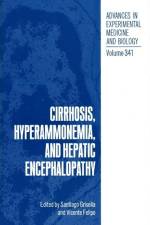
Animal Models of Hepatic Encephalopathy and Hyperammonemia.- Brain Metabolism in Encephalopathy Caused by Hyperammonemia.- In Vivo Brain Magnetic Resonance Imaging (MRI) and Magnetic Resonance Spectroscopy (MRS) in Hepatic Encephalopathy.- Role of the Cellular Hydration State for Cellular Function: Physiological and Pathophysiological Aspects.- Astrocyte-Neuron Interactions in Hyperammonemia and Hepatic Encephalopathy.- Spinal Seizures in Ammonia Intoxication.- Molecular Mechanism of Acute Ammonia Toxicity and of its Prevention by L-Carnitine.- Portal-Systemic Encephalopathy: a Disorder of Multiple Neurotransmitter Systems.- The GABA Hypothesis: State of the Art.- Neuropharmacologic Modulation of Hepatic Encephalopathy: Experimental and Clinical Data.- S-Adenosyl-L-Methionine Synthetase and Methionine Metabolism Deficiencies in Cirrhosis.- Diagnosis and Therapy of Hepatic Encephalopathy.- Neomycin Reduces the Intestinal Production of Ammonia from Glutamine.- N-Acetylglutamate Synthetase (NAGS) Deficiency.- Ornithine Transcarbamylase Deficiency: A Model for Gene Therapy.- Retroviral Gene Transfer for LDL Receptor Deficiency into Primary Hepatocytes.- The Carnitine System: Recent Aspects.- Use of Hepatocyte Cultures for Liver Support Bioreactors.- Hepatitis C Viral infection after Orthotopic Liver Transplantation.- Exercise-Induced Hyperammonemia: Skeletal Muscle Ammonia Metabolism and the Peripheral and Central Effects.- Possible Role of Ammonia in the Brain in Dementia of Alzheimer Type.- Contributors.
Pathophysiology and Analysis.- Lipid Peroxides and Related Radicals in Clinical Medicine.- Reactive Oxygen Species in Normal Physiology, Cell Injury and Phagocytosis.- Free Radical Mechanisms for Chromosomal Instability in Bloom's Syndrome.- The Analysis of Free Radicals, Lipid Peroxides, Antioxidant Enzymes and Compounds Related to Oxidative Stress as Applied to the Clinical Chemistry Laboratory.- Organ Specific Disorders.- Free Radicals and the Pathogenesis of Neuronal Death: Cooperative Role of Excitatory Amino Acids>.- Free Radicals and Ocular Disease.- Active Oxygen Mechanisms of UV Inflammation.- Oxygen-Free Radicals at Myocardial Level: Effects of Ischaemia and Reperfusion.- Mechanisms of Atherosclerosis: Role of LDL Oxidation.- Tissue Iron Overload and Mechanisms of Iron-Catalyzed Oxidative Injury.- Free Radicals in the Pathophysiology of Pulmonary Injury and Disease.- Lipid Peroxides in Hepatic, Gastrointestinal, and Pancreatic Diseases.- Reactive Oxygen Molecules in the Kidney.- Reactive Oxygen Species (ROS) and Reproduction.- Systemic Involvement.- Autoimmune and Inflammatory Diseases.- Antioxidants and Cancer: Molecular Mechanisms.- New Directions for Free Radical Cancer Research and Medical Applications.- Shock and Multiple Organ Failure.- Role of Nutrients in the Cause and Prevention of Oxygen Radical Pathology.- Involvement of Free Radical Mechanism in the Toxic Effects of Alcohol: Implications for Fetal Alcohol Syndrome.- Therapeutic Intervention.- 21-Aminosteroids ("Lazaroids").- The Potential of Gliclazide, a Sulphonylurea to Influence the Oxidative Processes within the Pathogenesis of Diabetic Vascular Disease.- Interactions between Vitamin E, Free Radicals, and Immunity During the Aging Process.- Vitamins and Carotenoids - A Promising Approach to Reducing the Risk of Coronary Heart Disease, Cancer and Eye Diseases.- Free Radical Scavenging and Antioxidant Activity of Plant Flavonoids.- Plasma Clearance and Immunologic Properties of Long-Acting Superoxide Dismutase Prepared Using 35,000 to 120,000 Dalton Poly-Ethylene Glycol.- Clinical Trials with Dismutec(TM) (Pegorgotein; Polyethylene Glycol-Conjugated Superoxide Dismutase; PEG-SOD) in the Treatment of Severe Closed Head Injury.- Poster Presentations.- A New Method for Detecting Lipid Peroxidation by Using Dye Sensitized Chemiluminescence.- Chemiluminescence and the Challenge to Attomole Detection.- Evidence Against Malondialdehyde Bound to Cellular Consituents in Phospholipid Peroxidation.- Evaluation of In Vivo Free Radical Activity During Endotoxic Schock Using Scavengers, Electron Microscopy, Spin Traps, and Electron Paramagnetic Spectroscopy.- Involvement of Hydroxyl Radicals in Endotoxin-Evoked Shock.- The Role of Nitric Oxide in Endotoxin-Elicited Hypodynamic Circulatory Failure.- In Vivo Evaluation of the Role of Neutrophil-Derived Free Radicals in the Development of Endotoxic Shock.- Photosensitized Formation of 8-Hydroxy-2'-Deoxyguanosine by A Cationic meso-Substituted Porphyrin.- Aging Associated Declines in the Antioxidant Enzymes of Human Testis.- Lipid Peroxidation in Normal Pregnancy and Preeclampsia.- Alkylation of Purine Bases By Carbon-Centered Radicals.- Cytochrome Biochemistry in Sheep Retina Following Exposure to Oxygen.- Cytochrome Oxidase Activity in the Fetal Sheep Retina.- Age-Related Phospholipid Hydroperoxide Levels in Gerbil Brain Measured by HPLC-Chemiluminescence Assay and Their Relation to Hydroxyl Radical Stress - Clinical Implications.- Lipid Peroxidation and Diabetic Complications: Effect of Antioxidant Vitamins C and E.- Vascular Complications of Patients in Kuwait with Type 2 Diabetes Mellitus (NIDDM) and Elevated Serum Lipid Peroxides.- Vascular and Cellular Protein Changes Precede Hippocampal Pyramidal Cell Loss Following Global Ischemia in the Rat.- Dietary Antioxidants and Breast Cancer Risk: Effect Modification by Family History.- Effect of MAK-4 and MAK-5 on Endothelial Cell- and Soyabean Lipoxygenase-Induced LDL Ox
1 Dietary Fat and Breast Cancer: Controversy and Biological Plausibility.- 2 Dietary Fat Intake Reduction for Patients with Resected Breast Cancer.- 3 Dietary Fat Reduction as a Hypothesis for the Prevention of Postmenopausal Breast Cancer, and a Discussion of Hypothesis Testing Research Strategies.- 4 Hormone Studies and the Diet and Breast Cancer Connection.- 5 Dietary Fat Effects on Animal Models of Breast Cancer.- 6 Effect of Conjugated Linoleic Acid on Carcinogenesis.- 7 A Possible Mechanism by Which Dietary Fat Can Alter Tumorigenesis: Lipid Modulation of Macrophage function.- 8 Dietary Fatty Acids and Human Breast Cancer Cell Growth, Invasion, and Metastasis.- 9 Meta-Analysis of Animal Experiments: Elucidating Relationships Between Dietary Fat and Mammary Tumor Development in Rodents.- 10 Vitamin A, Retinoids and Breast Cancer.- 11 Vitamin D Adequacy: A Possible Relationship to Breast Cancer.- 12 Vitamin D and Breast Cancer.- 13 Some Aspects of Vitamin E Related to Humans and Breast Cancer Prevention.- Poster Abstract.- Contributors.
Perspective of Neurochemistry in Neurological Disorders.- Selegiline Induces "Trophic-Like" Rescue of Dying Neurons without Mao Inhibition.- Aliphatic Propargylamines, a New Series of Potent Selective, Irreversible Non-Amphetamine-Like MAO-B Inhibitors.- Medical Treatment of Parkinson's Disease.- Neuropharmacological Effects of (-)-Stepholidine and Its Analogues on Brain Dopaminergic System.- Neurotoxicity of MPTP and Uptake of MPPT into Dopamine and Norepinephrine Neurons in Mice.- Linopirdine.- Differential Changes in Regional Brain Ganglioside and Neutral Glycosphingolipid Contents in Alzheimer's Disease.- Action of Organophosphate Anticholinesterases on the Three Conformational States of Nicotinic Receptor.- Purification and Characterization of a Novel Neurotoxin-Kappa Bungarotoxin.- Development of Antidepressant Drugs.- The Identification of Heterogeneity of 5-HT Receptors with [H]Rs-42358-197.- Advances in Clinical Research on Common Mental Disorders with Computer Controlled Electro-Acupuncture Treatment.- The Importance of Glutamate Receptors in Brain Ischemia.- Biochemical Study of the Postischemic Neuronal Damage.- Effects of Ilexonin A on Circulatory Neuroregulation.- Study on Cerebrovascular Disease of the Elderly in China.- Cellular Physiology of Epileptogenic Phenomena.- The Clinical Pharmacology of Antiepileptic Drugs.- Hemodynamic Actions of Huatuo Reconstruction Pill on Anesthetized Animals.- Treatment of Affective Disorders.- Studies of Diagnosis and Pathogenesis of Wilson's Disease.- Evidence for Presynaptic Damage in Myasthenia Gravis.
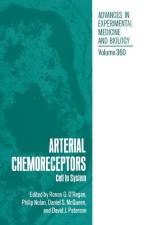
Eric Neil: An Appreciation.- International Meetings on Chemoreceptors: Historical Perspectives.- Oxygen Sensing in the Carotid Body: Ideas and Models.- Ionic Channels in Type I Carotid Body Cells.- Role of Intracellular pH and [Ca2]]iin Acid Chemoreception in Type I Cells of the Carotid Body.- Neurotransmitters in the Carotid Body.- Reflexes Arising from the Arterial Chemoreceptors.- Central Integration of Chemoreceptor Afferent Activity.- Chemoreceptor Function in the Fetus and Neonate.- The Role of Arterial Chemoreceptors in Ventilatory Acclimatization to Hypoxia.- Chemosensitivity from the Lungs of Vertebrates.- Heymans' Visit to Dublin to Review "Buffer" Nerve Experiments.- A Belated Centennial Tribute to Corneille Heymans.- Glomera that are not Chemosensitive.- Electrotonic Coupling Between Carotid Body Glomus Cells.- CO-binding Chromophores in Oxygen Chemoreception in the Carotid Body.- Actions of Nicotinic Agonists on Isolated Type I Cells of the Neonatal Rat Carotid Body.- Ca2+-Activated K+-Channels from Isolated Type I Carotid Body Cells of the Neonatal Rat.- Culturing Carotid Body Cells of Adult Cats.- Plasticity in Cultured Arterial Chemoreceptors: Effects of Chronic Hypoxia and Cyclic AMP Analogs.- Carotid Body Chemoreception: Role of Extracellular Ca2+.- Cytosolic Calcium in Isolated Type I Cells of The Adult Rabbit Carotid Body: Effects of Hypoxia, Cyanide and Changes in Intracellular pH.- Characterization of Membrane Currents in Pulmonary Neuroepithelial Bodies: Hypoxia-Sensitive Airway Chemoreceptors.- Ionic Currents on Endothelial Cells of Rat Brain Capillaries.- Urokinase and its Receptor: Markers of Malignancy?.- Electrochemical Measurement of Rapid Dopamine Release in Perfused Cat Carotid Body during Onset of Hypoxia.- Hypoxia-Induced Catecholamine Release from Rat Carotid Body, In Vitro, during Maturation and following Chronic Hypoxia.- Assessment of Na+ Channel Involvement in the Release of Catecholamines from Chemoreceptor Cells of the Carotid Body.- Activation of GTP-binding Proteins by Aluminum Fluoride Modulates Catecholamine Release in the Rabbit Carotid Body.- Catecholamines in the Rabbit Carotid Body: Content And Secretion.- Cholinergic Aspects of Carotid Body Chemotransduction.- Low PO2 Dependency of Neutral Endopeptidase and Acetylcholinesterase Activities of the Rat Carotid Body.- Nitric Oxide Synthase Occurs in Neurons and Nerve Fibers of the Carotid Body.- NO Mimics O2 in the Carotid Body Chemoreception.- Mechanisms of Carotid Body Inhibition.- Proportional Sensitivity of Arterial Chemoreceptors to CO2.- Effects of Expiratory Duration on Chemoreceptor Oscillations.- Effects of Intravenous Infusions of KCl and Lactic Acid On Chemoreceptor Discharge In Anaesthetized Cats.- The Effect of Intravenous Infusion of Lactic Acid on Carotid Chemoreceptor Discharge in Anaesthetized Cats Ventilated with Room Air or 100% O2.- The Carotid Bodies as Thermosensors: Experiments in vitro and in situ, and Importance for Ventilatory Regulation.- Inhibition of Ventilation by Carotid Body Hypocapnia during Sleep.- Metabolic Acid-Base Status and the Role of Carotid Chemoreceptors in Hyperoxic Breathing.- Ventilatory Responses to Histotoxic Chemostimulation in Hypoxia Adapted Rats.- Chemoreflex Sensitization Augments Sympathetic Vasomotor Outflow in Awake Humans.- Carotid Chemoreceptor Control of Vascular Resistance in Resting and Contracting Skeletal Muscle.- Substance P Inhibits Ventilation in the Goat.- Central Glutamate and Substance-P in the Hypoxic Ventilatory Response.- Carotid Chemoreceptor Activity and Heart Rate Responsiveness to Hypoxia after Inhibition of Nitric Oxide Synthase.- Effects of Endothelins on Respiration and Arterial Chemoreceptor Activity in Anaesthetised Rats.- Changes in Blood Glucose Concentration in the Carotid Body Modify Brain Glucose Retention.- Is the Second Carotid Body Redundant?.- Activity of Cardiac Vagal Preganglionic Neurones during the Pulmonary Chemoreflex in the Anaestheti...
1) Mechanism of Fe(II) Oxidation and Core Formation in Ferritin.- 2) Chemico-Physical and Functional Differences Between H and L Chains of Human Ferritin.- 3) Iron Oxidation in Sheep, Horse and Recombinant Human Apoferritins.- 4) The Transferrin Receptor and the Release of Iron from Transferrin.- 5) The Roles of Secondary Binding Sites for Transferrin in the Liver and on Macrophages.- 6) Optimized Separation and Quantitation of Serum and Cerebrospinal Fluid Transferrin Subfractions Defined by Differences in Iron Saturation or Glycan Composition.- 7) Mechanism of Production of the Serum Transferrin Receptor.- 8) Iron Absorption and Cellular Uptake of Iron.- 9) Ferric Iron Reduction and Iron Uptake in Eucaryotes: Studies with the Yeasts Saccharomyces cerevisiae and Schizosaccharomyces pombe.- 10) Cellular Responses to Iron and Iron Compounds.- 11) The Structure and Function of Iron Regulatory Factor.- 12) Structure and Function of IREs, the Noncoding mRNA Sequences Regulating Synthesis of Ferritin, Transferrin Receptor and (Erythroid) 5-Aminolevulinate Synthase.- 13) Translational Control by Iron-Responsive Elements.- 14) The Role of Cytokines in the Regulation of Ferritin Expression.- 15) Stimulation of IRE-BP Activity of IREF by Tetrahydrobiopterin and Cytokine Dependent Induction of Nitric Oxide Synthase.- 16) Reciprocal Modulation of Aconitase Activity and RNA-binding Activity of Iron Regulatory Factor by Nitric Oxide.- 17) A New Look at Ferritin Metabolism.- 18) Bacterioferritin: A Hemoprotein Member of the Ferritin Family.- 19) Intracellular Iron.- 20) Distinct Features of Iron Metabolism in Erythroid Cells: Implications for Heme Synthesis Regulation.- 21) Cellular Ferritin Uptake: A Highly Regulated Pathway for Iron Assimilation in Human Erythroid Precursor Cells.- 22) Differential Effects of Iron and Iron Carrier on Hematopoietic Cell Differentiation and Human ADA Gene Transfer.- 23) A Hemin-Inducible Enhancer Lies 4. 5 Kb Upstream of the Mouse Ferritin H Subunit Gene.- 24) Iron Deficiency: The Global Perspective.- 25) Iron Regulation in the Brain at the Cell and Molecular Level.- 26) Pathophysiology of Iron Toxicity.- 27) Morphologic Observations in Iron Overload: An Update.- 28) Identification of Thiolic Sarcolemmal Proteins as a Primary Target of Iron Toxicity in Cultured Heart Cells.- 29) Iron Overload and the Biliary Route.- 30) Changing Concepts of Haemochromatosis.- 31) Epidemiology, Clinical Spectrum and Prognosis of Hemochromatosis.- 32) The Morbidity of Hemochromatosis Among Clinically Unselected Homozygotes: Preliminary Report.- 33) Genetics of Haemochromatosis.- 34) Localization of Seven New Genes Around the HLA-A Locus.- 35) Searching for the Hemochromatosis Grail.- 36) Iron Chelator Design.- 37) Results from a Phase I Clinical Trial of HBED.- 38) Lessons from Preclinical and Clinical Studies with 1,2-Diethyl-3-Hydroxypyridin-4-One, CP94 and Related Compounds.- 39) Iron Chelation Therapy for Malaria.- 40) The Biochemical Basis for the Selective Antimalarial Action of Iron Chelators on Plasmodium Falciparum Parasitized Cells.
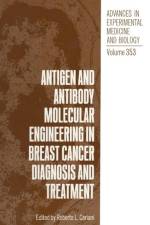
Session I.- Breast Mucin and Associated Antigens in Diagnosis and Therapy.- Peptide Epitopes in Breast Cancer Mucins.- Does a Novel Form of the Breast Cancer Marker Protein, MUC1, Act as a Receptor Molecule that Modulates Signal Transduction?.- Cancer Metastasis Determined by Carbohydrate-Mediated Cell Adhesion.- Experimental Immunotherapy of Breast Cancer Using Alpha Interferon Conjugated to Monoclonal Antibody Mc5.- Circulating and Tissue Markers in the Longitudinal Management of Breast Cancer Patients.- Session II.- Engineering of Antibodies for Breast Cancer Therapy: Construction of Chimeric and Humanized Versions of the Murine Monoclonal Antibody BrE-3.- Humanization of an Anti-Mucin Antibody for Breast and Ovarian Cancer Therapy.- Towards an Immunotherapy for p185HER2 Overexpressing Tumors.- Session III.- Branching N-Linked Oligosaccharides in Breast Cancer.- Specificity of the IgG Response in Mice and Human Breast Cancer Patients Following Immunization Against Synthetic Sialyl-Tn, an Epitope with Possible Functional Significance in Metastasis.- Vaccination Against Breast Cancer - Studies in an Animal Model.- Anti-Idiotype Antibodies as Potential Therapeutic Agents for Human Breast Cancer.- The Simultaneous Expression of c-erbB-2 Oncoprotein and Laminin Receptor on Primary Breast Tumors has a Predicting Potential Analogous to that of the Lymph Node Status.- Multivariate Prognostic Model for Infiltrating Ductal Carcinoma of the Breast in the Axillary Node-Free Patient.- The Use of Monoclonal Antibody Immunoconjugates in Cancer Therapy.- Radioimmunolocalization of Breast Cancer Using BrE-3 Monoclonal Antibody.- Suppression of Human Anti-Mouse Antibody Response to Murine Monoclonal Antibody L6 by Deoxyspergualin: A Phase I Study.- Overview of Radioimmunotherapy in Advanced Breast Cancer Using 1-131 Chimeric L6.- Contributors.
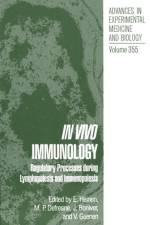
Analysis by In Situ Hybridization of Cytokine mRNAS Expression in Thymic Nurse Cells.- Genetic Expression of the C-CBL Proto-Oncogene in Human Thymocytes.- Production and Selection of B Lymphocytes in Bone Marrow: Lymphostromal Interactions and Apoptosis in Normal, Mutant and Transgenic Mice.- Thymic Neuroendocrine Self Peptides and T Cell Selection.- Human Fetal Liver Cells Differentiate into Thymocytes in Chimeric Mouse Fetal Thymus Organ Culture.- Towards Identification of Memory B Cells in Human Tonsils.- Prolonged IL-4 Treatment Decreases the TNP-Specific Memory Formation for IgG1.- Selection of Anti-Arsonate Idiotype (CRIA) in A/J Mice by the Immune Network.- The Life History and Functional Roles of Accessory Cells.- The Role of Macrophages in Regeneration of Splenic Tissue after Autologous Transplantation in Rat.- In Vivo Antigen Presentation Capacity of Dendritic Cells from Oral Mucosa and Skin Draining Lymph Nodes.- Liposome Mediated Modulation of Macrophage Functions.- In Vivo gp39-CD40 Interactions Occur in the Non-Follicular Compartments of the Spleen and Are Essential for Thymus Dependent Antibody Responses and Germinal Center Formation.- The Role of Dendritic Cells in the Uptake and Presentation of Oral Antigens.- Blockage of Thymic Medullary Epithelial Cell Activation: In Vivo Consequences.- Half-Lives of Antigen/MHC Class II Complexes Differ between Distinct Organ Microenvironments.- Regulation of Neural and Peripheral Cytokine Production by Benzodiazepines and Endogenous Anxiogenic Peptides.- Could ACTH be of Prime Importance in Rapidly Altering the Thymocyte Composition in the Thymus?.- Adrenergic and Cholinergic Regulation of Apoptosis and Differentiation of Thymic Lymphocytes.- Autoimmune lpr and gld Mice: Models of Abnormal Adhesion Molecule Regulation and Defective Lymphocyte Traffic.- Vascular Addressin Expression in Peyer's Patches: An in Vivo Study of Site-Associated Regulation.- Domain 5 of the Intercellular Adhesion Molecule-1 (ICAM-1) Is Involved in Adhesion of B-Cells and Follicular Dendritic Cells.- Modifications of the Expression of Homing and Adhesion Molecules in Infiltrated Islets of Langerhans in Nod Mice.- Characterization of Giant Perivascular Spaces in the Thymus of the Nonobese Diabetic Mouse.- Adhesion Molecule PECAM-1/CD31 Is Expressed on Defined Subsets of Murine LAK Cells.- Intrathymic Gap Junction-Mediated Communication.- Complement and Antibody Enhance Binding and Uptake of HIV-1 by Bone Marrow Cells.- Follicular Dendritic Cells (FDC) Are Not Productively Infected with HIV-1 in Vivo.- Lymph Node Pathology in Experimental FIV Infection.- Lymphocyte Lifespan in Murine Retrovirus-Induced Immunodeficiency.- Analysis of HIV Infections in Human Macrophage-Like Cell Lines.- The Pivotal Role of the Immunoglobulin Receptor of Tumor Cells from B Cell Lymphomas of Mucosa Associated Lymphoid Tissue (MALT).- TNF?- Is Involved in the Mechanism of Murine Thymic Lymphoma Prevention by Bone Marrow Grafting.- Analysis of Germinal Centres in the Immune Response to Oxazolone.- Cytokine Responsiveness of Germinal Center B Cells.- The Differences in Survival and Phenotype between Centroblasts and Centrocytes.- In Vivo Localisation Patterns and Cell-Cell Interactions of Cytokine Producing T-Cells and Specific Antibody Forming B-Cells.- DHEAS Enhances Germinal Center Responses in Old Mice.- Cellular Origin of Follicular Dendritic Cells.- Germinal Centers Develop at Predilicted Sites in the Chicken Spleen.- Expression and Function of DRC-1 Antigen.- The Appendix Functions as a Mammalian Bursal Equivalent in the Developing Rabbit.- Development of Components of the Mucosal Immune System in SCID Recipient Mice.- Many Newly Formed T Lymphocytes Leave the Small Intestinal Mucosa via Lymphatics.- Analysis of IgA-Producing Hybridomas Derived from Peritoneal Bl Cells.- Modulation of the Neonatal IgA Response to Enteric Antigens by Maternal Antibody.- Antibody-Forming Cells (AFCs) in the Lung Lymphoid Tissue afte...
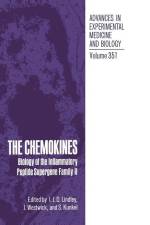
Symposium Presentations.- Chemotactic and Inflammatory Cytokines: CXC and CC Proteins.- Induction of Chemotactic Cytokines by Minimally Oxidized LDL.- The Immunopathology of Chemotactic Cytokines.- Receptor/ligand Interactions in the C-C Chemokine Family.- Adhesion Molecules in Acute and Chronic Lung Inflammation.- Monocyte Chemotactic Protein-1 (MCP-1): Signal Transduction and Involvement in the Regulation of Macrophage Traffic in Normal and Neoplastic Tissues.- Secretion of Monocyte Chemoattractant Protein-1 (MCP-1) by Human Mononuclear Phagocytes.- L-arginine/nitric Oxide Pathway: A Possible Signal Transduction Mechanism for the Regulation of the Chemokine IL-8 in Human Mesangial Cells.- Some Aspects of NAP-1/IL-8 Pathophysiology II: Chemokine Secretion by Exocrine Glands.- Molecular Mechanisms of Interleukin-8 Gene Expression.- Basophil Activation by Members of the Chemokine Superfamily.- Monocyte Chemotactic Proteins Related to Human MCP-1.- Platelets Secrete an Eosinophil-chemotactic Cytokine which is a Member of the CC Chemokine Family.- Neutrophil-activating Peptide ENA-78.- The Effects of Human Recombinant MIP-1?, MIP-1? and RANTES on the Chemotaxis and Adhesion of T Cell Subsets.- Promiscuity of Ligand Binding in the Human Chemokine Beta Receptor Family.- Structural and Functional Characterization of the Interleukin-8 Receptors.- Elucidation of Structure Function Relationships in the IL-8 Family by X-ray Crystallography.- Overview of Chemokines.- Abstracts.- Regulation of Cytokine Secretion by Poxvirus Encoded Proteins.- Interleukin-8 Expression in Gastric Cancer.- Synergistic IL-8 Synthesis by Human Peritoneal Mesothelial Cells (HPMC) Following IL-1? and TNF? Treatment.- Detection of a Potent Chemotactic Activity in Supernatants from Human Monocytes Stimulated with Endothelin-1.- Glioblastoma Secrete MCP-1, a Monocyte Chemotactic Factor.- Neutrophil Chemotactic Activity in the Bronchoalveolar Lavage Fluid of Asthmatics.- The Chemoattractant Properties of Interleukin-4.- IL-8 Induced Chemotaxis of Peripheral Neutrophils in Children with Cystic Fibrosis (CF).- Unusual Properties in Vitro and in Vivo of 198, an Antibody that Recognizes Rabbit CD11b.- Effect of Monocyte Chemotactic Cytokine Gene Transfer on Macrophage Infiltration, Growth and Metastatic Behaviour of a Murine Melanoma.- Expression of Monocyte Protein 1 (MCP-1) by Monocytes and Endothelial Cells Exposed to Thrombin.- IL-8 Production During Urinary Tract Infections.- NAP-1/IL-8 Receptor Expression on Human Neutrophils.- Macrophage-derived Neutrophil Chemotactic Factor (MNCF) Induces Neutrophil Migration Through Lectin-like Activity.- Interleukin-8 Release from Human PMN is Modified by Airborne Particulated Matter.- Interleukin-8 Induces the Expression of HLA-DR Antigen on Human Keratinocytes.- Cloning, Sequencing and Expression of Ovine Neutrophil-attractant Protein-1/IL-8 and Monocyte Chemoattractant Protein-1.- Inhibition of LPS-mediated Responses in Human Whole Blood by Recombinant Bactericidal/Permeability Increasing Protein.- The Activity of IL-8 in Combination with GMCSF and TNF?.- Induction of IL-8 in Inflammatory Bowel Disease.- Elevated Circulating and Tissue IL-8 in Alcoholic Hepatitis.- Expression of Monocyte Chemoattractant Protein-1 in Basal Keratinocytes of Psoriatic Lesions.- IL-8 Concentration in ?-Thalassaemia and after Bone Marrow Transplantation.- Cytokine Production in Felty's Syndrome.- The Lymphocyte Attractant Effects of Interleukins la and 8 Are Not Due to the Release of a Secondary Chemoattractant Factor.- Serial Changes in Circulating Interleukin-8 and Neutrophil Elastase After Major Surgery.- Role of Interleukin-8 in the Pathogenesis of Neutrophil-mediated Acute Lung Injury.- Interleukin-8 in Severe Meningococcal Infections: Correlation with Severity of Disease.- IL-6 and IL-8 Levels in Patients with Rheumatoid Arthritis.- Plasma Interleukin 8 Levels in Patients with Septic Shock.- Inhibitory Effect of Protease-inhibitor for P...
Control of Urea Synthesis and Ammonia Detoxification.- Brain Metabolism in Hepatic Encephalopathy and Hyperammonemia.- Ammonia Metabolism in Mammals: Interorgan Relationship.- Clinical Manifestations and Therapy of Hepatic Encephalopathy.- Nutritional Considerations in Patients with Hepatic Failure.- Do Benzodiazepine Ligands Contribute to Hepatic Encephalopathy?.- Effects of Hyperammonemia on Neuronal Function: NH4+, IPSP Cl-Extrusion.- Activation of NMDA Receptor Mediates the Toxicity of Ammonia and the Effects of Ammonia on the Microtubule-Associated Protein MAP-2.- Modulation of the Exocytotic Release of Neurotransmitter Glutamate by Protein Kinase C.- Controls of Cerebral Protein Breakdown.- Two Different Families of NMDA Receptors in Mammalian Brain: Physiological Function and Role in Neuronal Development and Degeneration.- Glanglioside GM1 and its Semisynthetic Lysogangliosides Reduce Glutamate Neurotoxicity by a Novel Mechanism.- Contributors.
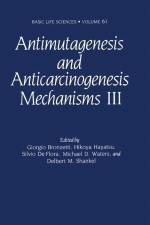
Mechanistic Approaches to Antimutagenesis and Anticarcinogenesis: Multiple Mechanisms; L.M. De Luca. Inhibition of Mutagenesis and Carcinogenesis by Extracellular Mechanisms: Inhibition of Nitrosation; H. Bartsch, et al. Modulation of Metabolism and Blocking of Reactive Species: Organ-Specific Modification of Carcinogenesis by Antitoxidants in Rats; M. Hirose, et al. Modulation of DNA Repair and Control of Gene Expression: Molecular Control of Human Papillomavirus RNA Expression in Neoplasia; J.A. DiPaolo, C.H. Woodworth. Mechanisms of Inhibition of Tumor Promotion, Progression, Invasion, and Metastasis: Mechanisms of Inhibition of Tumor Progression; B.S. Warren, T.J. Slaga. Prospects in Chemoprevention of Mutation and Cancer: Dietary Inhibitors Against Mutagenesis and Carcinogenesis; H. Hayatsu, et al. 35 additional articles. Index.
1. Introduction.- 2. The Literature of Dance.- 3. The N?tya stra and the Concept of Dance.- 4. L?sya: A Dramatic Art.- 5. Nrtya and Upar?paka.- 6. Bandha and Anibandha.- 7. The De Tradition.- 8. Conclusion.
This book negotiates the hyper dimensions of the Internet through stories from myriads of Web sites, with its fluent presentation and simple but chronological organization of topics highlighting numerous opportunities and providing a solid starting point not only for inexperienced entrepreneurs and managers but anyone interested in applying information technology in business through real or virtual enterprise networks to date. A Manager's Primer on e-Networking is an easy to follow primer on modern enterprise networking that every manager needs to read.
1 Antioxidants.- 2 Sweeteners.- 3 Flavourings.- 4 Colours.- 5 Preservatives.- 6 Enzymes.- 7 Nutritive additives.- 8 Emulsifiers.- 9 Bulking agents.- 10 pH control agents.- 11 Hydrocolloids.- 12 Antifoams and release agents.- 13 Flour improvers and raising agents.- 14 Gases.- 15 Chelating agents.
This book challenges the conclusions that link entrepreneurship to lower employee compensation. This challenge is based on more recent theories of entrepreneurship, which view the role of small firms as existing in a dynamic context rather than a static framework. The evolutionary theory of entrepreneurship views the startup as an endogenous response to economic knowledge and suggests that new firms are a diverse manifestation of the search process. Evolutionary theory has been strikingly silent about how employee compensation might differ in an evolutionary framework compared to a static one. This is important because employee compensation is a key measure of economic performance, complementing other measures such as growth and survival. This book argues that the link between entrepreneurship and wages is different in an evolutionary context than in the traditional static analysis, suggesting that, particularly in knowledge-based industries, firms will pay relatively lower levels of employee compensation subsequent to startup. If the firm learns that it is viable, and survives and grows, levels of employee compensation will rapidly rise. This research provides compelling empirical evidence suggesting that the relationship between firm age and employee compensation is very different in an evolutionary context than in a static analysis. While this study confirms that new and small enterprises compensate employees at lower levels than do their larger counterparts subsequent to startup, over time, the levels of employee compensation not only increase, but also at a higher rate than in larger enterprises. While the traditional static analysis leads to the policy prescription that new firms and the low wages associated with them represent a drag on economic welfare, the evolutionary view suggests that, in the knowledge economy, they are an essential component of the search for steep trajectories, both in terms of growth and wages.
Abonner på vårt nyhetsbrev og få rabatter og inspirasjon til din neste leseopplevelse.
Ved å abonnere godtar du vår personvernerklæring.