





Gjør som tusenvis av andre bokelskere
Abonner på vårt nyhetsbrev og få rabatter og inspirasjon til din neste leseopplevelse.
Ved å abonnere godtar du vår personvernerklæring.Du kan når som helst melde deg av våre nyhetsbrev.

The book helps to explore the vast expanse of artificial intelligence-based scientific content that has been published in the last few years. Ophthalmology has recently undergone a silent digital revolution, with machine learning and deep learning algorithms consistently outperforming human graders in studies published across the globe. It is high time that a resource that breaks this information behemoth into easily digestible bits comes to the fore. This book simplifies the complex mechanics of algorithms used in ophthalmology and vision science applications. It also tries to address potential ethical issues with machines entering our clinics and patients' lives. Overall it is essential reading for ophthalmologists/eye care professionals interested in artificial intelligence and everyone who is looking for a deep dive into the exciting world of digital medicine.
This book provides an insight into the issue of health inequity brought about by the violent conflict in Northeast India. While examining the deep vulnerabilities and loss of well-being suffered by families displaced by conflict in the Indo-Bhutan borderland region, the authors raise fundamental questions of accountability and the role of various stakeholders in providing humanitarian assistance to those affected by the conflict. It highlights for the reader the role played by conflict and armed violence in dismantling a functioning public health system and delineates the long-term barriers to post-conflict recovery. The book is written by those who have worked in implementing development and peacebuilding programs in the Bodoland Territorial Region (BTR) of Western Assam. The book especially brings to the fore the voices of those communities directly affected by conflict in Bodoland. The book is valuable to researchers, development practioners and policy makers. Given the unique format of the book, which includes a number of case studies, it is particularly useful for students of development, public health and allied disciplines such as international relations as well as peace and conflict studies.
This book offers a systematic review of the cutting-edge knowledge in stress medicine. Cellular redox imbalance, resulting from overproduction of reactive oxide species (ROS), leads to oxidative stress and subsequent occurrence and development of many diseases, such as cancer, diabetes, pain, etc. In addition, ROS can induce post-translational modification of proteins and play roles through redox signaling pathways. In this book, the authors attempt to re-define the key concepts in oxidative stress, such as oxidative eustress and oxidative distress, revisit the pivotal signaling of oxidative stress in human diseases, and discuss the debate in current anti-oxidant strategies, such as natural products and drug repurposing. This book serves as a reference to graduate students and researchers in this growing field.
This book offers an introduction to various models and methods for green supplier evaluation and selection (GSES) within different information settings. As such, it provides valuable knowledge, useful GSES methods and practical examples that can be considered by manufacturers in selecting appropriate green suppliers to improve their environmental performance and customer satisfaction. This book is useful for practitioners and researchers working in the fields of supply chain management, operation management, information science, industrial engineering, and management science. It is also useful as a textbook for postgraduate and senior undergraduate students.
This Atlas summarizes current surgical strategy for cerebral revascularization in the treatment of complex neurovascular diseases. It focuses on complex intracranial aneurysms, which are mostly large/giant, irregular and short of enough collateral compensation. In the first part, it starts from the extracranial-intracranial (EC-IC) bypass strategy. For the complex middle cerebral artery aneurysms, the types of EC-IC bypass are determined based on the angioarchitecture. Furthermore, various intracranial-intracranial (IC-IC) bypasses are introduced, with the advantage of no need for graft vessel harvesting and preferable matching of donor and receipt arteries. This Atlas provides useful knowledge and cases about this basic and indispensable skill for neurosurgeons.
This book analyzes recent advances, trends, challenges and potentials of the role of media in disaster risk reduction. Collaboration, co-design and co-delivery with other stakeholders in science technology, private sectors, and civil society are found to be effective in reaching people and communities.The media is considered to be of utmost importance in all phases of disasters, before, during and after, with different types of media having different proactive roles to play in disaster risk reduction. Before disasters, they play essential roles not only in bringing early warning to people but also in enhancing their perception of the need to take action. At during- and post-disaster response recovery phases, community radio and social media are the key. These necessitate a resilient media infrastructure as the core of uninterrupted coverage.Media literacy has become an important issue for several stakeholders, including governments. In addition, more focus is placed on media governance to look at the priorities of disaster risk reduction initiatives within the media. All of these are considered to lead to trust in the media, which further improves people's disaster response actions based on information from the media, before and during disasters.Covering different aspects of media, this book is a valuable source for students, researchers, academics, policy-makers and development practitioners.
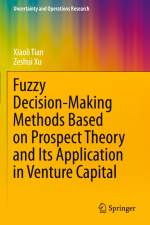
This book gives a thorough and systematic introduction to the latest research results about fuzzy decision-making method based on prospect theory. It includes eight chapters: Introduction, Intuitionistic fuzzy MADM based on prospect theory, QUALIFLEX based on prospect theory with probabilistic linguistic information, Group PROMETHEE based on prospect theory with hesitant fuzzy linguistic information, Prospect consensus with probabilistic hesitant fuzzy preference information, Improved TODIM based on prospect theory and the improved TODIM with probabilistic hesitant fuzzy information, etc. This book is suitable for the researchers in the fields of fuzzy mathematics, operations research, behavioral science, management science and engineering, etc. It is also useful as a textbook for postgraduate and senior-year undergraduate students of the relevant professional institutions of higher learning.
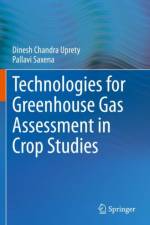
Global climate change is one of the most serious threats to the environment of the earth and to the crop production. Crop's vulnerability to climate change stress caused by the greenhouse gases emission is a serious concern. This book describes various technologies and methods including the simulation of the future climate changes, studying the response of crop plants and characterizing their responses physiologically and biochemically. It includes the latest information of protocols and technologies for climate change research on agriculture. This book is of interest to teachers, researchers, climate change scientists, capacity builders and policymakers. Also the book serves as additional reading material for undergraduate and graduate students of agriculture, forestry, ecology, soil science, and environmental sciences. National and international agricultural scientists, policy makers will also find this to be a useful read.
This book presents the emerging regime of zero refractive index photonics, involving metamaterials that exhibit effectively zero refractive index. Metamaterials are artificial structures whose optical properties can be tailored at will. With metamaterials, intriguing and spellbinding phenomena like negative refraction and electromagnetic cloaking could be realized, which otherwise seem unnatural or straight out of science fiction. Zero index metamaterials are also seen as a means of boosting nonlinear properties and are believed to have strong prospects for being useful in nonlinear optical applications. In summary, this book highlights almost everything currently available on zero index metamaterials and is useful for professionally interested and motivated readers.
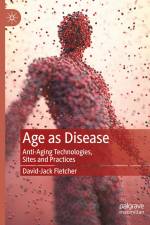
Age as Disease explores the foundations of gerontology as a discipline to examine the ways contemporary society constructs old age as a disease-state. Framed throughout as 'gerontological hygeine', this book examines contemporary regimes, strategies and treatment protocols deployed throughout Australia, the United States, and the United Kingdom. The book deploys critical cultural theories such as biopolitics, somatechnics, ethics, and governmentality to examine how anti-aging technologies operate to problematise the aging body as always-already diseased, and how these come to constitute a movement of abolition, named here as 'gerontological hygiene'.
This book comprehensively explores the basic concepts and applications of biomaterials in tissue engineering and regenerative medicine. The book is divided into four sections; the first section deals with the basic concepts and different types of biomaterials used in tissue engineering. The second section discusses the functional requirements and types of materials that are used in developing state-of-the-art of scaffolds for tissue engineering applications. The third section presents the applications of biomaterials for hard and soft tissue engineering, as well as for specialized tissue engineering. The last section addresses the future prospects of nanobiomaterials, intelligent biomaterials, and 3D bioprinting biomaterials in tissue engineering and regenerative medicine. It also discusses various in vitro disease models for tissue bioengineering and regenerative medicine. As such, it offers a valuable resource for students, researchers, scientists, entrepreneurs, and medical/healthcare professionals.
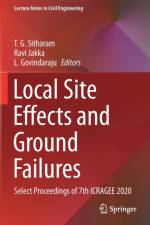
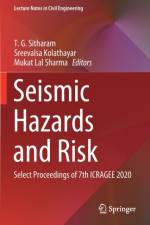
This volume presents select papers presented at the 7th International Conference on Recent Advances in Geotechnical Earthquake Engineering and Soil Dynamics. The papers discuss advances in the fields of soil dynamics and geotechnical earthquake engineering. Some of the themes include ground response analysis & local site effect, seismic slope stability and landslides, application of AI in geotechnical earthquake engineering, etc. A strong emphasis is placed on connecting academic research and field practice, with many examples, case studies, best practices, and discussions on performance based design. This volume will be of interest to researchers and practicing engineers alike.
This volume presents select papers presented at the 7th International Conference on Recent Advances in Geotechnical Earthquake Engineering and Soil Dynamics. The papers discuss advances in the fields of soil dynamics and geotechnical earthquake engineering. Some of the themes include seismic risk assessment, engineering seismology, wave propagation, remote sensing applications for geohazards,engineering vibrations, etc. A strong emphasis is placed on connecting academic research and field practice, with many examples, case studies, best practices, and discussions on performance based design. This volume will be of interest to researchers and practicing engineers alike.
This book illustrates the significance of nanotechnology in the delivery of anticancer and antimicrobial drugs, biomimetic technologies, tissue engineering, sensing, diagnostics, and artificial enzymes. It first briefly discusses the use of nanotechnology for the delivery of anticancer medications, and the concept and applications of catalytically active nanomaterial-based artificial enzymes for sensing and diagnostic applications. It then explores the use of silver nanoparticle-based novel antimicrobials, and comprehensively reviews the role of nanomaterials in developing biomedical implants and tissue engineering applications. Lastly, it offers a detailed description of nanotherapeutics for combating human protozoan parasitic infections. Cutting across the disciplines, this book serves as a guide for researchers and scientists in biotechnology, medical science and material science.
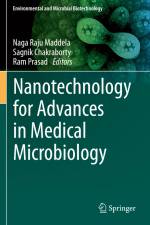
Combined fields of Microbiology and Nanotechnology have been most successful in providing novel solutions for protecting the health of humans and environment. This book covers the implications of nano-strategies to combat bacterial pathogens, applications of nanotechniques in microbiology, and innovative advances in the area of medical microbiology. Contents are divided into three sections -- Nanoscience in controlling bacterial pathogens, Nanoscience in Microbiology, Medical Microbiology. This volume is going to provide timely information about the technological advances of Nanoscience in the domain of Microbiology, with a special emphasis on Pathobiology. The book is a useful read for students and researchers in microbiology, nanotechnology and medical microbiology.
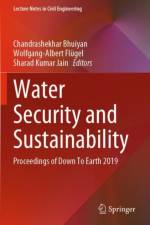
This book contains selected peer-reviewed papers presented in the International Conference Down To Earth 2019, and is focused on Water Security and Sustainability. The topics covered in this book include sustainability of water resources, geospatial modelling and hydro-informatics, extreme hydrology (drought and flood), adaptation to climate-change impacts, vulnerability-risk-reliability-resilience, and hydrological risks in north-east India. The book also discusses innovative techniques and technologies for water resources assessment and management. Enriched with numerous case studies covering diverse topics, the book can be valuable for students, researchers, as well as industry professionals interested in water resources assessment, management and sustainable development.
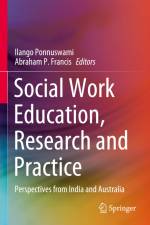
This book addresses a range of key issues concerning social work education, research and practice in India and Australia from a cross-cultural perspective. The respective chapters focus on specific areas of social work regarding e.g. the status and recognition of the profession, regulatory mechanisms, roles and functions of social workers in different settings, and issues and challenges faced by the social work community. The book shares valuable perspectives to help understand the culturally sensitive practice of social work in various socio-cultural, economic and political contexts in both countries. Given the scope of its coverage, the book is of interest to scholars, students and professionals working in the areas of social work, social development and social policy practice.
This book covers the up-to-date advancement of respiratory monitoring in ventilation support as well as detecting the physiological responses to therapeutic interventions to avoid complications. Mechanical ventilation nowadays remains the cornerstone in life saving in critically ill patients with and without respiratory failure. However, conclusive evidences show that mechanical ventilation can also cause lung damage, specifically, in terms of ventilator-induced lung injury.Respiratory monitoring encloses a series of physiological and pathophysiological measurements, from basic gas exchange and ventilator wave forms to more sophisticated diaphragm function and lung volume assessments. The progress of respiratory monitoring has always been accompanied by advances in technology. However, how to properly conduct the procedures and correctly interpret the data requires clear definition.The book introduces respiratory monitoring techniques and data analysis, including gas exchange, respiratory mechanics, thoracic imaging, lung volume measurement, and extra-vascular lung water measurement in the initial part. How to interpret the acquired and derived parameters and to illustrate their clinical applications is presented thoroughly. In the following part, the applications of respiratory monitoring in specific diseases and conditions is introduced, including acute respiratory distress syndrome, obstructive pulmonary diseases, patient-ventilator asynchrony, non-invasive ventilation, brain injury with increased intracranial pressure, ventilator-induced diaphragm dysfunction, and weaning from mechanical ventilation.This book is intended primarily for ICU physicians and other practitioners including respiratory therapists, ICU nurses and trainees who come into contact with patients under mechanical ventilation. This book also provides guidance for clinical researchers who take part in respiratory and mechanical ventilation researches.
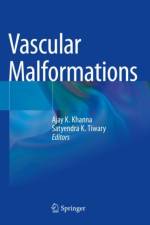
The book covers all aspects of vascular malformations including classification, embryology, genetics, clinical approach, investigations, management, controversies and key points to remember. Chapters cover recent changes in detail in various aspects, such as classification, genetic decoding, minimal intervention, selective approach and investigations for different types. It offers clear guidance on diagnostic protocol and surgical decision making with changing scenario leading to evolving endovascular and radiological interventions.The book is useful for vascular surgeon, pediatric surgeon, general surgeon, plastic surgeon and intervention radiologist as well as clinical research scholars, surgical oncologists and radiologists.
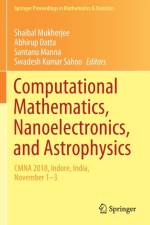
This book is a collection of original papers presented at the International Conference on Computational Mathematics in Nanoelectronics and Astrophysics (CMNA 2018) held at the Indian Institute of Technology Indore, India, from 1 to 3 November 2018. It aims at presenting recent developments of computational mathematics in nanoelectronics, astrophysics and related areas of space sciences and engineering. These proceedings discuss the most advanced innovations, trends and real-world challenges encountered and their solutions with the application of computational mathematics in nanoelectronics, astrophysics and space sciences. From focusing on nano-enhanced smart technological developments to the research contributions of premier institutes in India and abroad on ISRO's future space explorations-this book includes topics from highly interdisciplinary areas of research. The book is of interest to researchers, students and practising engineers working in diverse areas of science and engineering, ranging from applied and computational mathematics to nanoelectronics, nanofabrications and astrophysics.
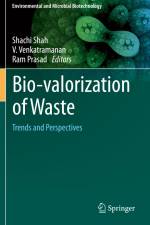
This book explores the concept and methods of waste management with a new approach of biological valorization. Waste valorization is a process that aims to reduce, reuse, and recycle the waste into usable, value-added, and environmental benign raw materials which can be a source of energy. The book brings together comprehensive information to assert that waste can be converted into a resource or a raw material for value addition. Waste valorization imbibes the natural recycling principles of zero waste, loop closing, and underlines the importance of sustainable and environmentally friendly alternatives. Drawing upon research and examples from around the world, the book is offering an up-to-date account, and insight into the contours of waste valorization principles, biovalorization technologies for diverse group of wastes including agricultural, municipal, and industrial waste. It further discusses the emerging paradigms of waste valorization, waste biorefineries, valorization technologies for energy, biofuel, and biochemical production. The book meets the growing global needs for a comprehensive and holistic outlook on waste management. It is of interest to teachers, researchers, scientists, capacity builders and policymakers. Also, the book serves as additional reading material for undergraduate and graduate students of biotechnology and environmental sciences.
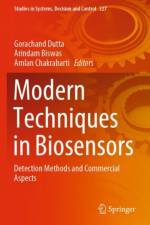
This book focusses on recent advances and different research issues in the biosensor technology and also presents theoretical, methodological, well-established and validated empirical work dealing with the technology. The book addresses challenges for the development of a point-of-care test platform. The book also describes printed chip-based assay (Lab-on-a-Chip, Lab-on-a-PCB) for rapid, inexpensive, multiplex detection of disease biomarkers in real samples. It aims to overcome existing barriers for Lab-on-a-Chip commercialization (lack of cost effective mass manufacturing methods, self-contained, fully autonomous operation and user-friendliness). Different advanced techniques including electrochemical, optical, mass, colorimetric and signal amplification strategies describe early stage disease diagnosis. The book gathers scientific and technological novelties and advancements already developed or under development in the academic and research communities. It covers a vast audience from basic science to engineering and technology experts and learners.
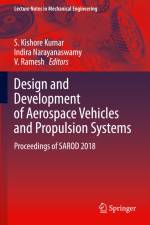
This book presents selected papers presented in the Symposium on Applied Aerodynamics and Design of Aerospace Vehicles (SAROD 2018), which was jointly organized by Aeronautical Development Agency (the nodal agency for the design and development of combat aircraft in India), Gas-Turbine Research Establishment (responsible for design and development of gas turbine engines for military applications), and CSIR-National Aerospace Laboratories (involved in major aerospace programs in the country such as SARAS program, LCA, Space Launch Vehicles, Missiles and UAVs). It brings together experiences of aerodynamicists in India as well as abroad in Aerospace Vehicle Design, Gas Turbine Engines, Missiles and related areas. It is a useful volume for researchers, professionals and students interested in diversified areas of aerospace engineering.
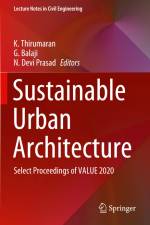
This book presents select proceedings of the International Conference on Visionary Action towards Liveable Urban Environments (VALUE 2020). Various topics covered in this book include context responsive architecture, green architecture, energy efficient buildings, energy conservation, inclusive spatial environments, security in buildings and cities, green/smart/ intelligent architecture, sustainable mobility and smart communities. This book will be a valuable reference for students, researchers, and professionals interested in built environment and allied fields.
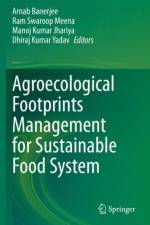
Agroecological footprints are a unique and popular concept for sustainable food system. Measuring and keeping a tab on the agroecological footprints of various human activities has gained remarkable interest in the past decade. From a range of human activities, food production and agriculture are most essential as well as extremely dependent on the agroecosystems. It is therefore crucial to understand the interaction of agroecosystem constituents with the extensive agricultural practices. The environmental impact measured in terms of agroecological footprints for a healthy for the sustainable food system. The editors critically examine the status of agroecological footprints and how it can be maintained within sustainable limits. Drawing upon research and examples from around the world, the book is offering an up-to-date account, and insight into how agroecology can be implemented as a solution in the form of eco-friendly practices that would boost up the production, curbs the environmental impacts, improves the bio-capacity, and reduces the agroecological footprints.It further discusses the changing status of the agroecological footprints and the growth of other footprint tools and types, such as land, water, carbon, nitrogen, etc. This book will be of interest to teachers, researchers, government planners, climate change scientists, capacity builders, and policymakers. Also, the book serves as additional reading material for undergraduate and graduate students of agriculture, agroforestry, agroecology, soil science, and environmental sciences.National and international agricultural scientists, policymakers will also find this to be useful to achieve the 'Sustainable Development Goals'.
This book summarizes the recent advancements in identifying the mosquito vectors and discusses various strategies for their control.The book describes various molecular taxonomic methods, including DNA barcoding and single nucleotide polymorphism-based machine learning approach, which are used for the identification of mosquito vectors.It also presents the various mosquito control methods, namely, phytochemicals, Bacillus thuringiensis toxins, nanotechnology, biological control agents, and environmental management strategies. It also highlights the importance of various repellents that are used for protection from different kinds of mosquito vectors.Finally, the book offers a comprehensive yet representative description of challenges associated with mosquito vector-borne diseases. The book is a useful resource for medical entomologists, health workers, and researchers working in mosquito-control and vector-borne diseases.
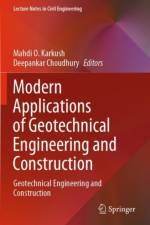
This book contains select papers from the International Conference on Geotechnical Engineering Iraq discussing the challenges, opportunities, and problems of application of geotechnical engineering in projects. The contents cover a wide spectrum of themes in geotechnical engineering, including but not limited to sustainability & geotechnical engineering, modeling of foundations & slope stability, seismic analysis & soil mechanics, construction materials, and construction & management of projects. This volume will prove a valuable resource for practicing engineers and researchers in the field of geotechnical engineering, structural engineering, and construction and management of projects.</p>^
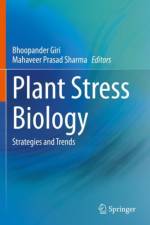
Plants growing in the natural environment battle with a variety of biotic (pathogens infection) and abiotic (salinity, drought, heat and cold stresses etc.) stresses. These physiological stresses drastically affect plant growth and productivity under field conditions. These challenges are likely to grow as a consequences of global climate change and pose a threat to the food security. Therefore, acquaintance with underlying signalling pathways, physiological, biochemical and molecular mechanisms in plants and the role of beneficial soil microorganisms in plant's stress tolerance are pivotal for sustainable crop production. This volume written by the experts in the stress physiology and covers latest research on plant's tolerance to abiotic and biotic stresses. It elaborates on the potential of plant-microbe interactions to avoid the damage caused by these stresses. With comprehensive information on theoretical, technical and experimental aspects of plant stress biology, this extensive volume is a valuable resource for researchers, academician and students in the broad field of plant stress biology, physiology, microbiology, environmental and agricultural science.
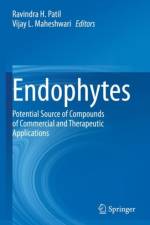
This book describes the various therapeutic and commercial applications of compounds produced by endophytes. Endophytes are microorganisms that reside in the living internal tissues of plants without showing any apparent symptom of their presence. During their life cycle, they establish a symbiotic or parasitic relationship with the host plant. The book discusses different kinds of compounds that these endophytes produce, and their potential properties such as antimicrobial, anti-oxidative, anti-inflammatory, anticancer, neutraceutical, immunomodulatory etc. Other prospects of entophytic biology such as fungi of wild and domesticated crop plants and their applications in sustainable agriculture have also been included. The book also provides details about various techniques used in endophyte research, metabolite detection and bioactivity-based assays to explore endophytes. Endophytes with phytohormonesproducing potential and their role in plant -microbial interactions under stress are also discussed. The book also highlights novel strategies to tap into the hidden potential of endophytic fungi for the production of novel biomolecules using an integrated approach.These microorganisms have attracted a lot of scientific attention worldwide because of their huge potential for novel phytochemicals, pharmaceuticals and lead compounds. Hundreds of new novel endophytic fungi have been isolated, identified and systematically studied in last decade. However, this is the first of its kind, systematic compilation of potential biotechnological applications of endophytic compounds. Chapter contributions from groups across the globe make this book very up-to-date and informative. This book is very useful and interesting for students and researchers in the field of microbiology, plant sciences, mycology and pharmacology. It is also helpful for industry experts working on developing novel compounds.
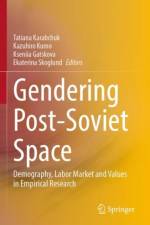
This volume combines approaches from three disciplines - economics, sociology, and demography - and empirically analyzes the key aspects of the labor market and social demography processes in post-Soviet transitional societies while focusing on the gender perspective. Here, readers will find empirical studies on such countries as Armenia, Azerbaijan, Belarus, Estonia, Georgia, Kazakhstan, Kyrgyzstan, Russia, Tajikistan, Ukraine, and Uzbekistan. The volume contributes to the literature by addressing the lack of academic empirical research on gender difference issues in the labor markets of post-Soviet countries as well as gender inequalities in fertility preferences, gender disparities among the youth and elderly, the gender pay gap, gender differences in employment, and female voices. The book brings together researchers of different disciplines from a variety of countries, distinguishing this project as international and interdisciplinary. The authors use the quantitative survey micro-data approach as well as the qualitative methods of interview data analysis to provide a comprehensive and detailed overview of the economic and social developments in the region regarding gender differences. The volume consists of three parts tackling the following topics: 1) gender differences and demography (family formation and fertility, youth and elderly employment); 2) gender differences and labor market (gender wage gap, motherhood wage penalty, gender differences among freelancers, and women in STEM science); and 3) gender differences, well-being, and gender equality attitudes (women's voices, women's collective actions, gender equality attitudes, and spending patterns of housewives).
Abonner på vårt nyhetsbrev og få rabatter og inspirasjon til din neste leseopplevelse.
Ved å abonnere godtar du vår personvernerklæring.