











Gjør som tusenvis av andre bokelskere
Abonner på vårt nyhetsbrev og få rabatter og inspirasjon til din neste leseopplevelse.
Ved å abonnere godtar du vår personvernerklæring.Du kan når som helst melde deg av våre nyhetsbrev.

This book brings together the latest knowledge on moyamoya disease, covering diagnostic criteria, status as a disease entity, genetic aspects, pathophysiology, novel neuroradiological findings, and surgical therapy. Information is also provided on recent basic and clinical research with the aim of identifying future perspectives on the disease. Since moyamoya disease was first reported in an English language article more than 50 years ago, our understanding of it has advanced considerably. Genetic and radiological analysis has delivered novel insights, and the latest multicenter studies are changing routine diagnosis and surgical therapy. The gene encoding the ring finger protein 213 (RNF213) has been identified as a susceptibility gene for moyamoya disease. Indications and procedures for surgical revascularization have been revised, with resultant improvements in outcomes, and studies performed over the past decade have provided new knowledge on the neuroradiological findings before and after surgery. In describing these advances, this book will be an invaluable asset for all general physicians, pediatricians, neurologists, radiologists, and neurosurgeons who care for patients with moyamoya disease across the world.
This book focuses on sustaining communities of practice in primary and secondary schools in Australia and internationally for the professional learning of all teachers, and particularly, early career teachers. Informed by the communities of practice research of Wenger-Trayner, it shows what factors are conductive to the sustainability of communities of practice, drawing particularly on a case study of an Australian regional secondary school, and explores how it has sustained support particularly for early career teachers over a three-year period.The first chapters of the book provide longitudinal perspectives using qualitative data and include perspectives from a variety of stakeholders, including the principal, the professional learning coordinator and the early career teachers who have experienced the school's Communities of practice over three or more years. It offers practical suggestions on how to implement and improve communities of practice in schools and highlights the increasing importance of online communities to support early career teachers. Policy-makers, school principals, teacher educators and teaching practitioners find the book useful for implementing and sustaining communities of practice in schools.Subsequent chapters explore the value of online communities, such as Twitter communities; the role of collegial support networks in supporting early career teachers in Flemish primary education; and professional learning in Northern Ireland pre- and in-service teacher networked communities.
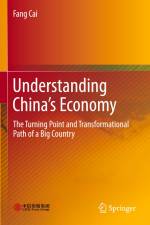
This book reviews and examines the reform and opening up in China from 1978 to 2011. It analyzes how China avoided to fall into the middle-income trap over those 33 years. The book makes a deep analysis of understanding how Chinese economy became a miracle in the world economic history and its development stages, as well as the overseas erroneous understanding of the existence of Chinese economy. The author analyzes from three aspects: how to break the "e;impossible triangle"e;, how to achieve middle-to-high speed growth in L model, and how to release a new dividend of urbanization. After Chinese economy entered the Lewis turning point, China faced the dilemma of labor transformation and the disappearance of demographic dividend, the demographic dividend turned to the reform dividend. The author points out and suggests that a new round of growth should be achieved by improving the total factor productivity in order to find a new way for the Chinese economy. This book plays an important role of comprehending Chinese economy under current complex economic situation.This book helps readers to understand Chinese economy from many aspects: impossible triangle, L model growth, Malthus trap, dual economy, aging problem, demographic dividend, reform dividend, trap of middle income, globalization, etc. The author as an economist aims for the public explaining the professional knowledge in a concise and easy way. This book delivers the information of discerning and understanding the economic trend, and predicting the future.
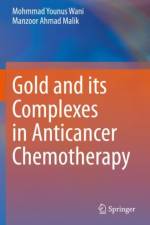
This book presents an overview of cancer and the genesis, and development of different treatment strategies and modalities against cancer. The emergence of gold and its complexes as promising anticancer chemotherapeutic agents have the potential to substitute or replace the platinum based chemotherapeutic agents. Gold complexes have demonstrated considerable anti-proliferative properties, chiefly attributed to their anti-mitochondrial effects, they make gold complexes excellent candidates as anti-cancer agents compared to their platinum-based counterparts. This book provides a critical review of recent advances made in the development of gold complexes as anti-cancer agents. In this context, it examines a number of different ligand architectures, provides comprehensive information on gold complexes' mechanism of action and toxicity issues and, in closing, outlines future research directions.
This book focuses on how to implement optimal control problems via the variational method. It studies how to implement the extrema of functional by applying the variational method and covers the extrema of functional with different boundary conditions, involving multiple functions and with certain constraints etc. It gives the necessary and sufficient condition for the (continuous-time) optimal control solution via the variational method, solves the optimal control problems with different boundary conditions, analyzes the linear quadratic regulator & tracking problems respectively in detail, and provides the solution of optimal control problems with state constraints by applying the Pontryagin's minimum principle which is developed based upon the calculus of variations. And the developed results are applied to implement several classes of popular optimal control problems and say minimum-time, minimum-fuel and minimum-energy problems and so on. As another key branch of optimal control methods, it also presents how to solve the optimal control problems via dynamic programming and discusses the relationship between the variational method and dynamic programming for comparison. Concerning the system involving individual agents, it is also worth to study how to implement the decentralized solution for the underlying optimal control problems in the framework of differential games. The equilibrium is implemented by applying both Pontryagin's minimum principle and dynamic programming.The book also analyzes the discrete-time version for all the above materials as well since the discrete-time optimal control problems are very popular in many fields.
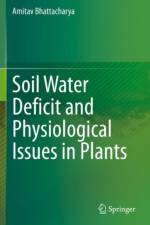
This book explores the impact of soil water deficiency on various aspects of physiological processes in plants. The book explains the effects under soil water deficit condition such as lowering of plant water content, disturbance in carbon metabolism such in photosynthesis, photorespiration and respiration as well as effects of soil water deficit on nitrogen metabolism. The book also educates the readers about, mineral nutrition under soil water deficit condition and roles of different nutrient to overcome water deficit. Changes in growth and development pattern of plant under soil water deficit condition and effects on growth and development are elaborated. This book is of interest to teachers, researchers, scientists in botany and agriculture. Also the book serves as additional reading material for undergraduate and graduate students of agriculture, forestry, ecology, soil science, and environmental sciences. National and international agricultural scientists, policy makers will also find this to be a useful read.The in depth description of the major physiological issues in plants under soil water deficit that are presented in this book will help breeders tailoring crops for desirable physiological survival traits in the face of increasing soil water deficit. This book is an impactful addition to the library of any faculty members, researchers, agricultural policy planner, post graduate or student studying in plant physiology, biochemistry, microbiology and other subjects related to crop husbandry.
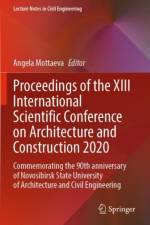
The book contains the latest studies on digitalization of transport and logistics, improving vehicle fuel efficiency, information technology and digital security, land management and cadastres, building structures, structural analysis, and energy conservation in construction. This book consists of papers presented during the XIII International Scientific Conference on Architecture and Construction 2020, which is dedicated to the 90th anniversary of Novosibirsk State University of Architecture and Civil Engineering, held on September 22-24, 2020. The book caters to researchers, scientists and industrial practitioners in the field of transportation engineering, logistics, intelligent transport systems, sustainable construction for housing and industrial buildings.
This book presents the latest information on the epidemiology, pathophysiology, diagnosis and treatment of peripheral nerve entrapment neuropathy, focusing on the lumbar spine and the lower limbs. The book is divided into three thematic sections, on para-lumbar spine disease, lower limb entrapment neuropathy, and comprehensive reviews. In addition to exploring the latest advances, it also features short essays by the Editor that provide valuable insights into the disease. Though neuropathy of the upper limbs has been studied in detail and substantial evidence is available, there are very few books on para-lumbar spine and lower limb entrapment neuropathy. Often, the symptoms are misdiagnosed as lumbar spine disease, overlooked, or treated as failed back surgery syndrome. This book provides a comprehensive overview of the disease and shares the latest findings from the last 10 years of research into its diagnosis and treatment, offering essential guidance for general clinicians, spinal surgeons and neurosurgeon who treat numbness and pain in the lower limbs and lower back. It will also benefit young doctors interested in the field, nurses, therapists and patients
This book is an ethnographic study of migrants, refugees and 'temporary' people in Malaysia, incorporating narratives, personal stories, and observations of everyday life in Kuala Lumpur and Georgetown, Penang. Rather than focusing on specific migrant communities or refugee 'camps', the book takes subaltern cosmopolitanism as its central lens to look at how different and diverse communities of non-citizen 'pendatang' (aliens) co-habit, work and live together in Malaysia. Urban centers in Malaysia offer the space for informality that allow stateless and undocumented people to seek out opportunities, while also finding ways to assimilate or even 'disappear' into the fabric of society. The book focuses on the notion of 'contaminations', rather than migration or migrants, to underscore one of the most important findings of the ethnographic study - that migrant life in Malaysia is critically integral, embedded and interwoven into the everyday life in the city - shaping and affecting all aspects of daily life from production and supply chains, food service networks, cultural and religious practices, waste and recycling work, to more intimate and private contexts such as romantic relationships, family life and sex-work. Hybridity, inter-mixing and bastardization are part and parcel of everyday urbanism in KL and Penang - these 'contaminating elements' challenge and disrupt categories of the 'national' and categories such as insider/outsider, national purity, and politically constructed divisions between ethnic and racial groups. The book thus relies upon detailed ethnographic narratives curated over a decade of study, offering students interested in fieldwork research insights into the types of engagements and commitments necessary for helping build the complex, uneasy and destabilizing knowledge that characterizes critical ethnography.
This book focuses primarily on the nature-inspired approach for designing smart applications. It includes several implementation paradigms such as design and path planning of wireless network, security mechanism and implementation for dynamic as well as static nodes, learning method of cloud computing, data exploration and management, data analysis and optimization, decision taking in conflicting environment, etc. The book fundamentally highlights the recent research advancements in the field of engineering and science.
This book examines the challenges of the implementation of Islamic law in Malaysia. Malaysia is a pertinent jurisdiction to explore such challenges given its global focus, colonial history and institutions, and the intersection of the Shari'ah and secularism/multiculturalism. The resultant implementation challenges are underpinned by three factors that make Malaysia an important jurisdiction for those interested in understanding the place of Islamic law in the global context. First, Malaysia is often considered as a model Islamic country. Islamic law is a source of law in Malaysia. The Islamic law legal system in Malaysia operates in parallel with a common law legal system. The two systems of law generally are in harmony with one another. Nevertheless, occasional cross-jurisdictional issues do arise, and when they do, the Malaysian judiciary has been quite efficient in solving them. The Malaysian experience in maintaining such harmony between the two legal systems provides lessons for a number of countries facing such challenges. Second, Malaysia has a developed Shari'ah court system that interprets and applies Islamic law predominantly based on the Shafi'i school of thought. While, for the most part, the approach has been successful, there have been times when the implementation of the law has raised concerns as to the compatibility of Islamic law with modern principles of human rights and common law-based values. Third, there have been cases where Islamic law implementation in Malaysia has gained global attention due to the potential for wider international implications. To do justice to this complex area, the book calls on scholars and practitioners who have the necessary expertise in Islamic law and its implementation. As such, this book provides lessons and direction for other countries that operate a dual system of secular and Islamic laws.
This book documents the tremendous progress in the use of nanotechnology for a range of bioapplications with the aim of providing students, researchers, technicians, and other professionals with an up-to-date overview of the field. After a general introduction to the surface modifications of nanoparticles required for different biological applications, and to the properties of the modified nanoparticles, a series of chapters describe the state of the art in respect of different types of nanoparticle, including silica nanoparticles, fluorescent nanomaterials, metal nanoparticles, magnetic nanoparticles, carbon-based nanostructures, and other novel nanomaterials. Detailed information is supplied on methods of preparation, chemical and physical properties, and current and potential applications. The closing chapters discuss lithography methods for the top-down approach to nanoparticle synthesis and the use of spectroscopic studies as a tool for the characterization of each nanoparticle. Future prospects and challenges for the development of further nanomaterials with bioapplications are also covered.
This book provides a detailed description of typical imaging features of bone tumors and tumor-like lesions in the shoulder and elbow. Each chapter deals with one major bone tumor or tumor-like lesion, for example, giant cell tumor, bone cyst, osteochondroma, chondrosarcoma, Ewing sarcoma, bone metastases, lymphoma, etc. Typical cases are carefully selected from thousands of clinical cases accompanying with comprehensive imaging information of X-ray, CT and MRI. In-depth analysis and differential diagnostic tips from experienced bone tumor specialist are presented at the end of each case. This book will be useful and worthy to musculoskeletal radiologists, orthopaedic surgeons, general radiologists, and oncologists.
This book brings together authors from United States, South Africa, United Kingdom, China, Canada and Australia to provide insights and case studies from across a range of contexts to explore the interplay between the notions of rurality, innovation and education. The book reveals a hopeful and resilient approach to innovative rural education and scholarship collectively and provides important evidence to speak against an often deficit view of rural education. Three patterns are revealed, namely: the importance of place-attentive strategies, the importance of joined up alliances to maximise resources and networks and finally, the need to utilize alternative methodologies and frameworks that have a starting point of difference rather than deficit for any rural initiative or approach. By drawing from international examples and responding in innovative ways to rural education challenges, this book provides an opportunity to share international insights into innovations, interventions and partnerships that promote and support rural education in its broadest sense.
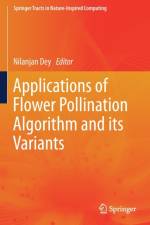
This book presents essential concepts of traditional Flower Pollination Algorithm (FPA) and its recent variants and also its application to find optimal solution for a variety of real-world engineering and medical problems. Swarm intelligence-based meta-heuristic algorithms are extensively implemented to solve a variety of real-world optimization problems due to its adaptability and robustness. FPA is one of the most successful swarm intelligence procedures developed in 2012 and extensively used in various optimization tasks for more than a decade. The mathematical model of FPA is quite straightforward and easy to understand and enhance, compared to other swarm approaches. Hence, FPA has attracted attention of researchers, who are working to find the optimal solutions in variety of domains, such as N-dimensional numerical optimization, constrained/unconstrained optimization, and linear/nonlinear optimization problems. Along with the traditional bat algorithm, the enhanced versions of FPA are also considered to solve a variety of optimization problems in science, engineering, and medical applications.
Arsenic (As) is a widely distributed element in the environment having no known useful physiological function in plants or animals. Historically, this metalloid has been known to be used widely as a poison. Effects of arsenic have come to light in the past few decades due to its increasing contamination in several parts of world, with the worst situation being in Bangladesh and West Bengal in India. This edited volume brings together diverse group of environmental science, sustainability and health researchers to address the challenges posed by global mass poisoning caused by arsenic water contamination. The book covers sources of arsenic contamination, and its impact on human health and on prospective remediation both by bioremediation and phytoremediation. Applications of advance techniques such as genetic engineering and nanotechnology are also discussed to resolve the issue of arsenic contamination in ground water and river basins. The book sheds light on this global environmental issue, and proposes solutions to remove contamination through a multi-disciplinary lens and case studies from Bangladesh and India. The book may serve as a reference to environment and sustainability researchers, students and policy makers. It delivers an outline to graduate, undergraduate students and researchers, as well as academicians who are working on arsenic toxicity with respect to remediation and health issues.
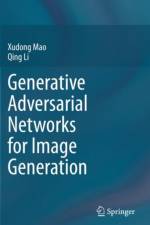
Generative adversarial networks (GANs) were introduced by Ian Goodfellow and his co-authors including Yoshua Bengio in 2014, and were to referred by Yann Lecun (Facebook's AI research director) as "e;the most interesting idea in the last 10 years in ML."e; GANs' potential is huge, because they can learn to mimic any distribution of data, which means they can be taught to create worlds similar to our own in any domain: images, music, speech, prose. They are robot artists in a sense, and their output is remarkable - poignant even. In 2018, Christie's sold a portrait that had been generated by a GAN for $432,000.Although image generation has been challenging, GAN image generation has proved to be very successful and impressive. However, there are two remaining challenges for GAN image generation: the quality of the generated image and the training stability. This book first provides an overview of GANs, and then discusses the task of image generation and the details of GAN image generation. It also investigates a number of approaches to address the two remaining challenges for GAN image generation. Additionally, it explores three promising applications of GANs, including image-to-image translation, unsupervised domain adaptation and GANs for security. This book appeals to students and researchers who are interested in GANs, image generation and general machine learning and computer vision.
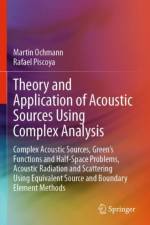
This book highlights the mathematical and physical properties of acoustical sources with singularities located in the complex plane and presents the application of such special elements to solve acoustical radiation and scattering problems. Sources whose origin lies in the complex plane are also solutions of the wave equation but possess different radiating properties as their counterparts with real positions. Such mathematical constructions are known in the fields of optics and electrodynamics, but they are not common in acoustical research. The objective of the book is to introduce this concept to acousticians and motivate them to engage themselves in further research and application of complex sources. Such sources are particularly useful to formulate Green's functions and related equivalent source and boundary element methods in half-spaces.
This book focuses on the latest research and new techniques in the field of functional carbohydrate-related enzymes. Carbohydrates are a key form of energy for most organisms. The "e;good"e; carbohydrates generally refer to functional carbohydrates. In addition to the low or moderate energy-supplying function, they have more nutritious value than traditional carbohydrates and some of them also have health-promoting effects especially prebiotic actions. Several enzymatic methods for the synthesis of such carbohydrates have been discovered and developed in the recent decades, providing a new range of application areas for these novel enzymes.This book addresses the classification of functional carbohydrate-related enzymes and the overall development in food enzyme in Chapter 1. Chapters 2-5 describe the isomerases or epimerases involved in the production of rare sugars, such as D-allulose, D-mannose, D-tagatose, and D-allose. While the studies of the enzymes related to fructo-oligosaccharides (FOS) and galacto-oligosaccharides (GOS) dominate the scientific literature in the field of enzymatic production of health-functional oligosaccharides, some enzymes also show promise for the emerging oligosaccharide production, which are introduced in Chapters 6-8. Chapters 9-12 summarize the new enzymatic technologies and applications in fructan- and glycan-related industries. The last Chapter gives an overall prospective on the trends of enzymatic functional carbohydrate production. This book is a valuable resource for researchers and graduate students in the fields of biotechnology, enzyme engineering, and carbohydrate production, as well as the health industry.
This book summarizes the important developments in the field of cancer research, specifically uterine cervical/endometrial cancer and ovarian cancer. It highlights the recent advances in gynecologic cancer, such as next generation models of genetically engineered animal models or cancer cell lines, focusing on their significance for advancing our understanding of gynecologic cancer biology, prevention and treatment, and drug response and resistance.Cancer research in the area of gynecologic tumors has undergone an enormous transformation over the past decade, with a greater understanding of tumor biology, elucidation of novel targets for therapeutic intervention, and better recognition of genetic predisposition syndromes. At the same time, the recent advances in basic cancer research have provided key insights into all aspects of gynecologic cancer biology, including developmental pathways and the impact of lineage plasticity, understanding metastatic progression, uncovering the roles of the tumor microenvironment , exploring tumor evolution, and discovering new therapeutic approaches and mechanisms of drug sensitivity and adaptive response. Molecular Diagnosis and Targeting for Gynecologic Malignancy appeals to investigators, clinicians, residents and postdocs who are curious about new research on gynecologic malignancies. It not only presents basic and translational research, but also explores the generalizability of the evidence covering the interface between basic and clinical science. Furthermore, a number of the topics offer the basis for new ideas that have the potential to advance into the gynecologic malignancies. This book provides readers with state-of-the-art information that will help improve the lives of patients with these challenging diseases.
From theory to application, this book presents research on biologically and brain-inspired networking and machine learning based on Yuragi, which is the Japanese term describing the noise or fluctuations that are inherently used to control the dynamics of a system. The Yuragi mechanism can be found in various biological contexts, such as in gene expression dynamics, molecular motors in muscles, or the visual recognition process in the brain. Unlike conventional network protocols that are usually designed to operate under controlled conditions with a predefined set of rules, the probabilistic behavior of Yuragi-based control permits the system to adapt to unknown situations in a distributed and self-organized manner leading to a higher scalability and robustness.The book consists of two parts. Part 1 provides in four chapters an introduction to the biological background of the Yuragi concept as well as how these are applied to networking problems. Part 2 provides additional contributions that extend the original Yuragi concept to a Bayesian attractor model from human perceptual decision making. In the six chapters of the second part, applications to various fields in information network control and artificial intelligence are presented, ranging from virtual network reconfigurations, a software-defined Internet of Things, and low-power wide-area networks.This book will benefit those working in the fields of information networks, distributed systems, and machine learning who seek new design mechanisms for controlling large-scale dynamically changing systems.
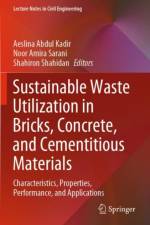
This book highlights the current research, conceptual and practical utilization of waste in building materials. It examines the production of industrial and agricultural wastes that have been generated worldwide and have significant environmental impact. The book discusses how to incorporate these wastes effectively with greener technology and how to address its environmental impact in order to produce environmentally friendly and sustainable green products. This book also will capitalize on its practical application, properties, performance and economic advantages. The topics covered include the physical, mechanical and environmental properties, leaching behaviour, gas emissions and performance of sustainable construction materials. This book offers a valuable reference for researchers, industries and interested stakeholders in sustainable construction or any allied fields.
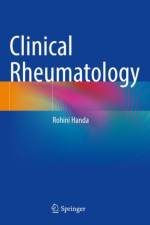
Clinical Rheumatology is a book written by a clinician for clinicians. It covers all the essential clinical aspects of Rheumatology in an engaging, clear, and concise manner, thereby fulfilling an unmet need. The focus of this book is to cover clinically pertinent and practically relevant issues while pruning unnecessary detail. Patient photographs, tables, and boxes enhance readability. The bedside clinical and investigative approach is discussed in a lucid fashion illustrated by clinical photographs, flowcharts, and algorithms. The evidence-based treatment is spelt out in an easy to comprehend fashion. Key messages have been listed at the beginning of each chapter. The book is intended for undergraduate and postgraduate medical students, residents, fellows, and clinicians who want to gain practical knowledge and clinical insight into rheumatic diseases. The book is likely to appeal to internists, rheumatologists, physiatrists, physiotherapists, occupational therapists, as well as orthopaedic surgeons. They will find their day to day questions answered in a knowledge format that can be applied straight away. Senior clinicians will find it a ready reckoner and a handy manual to refresh and update their knowledge. Basic scientists will find it useful to gain clinical insight into the rheumatic diseases they research without being intimidated by the size of the text. Teachers will find it full of helpful teaching messages. Clinical Rheumatology is a must-have book for all those who deal with rheumatic musculoskeletal diseases.
This book describes the feasibility and status of the use of alternative fuels in marine engineering, as well as the application of liquefied natural gas, biodiesel and their blends as marine fuels, and the combustion of synthetic coal-based fuels.Each chapter in the book ends with a summary, which gives the reader a quick and clear understanding of the main contents of the chapter. The book gives a lot of advice on the selection of equipment and parameters, fuel reserves and preparation for scholars related to alternative fuels in ships, and points them in the way. It contains lots of illustrations and tables and explains it in the form of chart comparison. The authors have developed mathematical models and methods for calculating the parameters of fuel systems for biodiesel fuels and liquefied natural gas. Recommendations for choosing the rational parameters of these systems are given, as are schematic solutions of the fuel systems, recommendations for selecting equipment, storing, and preparing the fuels. Application of the materials described in the book provides the SPP designers with a reliable tool for choosing rational characteristics of the fuel systems operating on alternative fuels and improving the efficiency of their application on ships.
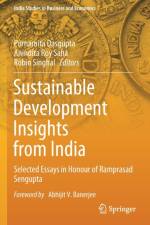
This volume is a collection of essays that provide a comprehensive coverage of multiple aspects of the discourse on environment, development and sustainability. It is designed to bring in a host of perspectives highlighting the synergies and the trade-offs in this debate, showcasing research along with policy implications of putting research into use.The global discussion on sustainability paints the broad canvas for this book. This volume aims to probe some contemporary issues that will help in understanding the sustainability narrative in India. The topics span over a host of questions on energy, environment, natural resources and related constituents of development. The discourse further extends to the role of economic modelling, public policy debates, political intervention, stakeholders' response, community participation and so on. The discussions are often based on empirical support, review of existing literature as well as policy analysis. With an ultimate aim to understand the overall development narrative of the people of India, the discourse takes in its ambit the nuances of resource utilisation, economic growth, COVID-19 impacts, competitiveness and market structures, urbanization, sectoral reforms, environmental hazards, climate change, pollution, natural resource accounting and management to name a few.The book is divided into four sections, namely, The Big Picture: Evolving Perspectives; The Energy Scenario: Dilemmas and Opportunities; Sustainability Cross-Cuts: Developmental Aspects and Externality Empirics: Knowledge and Practice. The first section contains commentaries on the overarching themes of economic growth, development and sustainability. It presents some emerging perspectives on the developmental crisis that has emerged through the environmental lens with additional focus on the need for inclusion of creativity, knowhow, technology and financial resources to achieve the ambitious SDG targets. The second section brings out the dilemmas and opportunities in the energy sector, that has been a key player in discussions of sustainability, especially for India where significant technological advances in conventional forms of energy supply coexists with fairly low levels of per capita energy consumption and energy security is a key challenge. The section on sustainability crosscuts attempts to highlight the problems and processes of mainstreaming the sustainability question into conventional thinking through the concepts of a circular economy, green accounting techniques, institutional and governance structures, public policy and inclusive growth, amongst others. The last section presents some empirical studies on environmental externalities, the unaccounted environmental effects of economic production and consumption and finally the behavioural aspects of the stakeholders that are crucial in the larger narrative of sustainable development.This edited volume contains contributions of reputed scholars from various Indian universities, research institutions and professionals from outside academia, who are proven experts in their fields. The link between policy, practice, and well-being of the large vulnerable population of India is the major focus of enquiry that will help researchers, practitioners and policy planners in conducting further research in energy, environment, resource and linked areas of development economics. General readers with an active interest in energy, environment, and economic development are also likely to find this book an interesting read, especially in the times of several environmental challenges facing humankind.
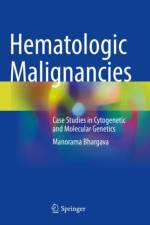
This book is a compendium of case studies in hematologic malignancies such as acute leukemias, myelodysplastic and myeloproliferative neoplasms, chronic leukemias and multiple myeloma covering cytogenetics (karyotyping Fluorescence in sitn hybridization (FISH)) and molecular studies in detail. The first few chapters describe the methodology employed for karyotyping, FISH and Real Time PCR technology conducive to establishment of these labs if required. Each case study is described in detail by including the clinical history of the patient, findings of peripheral blood, bone marrow aspirate and bone biopsy morphological details. This is then followed by flowcytometric immunophenotyping, cytogenetic and molecular observations leading collectively to a final diagnosis, A discussion follows based on the relevance of this data in informing the prognosis, treatment response and survival in these patients. Additionally, this data serves as a key determinant for clinical decision making involving evidence based rational management of patients including targeted therapy. For better understanding, each case study is accompanied by black and white or colour images as appropriate. This book is a source of learning and a valuable read for clinical hematologists, hematopathologists, medical oncologists, residents, interns, DM Hematology students and DNB Hematology students as well.
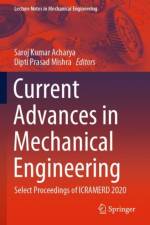
This book presents select proceedings of the International Conference on Recent Advances in Mechanical Engineering Research and Development (ICRAMERD 2020). The contents focus on latest research and current problems in various branches of mechanical engineering. Some of the topics discussed here include fracture and failure analysis, fuels and alternative fuels, combustion and IC engines, advanced manufacturing technologies, powder metallurgy and rapid prototyping, industrial engineering and automation, supply chain management, design of mechanical systems, vibrations and control engineering, automobile engineering, fluid mechanics and machines, heat transfer, composite materials, micro and nano-engineering for energy storage and conversion, and modeling and simulations. The wide range of topics presented in this book can make it useful for beginners, researchers as well as professionals in mechanical engineering.
This book illustrates the importance and significance of bioinformatics in the field of agriculture. It first introduces the basic concepts of bioinformatics, such as homologous sequence and gene function analyses, determination of protein structures, and discusses machine learning applications for an in-depth understanding of the desired genes and proteins based on commonly used bioinformatics software and tools, e.g. BLAST, molecular modelling, molecular-docking and simulations, protein-protein and domain-domain interactions. The book also describes recent advances in the high-throughput analysis of whole genome and transcriptome using next-generation sequencing platforms, and functional proteome studies. It also examines the role of computational biology in understanding and improving the nutrient quality and yield of crops. Lastly, the book explores a comprehensive list of applications of bioinformatics to improve plant yield, biomass, and health, and the challenges involved.
This book is aimed to cover the role of genetic polymorphisms in human genes related to RBC disorders, metabolic enzymes, immune response, and cytoadherence in the susceptibility/resistance to malaria caused by Plasmodium falciparum. The chapters provide current information on the balancing trait and the significance of such traits in the malaria resistance. The book covers polymorphisms in the genes of the red blood cells-sickle cell anaemia; glucose-6-phosphate dehydrogenase deficiency and thalassemia that confer protection against malaria. In addition, the book explores selection of genetic variations in the human genome as genetic control mechanism against malaria in endemic regions. It also provides a comprehensive overview of the molecular epidemiology and natural selection of alleles in the genes which are associated with malaria, and presents description of the role of human genetic polymorphisms in malaria disease risk and disease outcome.
This book focuses on women in tourism in Muslim countries, specifically where a woman can be seen as a tourism consumer, or a woman producing tourism. This book discusses the role of women in the Muslim world and founds that socio-culturally Islam has a greater impact on women than men. The process of identity construction and the religious values of women have also been extensively researched. But little is known about the role of Muslim women in the tourism industry and this book addresses these themes in the Asian context. This book explores these ideas as defined key categories; Muslim women from Asia travelling to a non-Muslim country, non-Muslim women travelling to Asian Muslim countries, and Women working in the tourism field in Muslim countries.This book highlights Asian countries as holding a complex mixture of cultures and identities. As Muslim communities are central in many Asian countries the tourism experience is different mainly because of cultural norms and religion. Ultimately, this book examines whether and how these complexities enrich both women and tourism industry within Asian context.
Abonner på vårt nyhetsbrev og få rabatter og inspirasjon til din neste leseopplevelse.
Ved å abonnere godtar du vår personvernerklæring.