










Gjør som tusenvis av andre bokelskere
Abonner på vårt nyhetsbrev og få rabatter og inspirasjon til din neste leseopplevelse.
Ved å abonnere godtar du vår personvernerklæring.Du kan når som helst melde deg av våre nyhetsbrev.

This book extends the work from introduction of ubiquitous computing, to the Internet of things to security and to privacy aspects of ubiquitous computing. The uniqueness of this book is the combination of important fields like the Internet of things and ubiquitous computing. It assumes that the readers' goal is to achieve a complete understanding of IoT, smart computing, security issues, challenges and possible solutions. It is not oriented towards any specific use cases and security issues; privacy threats in ubiquitous computing problems are discussed across various domains. This book is motivating to address privacy threats in new inventions for a wide range of stakeholders like layman to educated users, villages to metros and national to global levels. This book contains numerous examples, case studies, technical descriptions, scenarios, procedures, algorithms and protocols. The main endeavour of this book is threat analysis and activity modelling of attacks in order to give an actual view of the ubiquitous computing applications. The unique approach will help readers for a better understanding.
The book covers the entire aspect of intrauterine adhesions and Asherman's syndrome highlighting important points. It discusses etiopathogenesis to diagnosis and the current guidelines with effective treatment policies. It covers new treatment techniques, use of stem cell therapy and various scenarios with the best management of them. The book also covers pregnancy and associated complications. It takes into account the vast clinical experience of the authors all over the world clubbed with the academic evidence available to date.The book is relevant for endoscopic surgeons, hysteroscopists, infertility specialists and obstetricians at large, and anyone who wishes to know more about this subject.
This book is a practical resource for clinicians who manage patients with chronic cough, which represents a major challenge in the clinic due to multiple diagnostic and therapeutic considerations. Essential assessments for cough and treatable traits are described, covering the upper and lower airways and the gastrointestinal tract, and appropriate treatments are identified according to the different findings and diagnoses. Based on recent mechanistic and clinical advances, the authors also discuss novel diagnostic and therapeutic options, including pharmacological and non-pharmacological approaches to control cough. Particular considerations of importance when dealing with chronic cough in children and the elderly are addressed separately. The book will be an invaluable guide and reference for all practitioners who require up-to-date information on how best to assess, diagnose, and treat patients with chronic cough.
This book highlights cutting-edge research in multidisciplinary areas of Engineering, Physics, Medicine and Healthcare presented at the 4th IRC Conference on Science, Engineering and Technology (IRC-SET 2018), which was held at the Agency for Science Technology and Research (A*STAR), Singapore. The book also contains excerpts of the speeches made by eminent personalities who attended the occasion, thereby providing a written documentation of the event.
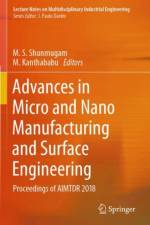
This volume presents research papers on micro and nano manufacturing and surface engineering which were presented during the 7th International and 28th All India Manufacturing Technology, Design and Research conference 2018 (AIMTDR 2018). The papers discuss the latest advances in miniature manufacturing, the machining of miniature components and features as well as improvement of surface properties. This volume will be of interest to academicians, researchers, and practicing engineers alike.
This book reviews recent advances in the molecular and infection biology, pathology, and molecular epidemiology of Mycobacterium tuberculosis, as well as the identification and validation of novel molecular drug targets for the treatment of this mycobacterial disease.Despite being completely curable, tuberculosis is still one of the leading global causes of death. M. tuberculosis, the causative organism - one of the smartest pathogens known - adopts highly intelligent strategies for survival and pathogenesis. Presenting a wealth of information on the molecular infection biology of M. tuberculosis, as well as nontuberculous mycobacteria (NTM), the book provides an overview of the functional role of the PE/PPE group of proteins, which is exclusive to the genus Mycobacteria, of host-pathogen interactions, and virulence. It also explores the pathogenesis of the infection, pathology, epidemiology, and diagnosis of NTM. Finally it discusses current and novel approaches in vaccine development against tuberculosis, including the role of nanotechnology. With state-of-the-art contributions from experts in the respective domains, this book is an informative resource for practitioners as well as medical postgraduate students and researchers.
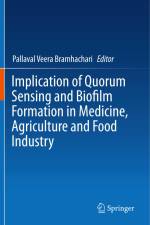
The book illustrates the role of quorum sensing in the food industry, agriculture, veterinary sciences, and medicine. It highlights the importance of quorum sensing in regulating diverse cellular functions in microbes, including virulence, pathogenesis, controlled-gene expression systems, and antibiotic resistance.This book also describes the role of quorum sensing in survival behavior and antibiotic resistance in bacteria. Further, it reviews the major role played by quorum sensing in food spoilage, biofilm formation, and food-related pathogenesis. It also explores the methods for the detection and quantification of quorum sensing signals. It also presents antimicrobial and anti-quorum sensing activities of medicinal plants. Finally, the book elucidates a comprehensive yet representative description of basic and applied aspects of quorum sensing inhibitors.This book serves an ideal guide for researchers to understand the implications of quorum sensing in the food industry, medicine, and agriculture.
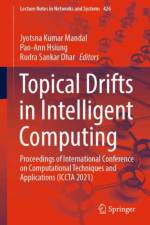
This book gathers a collection of high-quality peer-reviewed research papers presented at International Conference on Computational Techniques and Applications (ICCTA 2021), organized by the Electronics and Telecommunication Engineers (IETE), Kolkata Center, India, during 8 - 9 October 2021. This includes research in the areas of intelligent computing and communication systems including computing, electronics, green energy design, communications, computers to interact and disseminate information on latest developments both academically and industrially for computational drifts. The three main tracks are (i) computing in network security, AI and data science; (ii) contemporary issues in electronics, and communication technology; and (iii) intelligent computing in electrical power, control systems and energy technology.
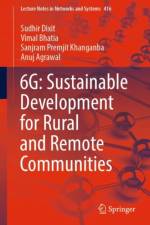
The book covers a variety of feasible technology options, both wired and wireless, to enable 6G connectivity in rural and remote regions. Along with the enabling technology options, the book also covers important aspects such as human-computer interaction, business models for the local operator ecosystem, regulatory and right-of-way policies, security and privacy, and future challenges related to technology migration, urbanization, and scalability. A special feature of this book is that it covers both the optical and wireless technology aspects to realize 6G connectivity, which will be of interest to a broad range of researchers and practitioners. Detailed figures have been included in the book to cover both the fiber-optics and wireless aspects. These figures include telecommunication equipment and networks ranging from a locality to the under-sea cables to high latitude platforms. The book has simple explanations, pictorial representations, minimal math, and conversational language, which will enable all the readers to grasp it, thereby helping them in decision making and performing comprehensive analysis. This book includes the needs of the unconnected and under-connected sections of the society, notably from the rural and remote areas, when the 6G standards are being discussed and developed. This feature will help overcome the challenge of widening the digital divide from every new generation of mobile network standards. Hence, the book covers all technical and non-technical aspects to be of interest to researchers, decision-makers, academia, social workers, and the readers in technology, growth, and empowerment.
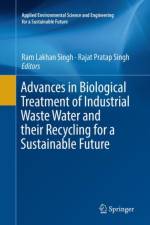
With rampant industrialization, the management of waste generated by various industries is becoming a mammoth problem. Wastewater discharges from industrial and commercial sources may contain pollutants at levels that could affect the quality of receiving waters or interfere with potable water supplies. Thousands of small and large-scale industrial units dump their waste, which is often toxic and hazardous, in open spaces and nearby water sources. Over the last three decades, many cases of serious and permanent damage to the environment and human health on the part of these industries have come to the fore. This book mainly focuses on the biological treatment of wastewater from various industries, and provides detailed information on the sources and characteristics of this wastewater, followed by descriptions of the biological methods used to treat them. Individual chapters address the treatment of wastewater from pulp and paper mills; tanneries; distilleries, sugar mills; the dairy industry; wine industry; textile industry; pharmaceutical industry; food processing industry; oil refinery/petroleum industry; fertilizer industry and beverage/ soft drink bottling industry; and include the characteristics of wastewater, evaluation of biological treatment methods, and recycling of wastewater. Easy to follow, with simple explanations and a good framework for understanding the complex nature of biological wastewater treatment processes, the book will be instrumental to quickly understanding various aspects of the biological treatment of industrial wastewater. It will serve as a valuable reference book for scientists, researchers, educators, and engineers alike.
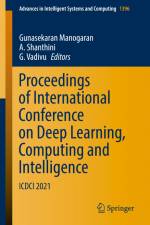
This book gathers selected papers presented at the International Conference on Deep Learning, Computing and Intelligence (ICDCI 2021), organized by Department of Information Technology, SRM Institute of Science and Technology, Chennai, India, during January 7-8, 2021. The conference is sponsored by Scheme for Promotion of Academic and Research Collaboration (SPARC) in association with University of California, UC Davis and SRM Institute of Science and Technology. The book presents original research in the field of deep learning algorithms and medical imaging systems, focusing to address issues and developments in recent approaches, algorithms, mechanisms, and developments in medical imaging.
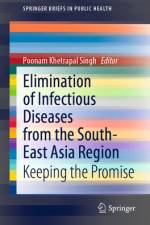
This book discusses the historical context, country experience, and best practices that led to eliminating infectious diseases from the WHO's South-East Asia Region, such as malaria, lymphatic filariasis, yaws, trachoma, and mother-to-child HIV in the mid-twentieth and twenty-first century. The UN Sustainable Development Goals (3.3) targets to end AIDS, tuberculosis, malaria, and neglected tropical diseases and combat hepatitis, water-borne diseases and other communicable diseases by 2030. In this context, this book is of high significance to countries from the SEA region and around the globe. It helps create national strategies and action plans on infectious disease elimination and thus attaining SDG 3.3.
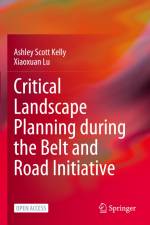
This open access book traces the development of landscapes along the 414-kilometer China-Laos Railway, one of the first infrastructure projects implemented under China's Belt and Road Initiative (BRI) and which is due for completion at the end of 2021. Written from the perspective of landscape architecture and intended for planners and related professionals engaged in the development and conservation of these landscapes, this book provides history, planning pedagogy and interdisciplinary framing for working alongside the often-opaque planning, design and implementation processes of large-scale infrastructure. It complicates simplistic notions of development and urbanization frequently reproduced in the Laos-China frontier region. Many of the projects and sites investigated in this book are recent "e;firsts"e; in Laos: Laos's first wildlife sanctuary for trafficked endangered species, its first botanical garden and its first planting plan for a community forest. Most often the agents and accomplices of neoliberal development, the planning and design professions, including landscape architecture, have little dialogue with either the mainstream natural sciences or critical social sciences that form the discourse of projects in Laos and comparable contexts. Covering diverse conceptions and issues of development, including cultural and scientific knowledge exchanges between Laos and China, nature tourism, connectivity and new town planning, this book also features nine planning proposals for Laos generated through this research initiative since the railway's groundbreaking in 2016. Each proposal promotes a wider "e;landscape approach"e; to development and deploys landscape architecture's spatial and ecological acumen to synthesize critical development studies with the planner's capacity, if not naive predilection, to intervene on the ground. Ultimately, this book advocates the cautious engagement of the professionally oriented built-environment disciplines, such as regional planning, civil engineering and landscape architecture, with the landscapes of development institutions and environmental NGOs.
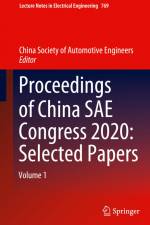
These proceedings gather outstanding papers presented at the China SAE Congress 2020, held on Oct. 27-29, Shanghai, China. Featuring contributions mainly from China, the biggest carmaker as well as most dynamic car market in the world, the book covers a wide range of automotive-related topics and the latest technical advances in the industry. Many of the approaches in the book will help technicians to solve practical problems that affect their daily work. In addition, the book offers valuable technical support to engineers, researchers and postgraduate students in the field of automotive engineering.
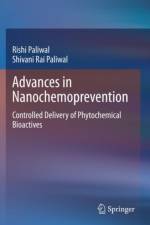
This book discusses the recent progress and advances in nanochemoprevention. Chemoprevention utilizes natural dietary compounds and has regained interest due to larger safety window and proven efficacy of such molecules in cancer treatments. Nanotechnology has revolutionized drug delivery through passive as well as active targeting. This book provides a comprehensive overview of phytochemical bioactives that are used in chemoprevention. It gives a comprehensive overview of the variety of natural molecules and types of nanoparticles as well as mechanistic aspects of their superior efficacy over plain drug molecules. The book concludes with summarizing the progress of pre-clinical results of developed formulations for cancer treatment using nano-chemoprevention.
This book covers the cross-sectional imaging of congenital heart diseases, and features a wealth of relevant CT and MRI images. Important details concerning anatomy, physiology, embryology and management options are discussed, and the key technical aspects of performing the imaging are explained step by step. Written by a team of respected authors, the book is richly illustrated and supplemented with access to a number of clinical videos. Intended to provide quick and reliable access to high-quality MRI and CT images of frequently encountered congenital and structural heart abnormalities, the book offers a go-to guide for imaging physicians, helping them overcome the steep learning curve for pediatric cardiac imaging.
This book, written by renowned experts from across the world, provides readers with a detailed and up-to-date understanding of posterior circulation stroke and its management. Anatomy, pathophysiology, clinical syndromes, and imaging findings are clearly and thoroughly described with the aid of illustrative cases and schematic drawings. The management-oriented chapters explain all forms of treatment, including the use of antiplatelet agents and anticoagulants, thrombolysis, mechanical thrombectomy, stenting, and surgical therapy, i.e., bypass and decompression. Throughout, full account is taken of recent significant advances in knowledge and clinical practice. Stroke affecting the posterior circulation continues to pose particular challenges for clinicians. This book will help readers to avoid misdiagnosis, which still occurs far too frequently, and to manage individual patients optimally. It will be an excellent learning resource for residents in neurology, neurosurgery, radiology, interventional radiology, and vascular surgery, as well as an ideal reference for more experienced practitioners in these specialties.
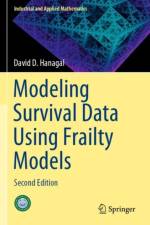
This book presents the basic concepts of survival analysis and frailty models, covering both fundamental and advanced topics. It focuses on applications of statistical tools in biology and medicine, highlighting the latest frailty-model methodologies and applications in these areas. After explaining the basic concepts of survival analysis, the book goes on to discuss shared, bivariate, and correlated frailty models and their applications. It also features nine datasets that have been analyzed using the R statistical package. Covering recent topics, not addressed elsewhere in the literature, this book is of immense use to scientists, researchers, students and teachers.
This book provides a detailed and up-to-dated information on the genomes belonging to three major life forms on Earth - archaea, prokaryotes and eukaryotes. Each section describes about the genome of a specific group of organisms, such as viruses, archaea, bacteria, eukaryotes and organellar genomes. Individual chapters provide details of their organization, structure, evolution, sequencing strategies and functions. Further, this book discusses the technologies that are applied for genome sequencing; assembly, annotation and gene prediction. Other topics include the genomes of important model organisms, mitochondria genome of Neanderthal fossil, etc. This book also examines the evolution of chloroplast and mitochondria genomes by comparing with bacteria, addresses the diseases that occur in humans due to the mutations in mitochondrial genome, gene therapy and engineering of chloroplast and mitochondrial genomes. Lastly, it features an overview of the role of proteomics, exposomics, connectomics, metabolomics, and microbiomics.This book is a fascinating read for students, lecturers and researchers in the field of genetics, genomics, microbiology and life sciences.
This book presents models describing HIV transmission rates at population level, discussing the main statistical methods and analytical interventions. It also assesses the practical applicability of the various modelling techniques, offering readers insights into what methods are available and, more importantly, when they should be used to address HIV transmission at global level. The book includes realistic simulation models fitted to clarify the rate of HIV mother-to-child transmission (HIV MTCT), and substantiates the conclusions that can be drawn as well as the appropriate time for making global-level clinical decisions concerning people living with HIV/AIDS (PLHIVs). Intended for students, academics and researchers, the book offers more than just an introduction to the topic - it also features in-depth, yet easy-to-understand, descriptions of a new mathematical/statistical HIV mother-to-child transmission model, making it a useful resource for clinicians, public health workers and policymakers involved in implementing HIV-prevention programmes at national /global level.
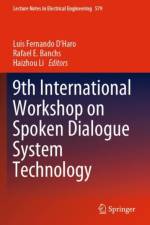
This book presents the outcomes of the 9th International Workshop on Spoken Dialogue Systems (IWSDS), "e;Towards creating more human-like conversational agent technologies"e;. It compiles and provides a synopsis of current global research to push forward the state of the art in dialogue technologies, including advances in the context of the classical problems of language understanding, dialogue management and language generation, as well as cognitive topics related to the human nature of conversational phenomena, such as humor, empathy and social context understanding and awareness.
This book bridges the gap between fundamental and translational research in the area of heart disease. It describes a multidisciplinary approach, and demonstrates biochemical mechanisms associated with dysregulation of redox signaling, which leads heart disease. Presenting recent studies on improved forms of ROS scavenging enzymes; specific inhibitors for different ROS generating enzymes; and oxidant induced signaling pathways and their antagonists that allow subtle modulation of redox signaling, it also discusses the spatial and temporal aspects of oxidative stress in the cardiovascular system, which are of vital importance in developing better strategies for treating heart disease. Each chapter offers researchers valuable insights into identifying targets for drug development for different types of heart disease.
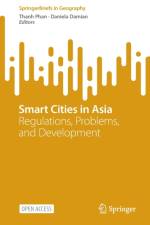
This open access book examines different aspects of smart cities, including technology, urban development, sustainable development, finance, and privacy and data protection. It also covers a wide range of jurisdictions in Asia-Pacific: Hong Kong, Indonesia, Malaysia, Singapore, Thailand, and Vietnam. The book consists of two main parts. The first part includes general chapters that conceptualize smart cities and provide an overview of these cities¿ problems such as privacy and data protection concern. The general chapters also discuss the role of public and private sectors in developing and governing smart cities. The second part encompasses country-specific chapters that examine the concepts addressed in the general chapters in practice by analyzing several specific smart city projects.This book provides researchers and practitioners with some knowledge of a smart city and its implication in the Asia context. The book is designed with some general chapters updating the literature on smart cities for readers who are interested in an overview of this concept. Audiences who are curious about how smart cities are perceived and implemented in some Asian jurisdictions are benefited from country-specific chapters. The book is also helpful to general audiences whose interests lay at the intersection of law, governance, and technology.
Abonner på vårt nyhetsbrev og få rabatter og inspirasjon til din neste leseopplevelse.
Ved å abonnere godtar du vår personvernerklæring.