














Gjør som tusenvis av andre bokelskere
Abonner på vårt nyhetsbrev og få rabatter og inspirasjon til din neste leseopplevelse.
Ved å abonnere godtar du vår personvernerklæring.Du kan når som helst melde deg av våre nyhetsbrev.

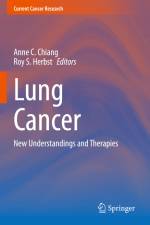
Lung cancer has seen a paradigm shift in disease treatment over the past few years, with major changes in the therapeutic drugs now available as well as in the overall management approach. For targeted and immunotherapeutic approaches, understanding the biology of acquired resistance is a key strategy that has yielded productive advances in the subsequent treatment. Future advances also include incorporating biomarker data obtained from solid and liquid biopsies, as well as combination of immunotherapy with radiotherapy and in special populations such patients with CNS involvement.
Bambara groundnut (Vigna subterranea) is a crop native to the Bambara tribe of Mali and is grown as a subsistence crop in Africa. Recent advances in research, however, have brought the crop to the forefront of the sustainable agriculture movement.The Bambara plant is highly drought tolerant and rich in protein and carbohydrates, including starch. These macromolecules have enormous industrial potentials. For example, the starch in Bambara grain has been found to exhibit higher (double) viscosity than conventional corn starch. Modified Bambara groundnut starch has been used to produce edible bioplastics that could be upgraded industrially to suit the fourth industrial revolution shift.Bambara plants are also a natural source of soluble fiber, which is gluten-, lactose- and cholesterol-free, with potential as a stabiliser, thickener and gelling agent as well as a cryoprotectant in frozen products. The health benefits include lowering of cholesterol levels, levelling of blood glucose and as a detoxing aid. Furthermore, several researchers have explored the grain either alone or as composite with cereal and tubers for the development of value-added products.Food and Potential Industrial Applications of Bambara Groundnut presents in a clear, coherent way the research findings on Bambara grain and its status as a promising food and industrial crop.
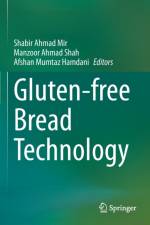
Market trend and the increasing diagnoses of celiac disease have encouraged extensive research into the development of gluten-free breads. Generally, the development of bread without gluten involves the use of diverse ingredients and additives aimed at imitating the viscoelastic properties of gluten and consequently obtaining quality bread products. However, developing gluten-free bread remains a technological challenge due to the key role of gluten in the breadmaking process.Gluten-Free Bread Technology provides an overview of all fundamental issues and key factors associated with gluten-free bread technology, with the emphasis on the most recent findings on the subject. The promising results of the reviewed studies indicate that the gluten-free breads developed possess similar or better sensory attributes than those of control formulations, and some are even comparable to their wheat gluten-based counterparts. Chapters of this book focus on the role of additives, dough handling, and the physical, structural, sensory and nutritional properties of the gluten-free bread. The science of gluten intolerance is explained as well. With all relevant literature gathered and summarized in one place, this text will be an essential resource for both food scientists and industry professionals pursuing gluten-free formulations.
This volume discusses diverse methodologies in economics education, focusing on experiential economic education away from campus through study abroad, study away, and other off-campus programs. These twenty-three chapters provide a 'how-to' guide for economic educators looking to expand their pedagogical repertoire, whether they want to take students to Ireland to study Adam Smith or South Africa to study poverty. Readers are provided with information about the economic content of the course as well as the nuts-and-bolts of on-the-ground experiences. Delivering a modern take on economic education, this volume is intended for economics educators wishing to engage students in new and creative ways.
Corporate success has been changed by the importance of new developments in Business Analytics (BA) and furthermore by the support of computational intelligence- based techniques. This book opens a new avenues in these subjects, identifies key developments and opportunities. The book will be of interest for students, researchers and professionals to identify innovative ways delivered by Business Analytics based on computational intelligence solutions. They help elicit information, handle knowledge and support decision-making for more informed and reliable decisions even under high uncertainty environments.Computational Intelligence for Business Analytics has collected the latest technological innovations in the field of BA to improve business models related to Group Decision-Making, Forecasting, Risk Management, Knowledge Discovery, Data Breach Detection, Social Well-Being, among other key topics related to this field.
Creative Writing Practice: reflections on form and process explores the craft of creative writing by illuminating the practices of writers and writer-educators. Demonstrating solutions to problems in different forms and genres, the contributors draw on their professional and personal experiences to examine specific and practical challenges that writers must confront and solve in order to write. This book discusses a range of approaches to writing, such as the early working out of projects, the idea of experimentation, of narrative time, and of failure. With its strong focus on process, Creative Writing Practice is a valuable guide for students, scholars and practitioners of creative writing.
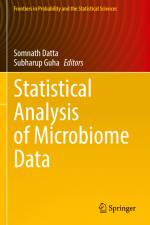
Microbiome research has focused on microorganisms that live within the human body and their effects on health. During the last few years, the quantification of microbiome composition in different environments has been facilitated by the advent of high throughput sequencing technologies. The statistical challenges include computational difficulties due to the high volume of data; normalization and quantification of metabolic abundances, relative taxa and bacterial genes; high-dimensionality; multivariate analysis; the inherently compositional nature of the data; and the proper utilization of complementary phylogenetic information. This has resulted in an explosion of statistical approaches aimed at tackling the unique opportunities and challenges presented by microbiome data.This book provides a comprehensive overview of the state of the art in statistical and informatics technologies for microbiome research. In addition to reviewing demonstrably successful cutting-edge methods, particular emphasis is placed on examples in R that rely on available statistical packages for microbiome data. With its wide-ranging approach, the book benefits not only trained statisticians in academia and industry involved in microbiome research, but also other scientists working in microbiomics and in related fields.
This book analyses several aspects on the efficient resource allocation in the aftermath of the global financial crisis and the European sovereign debt crisis. The main focus of the volume is on recent European Union (EU) experience highlighting the interrelation between inherent structural rigidities and practical limitations in the conduct of sound economic policy. Special reference is made to Greece (evidencing unprecedented experience), the EU periphery countries and the US. This book will be of interest to academic and central bank researchers, business practitioners (in consultancy and finance) and graduate students, as it is a good example of how scholarly dialogue can contribute to contemporary high-quality policy debate on sound liquidity provision and financial stability in the Eurozone, as well as the effective ways to combat recession in the EU periphery countries.
This volume offers both theoretical approaches and case studies on the relationship between religion and the secular world. Bringing together contributions from seasoned authors, religious leaders, and brilliant new scholars, it frames the long-standing debate on how to structure a comparative representation of any religion on the one side, and the secular world on the other. Often, the very act of comparing religions exposes them to an assessment of their role in history and politics, and risks leading to some sort of grading and ranking, which is highly unproductive. By candidly discussing the relation between religion and the secular and providing concrete examples from four case studies (Christianity, Islam, Judaism, Baha'I'), this book provides an important reference on how this can be achieved in a neutral way, while keeping in mind the normative finality of seeking conciliation to existing fractures, both within and among religions.
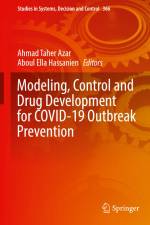
This book is well-structured book which consists of 31 full chapters. The book chapters' deal with the recent research problems in the areas of modeling, control and drug development, and it presents various techniques of COVID-19 outbreak prevention modeling. The book also concentrates on computational simulations that may help speed up the development of drugs to counter the novel coronavirus responsible for COVID-19.
This edited book explores the most promising and reliable technological developments expected to impact on the next generation of desalination systems. The book includes research studies which takes the reader on a fascinating walk through the multidisciplinary world of membrane science applied to water treatment. Concerning the ultimate technological advancement, the book seeks to investigate how to bridge the gap between the laboratory scale and the applicability to industry.
This edited book compiles all category viewpoints in waterborne polyurethanes (WPUs) dispersions, composites, characterizing techniques, and allied applications such as coatings, adhesives, sealants, anticorrosive, flame-retardant, and biomedical applications. The book brings together panels of highly accomplished experts in the field of advanced polymers for versatile applications. It encompasses basic studies and addresses topics of novel issues which cover all the aspects in one place. The book is an invaluable guide to newcomers, research scholars, professors, and R&D industrial experts working in the field of polyurethane chemistry. Polyurethanes are excellent materials in coating technology owing to their chemical resistance, toughness, abrasion resistance, and mechanical stability. However, polyurethane dispersion contains volatile organic compounds (VOCs) and hazardous air pollutants (HAPs) which are harmful to the environment. Hence, green chemistry research focuses on discovery of waterborne polyurethanes (WPUs) and pay attention. WPUs have fascinated growing interest in wide range of industrial and commercial applications.
Using site-specific optimization approaches in international manufacturing networks is increasingly proving insufficient. To solve this problem, several holistic and integrated alternatives have been developed to reflect a global perspective. This book presents advances in the St. Gallen Global Manufacturing Network Model and its application in numerous industry-, benchmarking- and research projects. The contents combine data-driven solutions with qualitative management frameworks for the strategic optimization of international manufacturing networks.In the first part, the book addresses the foundation of manufacturing network management and further describes the St. Gallen Operational Excellence approaches to manage plant performance. On this basis, the authors show how plant- and network-level performance can be enhanced via key improvement domains (e.g., strategy, configuration, coordination, performance management, digitalization). In turn, the second part demonstrates the application of the constructs in manufacturing companies from various industries. By combining research and practice, the book offers unique perspectives on the management of global production striving toward higher performance on manufacturing site and network level.
This book takes a postcritical perspective on Joseph Conrad's central texts, including Heart of Darkness, The Secret Agent, Under Western Eyes, and Lord Jim. Whereas critique is a form of reading that prioritizes suspicion, unmasking, and demystifying, postcritique ascribes positive value to the knowledge, affect, ethics, and politics that emerge from literature. The essays in this collection recognize the dark elements in Conrad's fiction-deceit, vanity, avarice, lust, cynicism, and cruelty-yet they perceive hopefulness as well. Conrad's skepticism unveils the dark heart of politics, and his critical heritage can feed our fear that humanity is incapable of improving. This Conrad is a well-known figure, but there is another, neglected Conrad that this book aims to bring to light, one who delves into the politics of hope as well as the politics of fear. Chapters 1 and 2 are available open access under a Creative Commons Attribution 4.0 International License via link.springer.com
This volume describes the identification of emerging organic pollutants, mainly from industrial sources, their associated toxicological threats, and the latest green methods and biotechnological solutions to abate harmful impacts on people and the environment. The chapters present reviews on current applied toxicology research, occupational health hazards and green remedial solutions for pollution control in terrestrial and aquatic environments, with the aim of raising public awareness of these issues and providing chemists, toxicologists and environmental scientists with the knowledge to combat organic pollutants through sustainable means. Readers will learn about the multi-dimensional applications of materials and processes which harvest energy out of environmental remediation technologies, as well as the roles of biotechnology and nanotechnology in addressing high pollutant load. Specific attention is paid to technologies that draw energy through wastewater remediation, as this covers the primary means by which organic pollutants are introduced into the environment from industry and other sources. The book will be of use to pollution control boards, industry regulators, and students and researchers in the fields of biotechnology, biomedical science, hydrology and water chemistry.
This book brings together the voices of leading experts in the frontiers of biostatistics, biomedicine, and the health sciences to discuss the statistical procedures, useful methods, and novel applications in biostatistics research. It also includes discussions of potential future directions of biomedicine and new statistical developments for health research, with the intent of stimulating research and fostering the interactions of scholars across health research related disciplines. Topics covered include: Health data analysis and applications to EHR data Clinical trials, FDR, and applications in health science Big network analytics and its applications in GWAS Survival analysis and functional data analysis Graphical modelling in genomic studiesThe book will be valuable to data scientists and statisticians who are working in biomedicine and health, other practitioners in the health sciences, and graduate students and researchers in biostatistics and health.
The sobering reality of the disconnect between the resolve of the world community to effectively address climate change, and what actually needs to be done, has led to increasing impetus for consideration of a suite of approaches collectively known as "e;climate geoengineering,"e; or "e;climate engineering."e; Indeed, the feckless response of the world community to climate change has transformed climate geoengineering from a fringe concept to a potentially mainstream policy option within the past decade. This volume will explore scientific, political and legal issues associated with the emerging field of climate geoengineering. The volume encompasses perspectives on both of the major categories of climate geoengineering approaches, carbon dioxide removal and solar radiation management.
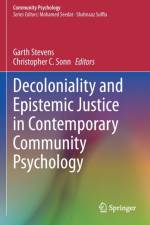
This book examines the ways in which decolonial theory has gained traction and influenced knowledge production, praxis and epistemic justice in various contemporary iterations of community psychology across the globe. With a notable Southern focus (although not exclusively so), the volume critically interrogates the biases in Western modernist thought in relation to community psychology, and to illuminate and consolidate current epistemic alternatives that contribute to the possibilities of emancipatory futures within community psychology. To this end, the volume includes contributions from community psychology theory and praxis across the globe that speak to standpoint approaches (e.g. critical race studies, queer theory, indigenous epistemologies) in which the experiences of the majority of the global population are more accurately reflected, address key social issues such as the on-going racialization of the globe, gender, class, poverty, xenophobia, sexuality, violence, diasporas, migrancy, environmental degradation, and transnationalism/globalisation, and embrace forms of knowledge production that involve the co-construction of new knowledges across the traditional binary of knowledge producers and consumers. This book is an engaging resource for scholars, researchers, practitioners, activists and advanced postgraduate students who are currently working within community psychology and cognate sub-disciplines within psychology more broadly. A secondary readership is those working in development studies, political science, community development and broader cognate disciplines within the social sciences, arts, and humanities.
This book discusses how nanostructured materials play a key role in helping address environmental challenges. Employing nanostructured materials in catalysis can increase the efficient decomposition of toxic pollutants in air, water, and soil. This multidisciplinary book discusses the most promising nanostructured materials made-up of metals, metal oxides, metal chalcogenides, multi-metal oxides, carbon nanostructures, and hybrid materials that can address environmental remediation. It provides a well-referenced introduction to newcomers from allied disciplines and will be valuable to researchers in academia, industry, and government working on solutions to environmental problems.
This volume originated in talks given in Cortona at the conference "e;Geometric aspects of harmonic analysis"e; held in honor of the 70th birthday of Fulvio Ricci. It presents timely syntheses of several major fields of mathematics as well as original research articles contributed by some of the finest mathematicians working in these areas. The subjects dealt with are topics of current interest in closely interrelated areas of Fourier analysis, singular integral operators, oscillatory integral operators, partial differential equations, multilinear harmonic analysis, and several complex variables.The work is addressed to researchers in the field.
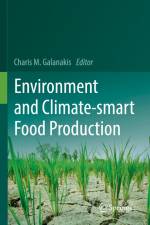
Agriculture and food systems, forestry, the marine and the bio-based sectors are at the very heart of the climate change crisis. Evidence on climate change reveals that it will affect farming first, through changes to rainfall regimes, rising temperatures, the variability and seasonality of the climate and the occurrence of more frequent extreme events (heatwaves, droughts, storms and floods). In addition to findings ways to mitigate greenhouse gas emissions, farmers will need to develop farming systems resilient to fluctuating environmental and socioeconomic conditions. It is thus a great challenge to support ambitious climate targets while satisfying the needs for food, feed, bio-based products and energy for a global population projected to reach 10 billion by 2030.Few books on the market integrate environment studies and climate-smart food production. This book fills the knowledge gap by covering all the relevant aspects in one reference: starting with microclimate management, climate change and food systems, and resilience of mixed farming and agroforestry systems, chapters address agricultural soil management, integrated water management in small agricultural catchments, citizen-driven food system approaches in cities, and ICT-enabled agri-food systems. By focusing on the most recent advances in the field while analyzing the potential of already applied practices, this book can serve as a handbook for regulators and researchers looking to understand all aspects of food production and distribution in this changing environment.
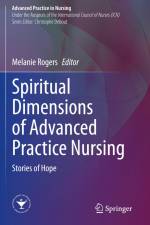
This book recognises the challenges associated with the concept of spirituality. An awareness of this concept is integral to the provision of person-centred holistic care. However, APNs ability to provide spiritual care is often impeded by time pressures and the prioritisation of clinical tasks. Confusion about the meaning of spiritually and its relationship to religion compound the challenges involved in providing spiritual care leaving APNs feeling ill-equipped to address this area of care. Indeed many APNs view spirituality as synonymous with religion. This book provides clarity with the assumption that spirituality is innate to all of our patients and is related to what gives them hope, meaning and purpose. Fundamentally it is about being human. APNs ability to practice with kindness, compassion and empathy will naturally resonate with spiritually competent practice.It begins with an outline of the definitions of spirituality in addition to the concept of spiritually competent practice. An emphasis on the importance of personal development follows. Case studies from countries across the globe illustrate the benefit of integrating spirituality and provide evidence of the importance and relevance of integrating spirituality into practice. These include discussion and presentations of the related concepts of availability and vulnerability which will give APNs more confidence and competence to integrate spirituality into practice. This book is relevant for APNs, students, educators and researchers.
The book Multimedia for Accessible Human Computer Interfaces is to be the first resource to provide in-depth coverage on topical areas of multimedia computing (images, video, audio, speech, haptics, VR/AR, etc.) for accessible and inclusive human computer interfaces. Topics are grouped into thematic areas spanning the human senses: Vision, Hearing, Touch, as well as Multimodal applications. Each chapter is written by different multimedia researchers to provide complementary and multidisciplinary perspectives. Unlike other related books, which focus on guidelines for designing accessible interfaces, or are dated in their coverage of cutting edge multimedia technologies, Multimedia for Accessible Human Computer Interfaces takes an application-oriented approach to present a tour of how the field of multimedia is advancing access to human computer interfaces for individuals with disabilities.Under Theme 1 "e;Vision-based Technologies for Accessible Human Computer Interfaces"e;, multimedia technologies to enhance access to interfaces through vision will be presented including: "e;A Framework for Gaze-contingent Interfaces"e;, "e;Sign Language Recognition"e;, "e;Fusion-based Image Enhancement and its Applications in Mobile Devices"e;, and "e;Open-domain Textual Question Answering Systems"e;. Under Theme 2 "e;Auditory Technologies for Accessible Human Computer Interfaces"e;, multimedia technologies to enhance access to interfaces through hearing will be presented including: "e;Speech Recognition for Individuals with Voice Disorders"e; and "e;Socially Assistive Robots for Storytelling and Other Activities to Support Aging in Place"e;. Under Theme 3 "e;Haptic Technologies for Accessible Human Computer Interfaces"e;, multimedia technologies to enhance access to interfaces through haptics will be presented including: "e;Accessible Smart Coaching Technologies Inspired by Elderly Requisites"e; and "e;Haptic Mediators for Remote Interpersonal Communication"e;. Under Theme 4 "e;Multimodal Technologies for Accessible Human Computer Interfaces"e;, multimedia technologies to enhance access to interfaces through multiple modalities will be presented including: "e;Human-Machine Interfaces for Socially Connected Devices: From Smart Households to Smart Cities"e; and "e;Enhancing Situational Awareness and Kinesthetic Assistance for Clinicians via Augmented-Reality and Haptic Shared-Control Technologies"e;.
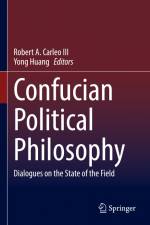
This book debates the values and ideals of Confucian politics-harmony, virtue, freedom, justice, order-and what these ideals mean for Confucian political philosophy today. The authors deliberate these eminent topics in five debates centering on recent innovative and influential publications in the field. Challenging and building on those works, the dialogues consider the roles of benevolence, family determination, public reason, distributive justice, and social stability in Confucian political philosophy. In response, the authors defend their views and evaluate their critics in turn. Taking up a broad range of crucial issues-autonomy, liberty, democracy, political legitimacy, human welfare-these author-meets-critic debates will appeal to scholars interested in political, comparative, and East Asian philosophy. Their interlaced themes weave a portrait of what is at stake in discussing Confucian values and theory. Most importantly, they engage and develop the state of the field of Confucian political philosophy today.
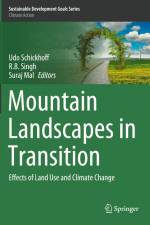
This book compiles available knowledge of the response of mountain ecosystems to recent climate and land use change and intends to bridge the gap between science, policy and the community concerned.The chapters present key concepts, major drivers and key processes of mountain response, providing transdisciplinary orientation to mountain studies incorporating experiences of academics, community leaders and policy-makers from developed and less developed countries. The book chapters are arranged in two sections. The first section concerns the response processes of mountain environments to climate change. This section addresses climate change itself (past, current and future changes of temperature and precipitation) and its impacts on the cryosphere, hydrosphere, biosphere, and human-environment systems. The second section focuses on the response processes of mountain environments to land use/land cover change. The case studies address effects of changing agriculture and pastoralism, forest/water resources management and urbanization processes, landscape management, and biodiversity conservation. The book is designed as an interdisciplinary publication which critically evaluates developments in mountains of the world with contributions from both social and natural sciences.
The book describes emerging strategies to circumvent transmission and thermalization losses in solar cells, and thereby redefine the limits of solar power conversion efficiency. These strategies include the use of organic molecules and rare-earth metal materials. Approaches to augment the efficiency of these processes via near-field enhancement are described as well. This book includes a discussion of state-of-the-art implementations of these emerging strategies in solar cells, both internally, as in molecular intermediate band and charge carrier multiplication, and externally, such as photon up- and down-conversion. Tools for characterization are also provided. Written by leading researchers in the field, this book can be useful to both beginners and experienced researchers in solar energy.
This volume is a collection of chapters about contemporary issues within African philosophy. They are issues African philosophy must grapple with to demonstrate its readiness to make a stand against some of the challenges society faces in the coming decade such as xenophobia, Afro-phobia, extreme poverty, democratic failure and migration. The text covers new methodical directions and there is focus on the conversationalist, complementarist and consolationist movements within the field as well as the place of the Indigenous Knowledge System.The collection speaks to African philosophy's place in intellectual history with coverage of African Ethics and African socio-political philosophy. Contributors come from a variety of different backgrounds, institutions and countries. Through their innovative ideas, they provide fresh insight and intellectual energy. The book appeals to philosophy students and researchers.
This book discusses the role of nuclear medicine in the diagnosis, staging, and treatment of patients with specific cancers. It presents the incidence, pathophysiologic and clinical aspects of the disease, the use of nuclear imaging in diagnosis, staging requirements, management of specific tumors, and surveillance after primary treatment of cancers. It addresses the various diagnostic/therapeutic options that are currently available or are most likely to become available in the near future according to a prioritized approach, thereby keeping to a minimum the number of diagnostic imaging procedures the patient is expected to undergo. Topics include basic science, clinical applications, radionuclide therapy, radioguided surgery, heart disease in the cancer patient, and adverse effects of cancer therapy. Each clinical chapter discusses the radionuclide procedures within an integrated framework, thereby identifying the information required for effective treatment of specific tumors. The book concludes with a series of cases that define and expand the didactic material in the clinical application chapters. Thoroughly updated and revised, the second edition incorporates advances in imaging and therapy and features the current staging guidelines of the American Joint Committee on Cancer. With contributions from a group of internationally distinguished practitioners, Nuclear Oncology: From Pathophysiology to Clinical Applications, Second Edition, is a valuable reference for nuclear medicine physicians, radiologists, medical and surgical oncologists, and other clinicians involved in the care and management of cancer patients.
The second edition of this important work covers additional topics of climate change mitigation and adaption strategies. It expands the scope of the first edition in the areas of mitigation and adds important new information on adaptation to climate change. Since the publication of the first edition, important new research findings have been gathered and natural events have continued to highlight the need for action.
The seventh edition of this classic reference book has been vastly updated from its previous edition to reflect the many changes in clinical medicine since 2003. Family Medicine: Principles and Practice, 7th Edition, is a must-have reference for medical students, residents and practicing physicians, nurse practitioners and physician assistants actively involved in patient care.New topics included in this edition include: recent changes in screening requirements and immunization schedules; new antibiotics used in primary care; inflammatory biomarkers in diagnosis and management of common diseases; personality disorders; the patient-centered medical home; electronic health records in office practice; chronic pain management; pediatric and adolescent obesity; pelvic pain syndromes; concussion in sports and other trauma; health literacy; venous thromboembolic disease; management of opiate dependence; vaginal birth after cesarean section; autism spectrum disorders and Asperger syndrome; older drivers, dementia and safety; infections with public health significance; and managing mentally ill patients in primary care.This book is organized into short, focused chapters almost exclusively dedicated to topics relevant to daily practice. All lead authors are themselves accomplished family physicians who can specifically address the needs, concerns, and interests of this crucial profession.
Abonner på vårt nyhetsbrev og få rabatter og inspirasjon til din neste leseopplevelse.
Ved å abonnere godtar du vår personvernerklæring.