














Gjør som tusenvis av andre bokelskere
Abonner på vårt nyhetsbrev og få rabatter og inspirasjon til din neste leseopplevelse.
Ved å abonnere godtar du vår personvernerklæring.Du kan når som helst melde deg av våre nyhetsbrev.

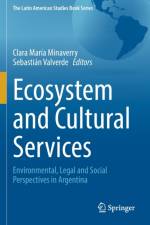
This book describes cases and experiences in connection with environmental and cultural ecosystem services in Argentina. It contributes to the debate in connection with different approaches to analyse ecosystem services, focusing on the environment, the Law and social perspectives and concerns. Among the topics discussed are the implementation of the National Forests Act, the regulation and recognition of ecosystem services, the role of indigenous people, the policies in place for nature and forest conservation in different regions of Argentina.This book is one of the few research studies about cultural ecosystem services developed in Latin America and presents an attractive combination of the legal, environmental and social approaches and was written by an interdisciplinary team of academics who have theoretical and practical experience in this region where there is a valuable natural and cultural heritage.
This book covers liquid chromatography, gas chromatography and capillary electrophoresis, the three main separation techniques lately available, applied to key omic sciences, such as genomics, proteomics, metabolomics and foodomics. The fundamentals of each technique are not covered herein. Instead, the recent advances in such techniques are presented focusing on the application to omics analyses and unique aspects in each case. This volume intends to offer wide ranging options available to researchers on omics sciences, and how to integrate them in order to achieve the comprehension of a biological system as a whole.Omic sciences have been of ultimate importance to comprehend the complex biochemical reactions and related events that occurs upon a biological system. The classical central dogma of molecular biology, which states that genetic information flows unidirectionally from DNA to RNA and then to proteins, has been gradually replaced by the systems biology approach. This book presents a multidisciplinary approach that explains the biological system as a whole, where the entire organism is influenced by a variety of internal events as well as by the environment, showing that each level of the biological information flux may influence the previous or the subsequent one.
This book discusses the prospects for the development of the African continent as part of the emerging system of international relations in the twenty-first century. African countries are playing an increasingly important part in the current system of international relations. Nevertheless, even 60 years after gaining their independence, most of them are confronted with regional and global issues that are directly related to their colonial past and its influence. Due to Africa's wealth of natural and geopolitical resources, the possibility of interference in the internal affairs of African countries on the part of new and traditional global actors remains very real.Leading Africanists, together with international scholars from both international relations and African studies, examine the experience of decolonization, the impact of the emergence of a unipolar world on the African continent, and the growing influence of new international actors on the African continent in the twenty-first century. In addition, the importance of African countries' foreign policy concepts and ideological attitudes in the post-bipolar period is revealed. "e;This volume strengthens the intellectual bridge between Russian, African and Western scholars of international relations. Strongly recommended!"e;Vladimir G. Shubin, Institute for African Studies, Russian Academy of Sciences "e;This book presents a wide range of prominent global scholars who bring a wealth of knowledge on the subject of Africa and the world."e; Gilbert Khadiagala, Jan Smuts Professor of International Relations and Director of the African Centre for the Study of the USA (ACSUS) at the University of the Witwatersrand, Johannesburg, South Africa. "e;As a genuine contribution to the field of international relations and Global South Agency, this book should be in every institution of higher education's library."e; Lembe Tiky, Director of Academic Development, International Studies Association.
This book presents a collection of novel contributions and reviews by renowned researchers in the foundations of quantum physics, quantum optics, and neutron physics. It is published in honor of Michael Horne, whose exceptionally clear and groundbreaking work in the foundations of quantum mechanics and interferometry, both of photons and of neutrons, has provided penetrating insight into the implications of modern physics for our understanding of the physical world. He is perhaps best known for the Clauser-Horne-Shimony-Holt (CHSH) inequality. This collection includes an oral history of Michael Horne's contributions to the foundations of physics and his connections to other eminent figures in the history of the subject, among them Clifford Shull and Abner Shimony.
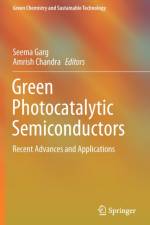
This book comprises a detailed overview on the role of photocatalysts for environmental remediation, hydrogen production and carbon dioxide reduction. Effective ways to enhance the photocatalytic activity of the material via doping, hybrid material, laser light and nanocomposites have been discussed in this book. The book also further elaborates the role of metal nanoparticles, rare earth doping, sensitizers, surface oxygen vacancy, interface engineering and band gap engineering for enhancing the photocatalytic activity. An approach to recover the photocatalytic material via immobilization is also presented. This book brings to light much of the recent research in the development of such semiconductor photocatalytic systems. The book will thus be of relevance to researchers in the field of: material science, environmental science & technology, photocatalytic applications, newer methods of energy generation & conversion and industrial applications.
Landraces possess a very large genetic base in population structure and are dynamic populations of cultivated plants with historical origin, distinct identity, and without any formal crop improvement. They are often genetically diverse, locally adapted, and associated with traditional farming systems. Resistance genes to biotic and abiotic stress factors, which are especially diversified in landraces, are of great interest to plant breeders, faced with global climate challenge. In addition, gene pools made of different landraces grown in different ecological conditions can be used for wheat breeding to enhance quality; yield and other desirable agricultural parameters. An estimated 75% of the genetic diversity of crop plants was lost in the last century due to the replacement of high yielding modern varieties. There is, thus, an urgent need to preserve existing species, not only for posterity but also as a means to secure food supply for a rising world population. In this book, we provide an overview of wheat landraces with special attention to genetic diversities, conservation, and utilization.
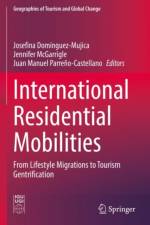
This book assesses the drivers and impacts of new international residential mobilities by considering a range of mobilities in different countries across the globe from investment, amenity and retirement mobilities to those of the new global middle class and the transnational elites. It examines the intersection of these mobilities with the increase in the volume of global tourism, the advent of the sharing economy and peer-to-peer platforms, and the effects of transnational property investment. The consequent transformations are considered in urban environments where tourism pressure coexists with gentrification, increasing house prices and processes of social and ethnic segregation. By offering a broad perspective based on different case studies, the book portrays the contradictory consequences of international residential mobilities both favouring local opportunities for development and disrupting housing markets through the disassociation from local demand. As a result this book is a great resource for academics and students in tourism, urban and migration studies as well as policy-makers and practitioners involved in urban planning, social affairs and tourism management.
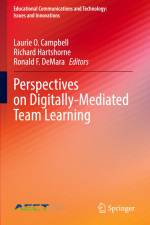
This book explores technology-supported andragogical and pedagogical approaches that facilitate teamwork, collaboration, communication, and problem-solving opportunities in diverse disciplines. Collaboration and communication skills are not typically developed in traditional STEM instructional practices.The purpose of the book includes expanding the learning science research base regarding how learning principles and strategies, including structured, collaborative, active, contextual, and engaging instructional settings, can support foundational STEM instruction and improve student interest and achievement. The chapters are classified into three categories: (a) empirical studies exploring the manner in which technology-enabled pedagogical principles and practices facilitate student interest in STEM courses, (b) exploration of logistical factors associated with revisioning STEM education and (c) theoretical underpinnings and literature review of digitally-mediated team learning.The book showcases full-length manuscripts advancing transformative approaches for technology-enhanced team learning within STEM disciplines. Contributions have been sought from interdisciplinary researchers, developers, and educators who engage in the research, development, and practice of adaptable digital environments for highly-effective, rewarding, and scalable team-based and collaborative learning. These include such topics as real-time tools for teams in classroom settings; learning analytics; effective technology-enabled pedagogies; and technology-enabled, collaborative, pedagogical approaches to broaden participation in STEM disciplines. Promising approaches and technologies to advance digitally-mediated team and collaborative learning are explored including learning analytics to form effective learning teams. Further, innovative cyber-assisted observation approaches for diagnostic/assessment observation and interaction with student teams, educational data mining of large volumes of collected data, and leveraging. The book will be of interest to Higher Education Faculty in STEM, Learning Scientist, and K-12 educators and learning coaches.
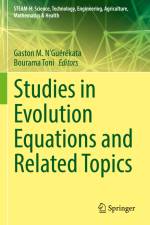
This volume features recent development and techniques in evolution equations by renown experts in the field. Each contribution emphasizes the relevance and depth of this important area of mathematics and its expanding reach into the physical, biological, social, and computational sciences as well as into engineering and technology.The reader will find an accessible summary of a wide range of active research topics, along with exciting new results. Topics include: Impulsive implicit Caputo fractional q-difference equations in finite and infinite dimensional Banach spaces; optimal control of averaged state of a population dynamic model; structural stability of nonlinear elliptic p(u)-Laplacian problem with Robin-type boundary condition; exponential dichotomy and partial neutral functional differential equations, stable and center-stable manifolds of admissible class; global attractor in Alpha-norm for some partial functional differential equations of neutral and retarded type; and more.Researchers in mathematical sciences, biosciences, computational sciences and related fields, will benefit from the rich and useful resources provided. Upper undergraduate and graduate students may be inspired to contribute to this active and stimulating field.
This handbook defines the contours of environmental sociology and invites readers to push boundaries in their exploration of this important subdiscipline. It offers a comprehensive overview of the evolution of environmental sociology and its role in this era of intensified national and global environmental crises. Its timely frameworks and high-impact chapters will assist in navigating this moment of great environmental inequality and uncertainty. The handbook brings together an outstanding group of scholars who have helped redefine the scope of environmental sociology and expand its reach and impact. Their contributions speak to key themes of the subdiscipline-inequality, justice, population, social movements, and health. Chapter topics include environmental demography, food systems, animals and the environment, climate change, disasters, and much more. The emphasis on public environmental sociology and the forward-thinking approach of this collection is what sets this volume apart. This handbook can serve as an introduction for students new to environmental sociology or as an insightful treatment that current experts can use to further their own research and publication. It will leave readers with a strong understanding of environmental sociology and the motivation to apply it to their work.
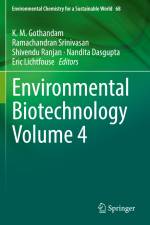
This book reviews the production of bioplastic from various raw materials and recycling wastewater into useful bioproducts by bacteria. In addition, it also addresses the recent advancement in pest control in rice plants, different methods to analyse genotoxicity on soil samples and the effect of phytocompounds on acrylamide-induced toxicity in Drosophilla. Interestingly, this book also discusses mesoporous silica nanoparticles' role as nanocarrier material for inhibiting the cancer cell, especially breast cancer and various biotechnological applications of marine fungal exopolysaccharides.
Given the current climate of political division and global conflict it is not surprising that there has been an increasing interest in how we ought to respond to perceived wrongdoing, both personal and political. In this volume, top scholars from around the world contribute all new original essays on the ethics of forgiveness, revenge, and punishment. This book draws on both historical and contemporary debates in order to answer important questions about the nature of forgiveness, the power of apology, the relationship between punishment and revenge, the path to reconciliation, the morality of blame, and the role of forgiveness in political conflict.Chapter 16 is available open access under a Creative Commons Attribution 4.0 International License via link.springer.com.
This volume presents the conference proceedings from FinDrones2020. The book highlights recent developments in drone technology by experts, academicians, and entrepreneurs for applications in agriculture, forestry, and other industries. Emphasis is placed on contextualizing the conference presentations and content to Finland and the unique challenges typical to this region. The work will be of interest to academicians and professionals involved in remote sensing applications of unmanned aerial vehicles, as well as enthusiasts of drone technological developments.
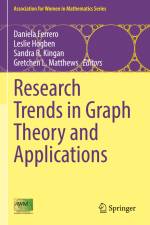
The Workshop for Women in Graph Theory and Applications was held at the Institute for Mathematics and Its Applications (University of Minnesota, Minneapolis) on August 19-23, 2019. During this five-day workshop, 42 participants performed collaborative research, in six teams, each focused on open problems in different areas of graph theory and its applications. The research work of each team was led by two experts in the corresponding area, who prior to the workshop, carefully selected relevant and meaningful open problems that would yield high-quality research and results of strong impact. As a result, all six teams have made significant contributions to several open problems in their respective areas. The workshop led to the creation of the Women in Graph Theory and Applications Research Collaboration Network, which provided the framework to continue collaborating and to produce this volume.This book contains six chapters, each of them on one of the different areas of research at the Workshop for Women in Graph Theory and Applications, and written by participants of each team.
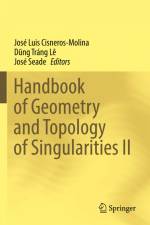
This is the second volume of the Handbook of the Geometry and Topology of Singularities, a series which aims to provide an accessible account of the state-of-the-art of the subject, its frontiers, and its interactions with other areas of research. This volume consists of ten chapters which provide an in-depth and reader-friendly survey of some of the foundational aspects of singularity theory and related topics.Singularities are ubiquitous in mathematics and science in general. Singularity theory interacts energetically with the rest of mathematics, acting as a crucible where different types of mathematical problems interact, surprising connections are born and simple questions lead to ideas which resonate in other parts of the subject, and in other subjects. Authored by world experts, the various contributions deal with both classical material and modern developments, covering a wide range of topics which are linked to each other in fundamental ways.The book is addressed to graduate students and newcomers to the theory, as well as to specialists who can use it as a guidebook.
This book provides a comprehensive reference guide to plant-derived antioxidants, their beneficial effects, mechanisms of action, and role in disease prevention and improving general health (anti-ageing effect). The content is divided into three main parts, the first of which covers various antioxidants (such as polyphenols, carotenoids, tocopherols, tocotrienols, glutathione, ascorbic acid), their origins, plant biochemistry and industrial utilization. In turn, the book's second, main part focuses on antioxidants' beneficial health effects, explains biochemical fundamentals such as the free radical theory and oxidative stress, and discusses antioxidants' role in e.g. cancer, cardiovascular diseases, inflammation, degenerative diseases and ageing. The third part reviews general laboratory methods for antioxidant screening, preservation and determination. Written by an international team of experts, this highly interdisciplinary book will benefit a broad range of health professionals and researchers working in biochemistry, biotechnology, nutrition, plant science and food chemistry. It offers an indispensable, up-to-date guide for anyone interested in antioxidants and the role of a plant-based diet in disease prevention and control
This book, following the three published volumes of the book, provides the main purpose to collect research papers and review papers to provide an overview of the main issues, results, and open questions in the cutting-edge research on the fields of modeling, optimization, and dynamics and their applications to biology, economy, energy, industry, physics, psychology and finance. Assuming the scientific relevance of the presenting innovative applications as well as merging issues in these areas, the purpose of this book is to collect papers of the world experts in mathematics, economics, and other applied sciences that is seminal to the future research developments. The majority of the papers presented in this book is authored by the participants in The Joint Meeting 6th International Conference on Dynamics, Games, and Science - DGSVI - JOLATE and in the 21st ICABR Conference. The scientific scope of the conferences is focused on the fields of modeling, optimization, and dynamics and their applications to biology, economy, energy, industry, physics, psychology, and finance. Assuming the scientific relevance of the presenting innovative applications as well as merging issues in these areas, the purpose of the conference is to bring together some of the world experts in mathematics, economics, and other applied sciences that reinforce ongoing projects and establish future works and collaborations.
This edited volume explores musical encounters and entanglements between Germany and East Asian nations from 1900 to the present. In so doing, it speaks to their dynamic and multi-faceted musical relations in multiple ways. Despite East Asia and Germany being located at opposite ends of the globe, German music has found remarkably fertile soil in East Asia. East Asians have enthusiastically adopted it, while at the same time adding their own musical interpretations. These musical encounters have produced compositions that reflect this mutual influence, stimulating and enriching each other through their entanglement. After more than a century of entanglement, Germany and East Asia have become kindred musical spirits.
This edited book delves into important current issues and trends in internal communication from a strategic communication perspective. It presents recent research findings, theories, best practices, and cases in internal communication on a global scale. The book discusses emerging and important long-standing issues in-depth, including topics such as employee advocacy, internal social media, internal issue management and crisis communication, employee activism, purposeful communication, leadership communication, internal CSR communication, cross-cultural/global internal communications, internal communication, and employee well-being. Within these topics, the chapters address the function of internal communications in contemporary times, the role of leaders, how to integrate emerging technologies, building an internal brand, and measuring the effectiveness of internal communication. This book will be a comprehensive source on internal communication, especially on its new theoretical development related to the emerging issues and trends, best practices, and future directions for research and practice.
This book provides a comprehensive state-of-the art overview on the main trends in the newest endoscopic, robotic, and minimal invasive surgical innovations. It also aims to give insight on some of the innovative ideas around Gastro-intestinal Surgery and Endoscopy to stimulate further activities. It contains established knowledge in the field of endoscopic and surgical techniques, and the integration of these new findings in updated therapeutic decision making are demonstrated. The text reviews the latest literature on the subjects and describes the decision making to establish new therapeutic options in the management of diseases applying new technologies. These new techniques are described in detail, which provide excellent back-up information for clinicians in daily practice.Written by experts in the field, Innovative Endoscopic and Surgical Technology in the GI Tract is a valuable resource of knowledge for clinicians, surgeons, nurses, technicians, students and researchers with an interest in GI- disease.
This book aims to emphasize on basic concepts of plant growth, acclimation, and their adaptation to environment in changing conditions. The book will provide an updated perspective on the physical/mechanical stress, including biotic and abiotic stress, and induced responses in higher plants. This volume will also include a view of the stress recognition by plants and the cell signaling events triggered as a consequence, and will also address an appraisal of the plant oxidative stress metabolism under those circumstances. The book will explore how soil minerals and microbes are affecting plant growth, including elicitors and novel compounds which stimulate plant growth and the defence mechanisms issued by plants. This volume will also cover an overview on the enzymes which may regulate plant growth, as well as the evidences of the involvement of phytohormones and other signalling molecules in plant growth.
This book is intended to serve as an authoritative reference source for a broad audience involved in the research, teaching, learning, and practice of nanotechnology in immunotherapy. The combination of nanotechnology and immunotherapy is recognized as a promising treatment modality. In particular, the use of nanoparticles in immunotherapy has attracted increased attention for their unique efficacy and specificity in cancer treatment. A wide variety of nanoparticles, such as polymeric and liposomal nanosystems, carbon nanotubes, and gold nanoparticles have provided important nanoplatforms for immunotherapeutic approaches. They have been shown to improve delivery and efficacy of immunotherapeutic agents such as vaccines or adjuvants.Nanoparticle-mediated thermal therapy has demonstrated the effectiveness for precise tumor cell ablation, radio-sensitization of hypoxic regions, enhancement of drug delivery, activation of thermosensitive agents, and enhancement of the immune system. Plasmonic nanoparticles are a special type of metallic nanoparticles that has received great interest due to their enhanced optical and electromagnetic properties and their superior capacity to convert photon energy into heat for selective photothermal therapy at the nanoscale level. Nanoparticle sizes can also be controlled such that they accumulate preferentially in tumors due to the enhanced permeability and retention effect of tumor vasculature. Various nanosystems such as gold nanoparticles have also been shown to stimulate the immune system.Immunotherapies could thus synergistically benefit from the combination with targeted nanoparticle-mediated photothermal therapies, especially when hyperthermia around immune-checkpoint inhibitors in the tumor bed is combined with precise thermal ablation of cancer cells. Of great importance is the possibility that such an approach can induce long-term immunological memory that can provide protection against tumor recurrence long after treatment of the initial tumors, like an 'anticancer vaccine'. Nanoparticle-mediated immunotherapy could lead to an entirely new treatment paradigm that challenges traditional surgical resection approaches for many cancers and metastases.
Nuclear receptors are ligand activated transcription factors that control numerous biological functions. Consequently, altering activity of these receptors is proposed, and indeed documented, to affect many physiological and pathological conditions in experimental animals and humans. Thus, nuclear receptors have become a major target in the effort to treat numerous diseases.This book will shed light on and emphasize intricate processes involved in designing as well as discovering physiological and pharmacological modulators of these important proteins. World-renowned scientists will share with the reader their professional expertise and extensive experience acquired through decades working with nuclear receptors. Chapters address the various means and consequences of modulating nuclear receptor activity will be presented and discussed. These modulators cover a wide span of moieties ranging from synthetic chemicals to natural products. In addition, the classification of these chemicals ranges from pan agonists to selective agonists and inverse agonists to antagonists. They also include proteolytic means to obliterate the receptor in the event that modulating its activity through canonical pharmacological agents becomes less effective and/or less desirable due to anticipated or experienced toxicities. Modulation of receptor activity may also take place in the absence of a ligand or through manipulating the structure of the receptor itself by controlling posttranslational events.
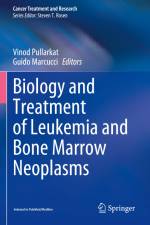
This book provides a concise update on current understanding of the biology of acute and chronic leukemias and other bone marrow neoplasms, including myelodysplastic and myeloproliferative disorders, and explores new and emerging treatments. There is a particular focus on the molecular abnormalities that are drivers of leukemia and on their detection by modern molecular techniques. Knowledge of the ways in which genomic and metabolic abnormalities in the hematologic neoplasms affect prognosis and treatment decision making is reviewed. Detailed attention is devoted to targeted therapies, including novel drugs, and to potential targets for future drug development. In addition, readers find in-depth discussion of cellular and antibody-based immunotherapies as well as the role of hematopoietic stem cell transplantation in the treatment of leukemias and bone marrow malignancies. The book is of special interest for hematologists, oncologists, and cancer researchers; it is also of value for hematology trainees and medical students.
This is the first handbook focussing on classical social theory. It offers extensive discussions of debates, arguments, and discussions in classical theory and how they have informed contemporary sociological theory. The book pushes against the conventional classical theory pedagogy, which often focused on single theorists and their contributions, and looks at isolating themes capturing the essence of the interest of classical theorists that seem to have relevance to modern research questions and theoretical traditions. This book presents new approaches to thinking about theory in relationship to sociological methods.
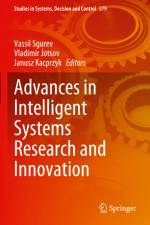
This book represents the experience of successful researchers from four continents on a broad range of intelligent systems, and it hints how to avoid anticipated conflicts and problems during multidisciplinary innovative research from Industry 4.0 and/or Internet of Things through modern machine learning, and software agent applications to open data science big data/advance analytics/visual analytics/text mining/web mining/knowledge discovery/deep data mining issues. The considered intelligent part is essential in most smart/control systems, cyber security, bioinformatics, virtual reality, robotics, mathematical modelling projects, and its significance rapidly increases in other technologies. Theoretical foundations of fuzzy sets, mathematical and non-classical logic also are rapidly developing.
This book provides a comprehensive review of the development of radiofrequency ablation (RFA) for the treatment of chronic pain.The book consists of three sections; it begins with the foundations of RFA by examining its history, development, mechanisms of action, and types. The second section explores various indications for RFA, including cervical pain, spinal metastasis, vertebral body, and hip joint pain. The final section then discusses the utilization of peripheral nerve ablation. The book concludes with future indications and forward-looking options for these therapies. Essentials of Radiofrequency Ablation of the Spine and Joints is a forward-looking resource that recognizes the expanding field of RFA indications and new tools for ablation.
This edited volume examines the experiences and the roles of the police deployed on peacekeeping and intervention missions in Afghanistan, Bougainville, Cyprus, Haiti, Kosovo, Namibia, Solomon Islands, Timor Leste, and Ukraine. Despite the extensive literature that has examined the role of the military in peacekeeping and intervention operations, little literature or information that investigates the role and the work of the police or the methods that they use to assist in the reformation of local police is available. This book provides an overview of the history and role of the police in peacekeeping missions, and discusses the principle factors of police reform and development in post-conflict nations. It includes case studies assessing the background of the conflict and the police deployments, as well as their role, contributions, and achievements.Including two in-depth surveys of police officer experiences on peacekeeping missions, this volume will be of great value to policing researchers and law enforcement leadership, police historians, and students and researchers of post-conflict development.
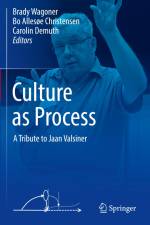
Jaan Valsiner has made numerous contributions to the development of psychology over the last 40 years. He is internationally recognized as a leader and innovator within both developmental psychology and cultural psychology, and has received numerous prizes for his work: the Alexander von Humboldt prize, the Hans Killian prize, and the Outstanding International Psychologist Award from the American Psychological Association. Having taught at Universities in Europe, Asia and north and south America, he is currently Niels Bohr professor at Aalborg University, Denmark. This book is the first to discuss in detail the different sides of Valsiner's thought, including developmental science, semiotic mediation, cultural transmission, aesthetics, globalization of science, epistemology, methodology and the history of ideas. The book provides an overview, evaluation and extension of Valsiner's key ideas for the construction of a dynamic cultural psychology, written by his former students and colleagues from around the world.
This book contains the most recent progress in data assimilation in meteorology, oceanography and hydrology including land surface. It spans both theoretical and applicative aspects with various methodologies such as variational, Kalman filter, ensemble, Monte Carlo and artificial intelligence methods. Besides data assimilation, other important topics are also covered including adaptive observations, sensitivity analysis, parameter estimation and AI applications. The book is useful to individual researchers as well as graduate students for a reference in the field of data assimilation.
Abonner på vårt nyhetsbrev og få rabatter og inspirasjon til din neste leseopplevelse.
Ved å abonnere godtar du vår personvernerklæring.