










Gjør som tusenvis av andre bokelskere
Abonner på vårt nyhetsbrev og få rabatter og inspirasjon til din neste leseopplevelse.
Ved å abonnere godtar du vår personvernerklæring.Du kan når som helst melde deg av våre nyhetsbrev.

The only curative treatment currently available for chronic thromboembolic pulmonary hypertension (CTEPH) is surgical pulmonary endoarterectomy (PEA). However, several patients may have high risk factors for surgery, or a peripheral disease not amenable to surgical treatment; or else a residual pulmonary hypertension after PEA. Balloon pulmonary angioplasty (BPA) was recently developed to offer an alternative treatment for these patients. Extensive data has since confirmed the efficacy and relative safety of this procedure. However, there are several technical issues that have yet to be resolved. In addition, many cardiologists and pneumologists still know very little about the procedure itself and its potential.Exploring the clinical indications and technical aspects of BPA, this book offers a valuable reference guide for all those who would like to introduce or improve a BPA program, and for all those whose work involves treating this complex patient population.
This book constitutes the refereed post-conference proceedings of the 7th International Conference on IoT as a Service, IoTaaS 2021, which took place in Sydney, Australia, in December 2021. Due to COVID-19 pandemic the conference was held virtually. The 17 revised full papers were carefully reviewed and selected from 129 submissions. The papers are divided in content-related tracks: Intelligent IoT communication solutions; Social Internet of Things: security, management; Machine learning prediction and recommendation in IoT.
This volume brings together a unique set of interventions from a variety of contributors to bridge the gap between research and policy with a distinct focus on Africa, drawing on work conducted as part of multiple interconnected research projects and networks on the Sustainable Development Goals (SDGs) and global policy implementation in African cities. Through the framework of the SDGs, and in particular Goal 11, the book aims to contribute to generating new knowledge about approaches to SDG localization that are grounded in complex and diverse local contexts, needs and realities, integrated perspectives and collaborative research. The volume draws together contributions from urban experts from different professional and disciplinary backgrounds, ranging from the fields of governance, planning, data, sustainability, health and finance, to provide critical insight into the current dynamics, actors, blind spots, constraints and also good practices and opportunities for realizing the SDGs in Africa. Readers will gain detailed and informed insight into the African experience of SDG localization, monitoring and implementation based on multiple case studies, and will learn of the practices needed to accelerate action towards achieving the SDGs in urban contexts. This book will be of interest to researchers and planners focusing on SDGs implementation in Africa, as well as government organizations, development practitioners and students committed to long-term, inclusive sustainable and participatory development.
This book discusses issues of geoecological (GER) and geopolitical (GPR) risks due to hydrocarbon development of the Arctic. The authors explain the ethical and philosophical foundations of understanding environmental equity and justice in relation to the development of Arctic natural resources and consider various approaches to the moral aspects of making global management decisions in the field of environmental protection and environmental safety. Special attention is paid to analysis of modern geopolitical and geostrategic challenges to the development of the Arctic region. The monograph identifies the key geopolitical factors affecting the sustainable development of the Arctic and analyzes the similarities and differences in the geostrategic positions of the five Arctic states. The authors reveal the need to consider geopolitical challenges in the process of GER analysis for oil and gas development in the Arctic region. The book explores the intersection of the strategic interests for a number of states and describes Russia's inability to ensure environmental safety in the development of Arctic deposits. The book analyzes in detail each type of GER with an emphasis on their potential to lead to additional opportunities and threats, and assesses environmental rating as an indicator of the GER management process of Russian oil and gas companies operating in the Arctic. Although the main focus is on the Russian part of this region, many arguments and conclusions are quite applicable to the entire Arctic region. The consideration of geoecological and geopolitical aspects of the development of Arctic resources with the example of Russian oil and gas companies sheds light on the entire Arctic region, taking into account the interests of all other national and international companies involved in GER and GPR there.
This book combines the results of the research activities in the assessment of water resources environment and an integrated water resource monitoring program to support preservation efforts of the aquatic environment of the Cradle of Humankind (COH), World Heritage Sites. A poor understanding of the surface and groundwater resources of the COH property has precipitated often alarmist reporting in the media regarding the negative impacts associated with various sources of poor quality water. The most notable of these is the acid mine drainage threat to karst ecosystems and fossil sites across the property. These circumstances have generated wide and considerable concern for the preservation of the UNESCO-inscribed fossil sites and integrity of the water resources of the property.
A significant number of works have set forth, over the past decades, the emphasis laid by seventeenth-century mathematicians and philosophers on motion and kinematic notions in geometry. These works demonstrated the crucial role attributed in this context to genetic definitions, which state the mode of generation of geometrical objects instead of their essential properties. While the growing importance of genetic definitions in sixteenth-century commentaries on Euclid's Elements has been underlined, the place, uses and status of motion in this geometrical tradition has however never been thoroughly and comprehensively studied. This book therefore undertakes to fill a gap in the history of early modern geometry and philosophy of mathematics by investigating the different treatments of motion and genetic definitions by seven major sixteenth-century commentators on Euclid's Elements, from Oronce Fine (1494-1555) to Christoph Clavius (1538-1612), including Jacques Peletier (1517-1582), John Dee (1527-1608/1609) and Henry Billingsley (d. 1606), among others. By investigating the ontological and epistemological conceptions underlying the introduction and uses of kinematic notions in their interpretation of Euclidean geometry, this study displays the richness of the conceptual framework, philosophical and mathematical, inherent to the sixteenth-century Euclidean tradition and shows how it contributed to a more generalised acceptance and promotion of kinematic approaches to geometry in the early modern period.
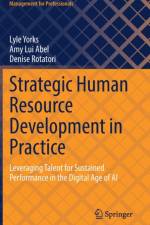
This book examines human resource development (HRD) strategy as a learning process, connecting learning and adult development with organizational development and change, and talent development, with a particular focus on the use of artificial intelligence (AI). It provides professionals and practitioners as well as students with processes and tools that will help them meet the needs of employees and the organization. It takes a scholar-practitioner perspective connecting theory with practice. HRD has evolved into a mature field of scholarship in recent decades. At the same time, practices of learning and development in organizations continues to evolve dramatically. At the individual, developmental, and organizational levels, workers, managers, and executives have to be continually learning from current and emerging trends in order to strategically reposition themselves for performance and future possibilities. This includes developing the competencies to navigate the complexities of a world in which people are interacting with 'smart' digital technologies that are broadly grouped together under the umbrella term artificial intelligence (AI). Featuring specific strategic learning methods and case studies from senior HRD professionals, this book is a valuable resource for managers, practitioners, students, scholars and others interested in strategic HRD practice.
The pace of change today is unprecedented. As more than one observer has said, change itself has changed. Technologies and markets in virtually every industry are now subject to rapid and unpredictable change, placing a premium on the ability to successfully manage new paradoxes, such as being entrepreneurial and efficient, as well as able to sense shifts and rapidly respond and secure enough stability for quality and efficiency. In short, enterprise leaders face a paradigm shift in management, and they will be forced to transform their organizations in order to survive in the 21st century. This book will provide leaders with the fundamental principles for managing a firm in the digital economy, as well as the Rendanheyi business model, developed for the new century. Finally, the book will provide leaders with a case, based on GE Appliances, on how they can effectively transform their own organizations. Foreword by Edgar Schein and Peter Schein.
The book examines the supply chain from different perspectives: the physical structure which it is composed of (actors, roles, infrastructures and processes), the organizational structure of the people involved (business functions and related interactions and integrations), and the manifold flows that characterize it (product flows, information flows, service flows and monetary flows). For each of these dimensions, the text thoroughly illustrates how to design and manage it, aligning supply chain performance and competitive strategies through an integrated approach, which is key to generate competitive advantage. The book covers the different topics by combining a quantitative approach typical of engineering disciplines and adopted particularly in the operational parts, with a qualitative approach which fits in the more strategic parts. This combination makes the volume suitable for both under- and post-graduate students in industrial engineering and management, as well as undergraduates or masters students confronting supply chain management from different cultural backgrounds. Industry operators and practitioners can also find useful insights, since it thoroughly describes industry best practices, especially in the food and consumer goods, fashion and apparel, pharmaceutical and healthcare sectors, stemming from author's real life experiences in these fields.
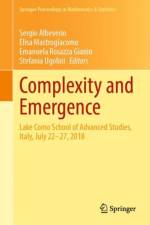
This book includes contributions about mathematics, physics, philosophy of science, economics and finance and resulted from the Summer School "e;Complexity and Emergence: Ideas, Methods, with a Special Attention to Economics and Finance"e; held in Lake Como School of Advanced Studies, on 22-27 July 2018.The aim of the book is to provide useful instruments from the theory of complex systems, both on the theoretical level and the methodological ones, profiting from knowledge and insights from leading experts of different communities. It moves from the volume editors' conviction that to achieve progress in understanding socio-economical as well as ecological problems of our complex word such preparation is needed, together with a critical reconsideration of our basic scientific and economical approach.The potential readers are primarily master and doctorate students of mathematics, information sciences, theoretical physics and economics, as well as research workers in those areas, who want to enlarge their spectrum of knowledge towards the area of complexity and emergence. Since ideas and methods of the theory of complex systems also apply to other areas (from engineering and architecture to biology and medicine, e.g.), students and research workers from those areas will also profit from this book.
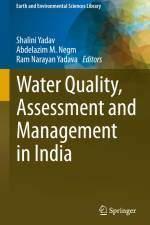
This book presents up-to-date information on the status of water resources in India. It presents an assessment of the surface water and groundwater condition to help stakeholders take the necessary actions to control pollution and make the country's water resources sustainable. The book addresses various topics, including forest-water interactions for governing water quality at catchment scales, water quality status, rainwater harvesting methods, acid-mine drainage, water pollution, management strategies, drinking water quality, and treatment of industrial wastewater. Given its scope, the book offers a valuable tool for policy planners who wish to improve the current situation and move toward sustainable water resources in India.
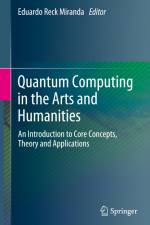
Computers are essential for the functioning of our society. Despite the incredible power of existing computers, computing technology is progressing beyond today's conventional models. Quantum Computing (QC) is surfacing as a promising disruptive technology. QC is built on the principles of quantum mechanics. QC can run algorithms that are not trivial to run on digital computers. QC systems are being developed for the discovery of new materials and drugs and improved methods for encoding information for secure communication over the Internet. Unprecedented new uses for this technology are bound to emerge from ongoing research.The development of conventional digital computing technology for the arts and humanities has been progressing in tandem with the evolution of computers since the 1950s. Today, computers are absolutely essential for the arts and humanities. Therefore, future developments in QC are most likely to impact on the way in which artists will create and perform, and how research in the humanities will be conducted.This book presents a comprehensive collection of chapters by pioneers of emerging interdisciplinary research at the crossroads of quantum computing, and the arts and humanities, from philosophy and social sciences to visual arts and music.Prof. Eduardo Reck Miranda is a composer and a professor in Computer Music at Plymouth University, UK, where he is a director of the Interdisciplinary Centre for Computer Music Research (ICCMR). His previous publications include the Springer titles Handbook of Artificial Intelligence for Music, Guide to Unconventional Computing for Music, Guide to Brain-Computer Music Interfacing and Guide to Computing for Expressive Music Performance.
How we understand what procedure is due as a fundamental or constitutional right can have a critical impact on designing a civil procedure. Drawing on comparative law and empirically oriented methodologies, in this book the author provides a thorough analysis of how procedural due process is understood both in national jurisdictions and in the field of international human rights law.The book offers a suitable due process theory for civil matters in general, assessing the different roles that this basic international human right plays in comparison with criminal justice. In this regard, it argues that the civil justice conception of due process has grown under the shadow of criminal justice for too long. Moreover, the theory answers the question of what the basic requirements are concerning the right to a fair trial on civil matters, i.e., the question of what we can and cannot sacrifice when designing a civil procedure that correctly distributes the risk of moral harm while remaining accessible to people with complex and simple legal needs, in order to reconcile the requirements of procedural fairness with social demands for justice.This book makes a valuable contribution to the field of civil justice, legal design, and access to justice by providing an empirically based normative theory regarding the right to a fair trial. As such, it will be of interest to a broad audience: policymakers, practitioners and judges, but also researchers and scholars interested in theoretical questions in jurisprudence, and those familiar with empirical legal studies, comparative law, and other socio-legal studies.
This book aims at providing a solid basis for the education of the next generation of researchers in hot, dense QCD (Quantum ChromoDynamics) matter. This is a rapidly growing field at the interface of the smallest, i.e. subnuclear physics, and the largest scales, namely astrophysics and cosmology. The extensive lectures presented here are based on the material used at the training school of the European COST action THOR (Theory of hot matter in relativistic heavy-ion collisions).The book is divided in three parts covering ultrarelativistic heavy-ion collisions, several aspects related to QCD, and simulations of QCD and heavy-ion collisions. The scientific tools and methods discussed provide graduate students with the necessary skills to understand the structure of matter under extreme conditions of high densities, temperatures, and strong fields in the collapse of massive stars or a few microseconds after the big bang. In addition to the theory, the set of lectures presents hands-on material that includes an introduction to simulation programs for heavy-ion collisions, equations of state, and transport properties.
This second volume, Basics of a Liberal Psychological, Social and Moral Order, overviews developments in the theory of spontaneously ordered complex phenomena, the psychology of inference and expectation, the nature of anticipatory systems in the psychological and economic domains, and the evolution of scientific thought and knowledge. The book applies these insights to the nature of markets and morals, what education should consist of, and the problems of alienation and our existential malaise as we move into an increasingly abstract society. In doing so it also shows the unscientific nature of the rationalist constructivist approach of progressivism, and the disastrous consequences that would arise from following these positions.The book shows the complex interplay between top-down or directed structures (what Hayek and others have called taxis organizations) and far more complex orders of the social or psychological cosmos in which they are embedded as constituents. It details how the key to the market orders of society depends upon their capacity to impersonally convey information to agents. Markets can serve unknown and unforeseen ends for individuals who do not know or have contact with other market participants. This is a vastly more powerful and productive system than anything that can arise in a tribal or face-to-face organization limited to personal contact, such as the sort proposed by the constructivists. The book will be of interest to academics and scholars in classical liberalism, economics and political philosophy.
This volume provides a collection of research findings on the distribution and risk associated with emerging contaminants (ECs) in water and wastewater across the globe, and effective remediation techniques and technologies. The book covers various monitoring techniques for ECs in water and wastewater and its related impacts on the ambient environment, and offers valuable information on cost-effective monitoring techniques and sustainable treatment technologies for ECs. The authors detail the risks and biological effects of ECs and legacy persistent organic pollutants (POPs) in freshwater and marine systems, including their adverse interactions with aquatic organisms, while also discussing the associated impacts on human health. The book comprehensively covers current research outcomes on treatment methods, cost-effectiveness, and infrastructure needs for effective removal of ECs. It will be of interest to students, researchers, and scholars in environmental science and engineering, water and wastewater, toxicology, environmental biotechnology, soil sciences, and microbial ecology.
This book focuses on neotectonic movements and river channel evolution of the Indian subcontinent, with special reference to the Himalayan Neotectonics. Neotectonic movements have played an important role in channel evolution in tectonically active zones especially for the mountain chains, foredeeps and active deltas. The book addresses the issues of the channel evolution in neotectonically active domains of India. It aims at readers of India as well as abroad, interested in earth sciences, geomorphology, tectonics, physical geography and river forms and processes of India.
This book is about Madeleine Slade (1892-1982) and Catherine Mary Heilemann (1901-1982), two English associates of Mohandas K. (Mahatma) Gandhi (1869-1948), known in India as Mira Behn and Sarala Behn. The odysseys of these women present a counternarrative to the forces of imperialism, colonialism, capitalism, and globalized development. The book examines their extraordinary journey to India to work with Gandhi and their roles in India's independence movement, their spiritual strivings, their independent work in the Himalayas, and most importantly, their contribution to the evolution of Gandhian philosophy of socio-economic reconstruction and environmental conservation in the present Indian state of Uttarakhand. The author shows that these women developed ideas and practices that drew from an extensive intellectual terrain that cannot be limited to Gandhi's work. She delineates directions in which Gandhian thought and experiments in rural development work and visions of a new society evolved through the lives, activism, and written contributions of these two women. Their thought and practice generated a new cultural consciousness on sustainability that had a key influence in environmental debates in India and beyond and were responsible for two of the most important environmental movements of India and the world: the Chipko Movement or the movement against commercial green felling of trees by hugging them, and the protest against the Tehri high dam on the Bhagirathi River. To this day, their teachings and philosophies constitute a useful and significant contribution to the search for and implementation of global ideas of ecological conservation and human development.
Every global crisis highlights the strategic importance of industrial and non-profit supply chains for society. In terms of coping with unforeseen and unpredictable events, supply chain resilience enables the parties and networks involved to stay successful during and after the disruption. Furthermore, a resilient supply chain contributes to the sustainable competitive advantage of the entire value chain.Written by scholars and practitioners alike, this book not only puts forward a new framework for resilience in supply chain management, but also presents best practice cases from various areas and industries. As a particular highlight, it includes a Delphi study that gathers state-of-the-art insights from supply chain leaders.In addition to practical approaches, methods and tools, the book also offers food for thought on the future of supply chain resilience. As such, it offers a valuable resource for current and future managers in the public and private sector, as well as researchers and students engaged in this field.
Collectively, the research presented in this book revisits, challenges, and rearticulates taken-for-granted wellbeing conceptualisations, policies and intervention frameworks, as critical discussion of wellbeing in relation to children and young people from a variety of socio-cultural, political, and economic settings is still relatively sparse. The contributions work synergistically to generate a sophisticated understanding of children's wellbeing while introducing fresh and context-sensitive approaches. Pre-conceived and taken-for-granted notions of wellbeing are problematised through four sections in (i) Re-examining conceptualisations of wellbeing in educational research and policy; (ii) Focusing on School environments, schooling, and wellbeing; (iii) Examining the significance of cultural contexts; and (iv) Amplifying children's voices. The objective is to help generate new ways of researching and thinking about wellbeing and schooling, that transcend monocultural, monodisciplinary and monomethodological strategies. The book aims to stimulate further theoretical and empirical research, as well as development of effective policies and school interventions which nuance rather than reduce complexity of both education and wellbeing.
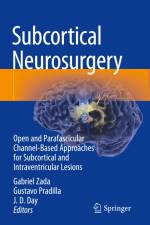
Our understanding of human neuro-anatomy, and ability to safely access lesions in complex locations, are in continuous evolution. The subcortical white matter space is among the most intricate, yet least understood, regions of the brain, with regards to its billions of connections and the subtle clinical and clinical functions it subserves. Neurosurgical procedures in the subcortical space and intraventricular system have been traditionally very difficult due to their depth, the need for brain retraction, and limited understanding and imaging capability of this region. Common lesions encountered in the subcortical space include brain metastases, gliomas, and intracerebral hemorrhage. Surgical access to this region has classically been hindered, and is highly limited by evolving technological applications to medicine and surgery. Traditionally, the technology (optics, imaging, resection devices, illumination) needed to perform safe subcortical surgery was not commensurate with the surgeon's needs. Over the past decade, major strides in our ability to image, navigate, and safely access subcortical tumors and other lesions have been made. These include parafascicular, trans-sulcal approaches that may be channel-based to provide safe retraction of the cortical and subcortical matter. A confluence of optical, computational and mechanical technology have greatly enabled our ability to treat such lesions, and include advanced MR imaging such as diffusion tractography, neuronavigation, channel-based access ports, exoscopic visualization, fiber-optic illumination, and novel resection devices.Parafascicular, channel-based subcortical surgery is a relatively new field with evolving indications and approaches that promises to evolve considerably over the next several decades. We aim to develop the first comprehensive reference text compiling the known evidence and experience from expert practitioners in the field of subcortical parafascicular surgery. This book will provide a major foundation for future development of the field, and be a first and definitive reference for decades to come.Subcortical Neurosurgery: Open and Parafascicular Channel-Based Approaches for Subcortical and Intraventricular Lesions will be the definitive reference on surgery of the subcortical region. It will comprehensively discuss all aspects of treatment of subcortical and intraventricular lesions, including neuroanatomy and neuroimaging of the subcortical space, principles of parafascicular subcortical channel-based surgery, common indications and approaches, and focused chapters for common subcortical lesions. The first section of the reference focuses on the intricate anatomy and neuro-imaging of the subcortical space and ventricular system, with special emphasis on intricate white matter tracts and diffusion tractography imaging. The next section of the book discusses principles of both open and parafascicular, channel-based approaches to subcortical and intraventricular lesions, in addition to workhorse approaches to common subcortical compartments. Finally, specific pathological subcortical lesions that can be commonly addressed via parafascicular channel-based approaches, including brain metastases, gliomas, and intracerebral hemorrhage will be addressed. Authored by experts in the field of subcortical neurosurgery, this book was developed to provide a unique, comprehensive text for neurosurgeons, neuro-radiologists, and trainees from a variety of specialties interested in evolving minimally disruptive access and treatment of the subcortical space.
This book-along with its companion volume Mary I in Writing: Letters, Literature, and Representations-centers on representations of Queen Mary I in writing, broadly construed, and the process of writing that queen into literature and other textual sources. It spans an equally wide chronological and geographical scope, accounting for the years prior to her accession in July 1553 through the centuries that followed her death in November 1558 and for her reach across England, and into Ireland, Spain, Italy, Russia, and Africa. Its intent is to foreground words and language-written, spoken, and acted out-and, by extension, to draw out matters of and conversations about rhetoric, imagery, methodology, source base, genre, narrative, form, and more. Taken together, these volumes find in England's first crowned queen regnant an incomparable opportunity to ask new questions and seek new answers that deepen our understanding of queenship, the early modern era, and modern popular culture.
How might one determine if a financial institution is taking risk in a balanced and productive manner? A powerful tool to address this question is economic capital, which is a model-based measure of the amount of equity that an entity must hold to satisfactorily offset its risk-generating activities. This book, with a particular focus on the credit-risk dimension, pragmatically explores real-world economic-capital methodologies and applications. It begins with the thorny practical issues surrounding the construction of an (industrial-strength) credit-risk economic-capital model, defensibly determining its parameters, and ensuring its efficient implementation. It then broadens its gaze to examine various critical applications and extensions of economic capital; these include loan pricing, the computation of loan impairments, and stress testing. Along the way, typically working from first principles, various possible modelling choices and related concepts are examined. The end result is a useful reference for students and practitioners wishing to learn more about a centrally important financial-management device.
These essays consider the three traditional theological virtues-faith, hope, and love-alongside their opposites-doubt, despair, and hate, from a scholarly perspective. The volume includes contributions not just from philosophers of religion, but also from psychologists, sociologists, and film and literature scholars, to paint a complex and nuanced picture of these virtues, both of how we might understand them, and how we can hope to embody them ourselves. While these virtues make up a core part of the Christian tradition, the chapters here go far and wide in search of different cultural conceptions of these universal human concerns. Inquiries are made into these virtues within Hindu, Buddhist, Jewish, and Islamic thought, alongside philosophers including Aristotle, Hegel, Kierkegaard, Nietzsche, Levinas, and Murdoch. The resulting tapestry is often beautiful, sometimes horrific, but always thoroughly human. This text appeals to students and researchers working in these fields. Chapter [9] is available open access under a Creative Commons Attribution 4.0 International License via link.springer.com.
This book directly links the notion of the commons with different design praxes, and explores their social, cultural, and ecological ramifications. It draws out material conditions in four areas of design interest: social design, commons and culture, ecology and transdisciplinary design. As a collection of positions, the diversity of arguments advances the understanding of the commons as both concepts and modes of thinking, and their material translation when contextualised in the domain of design questions. In other words, it moves abstract social science concepts towards concrete design debates. This text appeals to students, researchers and practitioners working on design in architecture, architecture theory, urbanism, and ecology.
This book provides healthcare professionals in Critical Care setting an easy consultation guide to fight against COVID-19. The book is divided into sections: Fundamentals of COVID-19, Pneumological critical care, Neurological manifestations, Cardiovascular manifestations, Renal manifestations, Haemostasis and coagulation, Other multi-organs involvement, Principles of therapy. Each section includes:nbsp; brief pathophysiology of COVID-19 (ventilation, neurological, cardiovascular, etc.); nbsp; principles of management (enriched with flowcharts and figures); nbsp; principles of therapy; nbsp; tips and key messages. Readers can find the most updated advices on how to face the ongoing pandemic: from principles of conventional oxygen therapy, assisted and invasive mechanical ventilation in critically ill COVID-19 patients to the complications sometimes underestimated. Tables and flowcharts provided are based on current knowledge in COVID-19 to help the clinician managing COVID-19 patients by a multiple-organs prospective.Written by international key opinion leaders of each field, the book represents a point of reference for all professionals involved in the management of COVID-19 pandemic.
This book developed from the experience of the ISAMMS team (Institut Sud Aquitain de la Main et du Membre Superieur), that has been treating hand and wrist pathologies for over 20 years. Hand and wrist require specific care from a multidisciplinary staff. The patient has to be treated efficiently from injury in order to be able to return to work and sports activities.The book presents the most validated clinical examination, clinical reasoning, rehabilitation techniques and orthoses allowing the therapist to maximize their efficiency in treating patients with hand and wrist pathologies.This publication is intended for physiotherapists and occupational therapists, surgeons and practitioners specialized in physical rehabilitation, as well as for the students in these fields.
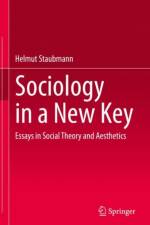
This book presents essays that address fundamental issues in social and cultural theory by viewing them through the lens of aesthetic theory. Drawing on the aesthetic theories of Theodor W. Adorno, Gregory Bateson, Jean-Marie Guyau, Talcott Parsons and Georg Simmel, it suggests a new take on basic sociological concepts and methodologies. The chapters cover a wide range of topics, including the sensuality of social action, social construction of unreality, and The Rolling Stones' enduring success as a reflection of our society and culture. The book's title Sociology in a New Key refers to a classic work by Susanne K. Langer, whose Philosophy in a New Key argued for a reorientation of modern philosophical thought based on a thorough account of symbolism in general and of the arts in particular. In this way, the basic ideas and assumptions of the philosophical tradition are transposed to new understandings and perspectives. After all, it was Georg Simmel himself who claimed to have gained several of his general theoretical insights "e;via the detour of reflections on the essence of art."e; The book will appeal to scholars and students of the sociology of the arts and music, and to anyone interested in the intersection of social theory and aesthetics.
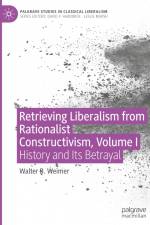
This first volume, History and its Betrayal, traces the development of major themes of liberalism from the increase in human population beyond the limits of the face-to-face society of tribalism and small groups up until the present day. It shows that the principles underlying liberalism are the evolutionary development of social organizations that have resulted from the complexity of human action rather than any conscious design or purpose.This book draws out the differences between the classical liberalism dependent upon spontaneous and tacit ordering as a result of evolution, and the explicit or conscious or directed version of progressivism. It shows that the most important recent developments in the philosophy of rationality and the methodology of scientific research, as well as in evolutionary epistemology and the philosophy of biology, actually stem from the theories of complex social organization of the moralists such as Hume, Ferguson, and Smith. The book shows clearly that classical liberalism was never refuted-indeed, no attempt to do so has been offered-it has simply been ignored in favour of programs which sound beneficial and soothing but which cannot be instituted without returning to tribalism.
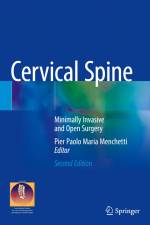
This heavily revised second edition covers minimally invasive and open surgical techniques for treating a variety of common and rare of cervical pathologies. Extensively revised chapters detail how to successfully perform a variety of the latest procedures for conditions including cervical spine fractures, cervical tumours and cranio cervical anomalies. Guidance on the appropriate techniques for decompression and fusion with cages and autologous bone graft are also described. Cervical Spine: Minimally Invasive and Open Surgery satisfies the need for a multi-disciplinary text covering open and minimally invasive techniques available for treating ailments of the cervical spine. Practicing and trainee orthopedic surgeons, neurosurgeons, radiologists, anesthesiologists and pain management specialists will all find the content of this work to be of a great help to them when seeking guidance on the latest advances in the field.
Abonner på vårt nyhetsbrev og få rabatter og inspirasjon til din neste leseopplevelse.
Ved å abonnere godtar du vår personvernerklæring.