














Gjør som tusenvis av andre bokelskere
Abonner på vårt nyhetsbrev og få rabatter og inspirasjon til din neste leseopplevelse.
Ved å abonnere godtar du vår personvernerklæring.Du kan når som helst melde deg av våre nyhetsbrev.

This book presents a concise and contemporary account of theory and research on presenteeism. It thoroughly discusses the definition and measurement of presenteeism, followed by an overview of the presenteeism literature focusing on key areas such as the prevalence, causes, consequences, costs and benefits of presenteeism. It reviews the models of presenteeism, and how they have been used to explain presenteeism behavior in the workplace. The authors offer an overview of presenteeism interventions and suggestions for future interventions, as well as recommendations for future research studies on presenteeism.
This book introduces the basic tenets and technique skills for endovascular embolization and provides the most up-to-date technical advancements, treatment strategy evolution, and literature review related to the endovascular treatment of brain aneurysms. The most special feature of this book is how the content is organized. The morphology, instead of the location, dictates the treatment strategy applied and procedure skills required for the endovascular treatment of brain aneurysms. Hence, the book is structured with a new conceptual way of classifying aneurysms into eight different types based on the morphological characteristics of brain aneurysms. The specific technical skills and treatment strategies for these different aneurysm categories are described separately in their own chapters. Another important feature of the book is the combination of detailed technical descriptions of the skills, strategies, and advancement in the field accompanied with case presentations. The large and comprehensive collection of the case presentations further enhances the points in the text.This book can be used as a handbook on endovascular treatment of brain aneurysms. It can also help physicians in the early careers of these subspecialties for their daily practice and board preparation. The text will provide the most up-to-date knowledge for more experienced endovascular neurosurgeons and interventionalists on the topics of new techniques and endovascular products. Additionally, it can also serve as a practice guidance resource for nurse practitioners and physician assistants of the above subspecialties.
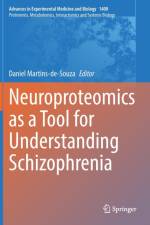
Over the past decade, neuroproteomics has shed light on the molecular features of schizophrenia by depicting biological processes involved with its establishment, maintenance and treatment. These studies have also pointed to potential biomarkers applicable to diagnosis and medication monitoring. Edited by a leader in the field of neuroproteomics with contributions from subject experts, this new volume will address recent findings and compile evidence from difference perspectives-such as human samples, animal models, pluripotent stem cell-derived in vitro pre-clinical models-and provide findings to inform the development of innovative future treatment strategies.This volume will be useful for a broad audience of researchers and professionals, including biologists, neurologists, psychiatrists, analytical chemists, and pharmacists, among others.
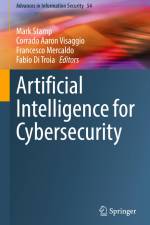
This book explores new and novel applications of machine learning, deep learning, and artificial intelligence that are related to major challenges in the field of cybersecurity. The provided research goes beyond simply applying AI techniques to datasets and instead delves into deeper issues that arise at the interface between deep learning and cybersecurity.This book also provides insight into the difficult "e;how"e; and "e;why"e; questions that arise in AI within the security domain. For example, this book includes chapters covering "e;explainable AI"e;, "e;adversarial learning"e;, "e;resilient AI"e;, and a wide variety of related topics. It's not limited to any specific cybersecurity subtopics and the chapters touch upon a wide range of cybersecurity domains, ranging from malware to biometrics and more.Researchers and advanced level students working and studying in the fields of cybersecurity (equivalently, information security) or artificial intelligence (including deep learning, machine learning, big data, and related fields) will want to purchase this book as a reference. Practitioners working within these fields will also be interested in purchasing this book.
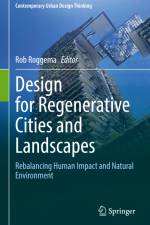
This book discusses the way to design and plan for regenerative cities and landscapes. Where sustainability aims to safeguard the resources for future generations, and the resilience concept focuses on dealing with shocks to keep the system functioning, regeneration aims to give back more than it takes from the system. This principle is often used in analytical and assessment literature, but not yet elaborated in a spatial planning and design context, which this book does. It offers insights from a range of perspectives, spatial scales, such as the country level, neighbourhood public space, streets and the building levels, scientific fields and continents, amongst which Africa, Oceania, and Europe.
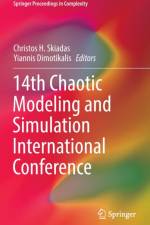
Gathering the proceedings of the 14th CHAOS2021 International Conference, this book highlights recent developments in nonlinear, dynamical and complex systems. The conference was intended to provide an essential forum for Scientists and Engineers to exchange ideas, methods, and techniques in the field of Nonlinear Dynamics, Chaos, Fractals and their applications in General Science and the Engineering Sciences.The respective chapters address key methods, empirical data and computer techniques, as well as major theoretical advances in the applied nonlinear field. Beyond showcasing the state of the art, the book will help academic and industrial researchers alike apply chaotic theory in their studies.Chapter "e;On the Origin of the Universe: Chaos or Cosmos"e; is available open access under a Creative Commons Attribution 4.0 International License via link.springer.com
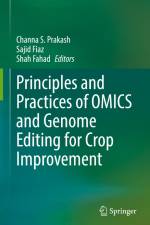
Global food security is increasingly challenging in light of population increase, the impact of climate change on crop production, and limited land available for agricultural expansion. Plant breeding and other agricultural technologies have contributed considerably for food and nutritional security over the last few decades. Genetic engineering approaches are powerful tools that we have at our disposal to overcome substantial obstacles in the way of efficiency and productivity of current agricultural practices. Genome engineering via CRISPR/Cas9, Cpf1, base editing and prime editing, and OMICs through genomics, transcriptomics, proteomics, phenomics, an metabolomics have helped to discover underlying mechanisms controlling traits of economic importance. Principle and Practices of OMICs and Genome Editing for Crop Improvement provides recent research from eminent scholars from around the world, from various geographical regions, with established expertise on genome editing and OMICs technologies. This book offers a wide range of information on OMICs techniques and their applications to develop biotic, abiotic and climate resilient crops, metabolomics and next generation sequencing for sustainable crop production, integration bioinformatics, and multi-omics for precision plant breeding. Other topics include application of genome editing technologies for food and nutritional security, speed breeding, hybrid seed production, resource use efficiency, epigenetic modifications, transgene free breeding, database and bioinformatics for genome editing, and regulations adopted by various countries around globe for genome edited crops. Both OMICs and genome editing are vigorously utilized by researchers for crop improvement programs; however, there is limited literature available in a single source. This book provides a valuable resource not only for students at undergraduate and postgraduate level but also for researchers, stakeholders, policy makers, and practitioners interested in the potential of genome editing and OMICs for crop improvement programs.
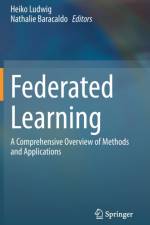
Federated Learning: A Comprehensive Overview of Methods and Applications presents an in-depth discussion of the most important issues and approaches to federated learning for researchers and practitioners. Federated Learning (FL) is an approach to machine learning in which the training data are not managed centrally. Data are retained by data parties that participate in the FL process and are not shared with any other entity. This makes FL an increasingly popular solution for machine learning tasks for which bringing data together in a centralized repository is problematic, either for privacy, regulatory or practical reasons.This book explains recent progress in research and the state-of-the-art development of Federated Learning (FL), from the initial conception of the field to first applications and commercial use. To obtain this broad and deep overview, leading researchers address the different perspectives of federated learning: the core machine learning perspective, privacy and security, distributed systems, and specific application domains. Readers learn about the challenges faced in each of these areas, how they are interconnected, and how they are solved by state-of-the-art methods.Following an overview on federated learning basics in the introduction, over the following 24 chapters, the reader will dive deeply into various topics. A first part addresses algorithmic questions of solving different machine learning tasks in a federated way, how to train efficiently, at scale, and fairly. Another part focuses on providing clarity on how to select privacy and security solutions in a way that can be tailored to specific use cases, while yet another considers the pragmatics of the systems where the federated learning process will run. The book also covers other important use cases for federated learning such as split learning and vertical federated learning. Finally, the book includes some chapters focusing on applying FL in real-world enterprise settings.
This book provides a comprehensive and concise, review of the fundamental concepts and clinical indications for Transcranial Doppler (TCD) imaging. An overview of the physics of ultrasonography as it pertains to TCD is presented, as well as neuroanatomy and cerebrovascular physiology in healthy and diseased states. Recommended protocols for neuroimaging are reviewed and serves as a guide for existing neurovascular laboratories and medical systems seeking to develop laboratories that are in need of a guide to establish their own protocols. The most common, relevant and challenging clinical conditions where TCD is incorporated to assist with patient management are discussed. In addition, chapters provide a framework for building a neurovascular laboratory, including necessary equipment, steps to obtain national accreditation by accrediting bodies, and reimbursement procedures for tests performed. The book concludes with "e;clinical pearls"e; and "e;tricks of the trade"e;, which serve as a commentary to guide physicians and neurosonologists on best-practices for TCD acquisition and interpretation.
The contributed volume "e;Multidisciplinarity and Interdisciplinarity in Health"e; is a health-centered volume of the Integrated Science Book series. Lack of confidence, lack of expertise, complexities of healthcare, the confusing nature of healthcare environments, and lack of organization and standardization can become obstacles to successful communication. This volume establishes how extensive is the interface between formal sciences and medical sciences on health-related issues. The book provides an overview of the value of the integration of formal, biological, and medical sciences and related products, i.e., health informatics and biomedical engineering, to frame a holistic approach to health systems, healthcare, medical practice, drug discovery, and medical device design. The book also focuses on innovative solutions to the most critical issues of different health crisis, including obesity, infectious outbreaks, and cancer that can be found by using an integrative approach. It also contains the fascinating crossroads between medical sciences, physics, and mind that is discussed from multiple perspectives on cognition, neuroscience, and psychiatry. These multidisciplinary considerations will expand the concepts of creativity, leadership, aesthetics, empathy and mental health.
This book subjects the traditional concept of law of nature to critical examination. There are two kinds of reasons that invite this reexamination, one deriving from philosophical concerns over the traditional concept, the other motivated by theoretical and practical changes in science. One of the philosophical worries is that the idiom of law of nature, especially when combined with the notion of laws 'governing' individual events and processes, is no longer as intelligible as it used to be in the theistic context in which the formulation of laws became central to science. The traditional concept is also challenged in various ways by contemporary scientific theories such as quantum mechanics, chaos theory and the general theory of relativity. It is no longer clear that there are any universal laws, laws do not always guarantee predictability, and the border between physical and mathematical considerations is constantly shifting. The most difficult challenge, perhaps, is to come up with a scientific explanation of the origin of laws. Wrestling with these intriguing problems, the papers in this volume broaden both our understanding of the natural order and our desiderata of scientific explanation.
This book describes the role of magnetism in electrical engineering, starting from the most basic laws of physics, converted into simulation models such that electrical engineering students can learn by example and practice. The author demystifies a topic that many electrical engineers take for granted, providing readers the tools to be able to understand how any magnetic component works. He describes magnetic components like inductors and transformers in simple understandable language. Mathematical equations related to the basic laws of physics are described in detail along with the physical significance of the equations. Every application is supported by a simulation. All simulations are performed using free and open source software based on Python making the material in this book universally accessible.
The creation of plant-based foods is one of the most rapidly advancing areas in the modern food industry. Many consumers are adopting more plant-based foods in their diets because of concerns about global warming and its devastating impacts on the environment and biodiversity. In addition, consumers are adopting plant-based diets for ethical and health reasons. As a result, many food companies are developing plant-based analogs of animal-based foods like dairy, egg, meat, and seafood products. This is extremely challenging because of the complex structure and composition of these animal-based foods.Next-Generation Plant-based Foods: Design, Production and Properties presents the science and technology behind the design, production, and utilization of plant-based foods. Readers will find a review of ingredients, processing operations, nutrition, quality attributes, and specific plant-based food categories such as milk and dairy products, egg and egg products, meat and seafood products, providing the fundamental knowledge required to create the next generation of healthier and more sustainable plant-based food alternatives.
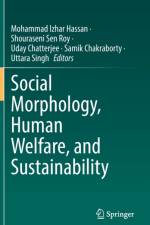
This volume discusses a broad range of human welfare problems associated with and stemming from social issues, natural resource deficiencies, environmental hazards, vulnerability to climate change, and sustainability challenges. The chapters form a framework centered around the concept of social morphology, i.e. the role of humans in shaping society, and associated human-nature interactions which inform the ability to achieve sustainable welfare and well-being. The book is divided in six sections. Section I contains the introductory chapters where the book explores shifting interfaces between environment, society, and sustainability outcomes. Section II discusses contemporary issues of social welfare, and covers sustainable approaches in geo-heritage and ecotourism. Section III addresses the roots of various social conflicts and inequalities in relation to overpopulation, poverty, illiteracy, employment concerns, and human migration. Section IV highlights social security and areas of social deprivation, including urban affordability, gender equality, and women's health. Section V covers social issues resulting from natural hazards and disasters. Section VI concludes the book with a discussion of the way forward for social sustainability. The book will be of interest to students, researchers, policy makers, environmentalists, NGOs, and social scientists.
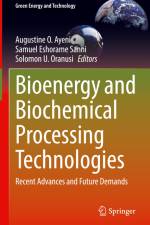
This book presents novel techniques, current trends, and cutting-edge technologies in energy and biochemical processes. The authors explore recent advances that solve challenges related to the implications and commercialization of these processes by introducing new techniques or modifying existing technologies to meet future demands for food materials, bioproducts, fossil fuels, biofuels, and bioenergy. Divided into three parts, the first section of the book addresses issues related to the utilization and management of energy towards the efficient characterization and conversion of wastes or raw-/bio- materials to useful products. The second section focuses largely on studies on molecular detection of analytes, purification, and characterization of products recovered from biochemical, enzymatic, food, and phytochemicals, as well as biostimulation and bioaugmentation processes. The final section discusses areas related to heat and mass transfer, fuel processing technologies, nanofluids, and their applications.
This book provides an up--to--date discussion of the effect of crises on European identities in the post--Soviet states. In doing so, the book presents an original study on dynamics of European identities during four crises in Georgia and Ukraine. More specifically, it considers the comparative impact of two colour revolutions and wars involving Russia on European identity constructions in Georgian and Ukrainian public identity discourses, studied through national mass media. It compares outcomes of change and continuity during such "e;big bang"e; events in identity discourses and establishes scope conditions that allow or inhibit change. The major finding of the study is that the selected events can indeed instigate sudden shifts in European identity discourses but only when the elite power structure also changes in such hybrid regimes, as Ukraine and Georgia. These changes include shifts in elite groups and in the relative power they hold in the overall power structure.
The abundance of sulfate-reducing bacteria and archaea (SRBA) is impressive and new isolates are being reported continuously. A few decades ago, only two genera of sulfate-reducing bacteria (SRB) had been identified. As of 2018, 92 genera containing more than 420 species of SRB have been isolated and characterized and there are several species of archaea. This book addresses the development of the research with SRBA and includes historical background of this field. Biochemical characterization of the enzymes, cytochromes and electron carriers involved with dissimilatory sulfate reduction are reviewed and the presence of relevant genes in cultured and uncultured SRBA are assessed using genome analysis. The contributions of transmembrane electron transport complexes as related to cell energetics are discussed. This book highlights the unique cellular and molecular features of the SRBA and discusses the biochemical interactions behind their metabolic capabilities which enable SRBA to grow in extreme environments. Examples are provided to detoxify and alleviate pollution situations, to evaluate mechanisms proposed for corrosion of ferrous metals and to examine the effects of SRB on human and animal hosts.
This book collects 43 regular papers received from 18 countries that present innovative advances in intelligent and distributed computing, encompassing both architectural and algorithmic results related to these fields. Significant attention is given to new models, techniques, and applications for distributed intelligent architectures and high-performance architectures, machine learning techniques, Internet of Things, blockchain, intelligent transport systems, data analytics, trust and reputation systems, and many others. The book includes the peer-reviewed proceedings of the 14th International Symposium on Intelligent Distributed Computing (IDC 2021), which was held in online mode due to the COVSARS2 pandemic situation, during September 16-18, 2021. The IDC 2021 event included sessions on Internet of Things, data analytics, machine learning, multi-agent systems, algorithms, future intelligent transport solutions, blockchain, intelligent distributed computing for cyber-physical security, and security and trust and reputation in intelligent environments.
This book provides an exhaustive, critical analysis of the challenges and opportunities associated with social enterprises and social innovation. More specifically, it addresses questions such as: What is a social innovation? Which are the best theories that explain how social innovations are generated and propagated in the global society? What is a social enterprise? Which are the theoretical perspectives that best describe the functioning of Social Enterprises , the threats and opportunities? How do social enterprises deal with the profit and non profit worlds and how these interactions affect their capability to be social innovators?The most recent literature has focused on strategies integrating conflicting logic, organizational practices or processes. In all these cases, the hybrid nature of the organization is implemented and sustained through original business models, new organizational arrangements and governance and novel strategies. We believe that the hybrid and institutional perspectives are just one of the many theoretical lenses that can be used to frame social innovation and social enterprises. Along this line, some have highlighted the inherent ethical nature of these phenomena, the critical role played by ethical values whose advancement go well beyond what expected by the corporate social responsibility, business ethics and institutional theorizing.This book follows these perspectives exploring the link between social innovation and social enterprises, presenting them as a new a new possible field of research that support new ways to understand and theorize individual, organizational and community behaviors.
This handbook addresses evidence-based practices in Applied Behavior Analysis (ABA) for individuals diagnosed with autism spectrum disorder (ASD). It provides an overview of the history of evidence-based practices and their importance as applied to the law, school settings, and factors that influence the use for treatment of ASD. Additional areas of coverage include evidence-based and non-evidence-based ABA interventions for autism as well as decision-making ethics related to these treatments. In addition, the book addresses cultural considerations as they relate to these treatments and examines procedural aspects of ABA interventions for autism.Key ABA treatments addressed include: Discrete trial teaching. Pivotal response training. Video modeling. Parent-mediated intervention. Early Start Denver Model, PEAK, PECS, and AAC. Script fading/activity schedules and differential reinforcement/extinction. Response interruption and redirection. Self-management and self-monitoring. The Handbook of Applied Behavior Analysis Interventions for Autism is a must-have resource for researchers, professors, and graduate students as well as clinicians, therapists, and other professionals across such interrelated disciplines as clinical child, school, and developmental psychology, child and adolescent psychiatry, social work, rehabilitation medicine/therapy, pediatrics, and special education.
With the development of effective antiretroviral therapies (ART) in the mid-1990s, HIV became a treatable although serious condition, and people who are adherent to HIV medications can attain normal or near-normal life expectancies. Because of the success of ART, people 50 and older now make up a majority of people with HIV in high-income countries and other places where ART is accessible. The aging of the HIV epidemic is a global trend that is also being observed in low- and middle-income countries, including countries in sub-Saharan Africa, where the greatest number of older people with HIV reside (3.7 million). While globally over half of older adults with HIV are in sub-Saharan Africa, we have little information about the circumstances, needs, and resiliencies of this population, which limits our ability to craft effective policy and programmatic responses to aging with HIV in this region. At present, our understanding of HIV and aging is dominated by information from the U.S. and Western Europe, where the epidemiology of HIV and the infrastructure to provide social care are markedly different than in sub-Saharan Africa. Aging with HIV in Sub-Saharan Africa addresses this gap in our knowledge by providing current research and perspectives on a range of health and psychosocial topics concerning these older adults from across this region. This volume provides a unique and timely overview of growing older with HIV in a sub-Saharan African context, covering such topics as epidemiology, health and functioning, and social support, as well as policy and program implications to support those growing older with HIV.There are very few published volumes that address HIV and aging, and this is the first book to consider HIV and aging in sub-Saharan Africa. Most publications in this area focus on HIV and aging in Uganda and South Africa. This volume broadens the scope with contributions from authors working in West Africa, Botswana, and Kenya. The range of topics covered here will be useful to professionals in a range of disciplines including psychology, epidemiology, gerontology, sociology, health care, public health, and social work.
This book presents an important discussion on land tenure rights for the effective implementation of sustainable soil management provisions. It investigates a variety of aspects, such as the clash of modern and traditional tenure concepts, forms of illegal or illegitimate land acquisition, and the preconditions for legal and legitimate investments. In addition, the book analyses the challenges to ensuring secure land tenure rights in Africa and in Germany. Lastly, it provides information on the role of women in this context.This fifth volume of the International Yearbook of Soil Law and Policy is divided into four parts, the first of which deals with various aspects of the theme "e;Land Tenure Rights and Sustainable Soil Management"e;. The second part covers recent international developments, the third part presents regional and national reports, and the fourth discusses overarching issues. Given the range of key topics covered, the book offers an indispensable tool for all academics, legislators and policymakers working in this field.The "e;International Yearbook of Soil Law and Policy"e; series discusses central questions in law and politics with regard to the protection and sustainable management of soil and land - at the international, national, and regional level.
This monograph provides a complete and up-to-date examination of rigid body dynamics using a Lagrangian approach. All known integrable cases, which were previously scattered throughout the literature, are collected here for convenient reference. Also contained are particular solutions to diverse problems treated within rigid body dynamics.The first seven chapters introduce the elementary dynamics of the rigid body and its main problems. A full historical account of the discovery and development of each of the integrable cases is included as well. Instructors will find this portion of the book well-suited for an undergraduate course, having been formulated by the author in the classroom over many years.The second part includes more advanced topics and some of the author's original research, highlighting several unique methods he developed that have led to significant results. Some of the specific topics covered include the twelve known solutions of the equations of motion in the classical problem, which has not previously appeared in English before; a collection of completely new integrable cases; and the motion of a rigid body around a fixed point under the action of an asymmetric combination of potential and gyroscopic forces.Rigid Body Dynamics will appeal to researchers in the area as well as those studying dynamical and integrable systems theory.
This book, edited by leading experts in radiology, offers a state-of-the-art overview of the specifics and the added value of dual-energy, multi-energy, and spectral computed tomography (CT). Latest advances and upcoming innovations such as photon-counting detector CT are covered by renown experts in the field. The entire spectrum of clinical applications of dual-energy and spectral CT throughout the body is covered. Book chapters are written by expert authors with a background in physics and radiology and are richly illustrated with high quality figures, graphical illustrations, and tables. The first section covers background issues and the most relevant technical aspects of the technique, including a detailed description of the approaches to dual-energy, spectral and photon-counting CT by different vendors of CT scanners. The second part focusses on the use of dual-energy, spectral and photon-counting CT in daily clinical practice, and individual chapters are devoted to imaging of the brain, cardiovascular system, gastrointestinal tract, abdominal organs, skeletal system, and the chest. The focus of the book ensures that it will be of interest for a multidisciplinary forum of readers comprising radiologists, medical physicists, and other medical professionals and scientists being interested in cutting-edge CT imaging.
This book offers a comprehensive overview of the use of bamboo in the building industry. It systematically demonstrates bamboo's utility in terms of its properties, describing the material properties of typical industrial bamboo products, and discussing their performance evaluation and optimization as building components and in the creation of building envelopes. The book presents the recent developments regarding the innovative ways to design and represent architecture through parametric survey tools, and describes the experimental geometrical-generative design process of a connection joint for free-form lightweight structures employing beams made of bamboo culms. It examines algorithmic-generative design themes, through processes of optimization, analysis, and geometrical-spatial verification, employing the potential of digital form-finding design and digital manufacturing techniques to validate the defined technological solution. This book appeals to scientists and professionals and is a valuable resource for civil engineers, designers and students interested in this unique plant material and its application in the building industry. Videos via app: download the SN More Media app for free, scan an image or a link with play button and access the videos directly on your smartphone or tablet.
Written by over seventy scientists and clinicians worldwide from China, USA, Germany, Canada, Japan and other countries, this monograph, with nearly 450 figures and tables, covers a wide range of advanced progress in acupuncture research, from experimental research to clinical applications. In addition to exploring the histopathological basis for acupuncture and mathematical simulation of acupoint response to stimulation, initiation and transduction of acupuncture signals and cellular mechanisms during acupuncture effects as well as chemical and physical characteristics of moxibustion on acupoints are broadly discussed. The topics also include novel data on acupuncture effect with advanced imaging techniques, a unique understanding of meridian-viscera correlation, specific interactions between meridians and neurosensory organs within the system of homeostatic regulation and the acupuncture-induced influences on autonomic function. Several chapters introduce specific approaches with dry needling, silver needling and stainless needling for certain diseases, such as myofascitis, supportive care for breast cancer and chemotherapy-induced peripheral neuropathy as well as perioperative care of surgical patients. Moreover, this book discusses recent research on acupuncture therapy and potential mechanisms for a number of severe and refractory neurological disorders, including hyperactivity of hypothalamic-pituitary-adrenal axis, orofacial pain, chronic pain, itch, multiple sclerosis, autism spectrum disorders, cerebral palsy, depressive disorders, Alzheimer's disease and ischemic brain injury. The vast amount of information offered in this book provides a comprehensive perspective on advanced acupuncture research to not only acupuncturists, but also to neuroscientists, neurologists, and other clinicians. For medical students and graduate and undergraduate students majoring in biology, physiology and neuroscience, this book offers an advanced course in learning about the mechanism-driven advances in alternative and complementary medicine.
This SpringerBrief presents novel methods of approaching challenging problems in the reconstruction of accurate 3D models and serves as an introduction for further 3D reconstruction methods. It develops a 3D reconstruction system that produces accurate results by cascading multiple novel loop detection, sifting, and optimization methods.The authors offer a fast point cloud registration method that utilizes optimized randomness in random sample consensus for surface loop detection. The text also proposes two methods for surface-loop sifting. One is supported by a sparse-feature-based optimization graph. This graph is more robust to different scan patterns than earlier methods and can cope with tracking failure and recovery. The other is an offline algorithm that can sift loop detections based on their impact on loop optimization results and which is enabled by a dense map posterior metric for 3D reconstruction and mapping performance evaluation works without any costly ground-truth data.The methods presented in Towards Optimal Point Cloud Processing for 3D Reconstruction will be of assistance to researchers developing 3D modelling methods and to workers in the wide variety of fields that exploit such technology including metrology, geological animation and mass customization in smart manufacturing.
Distributed Coordination Theory for Robot Teams develops control algorithms to coordinate the motion of autonomous teams of robots in order to achieve some desired collective goal. It provides novel solutions to foundational coordination problems, including distributed algorithms to make quadrotor helicopters rendezvous and to make ground vehicles move in formation along circles or straight lines. The majority of the algorithms presented in this book can be implemented using on-board cameras.The book begins with an introduction to coordination problems, such as rendezvous of flying robots, and modelling. It then provides a solid theoretical background in basic stability, graph theory and control primitives. The book discusses the algorithmic solutions for numerous distributed control problems, focusing primarily on flying robotics and kinematic unicycles. Finally, the book looks to the future, and suggests areas discussed which could be pursued in further research.This book will provide practitioners, researchers and students in the field of control and robotics new insights in distributed multi-agent systems.
This book focuses on the emotional experience of imprisonment. In no uncertain terms: prisons seethe with emotions and feelings. Based on two empirically rigorous studies, this book analyses how prisoners attempt to adapt and control their emotions. It begins with an account of male and female prisoners held in medium-security prisons and then moves to the particular case of emotions in solitary confinement. There has been a turn towards emotions in criminology but this is the first book to centralize the subject of prisoner emotions in a detailed manner. The ethnographic study of feelings has much to contribute to broader debates about survival in prison and pathways to desistence. Most importantly, it emphasizes that 'full-blooded' depictions of prisoners belong at the heart of academic inquiry.
This book focuses on discourses of effective learning environments globally for reducing discrimination in schools. It offers innovative ideas concerning the future directions that education and policy reforms could take, in order to promote equality, social justice, and access to quality of education for all.The chapters offer a timely analysis of current issues affecting schooling and strategies for creating effective learning environments globally for overcoming discriminations in schools. It is argued that that one of the most significant variables in creating effective learning environments for reducing classroom discrimination is the student's cultural identity, the self-concept and self-esteem. The next variables influencing students' learning environment are motivational strategies, self-regulated learning, and students' active engagement in constructivist learning. This book contributes in a very scholarly way, to a more holistic understanding of the nexus between globalisation, comparative education research and education reforms for reducing discrimination. It will be beneficial for a broad spectrum of users, including policy-makers, academics, graduate students, education policy researchers, administrators, and practitioners.
Abonner på vårt nyhetsbrev og få rabatter og inspirasjon til din neste leseopplevelse.
Ved å abonnere godtar du vår personvernerklæring.