


























Gjør som tusenvis av andre bokelskere
Abonner på vårt nyhetsbrev og få rabatter og inspirasjon til din neste leseopplevelse.
Ved å abonnere godtar du vår personvernerklæring.Du kan når som helst melde deg av våre nyhetsbrev.

The major purpose of this book is to present Johann Gregor Mendel (1822-1884) in a real and interesting way based on the most recent historical research and analysis of authentic sources. The authors aim to show Mendel's scientific thinking and inner feelings together with his environment and to communicate his message as a multifaceted personality and modern experimentalist.The book draws from the only existing short sketch of Mendel's youth, his letters and the biographical ceiling paintings that were made according to his proposal. They form the basis of the self-portrait concept. The structure of the book follows thematic groups covering Mendel's activities from a poor village boy in search for education and financial security, as not being physically suitable for running his father's farm. The book does not perpetuate the myths invented by some creative authors to make Mendel's biography more attractive. Mendel's life and work are dramatic enough without those embellishments. Mendel found happiness in science and he was able to explain the theory of new scientific facts. He was not a tragic figure, he did not work to become famous, but to be useful. His pea research has now been appreciated as a genius accomplishment of a scientist. The book is published at the occasion of Mendel's birthday bicentennial.
Computer science provides a powerful tool which was virtually unknown three generations ago and new applications have emerged which were technically not feasible without the support of a computer. These developments lead to new high-level domains. One of them is Geographic Information.Classical fields of knowledge are geodesy (surveying), cartography, and geography. Electronics and computers have revolutionized geodetic methods. Cartography has faced the dominance of the computer that results in simplified cartographic products. All three fields now make use of the internet and databases where geodesy may be interpreted as the input-component, cartography as the output component, and geography as one of many application of geographic information.Fast and mobile internet access as well as a comprehensive standardization of data exchange have opened the door to many new applications. Typical examples are spatial data infrastructures. They enable an overlay of data that reside on different computers but are geometrically referred to the same area. They revolutionize the relations between citizens and administration and economy. Another field is location based services which link mobile devices with spatial and temporal data. The most advanced concept is called ubiquitous GIS which handles a great number of position-coded mobile objects. The automatic administration of these objects has already gained importance within logistics enterprises.The contents of the Springer Handbook of Geographic Information reflects these thoughts. It is organized in the parts, Basics, Geographic Information, and Applications. Some parts of the basics part belong to computer science. However, the reader gets a comprehensive view of geographic information because the topics selected from computer sciences have a close relation to geographic information.
This book is designed to help APN students and new APNs understand the process of role transition through the exploration of the Concept Analyses for APN Role Transition and Professional Identity. APN role transition from a generalist nurse to a graduate prepared Advanced Practice Nurse (APN) can be a challenging and emotional as the APN student progresses through graduate education, clinical experiences and during the first year of APN clinical practice. Precise steps that individuals can take to gain an in-depth understanding of the development of APN professional Identity through the personal process of role transition are provided. Role transition is complex, this book provides knowledge and skills on four levels of role transition based on the facilitators and barriers of macro, meso, micro, and personal levels. A critical aspect of role transition is gaining a personal insight of one's identity as person and as professional nurse. Professional identity changes significantly through the graduate education process and first year of clinical practice. This book emphasizes personal introspection and forethought to augment successful APN role transition and personal growth through a series of questions to guide personal thoughts while setting plans for the future as an APN. This unique book allows readers to gain the skills to help them progress through role transition to APN practice through the development of their professional identity by providing activities with journal space within the book. In addition, precise steps for developing a personal role transition plan include a framework to identify personal values, visions, mission, and goal statements. As the reader completes the activities provided throughout the book, they will have a valuable personal resource as they understand their role transition from generalist nurse to the APN role. An enhanced understanding of this role transition will result in a higher of degree of success in defining their personal and professional identity. This volume is intended for students in APN programs, new graduates, nurses changing roles where there is role transition confusion, and APNs seeking to understand their professional identity and /or gain insights into the multiple facets of the APN role.
This book provides a conceptual clarification of the interconnections between agent-based modeling and business process management (BPM) and presents practical examples of agent-based models dealing with BPM and simulation in NetLogo.The book is structured in three parts. Part I starts with the motivation for the work and introduces the general structure of the book. Next, chapter 2 provides a brief introduction to main BPM concepts including the business process lifecycle, which describes the analysis of an organization by means of modeling and simulation, business process performance indicators, and the automatic extraction of information from event data. Chapter 3 then offers a summary of the concept of agent and the studies concerning agent-based approaches that involve business process analysis and management studies. Part II of the book introduces in chapter 4 the NetLogo tool adopted throughout the remaining book. After that, chapter 5 focuses on agent-oriented modeling as a problem domain analysis and design approach for creating decision-support systems based on agent-based simulations. Chapter 6 further describes the topic of agent-based modeling and simulation for business process analysis. The final part III starts with chapter 7 that reviews some BPM applications by introducing programs enabling to manage models represented in standard formats, such as BPMN, Petri nets, and the eXtensible Event Stream standard language. Subsequently, chapter 8 describes a number of case studies from different areas, and eventually, chapter 9 introduces some examples of advanced topics of process mining and agent-based simulation with process discovery, conformance checking, and agent-based applications utilizing Petri nets.The book is primarily written for researchers and advanced graduate and PhD students who look for an introduction to the fruitful exploitation of agent-based modeling to business process management. The book is also useful for industry practitioners who are interested in supporting their business decisions with computational simulations. The book is complemented by a dedicated web site with lots of additional details and models in NetLogo for further evaluation by the reader.
This book provides a comprehensive introduction to processing-in-memory (PIM) technology, from its architectures to circuits implementations on multiple memory types and describes how it can be a viable computer architecture in the era of AI and big data. The authors summarize the challenges of AI hardware systems, processing-in-memory (PIM) constraints and approaches to derive system-level requirements for a practical and feasible PIM solution. The presentation focuses on feasible PIM solutions that can be implemented and used in real systems, including architectures, circuits, and implementation cases for each major memory type (SRAM, DRAM, and ReRAM).
The COVID-19 pandemic has reminded us of how important the life science industry is, and compels us to find efficient management methods specific to the industry. Pharmaceuticals, drug and vaccine development labs, R&D labs, medical instrumentation, and tech companies, hygiene supply companies, medical distribution chains, all form an integral part of this industry. At the interface of scientific research, technology, innovation and management and embedded in regulatory and legal frameworks, life science management is still an under-researched field of practice and science. This edited volume addresses this research gap and offers a wide range of practical and theoretical contributions that provide insights into one of the most exciting industries. The book is primarily directed at practitioners and decision makers in the life science industry. Students and professionals of life science management at all levels as well as policy makers will find valuable insights and inspiration for their daily work and career development.
Fierce competition in many industries, megatrends, the COVID-19 pandemic, the ongoing globalisation and the permanent liberalisation of markets have changed the face of economies and businesses drastically. Companies must establish suitable and long-term strategies and performance criteria in order to survive in this dynamic and hostile environment. This book provides a holistic and practical approach to strategic performance management. It combines all functions of the value chain and contains best practices in performance. The author demonstrates how new paradigms enable companies to concentrate on value-adding activities and processes to achieve a long-term sustainable and competitive advantage. The book contains a variety of best practices, industry examples and case studies. Focusing on best-in-class examples, the book offers the ideal guide for any enterprise to achieve a competitive advantage across all business functions focusing on value-adding activities.
This book describes the properties of materials used for making percussion instruments for classical music played by a symphony orchestra in which the instruments could be played as a soloist instrument or as a group or several groups of instruments, as they are included into a musical work. A chapter is devoted to the bells. The scope of this book is primarily confined to percussion instruments of symphony orchestras taking into account the centuries of musical art and tradition. This book bridges the gap in the technical literature on describing the properties of materials for percussion instruments-timpani, other drums, marimba, xylophone, vibraphone, gong, cymbal, triangle, celesta, castanets.
This book illuminates a few highly significant events in history in which astronomers have helped keep contacts between astronomers of different states in moments of international political tensions or even crises. The chapters, written by 20 international authors, focus on four periods where astronomers were particularly active in international relations:1. The WWI period, the epoch of the creation of the IAU, in the context of the simultaneous creation of other scientific unions. The book also singles out the important role of A.S. Eddington and his network "e;across forbidden borders"e;.2. The Cold war period and its consequences, when several countries were divided between opposite blocs. "e;The China crisis"e; is told here from different viewpoints by Chinese astronomers, both from the mainland and from Taiwan, in parallel with the evolution of astronomy in South and North Korea. Germany's twisted path in its membership of the IAU, from its admission in 1951 to its reunification in 1991 is shown as another example.3. The book then highlights a third period, when radio astronomers, in particular, were very active in "e;building bridges"e; between East and West. It also tells the history of how the apparently innocuous issue of the "e;lunar nomenclature"e; became extremely sensitive. The part ends on two chapters on Russian robotic missions and lunar surface features as well on the Russian participation in the "e;International Virtual Observatory"e; project.4. The fourth part reports for the first time on the "e;hidden story"e; of the relations between the IAU and the United Nations after the "e;Moon race"e; when the United Nations decided to challenge the IAU's authority on "e;extraterrestrial names"e;. The final chapter reviews how twenty years later UNESCO and the IAU had become strong partners in the difficult, but highly successful organization of the International Year of Astronomy (2002-2009), and of the "e;Astronomy and World Heritage"e; intitiative (2008).
This book has been developed to provide a detailed discussion of probiotics, which have been evaluated for use predominantly in fish and shellfish aquaculture. This book highlights strengths and weaknesses in knowledge and discusses gaps that need to be addressed. There has been a great deal of research concerning the use of probiotics in aquaculture. To date, a wide range of Gram-positive and Gram-negative bacteria and some eukaryotes, i.e. yeasts and unicellular algae, has been reported to be beneficial to aquatic hosts. Following oral uptake, benefit includes improved growth performance and protection against many bacteria and some parasitic diseases. This book will be suitable for scientists, veterinarians, professionals, and senior students involved in aquaculture.
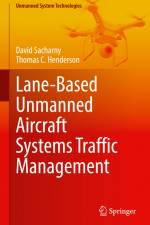
The age of Advanced Air Mobility (AAM) is upon us, and in ushering new ways to connect and travel, this wave of technology has been compared to GPS and cloud computing. However, new technologies like AAM require tools to build, expand, and understand the capabilities. This book describes an effective and efficient, complete solution to the large-scale, unmanned aircraft systems (UAS) traffic management problem. The authors present a detailed perspective and solutions to some of the major problems involved in coordinating thousands of autonomous vehicles including: virtual highway (lane) creation, strategic deconfliction of flights, dynamic deconfliction, UAS agent behavior learning, anomalous trajectory detection and classification, as well as a set of simulation results for a variety of scenarios (city package delivery, earthquake supply delivery, coalition force coordination through the lane reservation system, etc.).
He [Kronecker] was, in fact, attempting to describe and to initiate a new branch of mathematics, which would contain both number theory and alge- braic geometry as special cases.-Andre Weil [62] This book is about mathematics, not the history or philosophy of mathemat- ics. Still, history and philosophy were prominent among my motives for writing it, and historical and philosophical issues will be major factors in determining whether it wins acceptance. Most mathematicians prefer constructive methods. Given two proofs of the same statement, one constructive and the other not, most will prefer the constructive proof. The real philosophical disagreement over the role of con- structions in mathematics is between those-the majority-who believe that to exclude from mathematics all statements that cannot be proved construc- tively would omit far too much, and those of us who believe, on the contrary, that the most interesting parts of mathematics can be dealt with construc- tively, and that the greater rigor and precision of mathematics done in that way adds immensely to its value.
This book provides readers with an introduction to the materials and devices necessary for flexible sensors and electronics, followed by common techniques for fabrication of such devices and system-level integration. Key insights into fabrication and processing will guide readers through the tradeoff choices in designing such platforms. A comprehensive review of two specific, flexible bioelectronic platforms, related to smart bandages for wound monitoring and thread-based diagnostics for wearable health, will demonstrate practical application at the system level. The book also provides a unique electrical engineering perspective by reviewing circuit architectures for low noise signal conditioning of weak signals from sensors,, and for low power analog to digital converters for signal acquisition. To achieve energy autonomy, authors provide several example of CMOS energy harvesting front end circuits and voltage boosters. Beyond circuit architectures, the book also provides a review of the modern theory of sampling and recovery of sparse signals, also known as compressed sensing. They then highlight how these principles can be leveraged for design and implementation of efficient signal acquisition hardware and reliable processing of acquired data for flexible electronic platforms.
This handbook offers a comprehensive examination of wide-ranging issues relevant to adults diagnosed with autism spectrum disorder. Coverage includes a detailed review of such issues as psychiatric comorbidity, family relationships, education, living in different settings (e.g., group homes, community), meaningful and effective interventions, functional goals (e.g., social, language, vocational, and adaptive behaviors), and curriculum. In addition the book provides unique perspectives of parents as well as individuals diagnosed with autism spectrum disorder who have reached adulthood.Key areas of coverage include: Transitioning adults diagnosed with autism spectrum disorder from educational settings to vocational settings. Strategies that can help create independence for adults diagnosed with autism spectrum disorder. Effective approaches to address issues relating to sexuality for adults diagnosed with autism spectrum disorder. The effectiveness of early intensive behavioral intervention to help adults diagnosed with autism spectrum disorder. Handbook of Quality of Life for Individuals with Autism Spectrum Disorder is an essential reference for researchers, professors, and graduate students as well as clinicians, therapists, and related professionals in clinical child and school psychology, social work, behavioral therapy and related disciplines, including clinical medicine, clinical nursing, counseling, speech and language pathology, and special education.
In this book, an international team of leading marine mammal scientists, with a remarkably diverse set of backgrounds and areas of expertise, lead you through a synthesis of current knowledge on baleen whales. Baleen whales are the largest animals ever to have lived on this planet. They also have the lowest and most intense voices on Earth, most likely evolved to take advantage of ocean acoustic transmission conditions so as to be detectable across ocean basins. Some baleen whales can live to be 150-200 years old. They migrate many thousands of kilometers between feeding and breeding areas. They produce songs and calls that serve as behavioral foundations for establishing, maintaining and expanding their cultural identities. To conclude that we know the behavioral limits of these large brained, long-lived animals would be naive. As baleen whale scientists, we are still beginning to comprehend the enormous complexities and natural histories of these remarkable animals.Today, the fact that whales sing is known throughout much of the world. This awareness started 50 years ago with the publication and popularization of a collection of humpback song recordings that motivated research into baleen whale behavioral ethology. In this book's chapters, a reader's experiences will stretch from learning about baleen whale laryngeal anatomy associated with their different voices to learning about the vast ocean areas over which their voices can be heard and the emerging complexities of their culturally defined societies. These are accompanied by chapters on the fundamental ethological contexts of socializing, migrating, and foraging. Two common themes permeate the book. One theme highlights the phenomenal increase in scientific knowledge achieved through technological advancements. The other theme recognizes the impacts of human-made activities on ocean acoustic environments and the resultant influences on the health and survival of individual whales and their populations. Although the book is intentionally ambitious in its scope, as scientists, we fully recognize that baleen whale science is still in its infancy. Many profound revelations await discovery by cohorts of young, multi-talented explorers, some of whom are stretching their wings in this volume and some of whom are reading these scientific stories for the first time.
Near-infrared astronomy has become one of the most rapidly developing branches in modern astrophysics. Innovative observing techniques, near-infrared detectors with quantum efficiencies in excess of 90%, highly specialised instruments as well as advanced data reduction techniques have allowed major breakthroughs in various areas like exoplanets, star-forming regions, the supermassive black hole in the Galactic center, and the high-redshift Universe.In this book, the reader will be introduced to the basic concepts of how to prepare near-infrared observations with maximized scientific return. Equal weight is given to all aspects of the data reduction for both - imaging and spectroscopy. Information is also provided on the state of the art instrumentation available and planned, on detector technology or the physics of the atmosphere, all of which influence the preparation and execution of observations and data reduction techniques. The beginner but also the expert will find a lot of information in compact form which is otherwise widely dispersed across the internet or other sources.
This book introduces readers to the physics governing electron emission under high voltages and temperatures, and highlights recent modeling and numerical developments for describing these phenomena. It begins with a brief introduction, presenting several applications that have driven electron emission research in the last few decades. The authors summarize the most relevant theories including the physics of thermo-field electron emission and the main characteristic parameters. Based on these theories, they subsequently describe numerical multi-physics models and discuss the main findings on the effect of space charges, emitter geometry, pulse duration, etc.Beyond the well-known photoelectric effect, the book reviews recent advanced theories on photon-metal interaction. Distinct phenomena occur when picosecond and femtosecond lasers are used to irradiate a surface. Their consequences on metal electron dynamics and heating are presented and discussed, leading to various emission regimes - in and out of equilibrium. In closing, the book reviews the effects of electron emission on high-voltage operation in vacuum, especially breakdown and conditioning, as the most common examples. The book offers a uniquely valuable resource for graduate and PhD students whose work involves electron emission, high-voltage holding, laser irradiation of surfaces, vacuum or discharge breakdown, but also for academic researchers and professionals in the field of accelerators and solid state physics with an interest in this highly topical area.
Various parallels have been drawn between wolves and humans from the perspective of their social organisation. Therefore, studying wolves may well shed light on the evolutionary origins of complex human cognition and, in particular, on the role that cooperation played in its development. Humans closely share their lives with millions of dogs - the domesticated form of wolves. Biologically, wolves and dogs can be considered to be the same species; yet only dogs are suitable living companions in human homes, highlighting the importance of cognitive and emotional differences between the two forms. The behaviour of wolves and dogs largely depends on the environment the animals grew up and live in. This book reviews more than 50 years of research on the differences and similarities of wolves and dogs. Beyond the socio-ecology, the work explores different theories about when and how the domestication of wolves might have started and which behaviours and cognitive abilities might have changed during this process. Readers will discover how these fascinating animals live with their conspecifics in their social groups, how they approach and solve problems in their daily lives and how they see and interact with their human partners.
This book encompasses diagnostic, treatment and prevention of bad results and complications associated with cleft lip and palate surgery. Illustrated by more than 200 images and based on a 25 years' experience of the editor, the work includes the whole spectrum of complications based on case studies, as well as management and prevention protocols. Divided in nine didactic parts, the chapters present complications related to anesthesia, lip asymmetry, scar disorders, postoperative dehiscence, secondary nose deformities besides dentoeskeletal sequels. Atlas of Non-Desirable Outcomes in Cleft Lip and Palate Surgery will benefit plastic surgeons, pediatric surgeons, otolaryngologists, maxillofacial surgeons, head and neck surgeons, dentists and anesthesiologists.
This book explores the technological developments at various levels of abstraction, of the new paradigm of approximate computing. The authors describe in a single-source the state-of-the-art, covering the entire spectrum of research activities in approximate computing, bridging device, circuit, architecture, and system levels. Content includes tutorials, reviews and surveys of current theoretical/experimental results, design methodologies and applications developed in approximate computing for a wide scope of readership and specialists.Serves as a single-source reference to state-of-the-art of approximate computing;Covers broad range of topics, from circuits to applications;Includes contributions by leading researchers, from academia and industry.
This book aims to comprehensively review the current cell-based strategies under investigation to achieve the regeneration of human hair follicles. The unique capacity of the human hair follicle to self-renew explains why this complex "e;mini-organ"e; has always attracted so much interest as a model for researchers to study stem cell biology and regenerative medicine. The hair follicle is considered a main reservoir of cutaneous stem cells, containing several pools of epithelial, melanocyte, and mesenchymal stem cells involved in hair follicle self-regeneration and pigmentation. In addition, while some of the different follicular cell types contribute to hair shaft growth, others participate in very important interfollicular functions such as dermal remodeling, re-epithelialization after wounding, and cutaneous stem cell homeostasis. The idea of human hair follicle regeneration either "e;de novo"e; or by activating dormant miniaturized follicles is not new, yet still continues to arouse enormous interest in the pursuit of a definitive cure for baldness. In contrast to hair follicle regeneration in mice, the attempts made with human follicles have been disappointing in terms of efficiency. However, recent advances in stem cell biology-as well as the appearance of new technologies like 3D printing-have revived expectations in this field of research. This book is divided into four sections. The first part includes an overview of the strategies used in hair follicle regeneration and a historical summary of the most important achievements to date. Parts two and three comprise the main body of the book, with detailed descriptions of the cells and tissue structures involved in hair follicle regeneration, followed by an elaboration of the different therapeutic strategies, engineering techniques, and a clinician's perspective of stem cell-based therapies in hair loss treatments. Finally, the fourth part reviews the important contribution of the hair follicle in healing cutaneous wounds through the regeneration and remodeling of the dermis and epidermis after injury, as well as wound induced hair follicle neogenesis that occurs when the skin is injured.
This book collects together original research and survey articles highlighting the fertile interdisciplinary applications of convex lattice polytopes in modern mathematics. Covering a diverse range of topics, including algebraic geometry, mirror symmetry, symplectic geometry, discrete geometry, and algebraic combinatorics, the common theme is the study of lattice polytopes. These fascinating combinatorial objects are a cornerstone of toric geometry and continue to find rich and unforeseen applications throughout mathematics. The workshop Interactions with Lattice Polytopes assembled many top researchers at the Otto-von-Guericke-Universitat Magdeburg in 2017 to discuss the role of lattice polytopes in their work, and many of their presented results are collected in this book. Intended to be accessible, these articles are suitable for researchers and graduate students interested in learning about some of the wide-ranging interactions of lattice polytopes in pure mathematics.
The book provides a clear and comprehensive description of both personal and clinical recovery in severe mental disorders, including schizophrenia and related disorders, and mood disorders such as major depression and bipolar disorders. Divided into two main parts: recovery in schizophrenia and related disorders, and recovery in mood disorders, it offers a broad overview of the factors associated with better or worse outcomes in terms of recovery, as well as the rates (how many people affected by mental disorders may gain recovery), and the time course (how long people affected by mental disorders take to recover) of recovery. It also discusses in detail the pharmacological and psychosocial interventions that can be considered recovery-oriented. Covering the main aspects of recovery in major mental disorders, the book is intended for professionals, scholars, students and anyone interested in mental health.
The book examines recent developments in regenerative medicine and the use of musculoskeletal ultrasound. Musculoskeletal regeneration has become a prominent research topic, no doubt due to the sociological and economic pressures imposed by the current ageing population. The ever expanding role of regenerative medicine and the identification as well as characterization of stem cells have introduced a major paradigm shift in the field of musculoskeletal and sports medicine as well as orthopaedic surgery. Whereas in the past, diseased tissue was replaced with allograft material, current trends in research revolve around regenerating damaged tissue.Specifically, regenerative medicine stands in contrast to the standard treatment modalities which impair the body's natural abilities to facilitate endogenous repair mechanisms such as anti-inflammatory drugs; or destructive modalities (e.g., radiotherapy, nerve ablation, injections of botulinum toxin) and surgical interventions that permanently alter the functioning of a joint, bone or spine. When compared to other allopathic options (including knee and hip arthroplasty with a 90-day mortality rate of 0.7%), regenerative medicine treatment modalities have a lower incidence of adverse events with a growing body of statistically significant medical literature illustrating both their safety and efficacy. Focusing on the major values of regenerative medicine, this book with its 21 chapters is expected to fill an important void in the current literature. It will take that extra step to guide you in your day to day clinical practice. Featuring contributions from a large international group of leaders in regenerative medicine and musculoskeletal ultrasonography, this book is an authoritative reference for rheumatologists, physiatrists, sonographers, radiologists, physiotherapists and orthopaedic specialists.
This book presents the development of a gaming quality model to predict the gaming Quality of Experience (QoE) of players that could be used for planning the network service or quality monitoring of cloud gaming services. The author presents a model that is developed following a modular structure approach that keeps the different types of impairments separately. The book shows how such a modular structure allows developing a sustainable model as each component can be updated by advances in that specific research area or technology. The presented gaming quality model takes into account two modules of video quality and input quality. The latter considers the interactivity aspects of gaming. The video quality module offers a series of models that differ depending on the level of access to the video stream information, allowing high flexibility for service providers regarding the positions of measuring points within their system. In summary, the present book focuses on (1) creation of multiple image/video and cloud gaming quality datasets, (2) development of a gaming video classification, and (3) development of a series of gaming QoE models to predict the gaming QoE depending on the level of access to the video stream information.
This volume is devoted to compiling recent advancements, methodological improvements, new processing techniques, integration methods and rigorous applications associated with conceptual techniques on the conservation and monitoring of forest resources for a scientific audience, with a focus on cases and applications in India. The primary objective of the book is to advance the scientific understanding of the recent trends and technological improvements in forest conservation, management and related research themes in forest resources and human-wildlife interactions. The book is organized into five sections: (I) Forest Conservation Ecology (II) Forest Conservation and Society (III) Forest Management (IV) Forest Monitoring using GIS and Remote Sensing and (V) Human Wildlife Conflicts. It covers various research themes related to forestry, wildlife, habitat fragmentation, forest management and human-wildlife conflict research, and therefore will be beneficial to a diverse range of researchers, scientific organizations, wildlife scientists, biologists, ecologists and planners in the fields of wildlife and forestry. The book will further be of use to post-graduates, PhD research scholars, professors, geospatial experts, modellers, foresters, agricultural scientists, biologists, ecologists, environmental consultants and big data compilers.
This edited book presents and discusses theoretical, practical, and research developments in English pronunciation in order to establish evidence-based directions and recommendations for best practices in English speech assessment, research, and training. It features leading pronunciation experts from diverse contexts who share cutting-edge research and valuable insights. The collection consists of six parts. Part 1 introduces the aims, focus, and structure of the book, and describes its intended audience. Part 2 reviews, provides empirical evidence, and offers critical analyses guiding different aspects of English speech assessment. Parts 3 and 4 report empirical findings and research perspectives on the perception and production of English speech. Part 5 shares current practices in phonetic training and their effect on learners and listeners. Part 6 presents theoretical perspectives on the acquisition of phonology in multilinguals.
The cooperative banks' business model is unique in the financial market. It is featured by democratic foundations (one-head-one-vote principle), proximity to the members and the community they serve, limited profit-seeking nature, and prudent management. However, these principles are applied in a variety of organisational structures and economic and regulatory contexts, making cooperative banks significantly different from one country to another. This book expands existing knowledge on the European cooperative banking sector by analysing recent trends affecting cooperative banks. Namely, the book discusses the role of cooperative banks in the policy and societal movement towards sustainability, including in adopting sustainable finance practices. It explores the digital transformation journey of cooperative banks and the impact of the consolidation of Fintech players in the financial services markets. It further showcases the need to evolve the cooperative banks' governance structures and processes in order to foster (and in some cases restore) democracy and transparency in the decision-making. Lastly, the book debates the specific role of cooperative banks in the economic crisis that has followed the unfolding of the Covid-19 pandemic vis-a-vis their members and the communities they serve. Of interest to scholars, professors, students, and practitioners of banking and finance, this book will build on the existing research and explore the latest trends in the space.
Marketing in the emerging Islamic markets is a challenging business function since international companies must contend with unfamiliar customs, cultural differences, and legal challenges. This book provides marketers who want to reach this emerging and very lucrative consumer base with essential, research-based insights on these aspects and how to deal with them.This book redefines marketing practice and conduct and challenges conventional marketing wisdom by introducing a religious-based ethical framework to the practice of marketing. The framework opens a whole new array of marketing opportunities and describes the behavior of the consumer, community, and companies using a different approach than conventional marketing thought.
SoC Physical Design is a comprehensive practical guide for VLSI designers that thoroughly examines and explains the practical physical design flow of system on chip (SoC). The book covers the rationale behind making design decisions on power, performance, and area (PPA) goals for SoC and explains the required design environment algorithms, design flows, constraints, handoff procedures, and design infrastructure requirements in achieving them. The book reveals challenges likely to be faced at each design process and ways to address them in practical design environments. Advanced topics on 3D ICs, EDA trends, and SOC trends are discussed in later chapters. Coverage also includes advanced physical design techniques followed for deep submicron SOC designs. The book provides aspiring VLSI designers, practicing design engineers, and electrical engineering students with a solid background on the complex physical design requirements of SoCs which are required to contribute effectively in design roles.
Abonner på vårt nyhetsbrev og få rabatter og inspirasjon til din neste leseopplevelse.
Ved å abonnere godtar du vår personvernerklæring.