





















Gjør som tusenvis av andre bokelskere
Abonner på vårt nyhetsbrev og få rabatter og inspirasjon til din neste leseopplevelse.
Ved å abonnere godtar du vår personvernerklæring.Du kan når som helst melde deg av våre nyhetsbrev.

This book presents selected, peer-reviewed proceedings of the International Conference on Advanced Mechanical Engineering, Automation and Sustainable Development 2021 (AMAS2021), held in the city of Ha Long, Vietnam, from November 4 to 7, 2021. AMAS2021 is a special meeting of the International Conference on Material, Machines and Methods for Sustainable Development (MMMS), with a strong focus on automation and fostering an overall approach to assist policy makers, industries, and researchers at various levels to position local technological development toward sustainable development. The contributions published in this book stem from a wide spectrum of research, ranging from micro- and nanomaterial design and processing, to special applications in mechanical technology, environmental protection, green development, and climate change mitigation. A large group of contributions selected for these proceedings also focus on modeling and manufacturing of ecomaterials.
This book presents a collection of chapters on modern bioelectrochemistry focusing on new materials for biodevice, bioelectrosynthesis and bioenergy. The chapters cover protein engineering, semiconductors, biorecognition, graphene-based bioelectronics, bioelectrosynthesis, biofuel cells, bioinspired batteries and biophotovoltaics.
This book presents a comprehensive collection of current knowledge and leading research about the blood-brain barrier. The chapters are organized in four main parts providing basic information and novel insights about the physiology of the blood-brain barrier, the challenges related to finding and developing drugs crossing the blood-brain barrier, experimental methods to study the blood-brain barrier and the role of the blood-brain barrier in disease mechanisms and its consequences for drug development. In the first part the readers will discover the structure, function and developmental aspects of the blood-brain barrier and gain novel insights into the complexity and functionality of the neurovascular unit and energy metabolism of brain endothelial cells. Chapters of the second part focus on translational challenges from the bench to the bedside in CNS drug development, shed light on the importance to understand the brain distribution of drugs related to their efficacy, elaborate on general pharmacokinetic considerations for CNS drugs and introduce current and novel drug delivery strategies to overcome the blood-brain barrier. The experimental part of the book covers mathematical and in vitro models as well as animal and human methods in blood-brain barrier research. Specific emphasis is set on the description of the methods, the role of species differences for data interpretation, novel human models based on stem cells with the potential for personalized medicine and technical considerations and tips helpful for readers interested in working with these models. In the fourth part particular attentions is given to the blood-brain barrier, its changes and participation during disease progression. Chapters summarize alterations of the blood-brain barrier that are present in common disorders such as Alzheimer's disease, multiple sclerosis, stroke, traumatic brain injury, epilepsy and brain tumors. Present therapies will be discussed and the consequences for novel treatment approaches that need to bypass the blood-brain-barrier will be explored. In addition, experts discuss the question in how far changes at the blood-brain barrier are causally linked to disease progressions and consequently could serve as therapeutic targets. This collection is designed to appeal to a wide readership from students through basic and applied scientist to pharmacologists, medical doctors and stakeholders from the pharmaceutical industry and regulatory affairs. Due its comprehensive content the book has the potential to become a standard work in the field of blood-brain barrier research.
This book provides an authoritative overview of botulinum neurotoxin (BoNT) treatment menus for 16 pain categories with an evidence-based literature review on each pain disorder, illustrative figures showing anatomy and techniquesIntroductory chapters cover basic information about the mechanism, function and the analgesic effects of the BoNTs based on the data derived from animal studies. Clinical chapters define pain in conditions such as post-herpetic and post-traumatic neuralgias, plantar fasciitis, low back pain, post-surgical pain syndromes and migraine in detail, provide discussion of current modes of treatment and updated information on BoNT therapy. Each chapter also includes illustrative case histories. The new edition is updated with all the new findings since the explosion in research and literature since 2015. New chapters on the history and pain in dentistry round out the update.Botulinum Toxin Treatment of Pain Disorders provides an invaluable resource for clinicians and researchers involved in the treatment of pain disorders including neurologists, pain medicine specialists, anesthesiologists, internists, those conducting research in pharmacology and toxicology as well as students in these areas.
This edited collection provides new perspectives on some metaphysical questions arising in quantum mechanics. These questions have been long-standing and are of continued interest to researchers and graduate students working in physics, philosophy of physics, and metaphysics. It features contributions from a diverse set of researchers, ranging from senior scholars to junior academics, working in varied fields, from physics to philosophy of physics and metaphysics. The contributors reflect on issues about fundamentality (is quantum theory fundamental? If so, what is its fundamental ontology?), ontological dependence (how do ordinary objects exist even if they are not fundamental?), realism (what kind of realism is compatible with quantum theory?), indeterminacy (can the world itself exhibit ontological indeterminacy?). The book contains contributions from both physicists (including Nobel Prize winner Gerard 't Hooft), science communicators and philosophers.
This book gathers the latest advances, innovations, and applications in the field of sustainable territorial development of the Arctic, as presented by international researchers and engineers at the International Scientific Conference Arctic Territorial Development: Challenges & Solutions (ARCTD), held in St. Petersburg, Russia, on September 29-30, 2021. It covers highly diverse topics, including architecture and urban planning in the Far North, engineering, construction and operation of buildings, utilities and transport infrastructure, development and application of energy-saving materials and technologies for construction, fuel and energy complex and utility services, improving the durability and operational reliability of technological machines, economic potential for sustainable development of the Arctic territories. The contributions, which were selected by means of a rigorous international peer-review process, highlight numerous exciting ideas that will spur novel research directions and foster multidisciplinary collaborations.
Innovating in an uncertain and unpredictable environment is becoming the norm for most companies. This book explores how uncertainty can shape product innovation, process innovation, and the new product development process. It does this by covering several areas of research, from the analysis of the entrepreneur as the pinnacle of innovation to the drawbacks associated with the development of new products in conditions of high uncertainty. Literature analysis, case studies, and quantitative analysis are presented to drive the reader through the latest concepts and discoveries available on the scientific literature.
This book reviews the common clinical scenarios that might trigger emergent consultation for neurosurgical intervention, with attention to key components of the clinical interview and exam, optimal diagnostic evaluation, indications for and the goals of operative intervention, perioperative considerations, and strategies for complication mitigation. This is not a surgical atlas, but rather, a road map for the journey to the operating room door. The intent is to establish a systematic, evidence-based action plan for the patient presenting in neurologic crisis. Each chapter opens with a relevant case vignette and then unfolds through uniform sections to tell the story of how one might approach the disease entity in question, from initial request for consultation to definitive management, highlighting steps of the decision-making process: What are the highest yield questions to ask during a focused interview? What are the most pertinent objective exam findings? What is the proper differential diagnosis? What is the most appropriate and efficient plan for diagnostic evaluation - with respect to laboratories and imaging? Does this patient have an indication for emergent or urgent neurosurgical intervention? If so, what is the goal of that intervention? What are the most common potential complications of the proposed procedure, and what steps might be taken to mitigate those risks? Each chapter is punctuated by 3-5 teaching pearls, summarizing these key elements. The overall goal is to create a framework for assessment that might be applied in the emergency department, the trauma bay, or the ICU when a neurologic emergency arises. The scope of the text encompasses not only cranial and spinal trauma, but also entities such as shunt failure, stroke, aneurysmal subarachnoid hemorrhage, pituitary apoplexy, cauda equina syndrome, and central nervous system infection that might require time-sensitive intervention. An additional section addresses issues requiring emergent neurosurgical response in the ICU setting, including sudden neurologic worsening, status epilepticus, and abnormal clotting/ coagulopathy. The text will not only serve as a valuable resource for those preparing to take the oral board exam, but will also provide a targeted refresher for clinicians taking general neurosurgical call in the community as well as an educational reference for mid-level practitioners and those in training who are serving as first responders on behalf of a neurosurgical service.
This book presents a profile of the majority of hot springs in and around tourist destinations in Nepal. In particular, there is a focus on Pokhara, Jumla, the world- famous Annapurna region, Ruby Valley, and Api Nampa Conservation Area. The chapter on health benefits of mineral hot springs provides a history of hot springs supported by a literature review and case study. Further chapters explore the direct uses of geothermal energy for various purposes and power generation, together with a section on conventional hydrothermal resources.This book is of interest to the general public, students, national and international researchers, energy planners, and health professionals. The book is a valuable tool for sociologists who want to gain insight into the cultural and religious aspects of hot water mineral springs.
Over the centuries humans have used essential oils in the most diverse applications, mainly medicinal, and as sources of bioactive molecules. They have been used in different industrial sectors, such as the pharmaceutical and chemical industries, cosmetics and more recently in the food industry. Due to new research in the field of food science and technology, new sources of bioactive compounds have been described, as they have been shown to be a viable alternative for applications in biofilms, nano emulsions, natural antioxidants, control of microorganisms such as fungi, bacteria and protozoa that can be pathological for human health. The use of essential oils in food science and technology is relatively new, with few articles and books in circulation covering new approaches. Essential Oils: Applications and Trends in Food Science and Technology provides relevant information on the applications of essential oils in this sector, bringing a reliable synopsis through literature reviews addressing mainly their use and perspectives and contributing in a systematic way to the dissemination of important knowledge on the use of essential oils in the area of food science and technology. This text presents new information on applications of essential oils in food science and covers Amazonian plants which are rich in essential oils plus new and developing sources of volatile and bioactive molecules. The use of essential oils in agriculture is covered in depth plus encapsulated and nano products used as food preservatives. As the first research work focusing exclusively on essential oils and their use in the food sector, this book can be used as a singular source for researchers seeking up-to-date coverage on this subject of emerging importance.
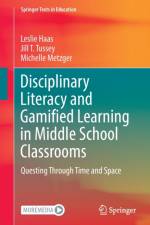
This textbook prepares teachers to incorporate gamified learning experiences into middle school classrooms. Its focus provides concrete examples of how to seamlessly integrate literacy across disciplines in a fun, engaging, and unique way for all learners. Furthermore, this book offers practical information related to pedagogy, content, and differentiation for each lesson. Preservice teachers, practicing teachers, instructional coaches, and administrators can benefit from this user-friendly text and its companion digital components, allowing for replication of lessons based on national standards, backed by best-practices, and supported by differentiated pedagogy.This unique book begins with engineering marvels that span across centuries and locations. The ten chapters, in chronological order, are titled: Acropolis, Petra, Colosseum, Chichen Itza, Moai, Red Square, Taj Mahal, Neuschwanstein, Eiffel Tower, and Sydney Opera House. By focusing on specific examples of human ingenuity, opportunities are created to delve into the historical and social aspects of each chapter's focus. There are also chances to explore the artistic merit and the art created about and around each marvel. Additional teaching moments lie in understanding the science, engineering, technology, and math embedded in all featured marvels. Each chapter offers material lists, resource materials, and visual/graphic images to support understanding. Teaching tips and differentiation strategies are also provided to support novice and career teachers alike.
This book covers about 20 grape species that are vitally important in breeding programs and provide information on approximately 150 of the most familiar grape rootstocks in the world.Today, grape rootstocks play a fundamental role in resistance to biotic and abiotic stresses and adaptation of grapevine to different environmental conditions, a factor that has opened commercial grape growing up to regions that might otherwise be overlooked. Grape rootstocks can be used for adaptation to a variety of soil conditions, including soil texture, depth, nutrient availability, pH, salinity, lime content, water availability (drought), and water drainage. Rootstocks can also be used to shift scion cultivar; the timing of various key phenological events and indirectly affects vineyard design. There are around 1500 grape rootstocks developed in the world, of which around 50 are commonly used as commercial rootstock. North American species account for around 30 species, and two-third of them have already been used for rootstock breeding at one time or another. However, the most commonly available rootstocks are derived from just three American species (V. berlandieri, V. rupestris, and V. riparia). Therefore, the most common grape rootstocks have a narrow genetic base, and efforts to extend the gene pools for breeding programs by using the other species are of ongoing importance to the industry and scientific community.
This book introduces the fundamentals of the theory of quantum computing, illustrated with code samples written in Q#, a quantum-specific programming language, and its related Quantum Development Kit. Quantum computing (QC) is a multidisciplinary field that sits at the intersection of quantum physics, quantum information theory, computer science and mathematics, and which may revolutionize the world of computing and software engineering. The book begins by covering historical aspects of quantum theory and quantum computing, as well as offers a gentle, algebra-based, introduction to quantum mechanics, specifically focusing on concepts essential for the field of quantum programming. Quantum state description, state evolution, quantum measurement and the Bell's theorem are among the topics covered. The readers also get a tour of the features of Q# and familiarize themselves with the QDK. Next, the core QC topics are discussed, complete with the necessary mathematical formalism. This includes the notions of qubit, quantum gates and quantum circuits. In addition to that, the book provides a detailed treatment of a series of important concepts from quantum information theory, in particular entanglement and the no-cloning theorem, followed by discussion about quantum key distribution and its various protocols. Finally, the canon of most important QC algorithms and algorithmic techniques is covered in-depth - from the Deutsch-Jozsa algorithm, through Grover's search, to Quantum Fourier Transform, quantum phase estimation and Shor's algorithm. The book is an accessible introduction into the vibrant and fascinating field of quantum computing, offering a blend of academic diligence with pragmatism that is so central to software development world. All of the discussed theoretical aspects of QC are accompanied by runnable code examples, providing the reader with two different angles - mathematical and programmatic - of looking at the same problem space.
The book rethinks the means of harmonization of prima facie norm conflicts in light of the multitude of international agreements across regimes. The methodology deployed in this book, which is referred to as complementation or complementary application, represents a novel approach by focusing on commonly shared objectives and a unifying ordre public transnational across fields of public international law that allow for a harmonization beyond traditional treaty interpretation. Fields of public international law, mainly the laws of armed conflict, international environmental law, and human rights law, apply simultaneously to questions regarding the environment and war. Such a coexistence challenges the unity of the international legal order, and it also challenges the means of harmonization across fields of public international law. However, eventually, the co-existence of several fields of public international law can result in a refinement of international law and enhanced legal protection. Diversification can also contribute to clarification or normative intensification in areas of parallel application of various fields and multilayered legal protection, demonstrating a counter-option to fragmentation.
This book highlights the importance of non-wood forest products (NWFPs) and their crucial role in sustaining the livelihood of rural and indigenous communities in Asia. The authors depict how the preservation of forests and the associated major non-wood resources may provide an important avenue to reduce poverty. The local practices and knowledge on harvesting NWFPs are often rooted in tradition, and vary from one region to the other. This made it difficult to develop and establish research focus on a greater scale in the past. Readers of this volume will gain an often-missed, broader perspective from these new studies. The authors put a special emphasis on the nexus between conservation and livelihood from an Asian point of view. This addresses a knowledge gap in the current literature and offers important clues on conducting similar research around the world. The volume provides a useful reference guide for the relevant researchers, practitioners and policy makers.
This volume is devoted to various aspects of Alexandrov Geometry for those wishing to get a detailed picture of the advances in the field. It contains enhanced versions of the lecture notes of the two mini-courses plus those of one research talk given at CIMAT.Peter Petersen's part aims at presenting various rigidity results about Alexandrov spaces in a way that facilitates the understanding by a larger audience of geometers of some of the current research in the subject. They contain a brief overview of the fundamental aspects of the theory of Alexandrov spaces with lower curvature bounds, as well as the aforementioned rigidity results with complete proofs.The text from Fernando Galaz-Garcia's minicourse was completed in collaboration with Jesus Nunez-Zimbron. It presents an up-to-date and panoramic view of the topology and geometry of 3-dimensional Alexandrov spaces, including the classification of positively and non-negatively curved spaces and the geometrization theorem. They also present Lie group actions and their topological and equivariant classifications as well as a brief account of results on collapsing Alexandrov spaces.Jesus Nunez-Zimbron's contribution surveys two recent developments in the understanding of the topological and geometric rigidity of singular spaces with curvature bounded below.
This book presents the structure formation and dynamics of animate and inanimate matter on the nanometre scale. This is a new interdisciplinary field known as Meso-Bio-Nano (MBN) science that lies at the intersection of physics, chemistry, biology and material science. Special attention in the book is devoted to investigations of the structure, properties and dynamics of complex MBN systems by means of photonic, electronic, heavy particle and atomic collisions. This includes problems of fusion and fission, fragmentation, surfaces and interfaces, reactivity, nanoscale phase and morphological transitions, irradiation-driven transformations of complex molecular systems, collective electron excitations, radiation damage and biodamage, channeling phenomena and many more. Emphasis in the book is placed on the theoretical and computational physics research advances in these areas and related state-of-the-art experiments. Particular attention in the book is devoted to the utilization of advanced computational techniques and high-performance computing in studies of the dynamics of systems.
With cost-benefit analysis, economic sciences cultivate a specific decision-making procedure, which has also been partially adopted in politics. Although economists do not experience the approach as normative, on closer examination the approach can be identified as an economic ethics. The present philosophical and at the same time transdisciplinary (with special legal and economic components) treatment examines the persuasive power of this approach using climate change as an example, as the most important sustainability issue. The objections raised against the economisation of decision-making with regard to the utilitarian tradition, such as the criticism of the orientation towards weighing up options, the alleged lack of distributive justice or the tendency to describe people in behavioural science as selfish, are hardly or not at all convincing on closer examination. In several respects, however, it turns out that cost-benefit analysis faces insoluble problems. Firstly, the theoretical basis of (hidden normative) cost-benefit analysis in philosophical empiricism does not seem tenable. This means the idea of empiricism that normative questions must be transformed into questions of factual (countable and reproduceable) preferences of people. Secondly, there are massive collisions of cost-benefit analysis with a liberal-democratic constitutional law, whose principles are universal ethical principles. This concerns both freedom rights (which must not depend on the ability of humans to pay) and the model of democracy and respect for the rule of law. Thirdly, insoluble problems of application arise for cost-benefit analyses, which are particularly (but not only) apparent in the context of climate protection, in general considerations as in the case of legislation as well as in individual analyses, as done when constructing a coal-fired power plant. A strongly deflated cost-benefit analysis could nevertheless contribute factual material - such as partial aspects of decision consequences that can actually be depicted in monetary terms - to ethical or legal decision-making processes. In this respect the approach appears helpful and complementary, but not beyond that.
This book explores the application of Soft Systems Methodology in educational research as a qualitative research tool to generate theory, and identifies the mechanisms that engender the behaviours and discourse of social groups. Grounded within the literature from philosophy and science, the approach is predicated on the ontology and epistemology of critical realism. The authors consider the tenets of systems thinking, recognizing that emergent features appear at higher levels of complexity within a hierarchy and that unintended consequences can occur when making decisions in complex situations with interacting components.The central element of the book is the formulation of a research strategy entitled 'Worldview, Metaphor and Power of Social Objects' (Womposo) and its application to a research study of the practicum experience of teachers in training. Integral to the methodology is the creation of rich pictures and diagrams. Additionally, images representing different stakeholders' views of the whole system are presented in revealing illustrations, allowing the reader to grasp each holistic metaphor. It is suitable for postgraduate students and researchers in education and other social science programmes
This book highlights an analytical solution for the dynamics of axially rotating objects. It also presents the theory of gyroscopic effects, explaining their physics and using mathematical models of Euler's form for the motion of movable spinning objects to demonstrate these effects. The major themes and approaches are represented by the spinning disc and the action of the system of interrelated inertial torques generated by the centrifugal and Coriolis forces, as well as the change in the angular momentum. The interrelation of inertial torques is based on the dependency of the angular velocities of the motions of the spinning objects around axes by the principle of mechanical energy conservation. These kinetically interrelated torques constitute the fundamental principles of the mechanical gyroscope theory that can be used for any rotating objects of different designs, like rings, cones, spheres, paraboloids, propellers, etc. Lastly, the mathematical models for the gyroscopic effects are validated by practical tests. The 2nd edition became necessary due to new development and corrections of mathematical expressions: It contains new chapters about the Tippe top inversion and inversion of the spinning object in an orbital flight and the boomerang aerodynamics.
This monograph provides a concise overview of nonlinear internal wave theory. It serves as a self-contained reference for both students of mathematics as well as scientific professionals by presenting the material in two parts, isolating the narrative analysis from the mathematical detail. This unique format allows the text to remain accessible to oceanographers and researchers outside of mathematics by presenting a range of relevant theories on their own terms. Conversely, it enables applied mathematicians to understand how the conversation between mathematics and sciences proceeds in a field that has developed through a combination of the two. In addition, the text is supplemented by hands-on Matlab software, as the book incorporates a collection of working codes that enable readers to reproduce all theoretical figures in the text, with modification potential to fit a range of applications including a number of mini-projects outlined throughout the text.
Unions, Strikes, Shaw: 'The Capitalism of the Proletariat' is the first book to treat Bernard Shaw-socialist, dramatist, public speaker and union member-in relation to unions and strikes. For over half a century he urged workers to join unions, which he called, paradoxically, "e;the Capitalism of the Proletariat,"e; because as capitalists try to get as much labor as possible from workers while paying them as little as possible, unions try to gain as high wages as possible from employers while working as little as possible. He opposed general strikes as destined to fail, since owners can hold out longer than workers, whose unions have less money to support them during strikes. This book offers background on major strikes in and before Shaw's time -including the Colorado Coalfield War and the Dublin Lockout, both in 1913-before analyzing the causes, day-by-day events and consequences of Britain's 1926 General Strike. It begins and ends with examinations of their and Shaw's relevance to actions on unions and strikes in our own time.
This book provides a comprehensive survey of the Sharkovsky ordering, its different aspects and its role in dynamical systems theory and applications. It addresses the coexistence of cycles for continuous interval maps and one-dimensional spaces, combinatorial dynamics on the interval and multidimensional dynamical systems. Also featured is a short chapter of personal remarks by O.M. Sharkovsky on the history of the Sharkovsky ordering, the discovery of which almost 60 years ago led to the inception of combinatorial dynamics. Now one of cornerstones of dynamics, bifurcation theory and chaos theory, the Sharkovsky ordering is an important tool for the investigation of dynamical processes in nature. Assuming only a basic mathematical background, the book will appeal to students, researchers and anyone who is interested in the subject.
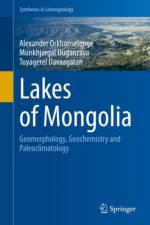
This book provides an overview of lakes in Mongolia from scientific, economic and scenic points of view, presenting lake area changes, their sedimentological and geochemical characteristics, valuable economic and geoheritage resources and paleoclimate change reconstruction. The book emphasizes internationally well-known lakes of Mongolia, but it also describes far less popular lakes which have remained unrecognized for scientific importance. The book offers modern, qualitative, process-oriented approaches and quantitative analytic results-based implications to understand the geomorphological, sedimentological and geochemical evolution of lake basins in Mongolia, and past and present climate changes in Mongolia and Eurasia. Insights into the interpretation of data obtained from the lake basins in the fields of geomorphology, sedimentology, geochemistry, geochronology and paleoclimatology are developed from theoretical principles, empirical observations, correlative illustrations, analytic measurements and conscious hypotheses. Based on the application of a combined compilation of recent Landsat 8 images of the lakes and topographic maps of them in 1970, this book presents enriched results and implications derived from remote sensing together with field measurements and laboratory analyses. This data compilation belongs to a research team at the Laboratory of Geochemistry and Geomorphology (LGG), National University of Mongolia (NUM).
This volume collects papers based on talks given at the conference "e;Geometrias'19: Polyhedra and Beyond"e;, held in the Faculty of Sciences of the University of Porto between September 5-7, 2019 in Portugal. These papers explore the conference's theme from an interdisciplinary standpoint, all the while emphasizing the relevance of polyhedral geometry in contemporary academic research and professional practice. They also investigate how this topic connects to mathematics, art, architecture, computer science, and the science of representation. Polyhedra and Beyond will help inspire scholars, researchers, professionals, and students of any of these disciplines to develop a more thorough understanding of polyhedra.
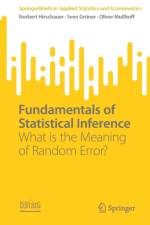
This book provides a coherent description of foundational matters concerning statistical inference and shows how statistics can help us make inductive inferences about a broader context, based only on a limited dataset such as a random sample drawn from a larger population. By relating those basics to the methodological debate about inferential errors associated with p-values and statistical significance testing, readers are provided with a clear grasp of what statistical inference presupposes, and what it can and cannot do. To facilitate intuition, the representations throughout the book are as non-technical as possible.The central inspiration behind the text comes from the scientific debate about good statistical practices and the replication crisis. Calls for statistical reform include an unprecedented methodological warning from the American Statistical Association in 2016, a special issue "e;Statistical Inference in the 21st Century: A World Beyond p < 0.05"e; of The American Statistician in 2019, and a widely supported call to "e;Retire statistical significance"e; in Nature in 2019.The book elucidates the probabilistic foundations and the potential of sample-based inferences, including random data generation, effect size estimation, and the assessment of estimation uncertainty caused by random error. Based on a thorough understanding of those basics, it then describes the p-value concept and the null-hypothesis-significance-testing ritual, and finally points out the ensuing inferential errors. This provides readers with the competence to avoid ill-guided statistical routines and misinterpretations of statistical quantities in the future.Intended for readers with an interest in understanding the role of statistical inference, the book provides a prudent assessment of the knowledge gain that can be obtained from a particular set of data under consideration of the uncertainty caused by random error. More particularly, it offers an accessible resource for graduate students as well as statistical practitioners who have a basic knowledge of statistics. Last but not least, it is aimed at scientists with a genuine methodological interest in the above-mentioned reform debate.
This book presents the latest advances and emerging trends in research and industrial applications in non-destructive testing, manufacturing and process safety and diagnostics and materials science. With technological advances, the modern world is on the verge of a new industrial revolution, being in the stage of digital transformation, when innovations from different industries interpenetrate and complement each other. The School of Non-Destructive Testing, Tomsk Polytechnic University, Russia, promotes scientific research and industrial application of non-destructive testing and materials science technologies and related tests, as well as methods, to ensure safe manufacturing processes.Today, research and technology advancement is driven by innovations, and there is a need for publications to stimulate the formation and continuous training of specialists in non-destructive testing, materials science and safety. This book can be used as a complementary technical document to upgrade the skills of specialists in non-destructive testing, materials science and safety, and as a primary resource for training managers and decision-makers in various industries.Innovations in the fields of non-destructive testing, production and process safety, diagnostics and materials science and books that highlight the best and instructive are central to our technological world.I am pleased to see this comprehensive book taking shape and advancing this field to the next generation of scientists seeking for new research opportunities.
This book explores cutting-edge topics on hydrogen and fuel cell technologies in aviation. Coverage includes comparisons with conventional technologies, hydrogen storage options, energy management strategies, life cycle assessment, and application of fuel cells in different aerial vehicle classes. It also offers insights into recent progress and new technological developments in the field, along with case studies and practical applications. Fuel Cell and Hydrogen Technologies in Aviation is an invaluable guide for students, researchers, and engineers working on sustainable air transportation and the performance and environmental analysis of fuel cell-powered aerial vehicles.
This book on recent research in noncommutative harmonic analysis treats the Lp boundedness of Riesz transforms associated with Markovian semigroups of either Fourier multipliers on non-abelian groups or Schur multipliers. The detailed study of these objects is then continued with a proof of the boundedness of the holomorphic functional calculus for Hodge-Dirac operators, thereby answering a question of Junge, Mei and Parcet, and presenting a new functional analytic approach which makes it possible to further explore the connection with noncommutative geometry. These Lp operations are then shown to yield new examples of quantum compact metric spaces and spectral triples. The theory described in this book has at its foundation one of the great discoveries in analysis of the twentieth century: the continuity of the Hilbert and Riesz transforms on Lp. In the works of Lust-Piquard (1998) and Junge, Mei and Parcet (2018), it became apparent that these Lp operations can be formulated on Lp spaces associated with groups. Continuing these lines of research, the book provides a self-contained introduction to the requisite noncommutative background. Covering an active and exciting topic which has numerous connections with recent developments in noncommutative harmonic analysis, the book will be of interest both to experts in no-commutative Lp spaces and analysts interested in the construction of Riesz transforms and Hodge-Dirac operators.
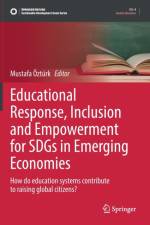
This volume analyzes cases from emerging economies in relation to the global endeavor to promote the vision of sustainable development in all forms of education. It aims to discuss the significance of hearing local voices and understanding local discourse regarding strategies for action for change, and the role of educational systems as a means to communicate, promote and educate for the Sustainable Development Goals (SDGs).In this book, emerging economies are defined as newly industrialized countries that have not yet reached developed status, but have, in a macro-economic sense, outpaced their developing counterparts. In this context, the book highlights how education in emerging economies could extend conventional economic methods to sustainability issues, or depart from money-based calculations and business-dominated values to promotion of real-life considerations and ethical, environmental and humanistic values.With the help of this volume, readers will have a chance to look at educational response, inclusion and empowerment for SDGs in countries with emerging economies, and to grasp the synthesis of Education for Sustainable Development/Global Citizenship Education (ESD/GCE) within the overall national educational systems. This volume focuses on early childhood through upper secondary education.
Abonner på vårt nyhetsbrev og få rabatter og inspirasjon til din neste leseopplevelse.
Ved å abonnere godtar du vår personvernerklæring.