




















Gjør som tusenvis av andre bokelskere
Abonner på vårt nyhetsbrev og få rabatter og inspirasjon til din neste leseopplevelse.
Ved å abonnere godtar du vår personvernerklæring.Du kan når som helst melde deg av våre nyhetsbrev.

This book provides an application of the concepts and recommendations of The Future of Nursing 2020-2030: Charting a Path to Achieve Health Equity Report, a Consensus Study from the US National Academy of Medicine. It offers complementary guidance through tools, tips, examples and storytelling. As such this book, written by prominent international academics and nurse practitioners, offers program and policy recommendations for health equity. As the world¿s largest and most trusted workforce, nurses are in a key position thus must step up to help address these inequities now. The recent pandemic has laid bare these inequities in ways that are stark and demanding of our attention. This book offers program and policy recommendations, along with case studies, designed to empower nurses to understand and ACT to improve health equity. This text provides nurses an opportunity to clearly see the need for an equitable, just, and fair society. There has never been a more urgent call to action.
This enlightening volume examines core areas of development in electric power systems, emphasizing the pivotal contributions of women engineers to the industry¿s evolution. The authors cover a broad spectrum of key topics, including generation technologies, transmission and distribution progress, environmental challenges, worldwide electrification, and workforce issues. Advances in conventional and renewable energy technologies, in parallel with growing environmental concerns, and in conjunction with the aging of both the infrastructure itself and the workforce, have led to imposing and fascinating challenges for the engineers of tomorrow. This book documents the critical role of women engineers and their pioneering discoveries, relates their stories of success and struggle in their own words, and shares their perspectives on how these challenges will be addressed in the decades ahead.
This book provides a fully updated in-depth overview of Cognitive Behavioral Therapy (CBT), which is the most widely-disseminated evidence-based psychotherapy utilized today.The Massachusetts General Hospital Handbook of Cognitive Behavioral Therapy, 2nd edition displays the constantly evolving nature of CBT due to the continuous research trials conducted by clinicians. This second edition presents updated information and literature to reflect the current clinical guidelines based on research studies that have been published in the past few years. Chapters cover applying CBT to common disorders such as depression, obsessive-compulsive disorder, and anxiety disorders, as well as more specialized applications such as schizophrenia. Chapters also provide information on how to tailor CBT for specific populations and in specific settings. The book also features new chapters on the use of technology in treating psychiatric disorders and novel models of care and treatments for psychiatric disorders. The fully updated and expanded second edition of The Massachusetts General Hospital Handbook of Cognitive Behavioral Therapy will continue to be a go-to resource for all psychiatrists, psychologists, social workers, licensed mental health counselors, primary care doctors, graduate students, and psychiatry residents and fellows implementing cognitive behavioral therapy in their clinical practice.
Sequence analyses of numerous fungal genomes over the past two decades have provided us with extensive insights into the phylogenetic relationships of fungi and the distribution of genes and their inferred functions, across the fungal kingdom. It is now possible to answer questions about the origin of the fungal kingdom and fungal evolution with an analytical precision that was not possible before.This fully revised and updated 2nd edition of The Mycota, Vol. 14, addresses major aspects of fungal evolution. The book is divided into four sections covering the following main topics:¿ Evolutionary roots of fungi¿ Evolution of pathogenic strategies¿ Evolution of mutualistic interactions¿ Evolution of metabolism and development in fungiFungi are among the oldest eukaryotic groups in the living world. The aim of this book is to better understand the history and importance of fungi, as well as the characteristics that distinguish them from their sister group, the metazoans, and other fungus-like groups such as the slime molds and oomycetes. Many fungal species are important pathogens of animals and plants and have distinct but parallel pathogenicity strategies. Mutualistic interactions of fungi with other organisms are crucial for their survival in different ecological niches and have a great influence on their evolution and the design of their genomes. Metabolism is one of the most important features of life, and the diversity of metabolic processes is best understood by considering evolution. Studies of fungal metabolism have traditionally focused on metabolites of particular interest, namely mycotoxins, pathogenicity factors, antibiotics, and other compounds with interspecific activity. This volume will be of great interest to mycologists, evolutionary biologists, and fungal geneticists, as well as to lecturers and students of microbiology and mycology.
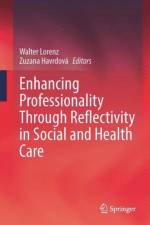
This book discusses complex motivational conditions and strategies on macro, meso, and micro levels promoting reflectivity in interpersonal professional practice. The increasing demands made on practitioners in social and health services, as illustrated by the COVID-19 pandemic, can lead to great uncertainty over how to find "the right response" to complex expressions of need and how to account for ethical professional decisions in view of prevailing strategies of 'risk reduction' and managerial accounting. Reflectivity has been recognised as being of central importance for guiding practitioners towards situationally differentiated and accountable practice. However, it is a complex process made up not only of different psychological components and their interplay with educational and organisational contexts, but also of multilevel interactions and purely situational conditions that can have positive or negative effects. The individual and team reflectivity can be learned and supported through various educational and managerial opportunities, sensitively guided personal and professional experiences and specific patterns of interaction which are reviewed in the book. Reflective supervision in the workplace plays a pivotal role in enabling individual and team reflective processes. However, there are also social and organisational factors that can hinder the development of individual and team reflectivity. The particular value of this publication is that the authors focus on complex research findings from several consecutive studies and critically review and discuss the conditions for reflectivity from various perspectives and with the background of rich academic literature and research. Their research-derived empirical and analytical insights were submitted to managers and educators, and effective and realistic strategies and methods to enhance different levels of reflectivity in students and practitioners were discussed and are summarised in this volume. Among the topics covered: The significance of reflectivity in professional social and health care in relation to changing socio-political contexts Gender aspects of reflectivity in the social and healthcare field Operationalisation of reflectivity for research by personal, team and organisational scales Cultural and communicational patterns of interaction enabling professional reflective processes Enhancing Professionality Through Reflectivity in Social and Health Care is pertinent reading for professors of professional academic training programmes for social workers, nurses, supervisors, trainers in non-formal learning settings, students, and managers of social and health services with an interest in enhancing organisational cultures.
The free market underpins our economy and our way of thinking around enterprise and value, but it is also a major factor in the sustainability problems that we now live with. Climate change, child labour and oil spills are just a few of the many problems associated with our economic activity and, although many companies have made an effort to produce more sustainably, the pace of change is much too slow. This engaging and accessible textbook teaches students the relationship between the economy and sustainability, assessing the hand of the free market on company behaviour and, ultimately, providing a framework for transition to a sustainable economy.Using case studies and optional assessment questions, this textbook explains to students what a market is at the macro level and then translates the effects of the market to industries and subsequently to the strategic choices of companies at the micro level. It adopts a model of 8 guiding principles that underpin the current free market economy and 8 guiding principles for the sustainable market economy. Switching these deeply held principles will be essential to any serious transition to a sustainable economy.
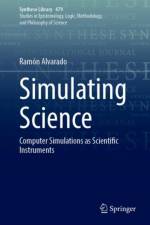
This book provides a philosophical framework to understand computer simulations as scientific instruments. This is in sharp contrast to existing philosophical approaches on the subject, which have historically understood computer simulations as either formal abstractions or as broadly construed empirical practices. In order to make its case, the volume contains a thorough examination of conventional philosophical approaches as well as their respective limitations. Yet, also, unlike other accounts of computer simulations from the perspective of the philosophy of science, this book incorporates insights from the philosophy of technology and the history of science. Hence, the book offers philosophers of science, technologists and other researchers interested in the topic, a thorough overview of the philosophical issues regarding the design, development and deployment of computer simulations in science and science-based policy making.
This book is a manual for self-application of the Attachment-Based Compassion Therapy (ABCT) protocol, that can be either self-applied by any individual in a psychoeducational context or as a support for a therapeutic process guided by a professional. Compassion therapy is a third-generation psychotherapy that has been used in association with mindfulness in recent years. In particular, attachment-based compassion therapy (ABCT) is a protocol that can be used in both the general and psychiatric population with the aim of promoting compassion and self-compassion. ABCT is based on attachment theory and, therefore, includes practices to raise awareness and/or address maladaptive aspects, where appropriate, of the attachment styles developed with parents. This process is taught as a form of both compassion and self-compassion in order to improve present-day interpersonal relationships and well-being in general. In the face-to-face group format, ABCT has been demonstrating efficacy and applicability for healthy people and for the treatment of fibromyalgia, depression, anxiety and adjustment disorders. This book presents a self-applied version of ABCT that operates along the lines of the original model and has been adapted and developed to be fully self-applied via the Internet in 8 sequential modules:Introduction to attachment-based compassion therapyPreparing ourselves for compassion: kind attentionDiscovering our compassionate worldDeveloping our compassionate worldUnderstanding our relationship with compassionWorking on ourselvesUnderstanding the importance of forgivenessConsolidating the practice of compassion The content is presented through texts, pictures, tables and figures, including links to downloadable audio files for formal meditation practices with specific guides and instruction for each meditation. The transcripts to each guided meditation are also included as appendices.
This textbook not only provides the student with a solid foundation in ethics, but introduces students to the most important themes relevant to business today. Issues such as human rights violation down in the supply chain, the effect business has on nature and the environment, and inclusiveness are each discussed in separate chapters, which discuss their importance, but also their challenges. While there are numerous business ethics textbooks, few take a philosophical approach to business ethics. However, without introducing philosophical ethics, discussions about business ethics are bound to get stuck in fallacies and paradoxes. This textbook therefore fills an important societal gap by providing an introduction to profound philosophical issues in clear language at a philosophically high, but accessible level.
The Unseen Leader delivers one simple but immensely powerful point: we need to radically rethink how we discuss leadership.In this book, American historian Martin Gutmann passionately challenges the received wisdom that history's great leaders were individuals with a proclivity for action and brash words. Drawing on extensive historical scholarship and contemporary leadership theory, Gutmann delves into the journeys of four unknown or misunderstood leaders who achieved remarkable successes in vastly different environments¿the Polar North, the deserts of Arabia, the sugar plantations of the Caribbean, and Second World War London. What emerges is an entirely new narrative on leadership. Contrary to the perception of heroic protagonists forging ahead boldly, history's truly great leaders were often precisely those who didn't need to generate excessive noise or activity. Instead, they skillfully minimized dramatic circumstances. Their stories challenge our present-day conception of leadership and can inspire the leaders of tomorrow.
This book is a revision companion for the UEMS breast exam. The contents extract and distil the key messages and facts of the exam-linked textbook, published in 2017, giving self-test opportunities at the last chapter. Each chapter starts by listing the key facts at the start. The chapters have been edited by the exam board in collaboration with most of the authors of the original chapters of key relevance.The book is specifically designed to complement the UEMS breast surgery exam which is held once a year. In addition there are 2 feeder courses for the exam, the EBSQ exam Preparatory Course by the Division of Breast Surgery and the Advanced Course on Breast Cancer by the ESSO, each of which run yearly and several other post graduate courses that could be supported by the book. The book is also of interest to candidates sitting the FRCS exam with a special interest in breast surgery. The last Chapter describes the format of the exams, the scoring system and presents examples of both, the written (MCQ) and the oral examination. The MCQ part contains a questions section with 25 MCQs, including the correct answers at the end. A Clinical Case scenario is also presented with indicative questions similar to those discussed during the oral exam and a list of Academic papers included for discussion in recent oral exams, along with indicative questions is also included.
For many people, thoughts of the United Arab Emirates conjure images of ultramodern skyscrapers and rolling sand dunes. However, the Emirates are a rich mosaic of ecosystems and habitats that support surprisingly diverse communities of organisms, and there is growing awareness of the importance of these previously underappreciated natural assets. A Natural History of the Emirates provides a comprehensive overview of the unusual environmental setting of this young nation, and surveys the major ecosystems and the marine and terrestrial organisms occurring across the nation. From freshwater streams in the hyperarid Hajar Mountains to the world¿s most temperature-tolerant coral reefs, the UAE is home to an astounding variety of uniquely adapted organisms that are providing insights into climate change and how organisms cope with and respond to extreme environmental conditions. The book closes with a section on human interactions with this unique environment, and proposes initiatives to ensure the protection of these unique natural assets into the future. This is an open access book.
This book introduces solutions for sports scheduling problems in a variety of settings. In particular the book covers timetabling, the traveling tournament problem, carryover minimization, breaks minimization, tournament design, tournament planning, and referee assignment. A rich selection of applications to sports such as football, baseball, basketball, cricket or hockey are employed to illustrate the methods and techniques. In a step-by-step tutorial format the book describes the use of graph theory concepts, local search operators and integer programming in the context of sports scheduling.The methods presented in this book are essential to sports scheduling in all its dimensions, from tournaments that are followed by millions of people across the world, with broadcast rights that amount to hundreds of millions of dollars in some competitions, to amateur leagues that require coordination and logistical efforts due to the large number of tournaments and competitors.
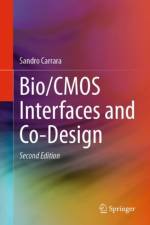
This textbook demonstrates new paradigms for the interface between CMOS circuits and the biological world. A deep theoretical description of such an interface is defined and discussed, while various real applications are demonstrated by also discussing several analog CMOS circuits. Electrochemical techniques are proposed in detail to learn how to design integrated biosensors. Biological materials are described to provide devices selectivity. Nanoscale materials are discussed to provide device sensitivity. CMOS circuits are analyzed to provide real applications. Extensive examples with solutions are provided, as well as exercises at the end of each chapter. This book introduces students to the state-of-the-art in Bio/CMOS interfaces, describing leading-edge research in CMOS design and VLSI development for applications requiring intimate integration of biological molecules onto the chip. It provides multidisciplinary content ranging from biochemistry to CMOS design in order to address Bio/CMOS interface co-design in biosensing applications.
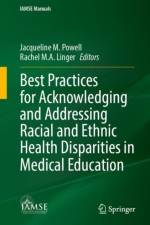
This manual is an instructional guide to provide healthcare educators with best practices for acknowledging and addressing racial and ethnic health disparities (REHD) in medical education. As a collaborative effort written by both medical students and educators, this manual examines the impact of race, racism, and ethnic biases on medical care and health outcomes. This book enables readers to understand and apply key terms encompassing health disparities, bias, and cultural humility as an approach to demystify stereotypes, social assumptions and long-held misperceptions that influence the misuse of race in medical teachings. By examining the construct of race, differences between race-based and race-conscious medicine are distinguished. As such, medical educators will be guided to consider the effects of socioeconomic differences, environmental factors, and institutional racism between population categories with regard to healthcare compliance and outcomes. Supported by evidence-based recommendations, this manual provides medical educators, curriculum managers, and institutions with strategies and checklists to improve their medical curricula to ensure a well-defined understanding of race and ethnicity in medicine. This book serves as a resource for medical educators and students as they aspire to become more culturally competent, equity-minded, and inclusive healthcare professionals.
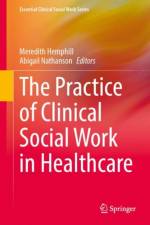
This book examines the complexities of clinical social work practice in healthcare today. It identifies many of the psychological, social, emotional and spiritual aspects of physical illness in adults. The approach draws on theories from trauma, crisis intervention and supportive counseling, as well as empirical literature from other healthcare fields. Recognizing that social work roles in healthcare range from short-term or crisis-oriented interventions to ongoing, depth-oriented relationships, the authors develop clinical assessment and intervention useful for social workers in various healthcare settings. By utilizing a common frame of clinical analysis, social workers can deepen their critical thinking skills in examining the impacts of specific illnesses and injuries on coping and wellbeing. Each chapter includes an analysis of the psychosocial impacts of the given medical condition across the following spectrums: illness or injury (by onset, course, outcome, and degree of incapacitation) relationship between nature of illness, and emotional and psychosocial functioningcommon clinical issues, and impacts of historical and current trauma end-of-life and bereavementsocial justicethe authors¿ reflections on practice The Practice of Clinical Social Work in Healthcare is an essential guide for MSW students and social work professionals in healthcare.
This book examines the nature, prevention, and treatment of violence within families. It reviews the definition of contemporary families, emphasizing various structures, including nuclear families, reconstituted families, gay and lesbian families, and recent immigrant families. In addition, the volume describes the nature of and risk factors for family violence from the perspectives of both victims (e.g., infants, children, seniors) and perpetrators (e.g., adolescent family members, women). It identifies the implications and explores strategies for prevention, treatment, and services. In addition, the volume directly addresses practice and evidence-based interventions for individual perpetrators, family interventions, interventions for victims and systemwide interventions (e.g., those involving the courts, police, and national policy). Chapters review the best available quality evidence from randomized controlled trials, systematic reviews, meta-analyses, research syntheses, and evidence-based recommendations from expert panels and government agencies. Case studies illustrate the application of evidence-based practice to violence within the family to demonstrate the effectiveness of the intervention. Topics featured in this book include:Definition and conceptualization of family.Definition and measurement of as well as risk factors for family violence.Family violence in various traditional and nontraditional families.Prevention strategies as well as Individual and family treatments for perpetrators and victims of family violence.Social policy and legal interventions for family violence. Violence in Families is a must-have resource for researchers, professors, and graduate students as well as clinicians, therapists, and other professionals in developmental psychology, family studies, forensic psychology, criminology/criminal justice, public health, psychotherapy/counseling, psychiatry, social work, educational policy and politics, health psychology, nursing, and behavioral therapy/rehabilitation.
Co-authored by the discoverer of the piezotronic effect, this book is a fundamental and comprehensive survey of piezotronics and piezo-phototronics. Piezotronics is a term broadly applied to devices fabricated using the piezopotential as a ¿gate¿ voltage to tune/control charge carrier transport at a contact or junction. The piezo-phototronic effect describes the use of the piezopotential to control the carrier generation, transport, separation and/or recombination for improving the performance of optoelectronic devices. The book first introduces the theory of the piezotronic effect and its applications in transistors, sensors, and catalysis. Subsequent chapters comprehensively cover the fundamentals of the piezo-phototronic effect and its impacts on photon sensors, solar cells, and LEDs.The updated and significantly expanded second edition covers the most recent advances and breakthroughs in this field over the last decade ¿ gas, chemical, and biological nanosensors; quantum dots, wells, and wires; piezocatalysis; the piezo-photonic effect; and the pyro-phototronic effect. This seminal book serves as a basic text for scientists and students in the field of piezotronic devices and third-generation semiconductors.
The Barnard Objects have fascinated professional and amateur astronomers for over one hundred years. Many of those objects first imaged by E.E. Barnard on black-and-white photographic plates are now being captured daily in thousands of color astrophotographs. This book tells of Barnard¿s story; describing his life and work as well as how the fields of astronomy and astrophotography have transformed ever since.The chapters in this book are equal parts history and science. It will provide readers with an introduction to nebula science and the incredible discoveries made in this field over the decades; including an overview of popular astronomical catalogues and a detailed look at how astronomical imaging has advanced since Barnard¿s time, from early plates to digital imaging and chips. In addition, the book features a comprehensive guide to viewing and imaging these objects yourself. A glossary of astronomical and photographic terms is provided, along with detailed references. And, an updated table displaying the locations of these Barnard Objects; including the missing twenty-five objects from E.E. Barnard¿s original catalogue.Richly researched and illustrated, this fascinating reference will attract astronomers of all skill levels interested in astrophotography and how it has changed over the past hundred years.
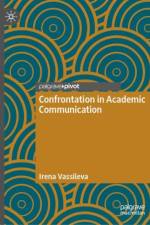
This book examines the argumentation strategies employed by linguists in voicing criticism, looks for explanations for confrontation in academic discourse, and evaluates the positive and/or negative effects it has on international academic communication. Issues such as the role of intertextuality, cross-cultural variations, and the notion of ¿academic discourse community¿ are also touched upon. Special attention is paid to the modern developments in contrastive rhetoric studies, as well as to the controversial issue of the use of context-based versus corpus-based methods. The corpus under investigation consists of academic book reviews in English and German with a clearly stated negative character, as well as a series of publications in English interrelated by the fact that they discuss a common group of problems but from two fully confrontative points of view. They illustrate what has been called an ¿academic war¿. Some related theoretical issues are also discussed, including the role of evaluation in academic communication, the relationship between criticism, critique, negative evaluation, and confrontation in academic communication, as well as the importance of culture, discipline culture, and communities of practice. The contrastive discourse analysis demonstrates differences between English and German in terms of the rhetorical strategies employed by review writers to express criticism. The book will be of interest to researchers in the fields of academic communication and rhetorics, as well as teachers in English/German for academic purposes.
This undergraduate textbook introduces students to the subjects of public administration, government and governance. It provides an accessible and informative overview of the various substantive areas that comprise the study of public administration, drawing on examples and case studies from around the world. The opening chapters outline some of the basics of the political-administrative institutional arrangements for governing. The following chapters introduce students to the fundamentals of public administration. Study questions, supplemental guidance for instructors, and a glossary of terms will be useful for both students and teachers.
The idea for the book emanated from the experience of one of the editors, Dr. Hana Ajouz, who encountered many general surgery residents who were seeking a good ABSITE review book from which to study, and none was found to be truly comprehensive and up-to-date. There is an immense need for a comprehensive yet concise and easy-to-use book that has a clear structure and one that reflects new findings, methods and references that current surgical residents will find to be applicable. The intentional structure of the book is simply this - capture the most pertinent information for each specialty that is on the SCORE® curriculum and frequently asked on the ABSITE exam and present it to the reader in a capsulized, simplified format of charts or tables. Hence, in addition to its study-friendly structure, this review book comprehensively mirrors most contemporary general surgery curricula. It also encompasses key operative steps of wider general surgery procedures, which most review books lack. Moreover, while most ABSITE review books are written by one or a few authors, each chapter in this book is reviewed/authored by someone with expertise in their specialty. This compiles the experience of many authorities into one resource helping general surgery residents stay up-to-date with the most recent and important concepts in the field.
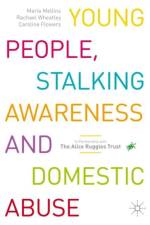
This book addresses domestic abuse and stalking among young people in the UK and Ireland, with a focus on intersectionality and lifestyle settings. In partnership with the Alice Ruggles Trust, this book draws on a wealth of expert contributions including those with lived experience, frontline services such as Paladin National Stalking Advocacy Service, charities EmilyTest and Hollie Gazzard Trust, researchers of so-called honour-based abuse and online harms, and forensic psychologists who work with people who stalk. It begins with an overview of ways to recognise harmful behaviours, including those carried out online. The discussion then moves on to methods and motivations of stalking and coercive control and the various lifestyle contexts including education environments, young people in the workplace, and the role of the police and frontline support services in tackling these issues. It is a vital resource for undergraduate students across criminology, sociology, law, psychology, education, social justice, policing, and forensic psychology, as well as a combination of academic researchers and professionals working within stalking and domestic abuse support and prevention. This action-orientated book also includes 'Key Points' and ¿Discussion Questions¿ in each chapter to direct student learning in the classroom and to create discussion points for wider readers.
This book presents a bold critique of the new racial sensibility that has attained global prominence following the police murder of George Floyd. Through a set of managerial and therapeutic discourses, this new sensibility describes the inner racial life of white subjects, inducing them to adopt a therapeutic attitude toward deeply interiorized white emotions and conflicts. In so doing, the new racial sensibility promises to remake whiteness in the image of the self-aware racial ally. However, such an appeal, it is argued, serves the subtle function of the preservation of white racial dispositions, and the reproduction of the very racism it sets out to transform. Adopting a critical lens derived from Michel Foucault¿s analysis of sexuality, together with an engagement with sociological, psychoanalytic and phenomenological reflections on shame as a racial affect, a critique of white interiority considers alternative frames through which white anti-racist subjection might be imagined.
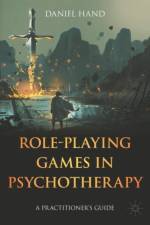
This book offers an accessible, comprehensive resource to practitioners who wish to incorporate RPGs into their client-work. Tabletop role-playing games, RPGs, have long been associated with various unique emotional, cognitive, and social benefits, but only recently has the term 'RPG Therapy' entered into the mental-health lexicon. Presenting simple game- and storytelling mechanics, and demonstrating how they may be utilized in accordance with specific professional modalities, this supportive guide explores every step of the implementation process, from underlying therapeutic principles to initial creative exercises to actual in-session play, and encourages readers to have confidence in their own imaginative abilities. Written for practitioners of all levels of client- and RPG experience, this groundbreaking and authoritative book provides case examples and practical tools, along with pragmatic and straightforward advice on how to implement this exciting new form of intervention.
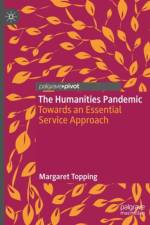
This book explores how the Humanities can play an essential services role in addressing global challenges such as the Covid pandemic. In arguing for their contribution alongside that of the Health Sciences, it calls for a new critical engagement ¿ honest and self-reflective ¿ from Humanities scholars with the question of how to overcome a fundamental challenge facing universities globally: finding a common language and set of ¿cultural¿ assumptions between disciplines as the basis for communication. The book looks at the nature of the challenges that can beset collaboration across disciplines (and indeed across sectors, notably between researchers and the general public) and argues for a new Translational Humanities, in both the sense of an applied Humanities and a Humanities that can translate itself across disciplines and sectors. Crucially, too, it suggests that it is not narratives such as a pandemic novel or contagion film that successfully engage with contentious debates about the challenges of Covid, but rather critically distant texts and thematic contexts that typically place the self in the position of other like travel narratives. This book sits at a previously unconsidered intersection between debates around interdisciplinary collaboration and communication, theories of intercultural contact and encounter, and the role of the Humanities in tackling global issues.
This book discusses theoretical predictions and their comparison with experiments of extended and modified classical and quantum theories of gravity. The goal is to provide a readable access and broad overview over different approaches to the topic to graduate and PhD students as well as to young researchers. The book presents both, theoretical and experimental insights and is structured in three parts. The first addresses the theoretical models beyond special and general relativity such as string theory, Poincare gauge theory and teleparallelism as well as Finsler gravity. In turn, the second part is focused on the observational effects that these models generate, accounting for tests and comparisons which can be made on all possible scales: from the universe as a whole via binary systems, stars, black holes, satellite experiments, down to laboratory experiments at micrometer and smaller scales. The last part of this book is dedicated to quantum systems and gravity, showing tests of classical gravity with quantum systems, and coupling of quantum matter and gravity.
Abonner på vårt nyhetsbrev og få rabatter og inspirasjon til din neste leseopplevelse.
Ved å abonnere godtar du vår personvernerklæring.