










Gjør som tusenvis av andre bokelskere
Abonner på vårt nyhetsbrev og få rabatter og inspirasjon til din neste leseopplevelse.
Ved å abonnere godtar du vår personvernerklæring.Du kan når som helst melde deg av våre nyhetsbrev.

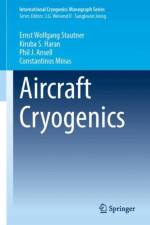
This book gives a step-by-step approach to the design of a cryogenic infrastructure required for superconducting, all-electric aircraft systems which is also partially applicable to liquid hydrogen fueled subsonic and hypersonic aircraft, as well as hybrids. While there is no shortage of publications on hydrogen fueled aircraft, this book puts the past journal literature through a magnifying glass and condenses it into an engineering strategy for the next steps to enable liquid hydrogen storage and distribution in aircraft. Emphasis is placed on tank design, manufacturability, safety features, and minimum tank weight, providing a holistic focus on the logistics of hydrogen management for all major components within the aircraft as well as on future superconducting motor architecture. The intention is to fully exploit the benefits of a liquid hydrogen reservoir without any need for additional cryogenic fluids, with relevance to cooling of various superconducting components e.g., motors and superconducting cables, as well as the heat sinking of power electronics and for fueling the fuel cell stack system. A liquid hydrogen tank hold-time analysis reveals the main governing factors and describes the required efforts for minimizing onboard boil off for aircraft designs with different flight mission duration. This is followed by an outlook showing where cryotankage technology and cryogenic aircraft architecture may move within the next 20 years embedded in a green hydrogen-based economy and how basic research will need to play a major role to help us realizing these future designs by consequently eliminating whitespace within today's technology landscape. This book is also an aircraft engineering resource on composites, hydrogen properties, general aircraft materials and safety.
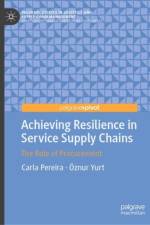
In today¿s increasingly service-oriented global economy, the activities and transactions within and between supply chain members in the service sector have experienced substantial growth. This book addresses the unique challenges faced by service businesses and emphasizing the importance of service supply chain management decisions on competitiveness and performance.By adopting a service supply chain perspective, this book offers valuable insights for defining, designing, and effectively managing service procurement processes for all stakeholders involved, such as service suppliers, service providers, and customers. This inclusive viewpoint ensures a holistic understanding of the entire service supply chain, considering the interconnected relationships and dependencies among its members. By combining scholarly insights, practical examples and guidelines, it will be of great interest to students and academics of supply chain management and procurement, as well as service supply chain managers looking for advanced strategies.
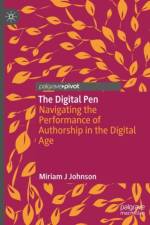
The growth and adoption of social media has significantly impacted the writing and publishing landscape, challenging traditional concepts of authorship and prompting a re-evaluation of how authors present themselves in digitally social spaces. This book explores how authors navigate the performance of their authorship in the digital age, focusing on the development of author identity, its relationship to performance, the value of authenticity, and how authors may self-censor based on who they think their audiences are. Drawing on qualitative surveys and interviews, and quantitative data scraping and mining for sentiment analysis, this research explores how authors project their identities within the consumer's cultural landscape. By investigating the performative nature of authorship in digitally social spaces, this study aims to deepen our understanding of the evolving dynamics between authors, their works, and readers in the digital era.
This edited collection investigates topics related to environmental humanities through their inclusion, exploration, or critique in contemporary video games. It focuses on how video games are a site for creating and interacting within environments, with analysis that showcases how environments are shaped within video games as well as serve as a reflection of our real world. This crossroad between the virtual and the real allows us to consider the ways in which the concepts, theories, and issues facing our real-world environment can be understood and studied through video games, particularly via the power of interactive play to teach. This book looks into how video games might empower their players to make real-world change through their immersive environments. Finally, the volume offers a consideration of ecological crises through an exploration of post-apocalyptic narratives in a wide variety of video games. This close textual analysis of video game narratives and play structures allows insight into how and why such stories were crafted and explores the various intersections between these fictional play environments and the conditions of our real world.
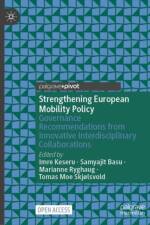
This open access book showcases innovative collaborations between the Social Sciences and Humanities (SSH) and Science, Technology, Engineering, and Mathematics (STEM) disciplines to benefit European mobility policy. Each chapter has been researched by a team encompassing both social and technical expertise. The book presents nine policy recommendations aimed at enhancing mobility and logistics.It will interest anyone involved in researching, developing, implementing, or evaluating mobility and logistics policy at local, national, or international levels. It is also valuable for those seeking to expand the use of interdisciplinary research to achieve sustainability goals.Part of a three-volume collection covering climate, energy, and mobility policy.
This book assesses how digitalization of public organizations affects their bureaucratic structure and features. Drawing on rich ethnographic data from two highly digitalized government agencies in Denmark, it analyses how digitalization both enhances and distorts fundamental characteristics of Weberian bureaucracy, including division of labour, hierarchy, rules and programmability, and bureaucratic discretion. The book also examines the ways in which digitalization influences demands on employees¿ and managers¿ expertise and relationships with other organizational actors, and demonstrates the implications of digitalization for the enactment of public bureaucratic values such as legality, transparency, accountability, and responsiveness. In doing so, it provides an analysis of the opportunities and challenges facing public bureaucracies in the digital age. Above all, the book offers a nuanced understanding of how digital transformation reshapes the public bureaucracy, and thereby one of the foundation stones on which our societies stand.
This book explores the relationship of natural and artificial intelligence in our rapidly evolving world. It does so anchored in an innovative multidisciplinary framework and the premise that society is a composition of multiple dimensions, with individuals (micro), communities (meso), countries (macro) and planet (meta) in the collective sphere, and individuals themselves as multidimensional beings (aspirations, emotions, thoughts, sensations). This perspective is applied to analyze the implications of our transition into a phase where online and offline realms are increasingly intertwined. Special attention is given to the influence of all pervasive technology on our perception of the self and society. The central message is that we must learn to harness Agency amid AI, which entails double literacy ¿ of artificial and natural intelligence.
This book provides fundamental principles, design procedures, and design tools for unmanned aerial vehicles (UAVs) with three sections focusing on vehicle design, autopilot design, and ground system design. The design of manned aircraft and the design of UAVs have some similarities and some differences. They include the design process, constraints (e.g., g-load, pressurization), and UAV main components (autopilot, ground station, communications system, sensors, and payload). A UAV designer must be aware of the latest UAV developments; current technologies; know lessons learned from past failures; and they should appreciate the breadth of UAV design options.The contribution of unmanned aircraft continues to expand every day and over 67 countries are developing and employing UAVs for both military and civil/scientific purposes. A UAV system is much more than a reusable air vehicle or vehicles. UAVs are air vehicles, they fly like airplanes and operate in an airplane environment. They are designed like air vehicles; they have to meet critical air vehicle requirements. A designer needs to know how to integrate complex, multi-disciplinary systems, and to understand the environment, the requirements and the design challenges and this book is an excellent overview of the fundamentals from an engineering perspective.This book is meant to meet the needs of newcomers into the world of UAVs. The materials are intended to provide enough information in each area and illustrate how they all play together to support the design of a complete UAV. Therefore, this book can be used both as a reference for engineers entering the field or as a supplementary text for a UAV design course to provide system-level context for each specialized topic.The second edition is extensively revised. Some of the new terminologies, concepts, and specific unmanned aircraft systems are introduced. The revisions make the book clearer and easier to understand, and will add number of new subjects in areas that have become more prominent in the unmanned aviation world.
This book provides managers and leaders with a conceptual framework for visionary leadership to help them rediscover their vision in a more meaningful way with long-lasting results. It guides managers and leaders through four overlapping phases of the vision development and realization cycle at different levels and during various life stages. It teaches leaders to embrace employees as visionary partners in the journey to build a better organization. The founder-CEO¿s journey to lead a high-growth company begins with the ability to see their role within the company¿and the company itself¿through new lenses. While it requires a CEO to evolve and grow with their company as their plans for the company expand, the visionary should not solely set their sights on new horizons. Their ability to see within their company should become more granular as well. Featuring real-world case examples and chapter summaries with key takeaways, this book allows the business leader to walk themselves through the process of visioning with their team from start to finish. It also allows consultants and coaches to see the full lifecycle of a vision and support the visionary at any level of an organization.
Corporate debt in emerging markets (EMs) has reached historical levels in the post-Covid-19 world. This challenges international lenders (e.g., commercial banks, development finance institutions, and impact investors) and EM economies in their pursuit of economic development. This book builds on the authors¿ first volume by focusing on the role of institutions in the economy, credit markets, and ultimately debt restructuring. The authors identify, contextualize, and evaluate the major challenges confronting restructuring professionals in EMs, offering ¿ten observations¿ on the major differences for the practitioner in the restructuring environment of EMs versus that of advanced economies. The authors present four detailed EM case studies (following these with counterfactuals) reflecting these ten observations. The authors also explore the main elements of an effective EM insolvency framework as relevant to the restructurer¿s choice whether to pursue a formal versus an informal solution. Written for restructuring professionals by restructuring professionals, this book explores the factors which drive success¿or failure¿in EM debt restructuring.
This book offers an examination of an expanding set of options for being Jewish in contemporary American society. It examines the evolution of Jewish identity across five epochs of Jewish civilization as well as the transformation of the American Jewish experience across four centuries. In addition, an institutional history and a geographic, demographic, and religious profile of American Jews are presented, including an outline of contemporary Jewish options to express Jewish identity in twenty-first century America. Readers will gain an understanding of how these options developed via the provision of a socio-historical and a social scientific analysis of each option in one integrated volume. The book also discusses contemporary challenges to the continuity of American Jewish community and identity including the issues of education, interfaith marriage, and philanthropy.
This book provides a collection of chapters that critically explore the making and development of Africäs independence constitutions through the different phases in their full generality. Since independence, various constitutions from African countries have undergone a succession of changes, triggered by either the domestic or international environment or both. These processes constitute autonomous epochal ¿waves¿ or ¿phases¿ of constitution-making which need to be unpacked, historicised and explored in a systematic manner. This work, intended as a distinctive object of positive analysis, historicizes the independence constitutions of selected African states on either a country-specific or a comparative basis. A historical approach to the continental study of constitutions is rare, meaning the continental coverage of the book is justified by Africäs rich diversity reflected in its multiple monarchical and colonial backgrounds. The book is of interest to academics interested in having a panoramic view of Africa's constitutional development from a historical perspective.
This book offers a holistic picture of rogue waves in integrable systems. Rogue waves are a rare but extreme phenomenon that occur most famously in water, but also in other diverse contexts such as plasmas, optical fibers and Bose-Einstein condensates where, despite the seemingly disparate settings, a common theoretical basis exists. This book presents the physical derivations of the underlying integrable nonlinear partial differential equations, derives the explicit and compact rogue wave solutions in these integrable systems, and analyzes rogue wave patterns that arise in these solutions, for many integrable systems and in multiple physical contexts. Striking a balance between theory and experiment, the book also surveys recent experimental insights into rogue waves in water, optical fibers, plasma, and Bose-Einstein condensates. In taking integrable nonlinear wave systems as a starting point, this book will be of interest to a broad cross section of researchers and graduate students in physics and applied mathematics who encounter nonlinear waves.
This graduate textbook on the statistical approach to data science describes the basic ideas, scientific principles and common techniques for the extraction of mathematical models from observed data. Aimed at young scientists, and motivated by their scientific prospects, it provides first principle derivations of various algorithms and procedures, thereby supplying a solid background for their future specialization to diverse fields and applications.The beginning of the book presents the basics of statistical science, with an exposition on linear models. This is followed by an analysis of some numerical aspects and various regularization techniques, including LASSO, which are particularly important for large scale problems. Decision problems are studied both from the classical hypothesis testing perspective and, particularly, from a modern support-vector perspective, in the linear and non-linear context alike. Underlying the book is the Bayesian approach and the Bayesian interpretation of various algorithms and procedures. This is the key to principal components analysis and canonical correlation analysis, which are explained in detail. Following a chapter on nonlinear inference, including material on neural networks, the book concludes with a discussion on time series analysis and estimating their dynamic models.Featuring examples and exercises partially motivated by engineering applications, this book is intended for graduate students in applied mathematics and engineering with a general background in probability and linear algebra.
This book offers unprecedented knowledge about how social work practice education has been restructured under the challenges of the COVID-19 pandemic and how the adaptations and innovations generated during this time have become a supplementary tool of current social work education worldwide. Based on the European research project "SWooPEd ¿ Social Work Practice Education in Times of Pandemics, and Beyond. Continuities, Changes and Innovations in Europe", this contributed volume provides a unique international perspective from different European countries that are accomplished through insights from authors in other continents.The book addresses topics through a 'glocal' approach, using a comparative perspective and a multi-method design. It adopts the IASSW-IFSW "Global Standards for Social Work Education and Training", as well as considers the heterogeneity of national social work education systems in Europe, North America, Africa, and the Asia and Pacific region. The volume's contents are organized in three sections: In Part I, the authors compare the structures and designs of social work practice education programs and the reactions of the schools of social work to the COVID-19-related restrictive measures on a European level. In Part II, the authors provide in-depth analyses on how the pandemic experimentations have been re-adapted and used in some European countries and which innovations and findings were identified that could be integrated now and in the context of other crises. In Part III, the authors contextualize these experiences and display the paths and analyses from schools in non-European countries, as well as finally identify the crucial current challenges and opportunities for social work practice education at a global level.Social Work Practice Education Beyond the Pandemic is a key reference for the global community of social work education including academics, educators, field instructors, practitioners, and students. It provides an inspiring source for all the innovators in the field of higher education in social work and highlights how social work practice education can be designed in a more resilient and sustainable way that directs social work practice education into the future.
This book serves as a clinical guide for the growing number of Advanced Practice Clinicians (APC) who care for stroke patients. It covers the entire spectrum of stroke care: acute, inpatient, and outpatient, as well as fundamental topics like neuroanatomy and radiology. Each chapter succinctly reviews crucial topics designed to guide APCs of any experience level with clinical decision-making. To further enrich the text, we incorporated guidelines, relevant trial data written in plain language, decision-making algorithms, clinical pearls, and case vignettes. Since this is a book for APCs, each chapter is written in a clear, clinically focused manner by an experienced APC with a collaborating physician. We hope this is a helpful resource not only for APCs in neurology but also for those practicing in other specialties, primary care, and students learning about stroke care.
This book assesses to what extent marketisation in Higher Education can be attributed to Neoliberalism. Higher education sectors in many countries have increasingly relied on market mechanisms in their management and functioning, particularly in their provision of education. Many assume that Neoliberalism, with its pursuit of free markets and competition, is the key driver. Neoliberalism continues to be a popular concept to describe the social, political, and economic worlds around us, but there is little consensus on how it should be defined or understood. The book argues that there is a clear scope for the use of Neoliberalism to describe the direction HE is shifting towards, but it is rather inadequate on its own and not applicable in all areas.
This book critically analyzes how European countries manage family-related challenges as they grapple with social and political transformations. It contributes to our understanding of contemporary family issues and serves as a bridge between academic analysis and practical policymaking.In an era marked by dynamic and precarious societal shifts, evolving family structures, and intricate policy landscapes, the imperative to comprehensively examine family life, social risks, and policies becomes increasingly apparent. This contributed volume delves into how changes in family and gender roles, work, and household composition have affected the intricacies of parental leave policies, societal attitudes, and the inherent precarity within family life. The chapters, composed by esteemed authors, provide both a national and a cross-national perspective, offering invaluable insights into the diverse ways families and states navigate the complexities of contemporary society, highlighting the unaddressed vulnerabilities created by existing public policies. The contents explore the nexus of changes in family, policy, and welfare state responsibilities with a focus on: Parental Leave Policies and Effects Lone Parenthood The Effects of Family Policy on Entering and Exiting the Labor Force Changing Attitudes Around Gender Roles and PolicyNavigating Family Policies in Precarious Times guides readers through the complex interplay of familial experiences, social risks, and the multifaceted landscape of family policies across Europe. The book is an indispensable resource for examining policies and challenges encountered by contemporary families for policymakers, scholars, and practitioners. Its focus on Eastern European countries makes it a particularly relevant and engaging resource for students and educators interested in social policy and the complexities of family life in this region. With an interdisciplinary approach to a growing social issue, the book is a valuable resource for researchers in sociology, social work, economics, psychology and political science. It also can be used as a text in undergraduate and graduate courses on family such as Family Studies, Human Behavior & Social Environment, and Social and/or Family Policy courses.
This book offers a collection of papers on focal themes in truth research, including minimalism, pragmatism and pluralism, and philosophical logic. It further provides valuable hindsight with contemporary perspectives on the works of Frege, Wittgenstein, Ramsey, Strawson, and Evans on truth, and it features recent discussions on the role and value of truth in politics and political discourse. The collection is based on groundbreaking presentations hosted by the Virtual International Consortium for Truth Research (VICTR), including talks given at the TRUTH 20/20 conference.The volume features exclusive transcriptions of panel discussions on truth and factuality with Huw Price, Douglas Edwards, Cheryl Misak, and Amie Thomasson, and on truth and polarization with Michael Lynch, Maria Baghramian, and Cailin O¿Connor. It includes the transcript of a televised 1973 conversation between Peter Strawson and Gareth Evans. And the volume features new contributions from established and early career researchers in the field. Anyone interested in the nature and value of truth will find this volume to be indispensable.
This book brings together a diverse range of findings on current and emerging business concerns when the authors were developing a series of 12 working Analytic Research Consortium (ARC) White Papers. It presents several, differently configured scenarios, drawing on cyber as an example; the use and further optimization of estimative/probabilistic language; communicating analytical insights and other findings concerning ¿(un)certainty¿ to decision-maker end-users; and mitigating risk. It also evaluates in detail today¿s rapidly evolving Gen-AI systems and technologies, e.g. those underlying OpenAI¿s ChatGPT and Google¿s Bard/Gemini. This includes their respective value concerning scenario development and other business-relevant methods, tools and techniques, e.g. ¿Red Teaming¿. The topics discussed are assessed using the multi-methodologies of, firstly, ¿Intelligence Engineering¿ (IE) and, secondly, ¿Strategic Options Analysis¿ (SOA). The latter half of the book introduces an alternative scenario planning process, including use of new computer-software and AI tools. In addition to Gen-AI, we identify that the emerging discipline of Causal AI may work better for foresight and scenario activities.The book is a valuable read for a diverse readership from the public and private sectors, spanning government, the military, law enforcement, education, industry, commerce, retail, and enterprises of all sizes. Also, students at business schools and high-level decision-makers, including politicians, military commanders, and C-Suite leaders in various fields, will benefit from it.
This book brings together a collection of essays on the occasion of the fiftieth anniversary of the arrival of the first man on the moon ¿ a time when tourist journeys to the moon, now a real possibility, were no more than a fantasy. Divided into four sections, illustrating different perceptions of the moon, the common aim of the essays in this book is to examine how mankind¿s interest in the moon has been represented in Literature and the Arts, an objective underpinned by the desire to exploit the relationship between the so-called two cultures¿the Humanities and Science¿as C.P. Snow perceived them in his pioneering work (1959). The plethora of ways in which our companion satellite has been portrayed has led the authors of the essays to draw upon research from the history of science as well as from literary, cultural and artistic studies. In addition to analysing the impact on literature and music, of our arrival on the moon, whether real or imaginary, these studies also examine how writers along the centuries have appropriated the moon as a metaphor in order to project latent conflict, criticise the society or politics of their day, reflect upon scientific or technological discoveries or fantasise about journeys, encounters or imaginary realities.
Despite the advances in precision medicine and the progressive tailoring of multimodal therapies, surgery still remains the mainstay treatment in the majority of pediatric solid tumors and plays a key role in the multidisciplinary evaluation and management of pediatric oncology patients. The surgeons will face a variety of challenging situations in many aspects of the treatment of a child with cancer. Whether in the emergency department, evaluating a new patient or in the operating room, a clear and concise decision-making plan needs to be developed to assure optimal care and survival.The Survival Handbook in Pediatric Surgical Oncology is to provide an up-to-dated, portable, easy to read and schematic overview of the main topics of the surgeon's role in pediatric oncology, delivering a quick reference guide especially designed for pediatric surgery residents, fellows and young practitioners.The wide coverage of general aspects of the field, like epidemiology, basic oncology, anesthesia and imaging, will be completed with a detailed but brief analysis of most prevalent solid tumors. Other important topics will also be treated, like oncological emergencies and fertility considerations. The chapters will be in charge of key opinion leaders in every topic, looking to deliver only the crucial information, in order to help in the bedside decision making plan.This handbook will be an important partner for many pediatric surgeons around the world, because in this kind of disease it¿s crucial to act quickly and correctly in order to assure the right diagnosis and start treatment as soon as possible.
This book covers green finance with a focus on the environmental, social, and governance (ESG) consequences of green financing and its role in attaining sustainable development and a carbon-neutral economy. It provides research-based practical solutions for sustainable development, as well as insights from green finance, presenting a framework for studying green finance in the domains of accounting, banking, investing, and insurance. Of interest to academics, investors, and policymakers in green finance and development and alternative financing, the book features a global cast of contributors from both academia and practice.
This book builds on the perspective that, for Indigenous peoples, relations to the land are familial, intimate, intergenerational, spiritual, instructive, and life nourishing, and it is these relations that Western societies sought to destroy as part of their colonial projects of territorial conquest and exploitation of resources. Positioning storytelling as a research methodology and a model of decolonial practice, this edited collection seeks to explore the following key questions: how does Indigenous storytelling contribute to understanding Indigenous identity and the crucial role of the land in Indigenous ways of life? How can Indigenous storytelling subvert colonial narratives of the land? How can Indigenous storytelling contribute to addressing colonial exploitations of the land and its resources? Can Indigenous storytelling become a rich mode for the investigation of current climate crises? And, finally, how does storytelling assist Indigenous peoples in restoring their intimate relations to the land and its natural gifts? Through critical analysis of a unique range of Indigenous storytelling practices, including fiction, performative art, new media platforms, archaeological findings and personal live-experienced stories, this collection aims to examine the interplay between colonialism and current environmental challenges, and to expose the impacts ¿ past, present, and future ¿ of Western worldviews on Indigenous connections to the land, whilst simultaneously bringing to the fore Indigenous ethos of care and land custodianship.
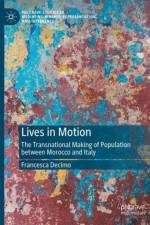
This book focuses on global mobility and the worldwide articulation of family life, understood as dimensions of social change that come off from the private sphere of individuals and reverberate to the point of transforming the composition of national populations. Delving into the interrelation of migration and life courses, the volume investigates how individual mobility paths are intertwined with family matters and the way population movements are embedded in a myriad of intimate and household affairs. The inquiry is based on qualitative data and specifically focused on the migratory flow between Morocco and Italy through an exploration that encompasses a range of interrelated issues such as: transnational marriages, intimacy, love, daily domestic life, the formation of second generations and citizenship. Providing an exhaustive analysis of such phenomena, the book portrays cultural diversity in a nuanced manner and, in so doing, contributes to de-politicize widely stigmatized traits of migrant families.
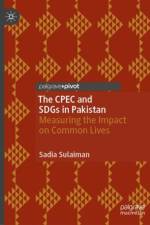
The China-Pakistan-Economic Corridor (CPEC) is the flagship project of Belt and Road Initiative by China. This project has attracted much of the focus and attention owing to its geostrategic significance where it connects China with Pakistan through the strategic port of Gwader and through a network of road and rail connection, henceforth improving Chinäs and Pakistan¿s outreach in the Asian, African and European markets.This study takes a new direction and examines the development of CPEC projects across Pakistan by choosing six projects in both rural and urban areas and their impact on the daily lives of people as reflected in three crucial Sustainable Development Goals (SDGs) encapsulated by the United Nations¿good health and wellbeing, inclusive and equitable quality education, and decent work and economic growth (SDGs 3, 4, and 8, respectively). This is a new approach used to study the impact of the CPEC beyond geopolitics and for the common people in Pakistan who are directly or indirectly affected by various CPEC projects. This is under studied aspect of the literature on CPEC and this monograph adequately fills the gap in literature.The study takes a deep dive into 6 CPEC projects i.e., Sahiwal Coal Power Plant, Orange Line Metro Train, Lahore, Rasahkai Special Economic Zone, Peshawar-D.I.Khan Motorway, Kohala Hydro Power Project and Neelum-Jehlum Power project to understand how these projects have affected the lives of common people through their impact on SDGs 3,4 and 8. For the first time people¿s centric approach has been adopted to evaluate the development impacts of the CPEC.
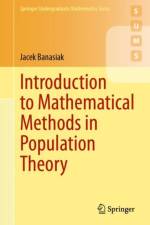
This textbook provides an introduction to the mathematical methods used to analyse deterministic models in life sciences, including population dynamics, epidemiology and ecology. The book covers both discrete and continuous models.The presentation emphasises the solvability of the equations appearing in the mathematical modelling of natural phenomena and, in the absence of solutions, the analysis of their relevant properties. Of particular interest are methods that allow for determining the long-term behaviour of solutions. Thus, the book covers a range of techniques, from the classical Lyapunov theorems and positivity methods based on the Perron-Frobenius theorem, to the more modern monotone dynamical system approach. The book offers a comprehensive presentation of the Lyapunov theory, including the inverse Lyapunov theorems with applications to perturbed equations and Vidyasagar theorem. Furthermore, it provides a coherent presentation of the foundations of the theory of monotone dynamical systems with its applications to epidemiological models. Another feature of the book is the derivation of the McKendrick-von Foerster equation from the discrete Leslie model and the analysis of the long-term behaviour of its solutions.Designed for upper undergraduate courses and beyond, this textbook is written for students and researchers looking to master the mathematics of the tools commonly used to analyse life science models. It therefore goes somewhat deeper into mathematics than typical books at this level but should be accessible to anyone with a good command of calculus with elements of real and complex analysis and linear algebra; the necessary concepts are collected in the appendices.
Abonner på vårt nyhetsbrev og få rabatter og inspirasjon til din neste leseopplevelse.
Ved å abonnere godtar du vår personvernerklæring.