








Gjør som tusenvis av andre bokelskere
Abonner på vårt nyhetsbrev og få rabatter og inspirasjon til din neste leseopplevelse.
Ved å abonnere godtar du vår personvernerklæring.Du kan når som helst melde deg av våre nyhetsbrev.

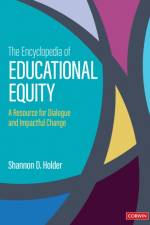
Unlock the language of educational equity to create meaningful change in schools.As educators, professors, policymakers, and advocates work to dismantle systemic barriers and advance equity in education, they must begin with a common understanding of the words that shape their actions. The Encyclopedia of Educational Equity offers over 650 carefully curated terms, concepts, and strategies essential for productive conversations about equity. This powerful tool will provide readers with a deep understanding of fundamental concepts in equity-like "color blindness," "gender expansive," and "meritocracy"-enabling them to identify challenges and craft solutions to improve educational outcomes for all. Key features include: Micro-Checks to reflect and interrogate personal beliefs Equity timeline notes embedded throughout, which provide essential historical context for many terms Supplemental resources including tips for bias-free language, a list of frequently misused terms, critical thinking prompts for professional learning communities (PLCs), and a guide to further reading Evidence-based strategies and best practices for achieving equity in education, interwoven throughout the text Whether you are a novice or a veteran, this encyclopedia is user-friendly and accessible to anyone working toward equity-from educators and students to administrators, researchers, and community advocates.
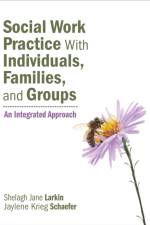
Social Work Practice with Individuals, Families, and Groups: An Integrated Approach serves as a foundational text that supports learners through effective practice with multiple levels of client systems, from the classroom to the profession. Authors Shelagh Jane Larkin and Jaylene Krieg Schaefer have integrated the practicum experience throughout the core chapters, emphasizing its role as the first area of social work practice. Developed with both BSW and foundational MSW programs in mind, this text offers an accessible exploration of social work practice with individuals, families, and groups through diverse case studies and practical examples aligned with the 2022 EPAS core competencies.
Global Strategy is a groundbreaking textbook that redefines the field of global strategy, shifting the focus from scaling established businesses to creating innovative businesses responding to international market needs. It equips future multinational leaders with the tools and insights needed to succeed in the rapidly evolving world of global business.
Social Welfare Policy in a Changing World, Second Edition offers an engaging, accessible approach that links policy and practice, while employing a critical analytic lens to U.S. social welfare policy. With particular attention to disparities based on class, race/ethnicity, ability, sexual orientation and gender, Shannon R. Lane, Elizabeth S. Palley, and Corey S. Shdaimah assess the impact of policies at the micro, meso, and macro levels. The authors provide a brief foundation in history, the policy process, and theory, while primarily helping readers understand how policy shapes their lives, communities, and clients. Connecting description, theoretical analysis, and advocacy, this text challenges learners to critically assess policy development, its consequences, and future implications. Readers will come away with a newfound understanding of how to use the political process to address social justice issues and advocate for meaningful policy change.
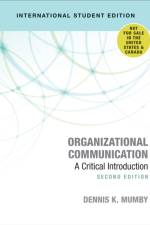
Linking theory with practice, Organizational Communication explores the field historically, conceptually, and practically, guiding students in how they can critically assess their relationships to work, consumption and organizations.
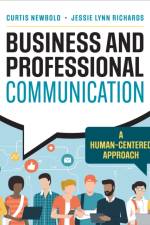
Business and Professional Communication: A Human-Centered Approach prepares students to succeed in today's workplace defined by changing technology, a diversifying workforce, and an increase in remote and hybrid work. Emphasizing accessibility and inclusion, this text encourages students to be more conscientious, purposeful, and ethical in the way they communicate at work and beyond.
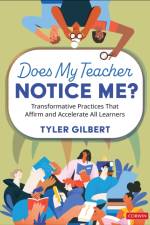
How well do you notice your students?Affirming students' thinking and adapting the learning experience to support and advance their understanding is an act of both expertise and compassion. This is teacher noticing.Does My Teacher Notice Me? emphasizes the often-overlooked skill of teacher noticing: observing or paying attention to students' thinking and following up with appropriate actions to elevate or advance their learning experience or knowledge. By exploring the characteristics and components of expert teacher noticing, this hands-on resource provides guidance for educators seeking to elevate their teaching practice, enhance student engagement, and boost learning outcomes. Inside, yoüll discover How to observe and respond to student needs in the moment Strategies for fostering meaningful conversations with students Learning intentions, success criteria, prompts, templates, and reflection questions that bring the content to life Tips for cultivating compassion in the classroomEffectively noticing is a complex yet essential aspect of teaching expertise. Does My Teacher Notice Me? helps teachers puts students at the center of the learning process. Through this book, teachers will adopt a different way of being present with learners and discover new ways of having more meaningful conversations that lead to student success.
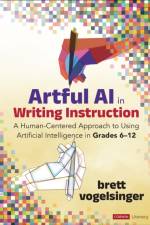
Discover strategies to use AI thoughtfully in every stage of the writing process-without compromising creativity or critical thinkingFeeling conflicted about integrating artificial intelligence (AI) into your writing instruction? You're not alone. In a world where AI-generated text can seem like a writing teacher's enemy, incorporating it into writing instruction may feel like an act of betrayal. The advent of generative AI might feel like "one more thing" eroding students' capacity for deep thinking.Artful AI in Writing Instruction offers strategies and lessons for middle and high school teachers to harness AI in a positive way, integrating it into the writing process and evaluating the ethics of its usage. Written by a full-time high school teacher, Brett Vogelsinger, the book focuses on evergreen principles and ideas rather than specific AI tools, providing concrete steps and lessons that teachers can implement without being technology experts. Acknowledging the varying perspectives of teachers on AI in writing instruction, from skepticism to enthusiasm, Brett offers a human-centered, considered, and ethical approach to using generative AI in the classroom.Demonstrating how AI can be used artfully in the classroom to enhance students¿ writing skills and foster reflection on the writing process, this book Provides standards-aligned lessons that detail how AI can support instruction and assist students at each step of the writing process from prewriting through publishing Emphasizes how to use AI tools to mine authentic human ideas and enhance creativity in the classroom Aims to help teachers build a healthy relationship with AI technology and use it thoughtfully in their writing instruction Includes chapter features such as quotes from esteemed writers, real teacher and student voices, cautionary notes, and "Bot Thoughts" entries of example AI outputArtful AI in Writing Instruction is a book that explores technology with humility, critiquing its drawbacks and harnessing its strengths, in an effort to guide teachers on how to use AI to help students grow their thinking and their skills rather than bypassing that development.
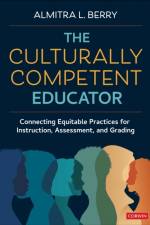
Actionable strategies to support the strengths of every learnerIn The Culturally Competent Educator, Dr. Almitra L. Berry draws on more than three decades of experience to offer educators a roadmap to implementing equitable practices and policies. Rooted in research and practical advice, this book helps educators foster an environment where every student feels valued and respected. By exploring culturally and linguistically affirming approaches to instruction, assessment, and grading, readers will be empowered to break down barriers to student learning and achievement.Key features include Clear explanations of key equity indicators and concepts Practical examples and classroom lesson plans Strategies for improving instructional materials and developing media literacy Tools for self-assessment and reflectionDr. Berry¿s guide emphasizes the importance of engaging in professional learning communities for deeper understanding and support. By working through this book, educators can become equity warriors, transforming their classrooms into places where all students can thrive socially, behaviorally, and academically. This is a must-read for educators, administrators, and anyone committed to creating a more just and inclusive educational environment.
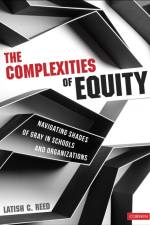
Navigate equity with confidence and clarity.Amid a challenging political climate increasingly seeking to curtail DEI efforts, Latish C. Reed introduces the innovative Equity Empowerment Continuum (EEC), an introspective and systematic approach to understanding and addressing the complexities of equity in any organization. Dr. Reed offers personal insights and practical tools, demonstrating how reflection and careful analysis can lead to action and sustainable equity in schools and other organizations. This essential resource merges theory and practice with a candid perspective on the challenges of dismantling systemic injustice. Each chapter features real-world examples and vignettes that bring theoretical concepts to life, offering relatable scenarios and detailed analyses to propel readers toward equity-focused solutions. Additional features include Reflection Prompts and Worksheets: Access online resources to brainstorm and strategize using the EEC model. Historical and Contemporary Identifiers: Understand equity phases through real-life examples from education and beyond. End-of-Chapter Questions: Facilitate individual or team discussions to reinforce learning and application.The Complexities of Equity is an indispensable guide empowering readers to evaluate personal biases and influence organizational change. This resource supports those committed to fostering equity across every sphere of influence.
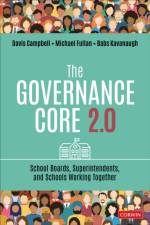
Essential strategies for school trustees and superintendents.Addressing the urgent challenges of school leadership in our divided, post-pandemic landscape, The Governance Core 2.0 is an essential guide for school trustees and superintendents dedicated to making a meaningful difference in their districts. Davis Campbell, Michael Fullan, and Babs Kavanaugh provide useful tools and techniques to improve local governance culture, emphasizing the importance of collaboration between board members, district leaders, and school staff to support the success and wellbeing of every student. This thoroughly updated edition is now structured around three pillars-Governance Mindset, Governance Culture, and Governance Infrastructure-providing a comprehensive framework that addresses the core principles and responsibilities of effective school governance. Additional features include: Practical strategies for fostering collaboration, onboarding new trustees, and leading transformative change in a school district New real-world examples of effective board governance A board planning calendar and self-evaluation tools A new "Suggestions for Implementation" section to support the application of lessons from the bookOffering guidance on developing a shared moral imperative and systems thinking and establishing clear norms and protocols, this book is a necessary resource for both new and experienced trustees, superintendents, and district leaders.
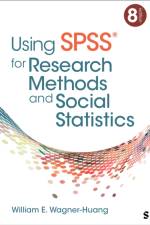
This is the perfect companion for students who are learning to use the SPSS software to interpret and manage data. The Eighth Edition uses version 29 of the software and incorporates results from the 2022 General Social Survey (GSS) as a dataset used in examples throughout the book. In response to user feedback, the author has expanded the sections on ANOVA and chi-square. The GSS datasets and codebooks for use with the text are available on an accompanying website.
Latest edition of the best-selling student introduction to intercultural communication. Global in focus, full of pedagogy and adopted on courses across the world.
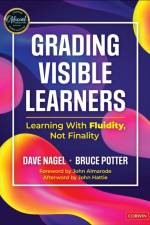
Transform your grading and assessment practices into powerful tools for student success When we implement a grading system that prioritizes completion and compliance and penalizes students who take risks, we disrupt the learning journey--not further it. It′s time to align how we grade with what we know from research works best and help move learning forward for all students. Grading Visible Learners provides educators with practical solutions for improving grading approaches, actions, and practices as well as concrete tools and strategies teachers and collaborative teams can adapt and use in their classrooms and schools right away. Inside you′ll find Traits to promote in students so they can drive their own learning Examples of grading and feedback actions that foster assessment capability in students Tools, templates, and work samples to help you improve your grading practices Guidance on how to promote goal-setting as well as help teachers and students view grades as feedback rather than an ending point in the learning journey Multiple ways for students to show growth and progress In this hands-on guidebook, you will discover how to best impact learning and ensure that grading serves as a constructive tool and conduit to maximizing impact on student learning rather than a hindrance to student success.
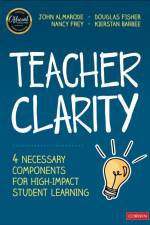
How to Activate and Accelerate Student LearningHave you ever given instructions to your students, only to receive blank stares or confusion? Clarity is an essential part of teaching and learning, and every interaction we have with students is the foundation for moving learning forward-we must make every interaction count.Backed by the latest education research on what really works, Teacher Clarity spotlights the newest and best teaching strategies and explains the importance of clear learning intentions, success criteria, lesson design, progress monitoring, and more. Inside, you'll discover how teacher clarity Helps educators make informed decisions around teaching and learning Demands that educators keep the "big picture" in mind Allows educators to integrate optimal teaching and learning experiences at the right time Tells us what evidence we must generate around teaching and learning and what steps to take nextOrganized around the four critical components of teacher clarity-organization, explanations, examples, and assessments-and filled with samples for all content and grade levels, Teacher Clarity is your essential guidebook for unlocking your learners' potential.
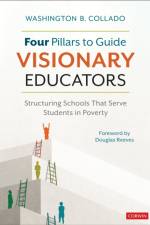
Address the challenges of high-poverty communities with visionary school leadership.In this essential guide for education leaders who aspire to effect meaningful change in the lives of students from high-poverty communities, Washington B. Collado presents four pillars to support education leaders in (1) creating a shared vision and mission, (2) engaging families and communities, (3) maintaining a focus on equity, and (4) developing systems to support students' academic and social-emotional development. Together, these four essential elements provide a coherent and systematic approach to educational excellence for all students, particularly those from low-income families.Refusing to shy away from the challenges within high-poverty schools, Collado combines decades of leadership experience with the latest research on effective interventions for students. Through nine compelling chapters, he presents actionable strategies, key takeaways, and reflection questions for education leaders. Additional features include vignettes showcasing real students and administrators, illustrating the successful implementation of key strategies; activities that encourage leaders to apply the chapter lessons to their specific contexts; and research-based data explicitly detailing the additional obstacles faced by low-income students.Visionary leaders hold a pivotal role in reshaping schools for students in high-poverty communities. By embracing the four pillars outlined in this book, education leaders can foster equitable and supportive learning environments that address the academic and social-emotional needs of their students so that all students can thrive.
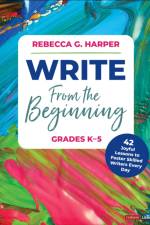
Discover engaging lessons to transform your elementary writing instructionWhile we sometimes perceive that our students aren't "ready to write", [EG1] every student brings literacy experiences from their home and family lives that can be leveraged to create meaningful writing experiences in the first days of school. Write From the Beginning, Grades K-5 empowers educators to cultivate a vibrant writing culture in their classrooms, where students can find their voices and flourish as confident writers.Getting better at any skill requires practice to gain experience. This rich resource offers opportunities for daily writing that easily embed in your ELA block, helping you save on prep time and build your students' literacy foundations. Through a collection of 42 meticulously crafted lessons, Rebecca G. Harper melds standards-based instruction with innovative writing strategies, guiding young learners to explore the art of crafting sentences, storytelling, writing persuasively, and finding their voice as a writer.Designed to engage students in joyful and meaningful writing activities, this book Transforms writing into a real-world activity for students, providing an authentic and relevant view of the complex writing process Offers adaptable lessons that align with developmental stages and instructional goals to meet students where they are in their writing journey Highlights the significance of digital literacy in today¿s world and how it can be incorporated into the classroom Includes student samples, downloadable resources, mentor texts, and lesson plan extensions for easy implementationWith a focus on the characteristics of skilled writing rather than rigid genres, this book is a versatile resource that enriches any curriculum or writing instruction model. Dive into Write From the Beginning, Grades K-5 and watch your students¿ writing skills blossom with creativity and confidence.
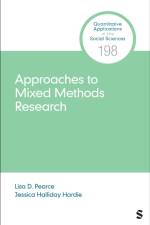
Approaches to Mixed Methods Research shows how social scientists design studies that mix quantitative and qualitative data in ways that lead to a more holistic body of evidence from the research.
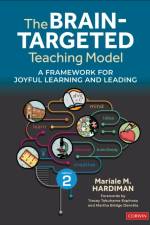
The ultimate guide to creating environments for optimal learningWith all the recent updates and advances in education and the cognitive sciences, it's crucial that we update and advance how we teach. It is time for our practices to reflect a focus on the way people think and learn rather than solely on the product of that learning.This new edition of the bestselling The Brain-Targeted Teaching® (BTT) Model effectively bridges science and practice by providing educators and other professionals with a cohesive, six-step pedagogical framework of effective and practical instruction informed by the latest research. Ideal for any setting where learning is a priority, inside yoüll discover A step-by-step process for designing learning units that integrate the acquisition of content and skills like creative thinking, problem-solving, and real-world applications An in-depth exploration of the vital relationship between mind and body with a special focus on the role of the arts in cognition and learning Work samples, lesson plans, and "expert practitioner" tips from educators and other professionals who have used the BTT model in their classrooms or workspace New chapters on culturally-relevant pedagogy, parenting and homeschooling, technology and virtual reality, and the use of the BTT Model in research studies worldwide.Easily applicable to all age levels and content areas, The Brain-Targeted Teaching Model helps you focus on what is proven to work and provides you with the tools and examples you need to apply it with confidence.
A professional development assessment tool to elevate learning and instruction in every classroomThis unique, hands-on flipbook is designed as a classroom observation tool that redefines RIGOR, with a focus on five key elements, or indicators, that form a framework to promote a rigorous, scaffolded learning environment. Explore the five indicators on a RIGOR Walk to identify teacher strengths and areas for growth, and to set goals: Relationships Instruction Goals Organization RelevanceDeveloped for teachers, teams, instructional coaches, and school leaders, RIGOR Unveiled provides a wealth of support and knowledge for classroom observation and reflection, including: Tabbed sections that describe each of the five indicators to help focus discussion and evaluations Rubrics for evaluation including ratings, evidence, and "My Next Steps" 100+ video spotlights defining key concepts 25 classroom videos showing each of the indicators in action 25 videos of coaches discussing what they observed in each of the classroom videos Sturdy flipbook format for individual and team use and easy writing on the go Spot It Happening feature to calibrate observations as they happenTogether your teaching teams can improve the learning outcomes for students by committing to continuous improvement in their teaching practice. With this book in hand, you'll have everything you need to make it happen.
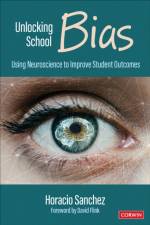
Break through the bias barrierWhat can happen in 200 milliseconds? In a word, everything. In that short time, your subconscious mind has shaped your perceptions and influenced your behaviors. In other words, you have experienced bias-for better or for worse.Unlocking School Bias ends the confusion around bias and provides educators with research and strategies that enable them to effectively address bias in the classroom and school in appropriate and productive ways. Learn to explore your own and your students¿ biases and discover: The latest research from psychology, education, and neuroscience Different types of biases, including confirmation bias and impact bias, and how they manifest themselves in everyday life Practical strategies for educators who are ready to change their and their students¿ actions How patterns in one's environment create biases and affect the brain's developmentImplicit bias occurs subconsciously and so quickly that the conscious brain is unaware that it happened. Yet, with mindful practice and reflection, we can rewrite the automated processes in our brains, stop our subconscious minds from determining our thoughts and behaviors, and help our students feel safe and successful in school.
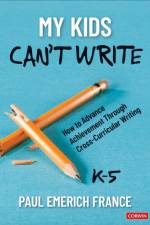
Practical and sustainable writing practice in every classroomTeachers consistently grapple with how to make writing fun and engaging. While long-form writing has its value, research shows that balancing genre-based units with frequent, on-demand writing tasks to help children communicate effectively and reflect on their learning might be the key to success.My Kids Can¿t Write provides sustainable and scalable practices for writing across all content areas and shows teachers how to develop structures and rituals for sustaining a journal-based approach to instruction and assessment in classrooms. Inside, yoüll find Scaffolds and strategies that systematically support students in strengthening their skills while simultaneously writing to learn Ways to embed foundational skills like spelling and grammar to help students become stronger communicators The purpose of cognitive writing and how to properly set up journaling within the classroom Numerous student journal samples and informative vignettesNow is the time to embed writing into all subjects and emphasize accurately interpreting information, effectively communicating needs, and making learning visible to students and educators alike.
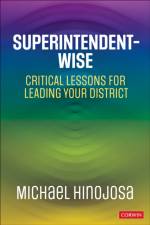
Explore transformative insights from a celebrated educational leader .In Superintendent-Wise, Michael Hinojosa, the acclaimed former superintendent of the Dallas Independent School District, shares invaluable lessons for education leaders in establishing systems that prioritize students¿ health, well-being, and academic success. This engaging and essential guide introduces the Success Triangle-a framework leaders can use to develop essential relationships and effectively manage their time.The book offers actionable strategies for school leaders to collaborate with school boards, recognize and foster excellence among staff, strengthen community relations, build relationships with the media, and implement proven turnaround strategies for struggling schools. Additional features include: "Big Idea" bullet lists capturing each chapter's main takeaways "Reflect and Act" exercises that support the implementation of strategies Quick and practical "Pro Tips" drawn from the author's extensive experienceDr. Hinojosa's decades of experience, pragmatic advice, and unique ability to cut through the noise offer crucial support for both new and current leaders, particularly in urban districts and high-needs communities.
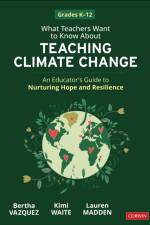
Inspire the next generation to create a sustainable and hopeful futureClimate change is one of the greatest threats humanity has ever faced. The most recent 10 years have been the hottest on record, and the results have been increasingly extreme storms, flooding, and fires around the world. Understanding the causes of climate change and potential solutions is essential learning for students, and is aligned with NGSS standards. A recent report by the North American Association for Environmental Education Research indicates that 74 percent of U.S. teachers and 80 percent of administrators agree that climate change will have an overwhelming impact on students' futures. But according to the same survey of more than 1000 teachers, only 42% say they even mention climate change in the classroom.In an effort to support teachers, Corwin conducted a market survey sent to more than 135,000 educators and school leaders in North America, asking about their concerns regarding teaching climate change. The top three issues reported were concern that the content was not related to their subject (65%), a worry that children were too young or vulnerable for such an upsetting topic (20%), and lack of confidence in their ability to understand and teach the science behind climate change (17%).In response to these concerns, authors Bertha Vazquez, Kimi Waite, and Lauren Madden wrote What Teachers Want to Know About Teaching Climate Change to provide research-based and classroom-tested guidance for K-12 educators to teach climate change accurately, effectively, and confidently. The book gives busy teachers the tools they need to incorporate climate change education across disciplines and align the content with existing standards without adding a new topic for overworked teachers to tackle.Offering a practical roadmap for teachers to integrate climate change lessons into their existing curriculum, this book Includes crowd-sourced tips for reducing our carbon footprint and inspiring success stories from teachers who have effectively taught climate change in their classrooms Focuses on overcoming additional obstacles to teaching climate change, such as lack of data literacy and potential partisan pushback Debunks the 10 most common misconceptions about climate change and encourages critical thinking skills to help students identify misinformation Fosters hope in students by acknowledging their personal agency and encouraging collective and meaningful action that builds community Provides bibliographies of free curriculum, lessons, and other content for teaching climate change across various age groups and disciplinesThis book is an essential resource for educators and leaders inside and outside of the science classroom who want to help their students build a better tomorrow.
Equipping students with the skills needed to do political analysis and critically assess statistical research, this Fifth Edition has been updated with new data sources, coverage of box plots and error bar charts, and looks at visual depictions of variables.
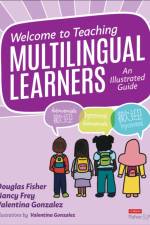
Engage, Empower, Educate: Unleash the Potential of Multilingual LearnersWhat¿s your "why" for being a teacher? Unlike other professionals, teachers often have strong reasons for why they teach and a clear sense of purpose. Acknowledging and understanding this purpose helps educators to not just do what they do but do it well.This illustrated guide was designed for all classroom teachers to emphasize the unique challenges and opportunities that arise in multilingual learner education. Using Simon Sinek¿s Golden Circle theory to understand and elevate that sense of purpose, the book is organized into three parts: the why, the how, and the what of teaching multilingual learners. You will learn The benefits and goals of a multilingual education How to design learning experiences for multilingual learners and how to respond when students are not learning Culturally inclusive pedagogy and how it positively supports the identities of your students How to foster oral language skills, build vocabulary, and increase students' word knowledge How to engage families and caregivers and create a sense of belonging in your classroom And so much more!With a clear understanding of the research-based tools, techniques, and instructional strategies described and illustrated in the book, a solid sense of purpose, and a dash of grace for you and your multilingual learners, you will be well on your way to creating productive and positive learning opportunities that meet the best interests of all students, families, educators, and the community.
Foster a culture of student achievement through authentic relationships and student leadershipExpanding her groundbreaking study on Warm Demander pedagogy, Franita Ware offers educators a framework for restoring their ideals about teaching and creating more rewarding and engaging learning experiences. Beginning with a deep dive into Radical Self-Care, the author addresses the harmful effects of stress on teachers and students.Subsequent chapters instruct educators on how to start their journey to become Warm Demander Teachers. Exposing the challenges that educators face, the author encourages them to develop healthy identities for themselves. From there, Ware lays out a path toward collective healing from the harms of an inequitable education system, systemic racism, and intersecting systems of oppression. Engaging and eye opening throughout, Ware provides: Reflection-practice activities in every chapter Guidance for facilitators to support shared learning Real-world examples from Warm Demander TeachersWarm Demander Teachers presents a new perspective and framework for promoting culturally responsive practices: fundamentally, high expectations for students are grounded in trusted, supportive relationships, and instructional strategies highlight culturally responsive inquiry and positive student learner identities. Ware's insightful delivery provides the necessary support for educators to become healthy, whole, and transformational.
Abonner på vårt nyhetsbrev og få rabatter og inspirasjon til din neste leseopplevelse.
Ved å abonnere godtar du vår personvernerklæring.