






Gjør som tusenvis av andre bokelskere
Abonner på vårt nyhetsbrev og få rabatter og inspirasjon til din neste leseopplevelse.
Ved å abonnere godtar du vår personvernerklæring.Du kan når som helst melde deg av våre nyhetsbrev.

Journalism permeates our lives and shapes our thoughts in ways that we have long taken for granted. Whether it is National Public Radio in the morning or the lead story on the Today show, the morning newspaper headlines, up-to-the-minute Internet news, grocery store tabloids, Time magazine in our mailbox, or the nightly news on television, journalism pervades our lives. The Encyclopedia of Journalism covers all significant dimensions of journalism, such as print, broadcast, and Internet journalism; U.S. and international perspectives; and history, technology, legal issues and court cases, ownership, and economics. The encyclopedia will consist of approximately 500 signed entries from scholars, experts, and journalists, under the direction of lead editor Gregory Borchard of University of Nevada, Las Vegas.
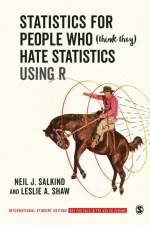
Statistics for People Who (Think They) Hate Statistics Using R with new co-author Leslie A. Shaw carries forward Neil J. Salkind’s signature humorous, personable, and informative approach, providing a grounding in statistical basics, R computing and the application of statistics to research studies.
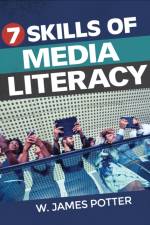
Seven Skills of Media Literacy 1st Edition supplements W. James Potter's core text, Media Literacy 9th Edition. Seven Skills will go into depth about how to teach the seven skills that will help improve student's media literacy in their everyday lives. Potter offers practical guidance and exercises, with each chapter of the book addressing one skill.
Getting Real About Inequality is a contributed reader that gives instructors a set of materials to help them moderate civil, productive, and social science-based discussions with their students about social statuses and identities. It is organized around myths and stereotypes that students might already believe or be familiar with, and employs an intersectional perspective to underscore the nuanced mechanisms of power and inequality that are often lost in everyday discourse.
This text introduces students to the study of law from a sociological perspective by focusing on four themes: the relationship between law and society; law in everyday life; the role of race, class and gender in the legal system; and current political debates that are connected to law.
The Seventh Edition of James S. Nairneâ¿s best-selling Psychology effectively employs learning science pedagogy to ensure comprehension and retention. The bookâ¿s framework applies the scientific process to examine common human problems, helping students step-by-step to see when, why, and how psychological phenomena connect to their own experiences.
This volume of The ANNALS examines the contributions and limitations of scientific research on legacies of racial violence and suggests implications for policy, practice, and other forms of intervention aimed at redress.
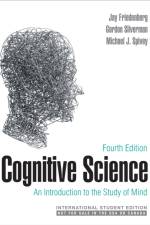
Cognitive Science provides a comprehensive and up-to-date introduction to the study of the mind. The authors examine the mind from the perspective of different fields, including philosophy, psychology, neuroscience, networks, evolution, emotional and social cognition, linguistics, artificial intelligence, robotics, and the new framework of embodied cognition. Each chapter focuses on a particular disciplinary approach and explores methodologies, theories, and empirical findings. Substantially updated with new and expanded content, the Fourth Edition reflects the latest research in this rapidly evolving field.
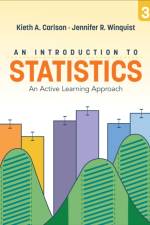
This updated and reorganized Third Edition of this textbook takes a workbook-style approach that encourages an active approach to learning statistics. Carefully placed reading questions throughout each chapter allow students to apply their knowledge right away.
This lab manual serves as an additional resource for students and instructors in a research methods, statistics, or combined course where classroom and/or laboratory exercises are conducted.
Examines issues of women and leadership from an interdisciplinary perspective. Profiles and examples highlight a diverse array of female leaders.
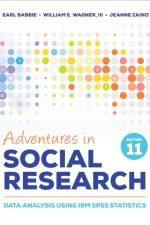
A practical, accessible guide for using software while doing data analysis in the social sciences, students can learn SPSS on their own, allowing instructors to focus on the concepts and calculations in their lectures, rather than SPSS tutorials.
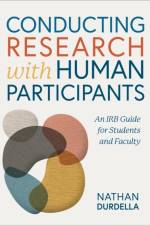
Conducting Research with Human Participants is the only guidebook readers will need to navigate the IRB process and secure swift approval of research protocols. This text walks readers through the history of IRBs, strategies for drafting and revising protocols, and guidance on working with an approved protocol in the field.
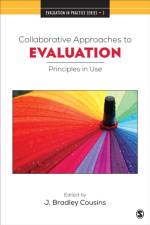
Outlining the principles J. Bradley Cousins and colleagues developed to guide collaborative approaches in evaluation, this text provides case studies for how these principles have then been applied in practice.
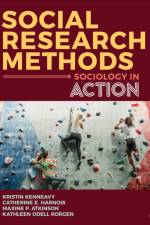
Featuring a unique pedagogical framework, Social Research Methods: Sociology in Action provides all the elements required to create an active learning experience for this course. Students learn about quantitative and qualitative methods through a series of thoughtful learning exercises, discussion questions, and real-world examples of social researchers in action.
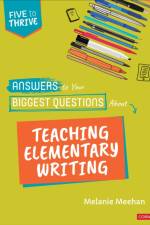
Promote Authentic Writing Through Student-Centered InstructionStudent-centered, responsive instruction helps build authentic writing opportunities while allowing room for choice and creativity. Part of the Five-to-Thrive series, this book serves as a go-to desk companion designed to meet you at the moment you need answers. The just-in-time approach makes accessible Practical teaching strategies on essential topics, such as building a classroom community of writers, deciding on instructional approaches, and using assessment to inform instruction Online printables for planning and in-class note-taking Suggestions for seminal readings and resources to go deeper into each topic area Classroom examples, strategies, and tips to put into practice right away
David A. Sousa continues his tradition of translating new neuroscience findings into effective classroom strategies and activities in this updated version of his bestselling text.
The only introductory core text for crime analysis, this must-have resource presents readers with opportunities to apply theory, research methods, and statistics to careers that support and enhance the effectiveness of modern policing.
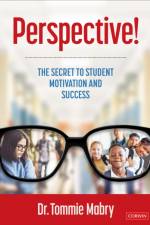
Jumpstart Motivation with a Shift in Perspective.Motivational speaker Tommie Mabry builds from personal experiences as a child labeled ¿at risk¿ to promote empathy and understanding in motivating the success of youth. Written in a clear style, this practical guide leads educators through shifting student perspectives on the value and benefits of formal schooling. The key to motivation is a holistic construct encompassing mindset, emotions, effort, and outcomes. Layered with effective methodologies, chapters address critical topics important to this view of perspective, including extensive information on Building positive relationships Drawing on educators¿ empathic capacity Engendering trust Practicing culturally responsive teaching Igniting students¿ passions
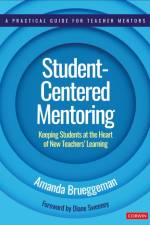
Enhance Student Growth through Actionable Mentoring MovesMentor relationships should focus on student growth and provide novice teachers with instructional support to impact student learning. Amanda Brueggeman brings this focus to life by presenting mentorship strategies for any induction context, all through the prism of orienting mentor conversations around student learning. Mentors will learn how to develop a student-centered approach, promote collective efficacy, engage in reflective coaching conversations, and prevent new teacher burnout using the following resources Actionable strategies for mentoring using a student-centered lens Detailed anecdotes and examples Comprehensive ancillary materials, including professional development support for starting a mentoring program and online tools to help train mentors
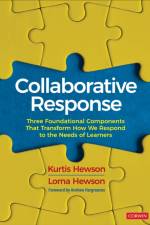
A school-wide model for addressing individual needsThe greatest goal of education is to ensure equity while enhancing learning and academic success for all students. And yet, it is impossible for one teacher to meet the extensive needs of all students in his or her classroom. The traditional schooling model cannot provide for this complexity and leaves educators perplexed. The solution is a collaborative approach where ¿every child deserves a team¿ to surround them with supports that recognize their strengths and challenges.Collaborative Response offers a school-wide model for addressing students¿ individual needs. The three fundamental components of the model are: collaborative structures and processes; data and evidence; and continuum of supports. In this book, readers will find: Entry points for beginning this work Potential pitfalls of the approach Case studies from schools that have adopted the model Access to a website with tools, templates, case studies, and moreWith a focus on quality classroom instruction, this book shares examples from schools and districts that have transformed how they respond to the needs of all learners.
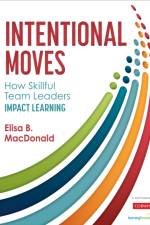
For maximum impact, let intention drive your actionsLeading a team means more than running meetings. It¿s leading collaborative learning for continuous improvement. Like effective teachers in the classroom, skillful team leaders decide what they are aiming to achieve and make small, intentional moves to produce powerful learning outcomes for teachers and students. In this long-awaited follow-up to her best-selling book, The Skillful Team Leader, acclaimed educator Elisa MacDonald presents nearly 150 effective moves, organized by intention, for any educator who leads a team.In this book, yoüll find strategies to lead with purpose and direction, including how to: foster an inclusive environment and strengthen team trust interrupt bias and cultivate diverse perspectives navigate resistance and manage conflict facilitate data analysis lead peer observation assess your team¿s collaborationand so much more!Written in a practitioner-friendly format with a light tone and relatable stories, this is a must-have book for all team leaders and those who support them in your school.
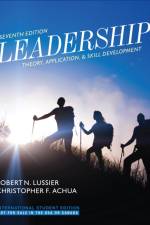
Using current examples and step-by-step behavioral models, the Seventh Edition of Leadership: Theory, Application, and Skill Development equips your students with the leadership skills they need to thrive in today¿s business world.
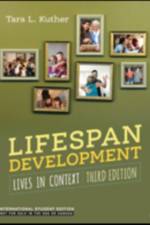
Taking a chronological approach, Lifespan Development: Lives in Context, Third Edition follows three core themes: the centrality of context, the importance of research, and the applied value of developmental science. Dr. Kuther¿s clear, concise narrative guides students through current and classic studies and foundational theories while exploring real-world connections and culturally diverse perspectives. Case studies, policy applications, and other examples are accompanied by opportunities for personal reflection to help students carry these discoveries into their own lives and future careers.
Abonner på vårt nyhetsbrev og få rabatter og inspirasjon til din neste leseopplevelse.
Ved å abonnere godtar du vår personvernerklæring.