
Gjør som tusenvis av andre bokelskere
Abonner på vårt nyhetsbrev og få rabatter og inspirasjon til din neste leseopplevelse.
Ved å abonnere godtar du vår personvernerklæring.Du kan når som helst melde deg av våre nyhetsbrev.

The War Diaries for the Great War, held under WO95, represent one of the most popular record collections held at the National Archives, Kew, London. For researchers and family historians, the War Diaries contain a wealth of information of far greater interest than the army could ever have predicted. They provide unrivalled insight into daily events on the front line and are packed with fascinating detail. They contain no modern editing, opinions or poorly judged comments, just the war day by day, written by the men who fought this 'War to end all Wars. They are without question, the most important source of information available on the war on the Western Front.Full colour facsimile of each page with specially created chronological index.What is a War Diary?The headquarters of each unit and formation of the British Army in the field was ordered to maintain a record of its location, movements and activities. For the most part, these details were recorded on a standard army form headed 'War diary or intelligence summary'.What details are given?Details given vary greatly, depending on the nature of the unit, what it was doing and, to some extent, the style of the man writing it. The entries vary from very simple and repetitive statements like 'Training' up to many pages of description when a unit was in battle. Production of the diary was the responsibility of the Adjutant of the headquarters concerned.Is there any other information or documents with the diaries?Some diaries have other documentation attached, such as maps, operational orders and after-action reports.
The War Diaries for the Great War, held under WO95, represent one of the most popular record collections held at the National Archives, Kew, London. For researchers and family historians, the War Diaries contain a wealth of information of far greater interest than the army could ever have predicted. They provide unrivalled insight into daily events on the front line and are packed with fascinating detail. They contain no modern editing, opinions or poorly judged comments, just the war day by day, written by the men who fought this 'War to end all Wars. They are without question, the most important source of information available on the war on the Western Front.Full colour facsimile of each page with specially created chronological index.What is a War Diary?The headquarters of each unit and formation of the British Army in the field was ordered to maintain a record of its location, movements and activities. For the most part, these details were recorded on a standard army form headed 'War diary or intelligence summary'.What details are given?Details given vary greatly, depending on the nature of the unit, what it was doing and, to some extent, the style of the man writing it. The entries vary from very simple and repetitive statements like 'Training' up to many pages of description when a unit was in battle. Production of the diary was the responsibility of the Adjutant of the headquarters concerned.Is there any other information or documents with the diaries?Some diaries have other documentation attached, such as maps, operational orders and after-action reports.
The War Diaries for the Great War, held under WO95, represent one of the most popular record collections held at the National Archives, Kew, London. For researchers and family historians, the War Diaries contain a wealth of information of far greater interest than the army could ever have predicted. They provide unrivalled insight into daily events on the front line and are packed with fascinating detail. They contain no modern editing, opinions or poorly judged comments, just the war day by day, written by the men who fought this 'War to end all Wars. They are without question, the most important source of information available on the war on the Western Front.Full colour facsimile of each page with specially created chronological index.What is a War Diary?The headquarters of each unit and formation of the British Army in the field was ordered to maintain a record of its location, movements and activities. For the most part, these details were recorded on a standard army form headed 'War diary or intelligence summary'.What details are given?Details given vary greatly, depending on the nature of the unit, what it was doing and, to some extent, the style of the man writing it. The entries vary from very simple and repetitive statements like 'Training' up to many pages of description when a unit was in battle. Production of the diary was the responsibility of the Adjutant of the headquarters concerned.Is there any other information or documents with the diaries?Some diaries have other documentation attached, such as maps, operational orders and after-action reports.
The War Diaries for the Great War, held under WO95, represent one of the most popular record collections held at the National Archives, Kew, London. For researchers and family historians, the War Diaries contain a wealth of information of far greater interest than the army could ever have predicted. They provide unrivalled insight into daily events on the front line and are packed with fascinating detail. They contain no modern editing, opinions or poorly judged comments, just the war day by day, written by the men who fought this 'War to end all Wars. They are without question, the most important source of information available on the war on the Western Front.Full colour facsimile of each page with specially created chronological index.What is a War Diary?The headquarters of each unit and formation of the British Army in the field was ordered to maintain a record of its location, movements and activities. For the most part, these details were recorded on a standard army form headed 'War diary or intelligence summary'.What details are given?Details given vary greatly, depending on the nature of the unit, what it was doing and, to some extent, the style of the man writing it. The entries vary from very simple and repetitive statements like 'Training' up to many pages of description when a unit was in battle. Production of the diary was the responsibility of the Adjutant of the headquarters concerned.Is there any other information or documents with the diaries?Some diaries have other documentation attached, such as maps, operational orders and after-action reports.
The War Diaries for the Great War, held under WO95, represent one of the most popular record collections held at the National Archives, Kew, London. For researchers and family historians, the War Diaries contain a wealth of information of far greater interest than the army could ever have predicted. They provide unrivalled insight into daily events on the front line and are packed with fascinating detail. They contain no modern editing, opinions or poorly judged comments, just the war day by day, written by the men who fought this 'War to end all Wars. They are without question, the most important source of information available on the war on the Western Front. Full colour facsimile of each page with specially created chronological index. What is a War Diary? The headquarters of each unit and formation of the British Army in the field was ordered to maintain a record of its location, movements and activities. For the most part, these details were recorded on a standard army form headed 'War diary or intelligence summary'. What details are given? Details given vary greatly, depending on the nature of the unit, what it was doing and, to some extent, the style of the man writing it. The entries vary from very simple and repetitive statements like 'Training' up to many pages of description when a unit was in battle. Production of the diary was the responsibility of the Adjutant of the headquarters concerned. Is there any other information or documents with the diaries? Some diaries have other documentation attached, such as maps, operational orders and after-action reports.
The War Diaries for the Great War, held under WO95, represent one of the most popular record collections held at the National Archives, Kew, London. For researchers and family historians, the War Diaries contain a wealth of information of far greater interest than the army could ever have predicted. They provide unrivalled insight into daily events on the front line and are packed with fascinating detail. They contain no modern editing, opinions or poorly judged comments, just the war day by day, written by the men who fought this 'War to end all Wars. They are without question, the most important source of information available on the war on the Western Front.Full colour facsimile of each page with specially created chronological index.What is a War Diary?The headquarters of each unit and formation of the British Army in the field was ordered to maintain a record of its location, movements and activities. For the most part, these details were recorded on a standard army form headed 'War diary or intelligence summary'.What details are given?Details given vary greatly, depending on the nature of the unit, what it was doing and, to some extent, the style of the man writing it. The entries vary from very simple and repetitive statements like 'Training' up to many pages of description when a unit was in battle. Production of the diary was the responsibility of the Adjutant of the headquarters concerned.Is there any other information or documents with the diaries?Some diaries have other documentation attached, such as maps, operational orders and after-action reports.
The War Diaries for the Great War, held under WO95, represent one of the most popular record collections held at the National Archives, Kew, London. For researchers and family historians, the War Diaries contain a wealth of information of far greater interest than the army could ever have predicted. They provide unrivalled insight into daily events on the front line and are packed with fascinating detail. They contain no modern editing, opinions or poorly judged comments, just the war day by day, written by the men who fought this 'War to end all Wars. They are without question, the most important source of information available on the war on the Western Front.Full colour facsimile of each page with specially created chronological index.What is a War Diary?The headquarters of each unit and formation of the British Army in the field was ordered to maintain a record of its location, movements and activities. For the most part, these details were recorded on a standard army form headed 'War diary or intelligence summary'.What details are given?Details given vary greatly, depending on the nature of the unit, what it was doing and, to some extent, the style of the man writing it. The entries vary from very simple and repetitive statements like 'Training' up to many pages of description when a unit was in battle. Production of the diary was the responsibility of the Adjutant of the headquarters concerned.Is there any other information or documents with the diaries?Some diaries have other documentation attached, such as maps, operational orders and after-action reports.
The War Diaries for the Great War, held under WO95, represent one of the most popular record collections held at the National Archives, Kew, London. For researchers and family historians, the War Diaries contain a wealth of information of far greater interest than the army could ever have predicted. They provide unrivalled insight into daily events on the front line and are packed with fascinating detail. They contain no modern editing, opinions or poorly judged comments, just the war day by day, written by the men who fought this 'War to end all Wars. They are without question, the most important source of information available on the war on the Western Front.Full colour facsimile of each page with specially created chronological index.What is a War Diary?The headquarters of each unit and formation of the British Army in the field was ordered to maintain a record of its location, movements and activities. For the most part, these details were recorded on a standard army form headed 'War diary or intelligence summary'.What details are given?Details given vary greatly, depending on the nature of the unit, what it was doing and, to some extent, the style of the man writing it. The entries vary from very simple and repetitive statements like 'Training' up to many pages of description when a unit was in battle. Production of the diary was the responsibility of the Adjutant of the headquarters concerned.Is there any other information or documents with the diaries?Some diaries have other documentation attached, such as maps, operational orders and after-action reports.
The War Diaries for the Great War, held under WO95, represent one of the most popular record collections held at the National Archives, Kew, London. For researchers and family historians, the War Diaries contain a wealth of information of far greater interest than the army could ever have predicted. They provide unrivalled insight into daily events on the front line and are packed with fascinating detail. They contain no modern editing, opinions or poorly judged comments, just the war day by day, written by the men who fought this 'War to end all Wars. They are without question, the most important source of information available on the war on the Western Front. Full colour facsimile of each page with specially created chronological index. What is a War Diary? The headquarters of each unit and formation of the British Army in the field was ordered to maintain a record of its location, movements and activities. For the most part, these details were recorded on a standard army form headed 'War diary or intelligence summary'. What details are given? Details given vary greatly, depending on the nature of the unit, what it was doing and, to some extent, the style of the man writing it. The entries vary from very simple and repetitive statements like 'Training' up to many pages of description when a unit was in battle. Production of the diary was the responsibility of the Adjutant of the headquarters concerned. Is there any other information or documents with the diaries? Some diaries have other documentation attached, such as maps, operational orders and after-action reports.
The War Diaries for the Great War, held under WO95, represent one of the most popular record collections held at the National Archives, Kew, London. For researchers and family historians, the War Diaries contain a wealth of information of far greater interest than the army could ever have predicted. They provide unrivalled insight into daily events on the front line and are packed with fascinating detail. They contain no modern editing, opinions or poorly judged comments, just the war day by day, written by the men who fought this 'War to end all Wars. They are without question, the most important source of information available on the war on the Western Front.Full colour facsimile of each page with specially created chronological index.What is a War Diary?The headquarters of each unit and formation of the British Army in the field was ordered to maintain a record of its location, movements and activities. For the most part, these details were recorded on a standard army form headed 'War diary or intelligence summary'.What details are given?Details given vary greatly, depending on the nature of the unit, what it was doing and, to some extent, the style of the man writing it. The entries vary from very simple and repetitive statements like 'Training' up to many pages of description when a unit was in battle. Production of the diary was the responsibility of the Adjutant of the headquarters concerned.Is there any other information or documents with the diaries?Some diaries have other documentation attached, such as maps, operational orders and after-action reports.
The War Diaries for the Great War, held under WO95, represent one of the most popular record collections held at the National Archives, Kew, London. For researchers and family historians, the War Diaries contain a wealth of information of far greater interest than the army could ever have predicted. They provide unrivalled insight into daily events on the front line and are packed with fascinating detail. They contain no modern editing, opinions or poorly judged comments, just the war day by day, written by the men who fought this 'War to end all Wars. They are without question, the most important source of information available on the war on the Western Front.Full colour facsimile of each page with specially created chronological index.What is a War Diary?The headquarters of each unit and formation of the British Army in the field was ordered to maintain a record of its location, movements and activities. For the most part, these details were recorded on a standard army form headed 'War diary or intelligence summary'.What details are given?Details given vary greatly, depending on the nature of the unit, what it was doing and, to some extent, the style of the man writing it. The entries vary from very simple and repetitive statements like 'Training' up to many pages of description when a unit was in battle. Production of the diary was the responsibility of the Adjutant of the headquarters concerned.Is there any other information or documents with the diaries?Some diaries have other documentation attached, such as maps, operational orders and after-action reports.
The War Diaries for the Great War, held under WO95, represent one of the most popular record collections held at the National Archives, Kew, London. For researchers and family historians, the War Diaries contain a wealth of information of far greater interest than the army could ever have predicted. They provide unrivalled insight into daily events on the front line and are packed with fascinating detail. They contain no modern editing, opinions or poorly judged comments, just the war day by day, written by the men who fought this 'War to end all Wars. They are without question, the most important source of information available on the war on the Western Front.Full colour facsimile of each page with specially created chronological index.What is a War Diary?The headquarters of each unit and formation of the British Army in the field was ordered to maintain a record of its location, movements and activities. For the most part, these details were recorded on a standard army form headed 'War diary or intelligence summary'.What details are given?Details given vary greatly, depending on the nature of the unit, what it was doing and, to some extent, the style of the man writing it. The entries vary from very simple and repetitive statements like 'Training' up to many pages of description when a unit was in battle. Production of the diary was the responsibility of the Adjutant of the headquarters concerned.Is there any other information or documents with the diaries?Some diaries have other documentation attached, such as maps, operational orders and after-action reports.
The War Diaries for the Great War, held under WO95, represent one of the most popular record collections held at the National Archives, Kew, London. For researchers and family historians, the War Diaries contain a wealth of information of far greater interest than the army could ever have predicted. They provide unrivalled insight into daily events on the front line and are packed with fascinating detail. They contain no modern editing, opinions or poorly judged comments, just the war day by day, written by the men who fought this 'War to end all Wars. They are without question, the most important source of information available on the war on the Western Front.Full colour facsimile of each page with specially created chronological index.What is a War Diary?The headquarters of each unit and formation of the British Army in the field was ordered to maintain a record of its location, movements and activities. For the most part, these details were recorded on a standard army form headed 'War diary or intelligence summary'.What details are given?Details given vary greatly, depending on the nature of the unit, what it was doing and, to some extent, the style of the man writing it. The entries vary from very simple and repetitive statements like 'Training' up to many pages of description when a unit was in battle. Production of the diary was the responsibility of the Adjutant of the headquarters concerned.Is there any other information or documents with the diaries?Some diaries have other documentation attached, such as maps, operational orders and after-action reports.
The War Diaries for the Great War, held under WO95, represent one of the most popular record collections held at the National Archives, Kew, London. For researchers and family historians, the War Diaries contain a wealth of information of far greater interest than the army could ever have predicted. They provide unrivalled insight into daily events on the front line and are packed with fascinating detail. They contain no modern editing, opinions or poorly judged comments, just the war day by day, written by the men who fought this 'War to end all Wars. They are without question, the most important source of information available on the war on the Western Front.Full colour facsimile of each page with specially created chronological index.What is a War Diary?The headquarters of each unit and formation of the British Army in the field was ordered to maintain a record of its location, movements and activities. For the most part, these details were recorded on a standard army form headed 'War diary or intelligence summary'.What details are given?Details given vary greatly, depending on the nature of the unit, what it was doing and, to some extent, the style of the man writing it. The entries vary from very simple and repetitive statements like 'Training' up to many pages of description when a unit was in battle. Production of the diary was the responsibility of the Adjutant of the headquarters concerned.Is there any other information or documents with the diaries?Some diaries have other documentation attached, such as maps, operational orders and after-action reports.
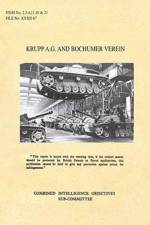
Krupps, the giant arms manufacturer based at Essen in the Ruhr, is synonymous with German militarism. This report, one of 700 produced by Britain's Intelligence services on the Nazi war machine at the war's end, is based on interviews in Essen with Krupp executives carried out in the war's immediate aftermath in 1945.
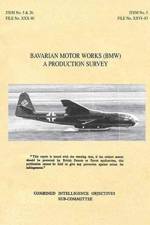
BMW. the Bavarian carmaker now synonymous with high end vehicles, was involved in World War II in testing rocket motors for the Nazi war machine. This report into the company's activities was based on interviews with BMW executives carried out on the spot near its Munich HQ as the war ended.
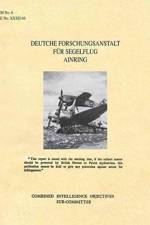
This report, one of 700 produced by British Intelligence at the war's end into the Nazi war machine, details German guided missile research, based on contemporary interviews with scientists and technicians working on the project.
The War Diaries for the Great War, held under WO95, represent one of the most popular record collections held at the National Archives, Kew, London. For researchers and family historians, the War Diaries contain a wealth of information of far greater interest than the army could ever have predicted. They provide unrivalled insight into daily events on the front line and are packed with fascinating detail. They contain no modern editing, opinions or poorly judged comments, just the war day by day, written by the men who fought this 'War to end all Wars. They are without question, the most important source of information available on the war on the Western Front.Full colour facsimile of each page with specially created chronological index.What is a War Diary?The headquarters of each unit and formation of the British Army in the field was ordered to maintain a record of its location, movements and activities. For the most part, these details were recorded on a standard army form headed 'War diary or intelligence summary'.What details are given?Details given vary greatly, depending on the nature of the unit, what it was doing and, to some extent, the style of the man writing it. The entries vary from very simple and repetitive statements like 'Training' up to many pages of description when a unit was in battle. Production of the diary was the responsibility of the Adjutant of the headquarters concerned.Is there any other information or documents with the diaries?Some diaries have other documentation attached, such as maps, operational orders and after-action reports.
The War Diaries for the Great War, held under WO95, represent one of the most popular record collections held at the National Archives, Kew, London. For researchers and family historians, the War Diaries contain a wealth of information of far greater interest than the army could ever have predicted. They provide unrivalled insight into daily events on the front line and are packed with fascinating detail. They contain no modern editing, opinions or poorly judged comments, just the war day by day, written by the men who fought this 'War to end all Wars. They are without question, the most important source of information available on the war on the Western Front.Full colour facsimile of each page with specially created chronological index.What is a War Diary?The headquarters of each unit and formation of the British Army in the field was ordered to maintain a record of its location, movements and activities. For the most part, these details were recorded on a standard army form headed 'War diary or intelligence summary'.What details are given?Details given vary greatly, depending on the nature of the unit, what it was doing and, to some extent, the style of the man writing it. The entries vary from very simple and repetitive statements like 'Training' up to many pages of description when a unit was in battle. Production of the diary was the responsibility of the Adjutant of the headquarters concerned.Is there any other information or documents with the diaries?Some diaries have other documentation attached, such as maps, operational orders and after-action reports.
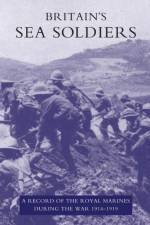
Excellent, detailed history of the Royal Marines in the Great War. Championed by the First Lord of the Admiralty, WInston Churchill, the Marines were in action almost from the first day - at Antwerp, Gallipoli, on the Western Front, in the Cameroons, and in East Africa, In 1918 they took part in the famous raid on the belgian port of Zeebrugge, and were deployed in North Russia, with both Naval and Land Forces. This massive and impressive history contains Roll of Awards for all ranks.
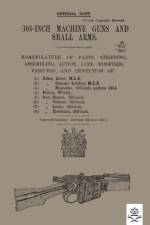
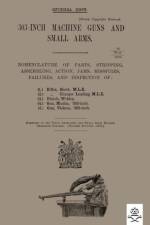
This technical manual, is illustrated with good clear plates for maintenance and repair; they number in detail the components in each gun described. Published in May 1917 for the Ordnance College.Nomenclature of Parts, Stripping, Assembling, Actions, Jams, Missfires, Failures and Inspection of:1. Rifles, Short, M.L.E.2. Rifles, Short, M.L.E., Charger Loading M.L.E.3. Rifles, Short, M.L.E., Magazine, 303-inch, pattern 1914.4. Pistols, Webley.5. Guns, Maxim, 303-inch.6. Gun, Vickers, 303-inch.7. Gun, Lewes, 303-inch8. Gun, Hotchkiss, 303-inch
This technical manual, is illustrated with good clear plates for maintenance and repair; they number in detail the components in each gun described. Published in May 1915 for the Ordnance College.Nomenclature of Parts, Stripping, Assembling, Actions, Jams, Missfires, Failures and Inspection 19151. Rifles, Short, M.L.E.2. Charger Loading M.L.E.3. Pistols, Webley.4. Gun, Maxim, 303-inch.5. Gun, Vickers, 303-inch
Abonner på vårt nyhetsbrev og få rabatter og inspirasjon til din neste leseopplevelse.
Ved å abonnere godtar du vår personvernerklæring.