




















Gjør som tusenvis av andre bokelskere
Abonner på vårt nyhetsbrev og få rabatter og inspirasjon til din neste leseopplevelse.
Ved å abonnere godtar du vår personvernerklæring.Du kan når som helst melde deg av våre nyhetsbrev.

To be in transit is to be human. No one does well staying still too long. This past year has shown us more than ever that nothing is ever permanent. In this journal we explore the different ways that people, museums, and institutions can be considered in transit. We are addressing questions of tradition, culture, movement, and remaking. We acknowledge that tradition is not necessarily a bad thing, but tradition is the product of an established stability and in this journal we are concerned with what must be changed because our world is constantly in flux. We invite our readers to transport from one idea to another as they journey within these works. We ask our readers to consider the museum and how we as museum and cultural practitioners in the 21st century can grapple with the spectrum of changes that should take place now and in our future. How do cultures shift? How should our institutions shift alongside and represent change? In what way are we always moving?
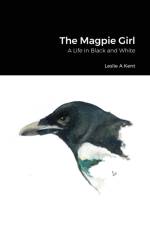
Near to the end of her life, Maggie waited for Death. It was the only thing to look forward to, especially when looking back on the regrets of a past life directed by others and dominated by the mistakes she had made. But then Beatrice walked into her life. This younger, second generation, Caribbean woman and a child of unknown parents, had faced her own trials based on the colour of her skin and lived with the consequence and judgment of regrets of her own. But she cared. The Magpie Girl is a story about people and relationships that span lifetimes, and the scars we carry through our lives, often inflicted by others. Above all, it is about it never being too late even if death is close and time appears to be running out. It is also a story about magpies, birds that are judged well before they are understood.
Reviving a Good Man Scorned was inspired by a relationship between two people who learned to love one another for who they were. They were able to recognize that women are not the only humans that operate out of hurt by displaying scorned tendencies. The author was able to see her man's pain and the actions he displayed due to fear of feeling or experiencing the same type of hurt. Once she figured out men can be scorned and not recognize it their journey became different. Before she could recognize it and cause a shift she had to first acknowledge if their was something in her that needed to be healed or revived. This book is impacted by words and insight from a man's view on women and relationships. It gives keys and acknowledge factors when it comes to self, love, and loving a man or woman. We must know no relationship is perfect and every stage of relationships requires putting in some work. Learning the importance of unconditional love with conditional boundaries, communication, comprehending, and accountability in the relationship with yourself and others will transform yourself and your relationships with others. It shed light on how they moved from fear due to past unhealthy, blindsided pain, and toxic relationships with red flags into a relationship filled with purple flags-- that brought healthy, love filled, new level of intimacy, growth induced, building together, and learning each other love language. The Author tells her story of witnessing her partner go from fear of loving and trusting again to becoming her King. Her partner tells his story about why he use to cheat, how he had to discover his worth, understand he is worthy to be loved, and love is a gift worth unwrapping daily. He goes on to speak about what it is like to have a powerful woman teaching him how to love by watching her love herself and him for who he was. Warning-- there are some raw discussions of sex and soul ties.
Abonner på vårt nyhetsbrev og få rabatter og inspirasjon til din neste leseopplevelse.
Ved å abonnere godtar du vår personvernerklæring.