
















Gjør som tusenvis av andre bokelskere
Abonner på vårt nyhetsbrev og få rabatter og inspirasjon til din neste leseopplevelse.
Ved å abonnere godtar du vår personvernerklæring.Du kan når som helst melde deg av våre nyhetsbrev.

Embrace the Human Side of Organisational Digital TransformationDigital Humans: Thriving in an Online World is an insightful, engaging and interdisciplinary discussion of how best to transform your organisation into a nimble, digital enterprise with human beings firmly established at the centre of it. The authors draw on complexity theory, anthropology, history, organisational transformation and behavioural science to demonstrate the characteristics that define successful digital organisations.You'll discover the importance of focusing on human beings even as you make the shift to digital and learn to understand the importance of our new digital ecosystems. Illuminating case studies and examples of organisations that have successfully made the jump to digital are explored and the book presents new and effective ways to make strategic decisions about your company's future based on our new physical-digital hybrid reality.A can't-miss blueprint to a market environment and world that's increasingly fast-moving, complex and rewarding, Digital Humans will find a place in the libraries of managers, executives, and business leaders looking for an engaging roadmap to digital transformation that wouldn't have us leave our humanity behind.
Practical, cost-effective tools for personal and organizational risk mitigationIn Bootstrapping Ethics: Integrity Risk Management for Real-World Application, accomplished fraud investigator and risk advisor Rupert Evill delivers a smart, simple, and hands-on guide to managing risk and ethics in your organization. You'll learn to protect yourself, your organization, and your stakeholders from regulatory and other risks with frontline-tested strategies and frameworks designed to achieve both quick wins and long-term risk mitigation.In the book, the author shows you how to create tangible economic returns by reducing organizational exposure to common--and not-so-common--risks by promoting the right values, managing conflict, prioritizing the communities you serve, and preventing discrimination and harassment against your employees. You'll also:* Learn to manage external stakeholders and their expectations* Keep your risk mitigation strategies cost-effective and straightforward so you can scale them throughout your organization* Get on top of your diversity, equity, and inclusion efforts and make sure they're getting resultsA can't-miss resource for purpose-driven changemakers looking to maximize their impact at the organizations they serve and in the world, Bootstrapping Ethics is also the tactical and practical antidote to the seemingly endless stream of new regulations and oversight facing many modern firms.
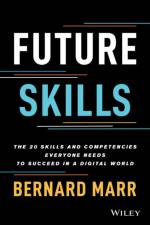
The Brand NEW Book from Bernard Marr, bestselling author behind Business Trends in Practice - Winner of Business Book of the Year 2022.Future-proof yourself and develop critical skills for the digital futureThe working world has changed dramatically in the last twenty years and it's going to continue to transform at an even faster pace. How can the average professional stay afloat in an ocean of constant change and technological revolution?In Future Skills: The 20 Skills and Competencies Everyone Needs to Succeed in a Digital World bestselling author and futurist Bernard Marr delivers an engaging and insightful discussion of how you can prepare yourself for the digital future of work. You'll learn which skills will be in the highest demand, why they'll command a premium price, and how to develop them. You'll also find:* Strategies for improving human-centered skills, like teamwork and collaboration* Straightforward explanations of digital skills, like data literacy and cyber-threat awareness* Ways to make yourself an indispensable component of future firms, and practical tips for continuous improvementA can't-miss book for every working professional seeking not just to survive - but to thrive - in the coming years, Future Skills belongs in the libraries of company leaders, managers, human resources professionals, educators, and anyone else with an interest in the future of work and how humanity fits within it.
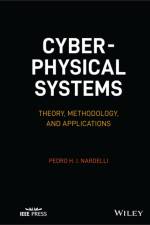
CYBER-PHYSICAL SYSTEMSProvides a unique general theory of cyber-physical systems, focusing on how physical, data, and decision processes are articulated as a complex wholeCyber-physical systems (CPS) operate in complex environments systems with integrated physical and computational capabilities. With the ability to interact with humans through variety of modalities, cyber-physical systems are applied across areas such as Internet of Things (IoT)-enabled devices, smart grids, autonomous automotive systems, medical monitoring, and distributed robotics. Existing engineering methods are capable of solving technical problems, yet the deployment of CPS in a net-enabled society requires a general theory of cyber-physical systems that goes beyond specific study cases and their associated technological development.Cyber-physical Systems: Theory, Methodology, and Applications is a unique theoretical-methodological guide to assessing systems where complex information processing defines the behavior of physical processes. Using a systematic approach, the book describes the fundamentals of cybernetics, complexity sciences, system engineering, concepts of data and information, the data dissemination process, graph theory, and more. Readers are provided with the general theory, methodological framework, and analytical tools to assess and design CPS for applications in transport, energy, communication, health care, the military, and industry.* Provides a framework for measuring the performance of different cyber-physical systems and assessing the potential impact of various cyber-threats* Proposes a theory of CPS comprised of autonomous but interdependent physical, data, and regulatory layers* Discusses decision-making approaches rooted in probability theory, information theory, complexity sciences, and game theory* Helps readers perform a systemic impact evaluation of trending topics such as Artificial Intelligence, 5G, Energy Internet, blockchain, and data ownership* Features extensive analysis of various cyber-physical systems across different domainsCyber-physical Systems: Theory, Methodology, and Applications is a must-read for undergraduate and graduate students, researchers, and practitioners in electrical and computer engineering and other technical fields.
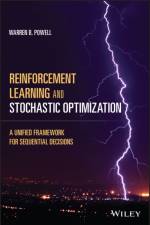
REINFORCEMENT LEARNING AND STOCHASTIC OPTIMIZATIONClearing the jungle of stochastic optimizationSequential decision problems, which consist of "decision, information, decision, information," are ubiquitous, spanning virtually every human activity ranging from business applications, health (personal and public health, and medical decision making), energy, the sciences, all fields of engineering, finance, and e-commerce. The diversity of applications attracted the attention of at least 15 distinct fields of research, using eight distinct notational systems which produced a vast array of analytical tools. A byproduct is that powerful tools developed in one community may be unknown to other communities.Reinforcement Learning and Stochastic Optimization offers a single canonical framework that can model any sequential decision problem using five core components: state variables, decision variables, exogenous information variables, transition function, and objective function. This book highlights twelve types of uncertainty that might enter any model and pulls together the diverse set of methods for making decisions, known as policies, into four fundamental classes that span every method suggested in the academic literature or used in practice.Reinforcement Learning and Stochastic Optimization is the first book to provide a balanced treatment of the different methods for modeling and solving sequential decision problems, following the style used by most books on machine learning, optimization, and simulation. The presentation is designed for readers with a course in probability and statistics, and an interest in modeling and applications. Linear programming is occasionally used for specific problem classes. The book is designed for readers who are new to the field, as well as those with some background in optimization under uncertainty.Throughout this book, readers will find references to over 100 different applications, spanning pure learning problems, dynamic resource allocation problems, general state-dependent problems, and hybrid learning/resource allocation problems such as those that arose in the COVID pandemic. There are 370 exercises, organized into seven groups, ranging from review questions, modeling, computation, problem solving, theory, programming exercises and a "diary problem" that a reader chooses at the beginning of the book, and which is used as a basis for questions throughout the rest of the book.
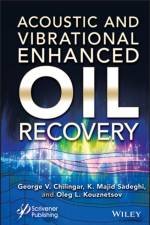
ACOUSTIC AND VIBRATIONAL ENHANCED OIL RECOVERYOil and gas is still a major energy source all over the world, and techniques like these, which are more environmentally friendly and inexpensive than many previous development and production technologies, are important for making fossil fuels more sustainable and less hazardous to the environment.Based on research they did in the 1970s in Russia and the United States, the authors discovered that oil rate production increased noticeably several days after the occurrence of an earthquake when the epicenter of the earthquake was located in the vicinity of the oil producing field. The increase in oil flow remained higher for a considerable period of time, and it led to a decade-long study both in the Russia and the US, which gradually focused on the use of acoustic/vibrational energy for enhanced oil recovery after reservoirs waterflooded. In the 1980s, they noticed in soil remediation studies that sonic energy applied to soil increases the rate of hydrocarbon removal and decreases the percentage of residual hydrocarbons. In the past several decades, the use of various seismic vibration techniques have been used in various countries and have resulted in incremental oil production.This outstanding new volume validates results of vibro-stimulation tests for enhanced oil recovery, using powerful surface-based vibro-seismic sources. It proves that the rate of displacement of oil by water increases and the percentage of nonrecoverable residual oil decreases if vibro-energy is applied to the porous medium containing oil.Audience:Petroleum Engineers, Chemical Engineers, Earthquake and Energy engineers, Environmental Engineers, Geotechnical Engineers, Mining and Geological Engineers, Sustainability Engineers, Physicists, Chemists, Geologists, and other professionals working in this field
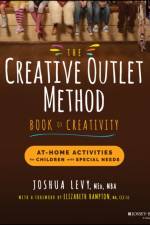
A practical guide for parents and special educators to help enrich the lives of children with special needsIn The Creative Outlet Method Book of Creativity: At-Home Activities for Children with Special Needs, certified special education educator Joshua Levy delivers practical and effective resources for conducting over 30 enriching theater arts and improvisational activities. The included exercises will allow children with disabilities to demonstrate creativity, increase self-confidence, and build social skills.Special needs children will benefit from the innovative approaches included in The Creative Outlet Method and experience creative energy from the comfort of home. The book also offers:* Opportunities for children with special needs to achieve their academic, social, and behavioral goals* Activities that enrich the lives of special needs students, their parents, and other caregivers* A 10-step framework to improving the learning outcomes for children with special needsThe Creative Outlet Method Book of Creativity is an indispensable resource for the parents and caregivers of special needs children, special education teachers, administrators, and therapists. It's also a must-read for K-12 general educators looking for ways to better engage with their special needs students.
Transform your legal education into a successful and fulfilling legal careerIn How to Be a Lawyer: The Path from Law School to Success, a team of veteran lawyers and entrepreneurs delivers an eye-opening discussion of how to translate your years of training and education into a running start in the world of practice. The book bridges the gap between law school and practice, whether you hope to be a big firm transactional attorney, a solo criminal lawyer, work for the government or any other legal profession. You'll discover how you can use what you learned in law school and how you can develop the real skills you'll need as you deal with clients and colleagues.The authors explain what your professors won't tell you in law school and what employers and clients will actually expect from you. You'll also find:* Case studies and guest chapters describing the transition to major areas of law and how it can and should affect your law school decision making* Expert advice on making your first job a successful one* Guidance on how to avoid the most common career pitfalls and client mistakes* Unfiltered opinions from clients about what they really think about lawyersAn ideal resource for aspiring and current law students and early career lawyers, How to Be a Lawyer is the practical blueprint you need to build your legal career from scratch.
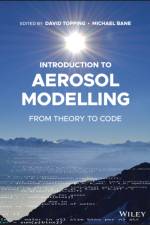
INTRODUCTION TO AEROSOL MODELLINGIntroduction to Aerosol Modelling: From Theory to CodeAn aerosol particle is defined as a solid or liquid particle suspended in a carrier gas. Whilst we often treat scientific challenges in a siloed way, aerosol particles are of interest across many disciplines. For example, atmospheric aerosol particles are key determinants of air quality and climate change. Knowledge of aerosol physics and generation mechanisms is key to efficient fuel delivery and drug delivery to the lungs. Likewise, various manufacturing processes require optimal generation, delivery and removal of aerosol particles in a range of conditions.There is a natural tendency for the aerosol scientist to therefore work at the interface of the traditional academic subjects of physics, chemistry, biology, mathematics and computing. The impacts that aerosol particles have are linked to their evolving chemical and physical characteristics. Likewise, the chemical and physical characteristic of aerosol particles reflect their sources and subsequent processes they have been subject to. Computational models are not only essential for constructing evidence-based understanding of important aerosol processes, but also to predict change and impact. Whilst existing textbooks provide an overview of theoretical frameworks on which aerosol models are based, there is a significant gap in reference material that provide training in translating theory into code.The purpose of this book is to provide readers with exactly that. In following the content provided in this book, you will be able to reproduce models of key processes that can either be used in isolation or brought together to construct a demonstrator 0D box-model of a coupled gaseous-particulate system. You may be reading this book as an undergraduate, postgraduate, seasoned researcher in the private/public sector or as someone who wishes to better understand the pathways to aerosol model development. Wherever you position yourself, it is hoped that the tools you will learn through this book will provide you with the basis to develop your own platforms and to ensure the next generation of aerosol modellers are equipped with foundational skills to address future challenges in aerosol science.
SMART CHARGING SOLUTIONSThe most comprehensive and up-to-date study of smart charging solutions for hybrid and electric vehicles for engineers, scientists, students, and other professionals.As our dependence on fossil fuels continues to wane all over the world, demand for dependable and economically feasible energy sources continues to grow. As environmental regulations become more stringent, energy production is relying more and more heavily on locally available renewable resources. Furthermore, fuel consumption and emissions are facilitating the transition to sustainable transportation. The market for electric vehicles (EVs) has been increasing steadily over the past few years throughout the world.With the increasing popularity of EVs, a competitive market between charging stations (CSS) to attract more EVs is expected. This outstanding new volume is a resource for engineers, researchers, and practitioners interested in getting acquainted with smart charging for electric vehicles technologies. It includes many chapters dealing with the state-of-the-art studies on EV smart charging along with charging infrastructure. Whether for the veteran engineer or student, this is a must-have volume for any library.Smart Charging Solutions for Hybrid and Electric Vehicles:* Presents the state of the art of smart charging for hybrid and electric vehicles, from a technological point of view* Focuses on optimization and prospective solutions for practical problems* Covers the most important recent developmental technologies related to renewable energy, to keep the engineer up to date and well informed* Includes economic considerations, such as business models and price structures* Covers standards and regulatory frameworks for smart charging solutions
The goal of this textbook is to significantly raise student understanding of the instruments they use regularly in the research or analytical labs. Based on the author 20+ years of teaching the book surveys the basic components common to optical spectrometers, with some emphasis on how each component works at a practical, not theoretical level. New instrumentation advances as well as links to current data and instrumentation designs are provided to allow students to become conversant with technology they will use in analytical labs. The book is split into two parts. The first part Optical Spectroscopic Components, Design, Use, Strengths, and Limitations is designed to discuss and enumerate the commonalities in design and construction of optical spectroscopic instruments. While the instruments each have a variety of components, many reappear in seemingly unrelated optical spectrometers. By developing a more global understanding of components, students can begin to appreciate design choices, and make more enlightened decisions about solving problems with optical spectroscopy in their own work. The second part Spectroscopic Methods and Applications focuses on specific types of spectroscopy and their typical applications, describing the realization of each experiment by details of relevant instrument designs utilizing the various components enumerated in Part I. The strengths and weaknesses of variations in spectrometer designs are discussed and selected modern and historical examples are given. In each section, common analytical instrumentation and experiments are discussed first, providing a groundwork and basis for comparison. Then newer more specialized methods are described and compared, or referenced, depending on their relevance to analytical application.
PHYSIOLOGY OF SALT STRESS IN PLANTSDiscover how soil salinity affects plants and other organisms and the techniques used to remedy the issueIn Physiology of Salt Stress in Plants, an editorial team of internationally renowned researchers delivers an extensive exploration of the problem of soil salinity in modern agricultural practices. It also discusses the social and environmental issues caused by salt stress. The book covers the impact of salt on soil microorganisms, crops, and other plants, and presents that information alongside examinations of salt's effects on other organisms, including aquatic fauna, terrestrial animals, and human beings.Physiology of Salt Stress in Plants describes the morphological, anatomical, physiological, and biochemical dimensions of increasing soil salinity. It also discusses potential remedies and encourages further thought and exploration of this issue. Readers are encouraged to consider less hazardous fertilizers and pesticides, to use safer doses, and to explore and work upon salt resistant varieties of plants.Readers will also benefit from the inclusion of:* Thorough introductions to salt stress perception and toxicity levels and the effects of salt stress on the physiology of crop plants at a cellular level* Explorations of the effects of salt stress on the biochemistry of crop plants and salt ion transporters in crop plants at a cellular level* Practical discussions of salt ion and nutrient interactions in crop plants, including prospective signalling, and the effects of salt stress on the morphology, anatomy, and gene expression of crop plants* An examination of salt stress on soil chemistry and the plant-atmosphere continuumPerfect for researchers, academics, and students working and studying in the fields of agriculture, botany, entomology, biotechnology, soil science, and plant physiology, Physiology of Salt Stress in Plants will also earn a place on the bookshelves of agronomists, crop scientists, and plant biochemists.
The chapters herein focus on a wide range of related topics. The book chronicles many traditionally repellent plants that could be used in ethnobotanical studies and provides valuable insight into the development of new natural products. It outlines the standardization and numerous investigations used to affirm the level of repellent compounds from various plants. Furthermore, it details the safety, efficacy, and facts about plant-based repellent testing, and reviews new developments in the field. Tthe book explores the sustainable techniques involved in the structural elucidation and characterization of active constituents found in nanobioinsecticides, and gives relevant information on the use of essential oils, derived from plants, in the preparation of nanobioinsecticides.
This book covers a wide range of topics from plant-based components of sustainable agriculture, addresses the challenges of biodiversity loss, and enhancing agriculture production, and discusses innovative uses of technologies like microencapsulation. Overall, this book emphasizes the contribution of potential plant-based biopesticides to healthy agricultural ecosystems.
The book provides a detailed examination of the application of nanobioherbicides that come from plants. It includes information on the different metabolites derived from numerous plants that could become bioherbicides. Covered thoroughly herein are the relevant methodology and techniques that could be applied for the characterization and structural elucidation of the active constituents from plants. The book gives attention to weed-plant physiology, which helps in proper elucidation of their modes of action and host range test of these nanomaterial as bioherbicides. It chronicles the activities of nanobioherbicides on weeds during preliminary bioassays, pot assays, in-house screenings, and during field trials. Furthermore, deep data is provided on the commercial potential of these nanobioherbides derived from plants, while toxicity assays are also highlighted.
This book provides state-of-the-art information about recent advancements in the application of nanobiofungicides for effective management of post-harvest diseases and agricultural fungal diseases, including blights, mildews, molds, and rusts. Additionally, it explains several methods for preventing pests and pathogens during storage, transportation, and handling of stored products. Furthermore, it thoroughly details the formulation and standardization of nanobiofungicides, as well as their application in the management of biotic and abiotic stress. The chapters herein provide relevant information on the isolation, characterization, purification, and structural characterization of active constituents, using NMR, HPLC, TLC, and FTIR. This book explains the quarantine and regulatory issues that are associated with nanobiofungicides (derived from plants and other biogenic sources), as well as various regulatory bodies that manage the control of pesticides on agricultural products.
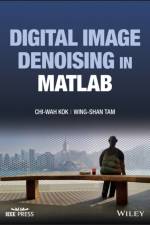
Presents a review of image denoising algorithms with practical MATLAB implementation guidance Digital Image Denoising in MATLAB provides a comprehensive treatment of digital image denoising, containing a variety of techniques with applications in high-quality photo enhancement as well as multi-dimensional signal processing problems such array signal processing, radar signal estimation and detection, and more. Offering systematic guidance on image denoising in theories and in practice through MATLAB. This hands-on guide includes practical examples, chapter summaries, analytical and programming problems, computer simulations, and source codes for all algorithms discussed in the book. The book explains denoising algorithms including linear and nonlinear filtering, Wiener filtering, spatially adaptive and multi-channel processing, transform and wavelet domains processing, singular value decomposition, and various low variance optimization and low rank processing techniques. Throughout the text, the authors address the theory, analysis, and implementation of the denoising algorithms to help readers solve their image processing problems and develop their own solutions. Explains how the quality of an image can be quantified in MATLAB Discusses what constitutes a "naturally looking" image in subjective and analytical terms Presents denoising techniques for a wide range of digital image processing applications Describes the use of denoising as a pre-processing tool for various signal processing applications or big data analysis Requires only a fundamental knowledge of digital signal processing Includes access to a companion website with source codes, exercises, and additional resources Digital Image Denoising in MATLAB is an excellent textbook for undergraduate courses in digital image processing, recognition, and statistical signal processing, and a highly useful reference for researchers and engineers working with digital images, digital video, and other applications requiring denoising techniques.
SPREADSHEET APPLICATIONS IN CHEMISTRY USING MICROSOFT(r) EXCEL(r)Find step-by-step tutorials on scientific data processing in the latest versions of Microsoft(r) Excel(r)The Second Edition of Spreadsheet Applications in Chemistry Using Microsoft(r) Excel(r) delivers a comprehensive and up-to-date exploration of the application of scientific data processing in Microsoft(r) Excel(r). Written to incorporate the latest updates and changes found in Excel(r) 2021, as well as later versions, this practical textbook is tutorial-focused and offers simple, step-by-step instructions for scientific data processing tasks commonly used by undergraduate students.Readers will also benefit from an online repository of experimental datasets that can be used to work through the tutorials to gain familiarity with data processing and visualization in Excel(r).This latest edition incorporates new and revised content to use to learn the basics of Excel(r) for scientific data processing and now includes statistical analysis and regression analysis using Excel(r) add-ins, accounts for differences in navigation and utility between Windows and MacOS versions of the software, and integrates with an online dataset repository for the tutorial exercises.Spreadsheet Applications in Chemistry Using Microsoft(r) Excel(r) also includes:* A thorough introduction to Microsoft(r) Excel(r) workbook and worksheet basics, including Excel(r) toolbar navigation, entering and manipulating formulas and functions and charting experimental chemical data* Comprehensive explorations of statistical functions and regression analysis* Generating calibration plots from instrumental data* Visualizing concepts in physical chemistryPerfect for undergraduate and graduate students of analytical and physical chemistry, Spreadsheet Applications in Chemistry Using Microsoft(r) Excel(r) is also an ideal resource for students and practitioners of physics, engineering, and biology.
Overcome obstacles, achieve your life's goals, and live your life on your own terms!In Choosing to Prosper! Triumphing Over Adversity, Breaking Out of Comfort Zones, and Achieving Dreams, celebrated company founder and finance leader Bola Sokunbi delivers an uplifting and practical message of success and resilience in the face of formidable obstacles. The book challenges readers to examine their own financial and personal dreams and find the strength and resilience they need to achieve them. The author provides the tools readers need to build confidence, find their voice, and realize personal growth.Imposter syndrome, mental health challenges, and common familial obstacles are all explored in the context of the author's incredible and inspirational life experiences.Readers will find:* First-hand stories that highlight the challenges faced by women of color and proven ways to overcome them* Expert and honest advice on how women can build a successful, career and/or a profitable, and flexible business depending on their chosen path* Hands-on strategies for women to achieve their extraordinary goals and dreamsWith a particular emphasis on the experiences of women of color as they seek to succeed in a world that seems stacked against them, Choosing to Prosper! is the perfect resource for women trying to navigate the challenges posed by modern life, career, and business.
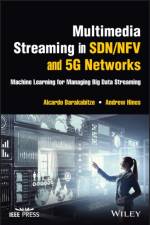
Multimedia Streaming in SDN/NFV and 5G NetworksA comprehensive overview of Quality of Experience control and management of multimedia services in future networksIn Multimedia Streaming in SDN/NFV and 5G Networks, renowned researchers deliver a high-level exploration of Quality of Experience (QoE) control and management solutions for multimedia services in future softwarized and virtualized 5G networks. The book offers coverage of network softwarization and virtualization technologies, including SDN, NFV, MEC, and Fog/Cloud Computing, as critical elements for the management of multimedia services in future networks, like 5G and 6G networks and beyond.Providing a fulsome examination of end-to-end QoE control and management solutions in softwarized and virtualized networks, the book concludes with discussions of probable future challenges and research directions in emerging multimedia services and applications, 5G network management and orchestration, network slicing and collaborative service management of multimedia services in softwarized networks, and QoE-oriented business models. The distinguished authors also explore:* Thorough introductions to 5G networks, including definitions and requirements, as well as Quality of Experience management of multimedia streaming services* Comprehensive explorations of multimedia streaming services over the internet and network softwarization and virtualization in future networks* Practical discussions of QoE management using SDN and NFV in future networks, as well as QoE management of multimedia services in emerging architectures, including MEC, ICN, and Fog/Cloud Computing* In-depth examinations of QoE in emerging applications, 5G network slicing architectures and implementations, and 5G network slicing orchestration and resource managementPerfect for researchers and engineers in multimedia services and telecoms, Multimedia Streaming in SDN/NFV and 5G Networks will also earn a place in the libraries of graduate and senior undergraduate students with interests in computer science, communication engineering, and telecommunication systems.
In a world that is missing a central theoretical voice in architecture, now more than ever it is time to solicit emergent voices on the topic of'alternative formalisms'(Alt-Form). This issue of AD aims to reach peripheral disciplines in order to support an architecture that no longer operates as a standalone field of study, and is rather one that responds to broader, urgent and pluralistic cultural shifts.In the existing contemporary landscape of visually oriented fields of study, casual compositions and other formless expressions have begun to re-emerge, particularly in the disciplines of art, architecture and popular image culture. In architecture, with the rise of the digital, the last two decades have witnessed a field in pursuit of novel styles through the use of the latest digital tools. More recently, however, over the last five years or so, the field has experienced a more novelty-apathetic attitude, permeated with project proposals that resist the urge to offer immediate solutions in favour of enmeshment with a contemporary condition characterised by duress, destruction, uncertainty and other formless becomings. This AD explores this new, emerging world.Contributors: Suzanne Cotter, Andrew Culp, Jack Halberstam, Jeff Halstead, Carolyn Kane, Ersela Kripa and Stephen Mueller, Carl Lostritto, Thom Mayne, V Mitch McEwen and Kristina Kay Robinson, Anna Neimark, Jennifer Newsom and Tom Carruthers, Dorina Pllumbi, Faysal Tabbara, and Dalena Tran. Featured architects: AGENCY, Architecture and Other Things, Atelier Office, Dream the Combine, First Office, MIRACLES, and Morphosis.
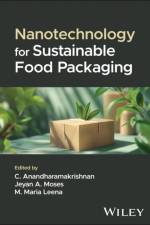
Latest techniques for the development of biodegradable food packaging casings with commentary on safety concerns and regulatory frameworks Nanotechnology for Sustainable Food Packaging covers the latest techniques and applications of nanotechnology, demonstrating capabilities to revolutionize the food packaging sector. This includes concepts of biodegradable food packaging, approaches to improve material functionality, robust sensing systems, and the scope of employing advanced analytical and computational approaches to support progress in the field. Throughout, the text focuses on the United Nations Sustainable Development Goals, including life cycle analysis, biodegradability, green practices, eco-friendliness, and sustainability. This book explores the major food packaging matrixes (polymers, edible films, and multilayers), different categories of advances (composites, active and intelligent packaging), labeling considerations, region- and country-specific regulatory frameworks, and safety concerns. Readers will also find a futuristic preview of this rapidly advancing field and an overview of lab-ready technologies with the potential for commercialization, developed recently and have the potential to replace synthetic polymers. Written by a team of highly qualified authors, Nanotechnology for Sustainable Food Packaging discusses sample topics including: Nanotechnologys potential to improve the shelf life of food products, the chemistry and functionality of different materials based on merits and possible challenges Sources, chemistry, and functionality of various bio-based sources and their usage as nanocomposites, and bio-based alternatives, drawbacks, and research trends Bioactive compounds in food packaging and their benefits, preparation methods, characterization approaches, delivery, and assessment Surface modification approaches through sustainable physico-chemical approaches, and the development of flexible packaging materials suitable for specific requirements such as nonthermal processing Nanotechnology for Sustainable Food Packaging is an essential scientific and technological reference for scientists and R&D personnel who are interested in advancing food packaging technologies. The book is also valuable for students, researchers, and food industry professionals studying nanotechnology in food, food packaging, and food science and technology.
NUCLEAR ELECTRONICS WITH QUANTUM CRYOGENIC DETECTORSAn ideal, comprehensive reference on quantum cryogenic detector instrumentation for the semiconductor and nuclear electronics industriesQuantum nuclear electronics is an important scientific and technological field that overviews the development of the most advanced analytical instrumentation. This instrumentation covers a broad range of applications such as astrophysics, fundamental nuclear research facilities, chemical nano-spectroscopy laboratories, remote sensing, security systems, forensic investigations, and more. In the years since the first edition of this popular resource, the discipline has developed from demonstrating the unprecedented energy resolving power of individual devices to building large frame cameras with hundreds of thousands of pixel arrays capable of measuring and processing massive information flow.Building upon its first edition, the second edition of Nuclear Electronics with Quantum Cryogenic Detectors reflects the latest advances by focusing on novel microwave kinetic inductance detection devices (MKIDs), the microwave superconducting quantum interferometers (MSQUIDs) extending by orders of magnitude the scalability of cryogenic detectors implementing newly developed multiplexing techniques and decoding algorithms. More, it reflects on the interaction of quantum cryogenic detectors--which in turn can be paired with semiconductor large frame cameras to provide a broad picture of a sky or chemical sample--and quantum devices, making this second edition of Nuclear Electronics a one-stop reference for the combined technologies. The book also provides an overview of latest developments in front-end electronics, signal processing channels, and cryogenics--all components of quantum spectroscopic systems--and provides guidance on the design and applications of the future quantum cryogenic ultra-high-resolution spectrometers.Nuclear Electronics with Quantum Cryogenic Detectors readers will also find:* Fully revised material from the first edition relating to cryogenic requirements* Brand new chapters on semiconductor radiation sensors, cooling and magnetic shielding for cryogenic detector systems; front-end readout electronic circuits for quantum cryogenic detectors; energy resolution of quantum cryogenic spectrometers; and applications of spectrometers based on cryogenic detectors* A number of brand-new chapters dedicated to applications using MSQUID multiplexing technique, an area that will dominate the cryogenic detector field in the next decadesNuclear Electronics with Quantum Cryogenic Detectors provides a comprehensive overview of the entire discipline for researchers, industrial engineers, and graduate students involved in the development of high-precision nuclear measurements, nuclear analytical instrumentation, and advanced superconductor primary sensors. It is also a helpful resource for electrical and electronic engineers and physicists in the nuclear industry, as well as specialist researchers or professionals working in cryogenics applications like biomagnetism, quantum computing, gravitation measurement, and more.
POWER GRID RESILIENCE AGAINST NATURAL DISASTERSHow to protect our power grids in the face of extreme weather eventsThe field of structural and operational resilience of power systems, particularly against natural disasters, is of obvious importance in light of climate change and the accompanying increase in hurricanes, wildfires, tornados, frigid temperatures, and more. Addressing these vulnerabilities in service is a matter of increasing diligence for the electric power industry, and as such, targeted studies and advanced technologies are being developed to help address these issues generally--whether they be from the threat of cyber-attacks or of natural disasters.Power Grid Resilience against Natural Disasters provides, for the first time, a comprehensive and systematic introduction to resilience-enhancing planning and operation strategies of power grids against extreme events. It addresses, in detail, the three necessary steps to ensure power grid success: the preparedness prior to natural disasters, the response as natural disasters unfold, and the recovery after the event. Crucially, the authors put forward state-of-the-art methods towards improving today's practices in managing these three arenas.Power Grid Resilience against Natural Disasters readers will also find:* Data, tables, and illustrations to supplement and clarify the points put forward in each chapter* Case studies on realistic power systems and industry standards and practices related to the topics covered* Potential to be a supplementary text in advanced level power engineering coursesPower Grid Resilience against Natural Disasters will be of interest to specialists and engineers, as well as planners and operators from industry. It can also be a useful resource for senior undergraduate students, postgraduate students, researchers, and research libraries. More, it will appeal to all readers with a strong background in power system analysis, operation and control, optimization methods, the Markov decision process, and probability and statistics.
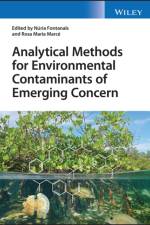
Analytical Methods for Environmental Contaminants of Emerging ConcernProvides the analytical methodology required to detect different families of organic compounds of emerging concern (CECs) from environmental samplesMost contaminants of emerging concern (CECs) --such as pharmaceuticals, personal care products, pesticides, sunscreens, perfluorinated compounds, and microplastics--have been present in the environment for years, yet some have only recently been identified, and many of these organic compounds remain unregulated. Analytical methods have been developed to determine the toxicity and risk of different families of CECs.Analytical Methods for Environmental Contaminants of Emerging Concern presents the methods currently available to determine families of organic CECs in environmental samples. Each section of the book is devoted to a particular family of CECs, covering different analytical methods supported by examples of both cutting-edge research and commonly used methods. An international panel of experts describes every step of the analytical procedures, including sample preparation, chromatographic separation coupled to mass spectrometry or other instrumental techniques. Specific requirements are linked to the properties of the contaminants and the sample matrix for each procedure presented. Throughout the book, in-depth case studies of analytical procedures for CEC extraction, separation, and determination are presented to help readers transfer the analytical methods to their laboratories.* Provides detailed descriptions of various approaches for determining each group of CECs in environmental samples* Covers different types of aqueous, solid, and atmospheric samples* Includes up-to-date information on CEC properties, relevant legislation, reported or potential metabolites/transformation products, and environmental occurrence* Addresses CECs such as novel psychoactive substances, artificial sweeteners, musk fragrances, disinfection byproducts, and microplastics* Offers practical tips and advice on special care procedures to assist readers in CEC determinationAnalytical Methods for Environmental Contaminants of Emerging Concern is an essential reference and guide for advanced students and researchers in analytical chemistry and science, environmental science, forensic science, and specialized subjects related to analytical chemistry.
PHYTOCHEMICAL DRUG DISCOVERY FOR CENTRAL NERVOUS SYSTEM DISORDERSUnderstand herbal and plant-based treatments for chronic disorders with this groundbreaking workDue in part to the aging of the global population, disorders of the central nervous system have become an increasingly grave public health concern in recent years. Demand for pharmaceutical treatments has been correspondingly high, but there are many barriers to the successful development of effective synthetic drugs. Phytomedicines, or plant-based and herbal medicines, have proven to be an effective alternative, boasting lower toxicity and cost and higher efficacy, and one that demands greater research and broader-based practitioner knowledge.Phytochemical Drug Discovery for Central Nervous System Disorders meets this demand with a timely, clearly-structured guide. It thorough coverage presents a wide range of phytochemicals with potential as candidates for drug discovery, describing their sources, properties, and therapeutic efficacy. The result is a vital contribution to the ongoing fight against central nervous system (CNS) disorders.Phytochemical Drug Discovery for Central Nervous System Disorders readers will also find:* Detailed treatment of CNS-active plant products, neuroprotective chemicals, plant-based nutraceutical products, and more* Up-to-date information on FDA-approved drugs and existing plant-based products used to treat CNS disorders* An authorial team featuring experts from across the globePhytochemical Drug Discovery for Central Nervous System Disorders is essential for drug discovery scientists, drug developers, medicinal chemists, biochemists, and any researchers and professionals in the health care or pharmaceutical industries.
Abonner på vårt nyhetsbrev og få rabatter og inspirasjon til din neste leseopplevelse.
Ved å abonnere godtar du vår personvernerklæring.