











Gjør som tusenvis av andre bokelskere
Abonner på vårt nyhetsbrev og få rabatter og inspirasjon til din neste leseopplevelse.
Ved å abonnere godtar du vår personvernerklæring.Du kan når som helst melde deg av våre nyhetsbrev.

Gain an introduction to the concepts behind semiconductor materials and devices in this advanced textbookSemiconductors are the foundation of the electronics industry, and therefore to virtually all modern technology. No engineer or materials scientist can be without an understanding of these essential technologies. Since they are also the foundation of solar cells, they play an increasingly critical role in the transition to sustainable technology and promise, as a result, to become even more central in global technological progress.Fundamentals of Semiconductor Materials and Devices is a textbook that presents the advanced principled underlying semiconductors in an accessible and comprehensive way. Combining material from both engineering and physics, it remains grounded throughout in practical applications of semiconductors. Its approach makes it ideal for readers looking to gain a thorough understanding of this ubiquitous technology.Fundamentals of Semiconductor Materials and Devices readers will also find:* Questions and exercises to stimulate learning and increase comprehension* Introductory chapters detailing the fundamentals of quantum and solid state physics, as well as the foundational principles of semiconductor tech* Detailed analysis of topics including flash memory, the quantum dot, two-dimensional semiconductor materials, and moreFundamentals of Semiconductor Materials and Devices is a valuable guide for students and researchers in any area of engineering, physics, or materials science.
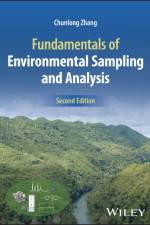
A fully reworked and updated introduction to the fundamentals and applications of environmental sampling and analysis Environmental sampling and analysis are essential components of environmental data acquisition and scientific research. The acquisition of reliable data with respect to proper sampling, chemical and instrumental methodology, and QA/QC is a critical precursor to all environmental work. No would-be environmental scientist, engineer, or policymaker can succeed without an understanding of how to correctly acquire, assess and use credible data. Fundamentals of Environmental Sampling and Analysis, 2nd edition provides this understanding, with a comprehensive survey of the theory and applications of these critical sampling and analytical tools. The field of environmental research has expanded greatly since the publication of the first edition, and this book has been completely rewritten to reflect the latest studies and technological developments. The resulting mix of theory and practice will continue to serve as the standard introduction to the subject. Readers of the second edition of Fundamentals of Environmental Sampling and Analysis will also find: Three new chapters and numerous expanded sections on topics of emerging environmental concerns Detailed discussion of subjects including passive sampling, Raman spectroscopy, non-targeted mass spectroscopic analysis, and many more Over 500 sample problems and solutions along with other supplementary instructional materials Fundamentals of Environmental Sampling and Analysis is ideal for students of environmental science and engineering as well as professionals and regulators for whom reliable environmental data through sampling and analysis is critical.
Understand furan polymers and their roles in industrial productionFurans are platform chemicals from biomass which have a range of functions in the production of solvents, biofuels, and monomers for industrial polymer synthesis. As the search for sustainable industrial processes makes biomass resources ever more vital, a more detailed understanding of these compounds and their industrial uses has never been more critical.Furan Polymers and their Reactions surveys these crucial compounds and their contributions to polymer synthesis. It discusses the biorefinery of furans, identifies furfural and 5-hydroxymethyl furfural as the key furan monomer precursors for different polymer synthetic processes, and analyzes all the major reactions furans undergo during these processes and the structures, properties and applications of the ensuing materials. The results are a vital contribution to the growing field of renewable industry.Furan Polymers and their Reactions readers will also find:* Detailed analysis of key polymerization reactions such as the Diels-Adler reaction, chain-growth and step-growth polymerizations, as well as the chemical modifications of some of these polymers.* An authorial team with decades of combined experience in furan chemistry and polymer synthesisFuran Polymers and their Reactions is an essential resource for researchers and professionals in industrial engineering, polymer science, and biotechnology, as well as for any industry professionals working with platform chemicals or polymer synthesis.
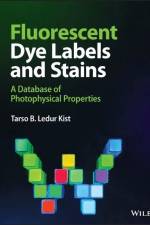
Fluorescent Dye Labels and StainsThe only comprehensive database of fluorophores and their physical and photochemical propertiesFluorophores are chemical compounds that strongly absorb in the ultraviolet, visible, and/or near-infrared and with bright emission in these ranges. As a result, they are exceptionally valuable as dyes for various analytical processes, capable of labelling and staining particular targets for purposes of fluorescent imaging, sensitive detection, and quantification (exhibiting linear responses over very wide concentration ranges). These compounds are many and varied, and panoramic views of their options, physical properties and their reactions to light excitations can be critical to their successful integration into chemical analysis, pharmaceutical analysis, clinical analysis, microscopies, optical bioimaging, cancer imaging, real-time PCR, flow cytometry, multiplexing in proteomics, life sciences in general, and many other high-tech fields (material sciences, traceability, photovoltaics, quantum computing).Fluorescent Dye Labels and Stains incorporates a comprehensive database of such substances and their characteristics. It provides an introduction to basic theories and foundational terminology, in addition to both the molecular structures and photophysical properties of an enormous range of fluorophores. Assembled over the course of a distinguished career in biochemistry, this database presents valuable information that has never before been available in a single volume.Readers will also find:* Molecular and photochemical information of over 700 fluorophores* A database of parameters, including light excitation ranges, molar absorption coefficients, fluorescence quantum yields, molecular brightness, and many more* Information derived from multiple disciplines, including microscopy, nanoscopy, biochemistry, and molecular biologyFluorescent Dye Labels and Stains is the essential reference for pharmaceutical and biomedical researchers and professionals, academics who study molecular biology or organic chemistry, and any professional whose work includes strong and photostable molecular absorptions and fluorescence.
Compressional TectonicsA synthesis of current knowledge on collisional and convergent plate boundaries worldwideMajor mountain belts on Earth, such as the Alps, Himalayas, and Appalachians, have been built by compressional tectonic processes during continent-continent and arc-continent collisions. Understanding their formation and evolution is important because of the hazards associated with convergent and collisional plate boundaries, and because these mountain belts contain resources such as precious metals, rare earth elements, oil, gas, and coal.Compressional Tectonics: Plate Convergence to Mountain Building reviews our present-day knowledge of the tectonic evolution of the Alpine-Himalayan and Appalachian belts.Volume highlights include:* Overview of terminology relating to compressional and contractional tectonics* Discussion of subduction zone dynamics* Debates over the timing of the collision and convergence of particular subduction and suture zones* Examples of the different stages in the development of orogenic beltsThis book is one of a set of three in the collection Tectonic Processes: A Global View.The American Geophysical Union promotes discovery in Earth and space science for the benefit of humanity. Its publications disseminate scientific knowledge and provide resources for researchers, students, and professionals.
Catalytic In-Situ Upgrading of Heavy and Extra-Heavy Crude OilsA comprehensive guide to a cutting-edge and cost-effective refinement process for heavy oilOil sufficiently viscous that it cannot flow normally from production wells is called heavy oil and constitutes as much as 70% of global oil reserves. Extracting and refining this oil can pose significant challenges, including very high transportation costs. As a result, processes which produce and partially refine heavy oil in situ, known as catalytic upgrading, are an increasingly important part of the heavy oil extraction process, and the reduced carbon footprint associated with these methods promises to make them even more significant in the coming years.Catalytic In-Situ Upgrading of Heavy and Extra-Heavy Crude Oils provides a comprehensive introduction to these processes. It introduces the properties and characteristics of heavy and extra-heavy oil before discussing different catalysts and catalyzing processes, their mechanisms and underlying physics, and more. It offers the full sweep of description and analysis required for petroleum and chemical engineers to understand this vital aspect of the modern oil industry.Readers will also find: Detailed discussion of subjects including electron paramagnetic resonance spectroscopy, nuclear magnetic resonance spectroscopy, and more* Analysis of both liquid catalysts and nanoparticle catalysts* A numerical simulation of the catalytic in-situ oil upgrading processCatalytic In-Situ Upgrading of Heavy and Extra-Heavy Crude Oils is a valuable reference for petroleum and chemical engineers as well as advanced undergraduate and graduate students in related fields.
Biogas Plants Comprehensive resource highlighting the global significance of biogas and reviewing the current status of biogas production. Biogas Plants presents an overview of biogas production, starting from the substrates (characteristics, pretreatment, and storage), addressing technical and technological aspects of fermentation processes, and covering the environmental and agricultural significance of obtained digestate. Written by a team of experts with extensive theoretical and practical experience in the areas of bio-waste, biogas plants, and reduction of greenhouse gas emissions, Biogas Plants discusses keys topics including: Anaerobic digestion, including discussion of substrates and products Advantages of biogas plants, with emphasis on their future potential for stable and controlled renewable energy Global significance of the biogas sector, including its importance in electro-energy system stabilization, biogas plants for energy storage, bio-waste utilization, and biomethane production A thorough and complete resource on the subject, Biogas Plants will appeal to academic researchers and industry scientists and engineers working in the fields of biogas, bio-waste, bioenergy, renewable resources, waste management and carbon reduction, along with process engineers, environmental engineers, biotechnologists, and agricultural scientists. For more information on the Wiley Series in Renewable Resources, visit www.wiley.com/go/rrs
A complete and timely reference on the application of geophysical methods to the cryosphere Applied Geophysics in the Cryospheric Sciences provides comprehensive coverage of the acquisition, processing, and use of geophysical data for understanding cryospheric problems. Bringing together contributions by world-renowned experts in the field, this authoritative volume presents up-to-date information on the properties and processes of debris-covered glaciers, permafrost and rock glaciers, ice, snow, and glacial sedimentary landforms. Individual sections focus on the application of geophysical techniques to subglacial and englacial ice, crustal-scale ice sheets, the structure and hydrology of snowpacks, the past and present flow of ice sheets and ice caps, the physical properties of sea ice over wide areas, and more. Encompassing all key geophysical methods, Applied Geophysics in the Cryospheric Sciences also includes GPS techniques for in situ monitoring of ice sheet and glacier flow, the processing of ice-mass GPS data, the interpretation of ice-electrical processes, and sonic and ultrasonic logging of deep ice boreholes, and recent advances in geophysical survey technology. Integrates geophysics with sedimentology and hydrology of cryosphereCovers the full spectrum of geophysical methods and approaches, including modeling, field observation, and remote sensingDiscusses long-term glacier behavior, paleorecord interpretation, and ice-mass change in response to climatic change Includes recent case studies from a wide range of international sources and explores the future outlook of the fieldPart of the Cryosphere Science series, Applied Geophysics in the Cryospheric Sciences is an indispensable resource for advanced students, academic researchers, applied scientists, and professionals working on cryospheric problems in fields such as geophysics, glaciology, geomorphology, and sedimentology.
BASICS OF ANALYTICAL CHEMISTRY AND CHEMICAL EQUILIBRIAFamiliarize yourself with the fundamentals of analytical chemistry with this easy-to-follow textbookAnalytical chemistry is the study of chemical composition, concerned with analyzing materials to discover their constituent substances, the amounts in which these substances are present, and more. Since materials exist in different states and undergo reactions, analytical chemistry is also concerned with chemical equilibria, the state at which various reactants and substances will undergo no observable chemical change without outside stimulus. This field has an immense range of practical applications in both industry and research and is a highly desirable area of expertise for the next generation of chemists.Basics of Analytical Chemistry and Chemical Equilibria provides an introduction to this foundational subject, ideal for specialized courses. It introduces not only the core concepts of analytical chemistry but cultivates mastery of various instrumental methods by which students and researchers can undertake their own analyses. Now updated to include the latest research and expanded coverage, Basics of Analytical Chemistry and Chemical Equilibria promises to situate a new generation of readers in this growing field.Readers of the second edition of Basics of Analytical Chemistry and Chemical Equilibria will also find:* A new chapter on structure determination* Revised and expanded descriptions of chemical instrumentation* 'You-try-it' exercises throughout to further develop practical student knowledge* Compannion website of associated materials including end-of-chapter solutions, spreadsheets for student use, and moreBasics of Analytical Chemistry and Chemical Equilibria is an ideal textbook for students in chemistry, biochemistry, and environmental science, as well as students in related fields, including chemical engineering and materials science, for whom analytical chemistry offers a useful toolset.
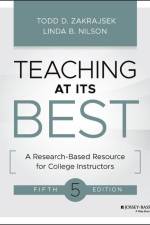
A complete, accessible, evidence-based guide to better teaching in higher educationThis higher education playbook provides a wealth of research-backed practices for nearly every aspect of effective teaching throughout higher education. It is filled with practical guidance and proven techniques designed to help you improve student learning, both face-to-face and online. Already a bestselling research-based toolbox written for college instructors of any experience level, Teaching at Its Best just got even better.What is new? A lot. For this updated 5th edition, Todd Zakrajsek joins Linda Nilson to create a powerful collaboration, drawing on nearly 90 combined years as internationally recognized faculty developers and faculty members. One of the most comprehensive books on effective teaching and learning, the 5th edition of Teaching at its Best brings new concepts, new research, and additional perspectives to teaching in higher education. In this book, you will find helpful advice on active learning, interactive lecturing, self-regulated learning, the science of learning, giving and receiving feedback, and so much more. Each chapter has been revised where necessary to reflect current higher education pedagogy and now includes two reflection questions and one application prompt to reflect on your teaching and stimulate peer discussions.* Discover the value of course design and how to write effective learning outcomes* Learn which educational technology is worthwhile and which is a waste of time* Create a welcoming classroom environment that boosts motivation* Explore detailed explanations of techniques, formats, activities, and exercises--both in person and online* Enjoy reading about teaching strategies and educational conceptsWhether used as a resource for new and seasoned faculty, a guide for teaching assistants, or a tool to facilitate faculty development, this research-based book is highly regarded across all institutional types.
Game on! Discover the joy of cricket Curious about cricket but don't know where to start? Cricket For Dummies is your friendly and easy-to-follow introduction to one of the most popular games in the world. You'll learn the rules (or "laws") so you can follow big games on TV or even start playing yourself! You'll also get step-by-step guides to basic techniques and tactics and explanations of the tournaments and leagues based around the world. Fully up to date and accurate, this book offers the cricket-curious an easy way to get acquainted with the much-loved game. Inside... Learn different formats of cricket Discover global rivalries Understand the big tournaments Follow US-based cricket Grab the right gear Hone your batting and bowling skills Captain a cricket team Coach and train cricket players
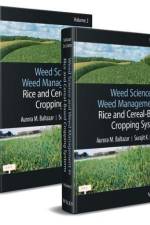
The book presents discussions on:* Biology and ecology of major troublesome weeds infesting rice, wheat, corn, soybean, focusing on different cropping patterns in both tropical and temperate cropping systems and science-based weed management practices involving chemical, non-chemical, biological, integrated methods.* Herbicides used, with their most recent classification, identification of new target sites, mechanisms and modes of action and how and why weeds evolve resistance to herbicides.* New concepts, new paradigms and new technologies to manage evolution of resistance to herbicides including weed genomics, bioherbicides and allelochemicals.* Highly recommended for students, teachers, researchers, agronomists, horticulturists, crop physiologists, and crop protection specialists in tropical and temperate agricultural systems, particularly in areas where major tropical weeds are posing potential threats to temperate agricultural systems.
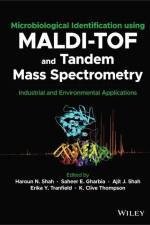
Microbiological Identification using MALDI-TOF and Tandem Mass SpectrometryDetailed resource presenting the capabilities of MALDI mass spectrometry (MS) to industrially and environmentally significant areas in the biosciencesMicrobiological Identification using MALDI-TOF and Tandem Mass Spectrometry fulfills a need to bring the key analytical technique of MALDI mass spectrometric analysis into routine practice by specialists and non-specialists, and technicians. It informs and educates established researchers on the development of techniques as applied to industrially significant areas within the biosciences. Throughout the text, the reader is presented with recognized and emerging techniques of this powerful and continually advancing field of analytical science to key areas of importance.While many scientific papers are reporting new applications of MS-based analysis in specific foci, this book is unique in that it draws together an incredibly diverse range of applications that are pushing the boundaries of MS across the broad field of biosciences.Contributed to by recognized experts in the field of MALDI MS who have been key players in promoting the advancement and dissemination of authoritative information in this field, Microbiological Identification using MALDI-TOF and Tandem Mass Spectrometry covers sample topics such as:* Oil microbiology, marine and freshwater ecosystems, agricultural and food microbiology, and industrial waste microbiology* Bioremediation and landfill sites microbiology, microbiology of inhospitable sites (e.g. Arctic and Antarctic, and alkaline and acidic sites, and hot temperatures)* Veterinary, poultry and animals, viral applications of MS, and antibiotic resistance using tandem MS methods* Recent developments which are set to transform the use of MS from its success in clinical microbiology to a wide range of commercial and environmental usesBridging the gap between measurement and key applications, this text is an ideal resource for industrial and environmental analytical scientists, including technologists in the food industry, pharmaceuticals, and agriculture, as well as biomedical scientists, researchers, clinicians and academics and scientists in bio-resource centers.
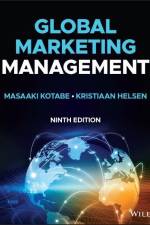
Get the Global Edge in Marketing "The conceptual framework developed in this book will facilitate an in-depth study of international marketing issues. . well-thought out and structured analysis of several important concepts. A comprehensive set of tools are presented so that students can analyze and understand the global marketplace.
Build a budget that puts you on solid financial footingAsk any financially successful person how they achieved their goals, and chances are they'll tell you it all started with a budget. And that's exactly where you should start. Budgeting For Dummies shows you how to create a plan that fits your lifestyle, manages everyday needs, and builds your savings. Author Athena Valentine, founder of the Money Smart Latina blog, offers step-by-step details for creating and following a budget without feeling like you're depriving yourself and your family of all the things that make life worth living. This book shows you how to figure out where your money comes from and where it goes so you can live the life you want and work toward your financial goals. Find out how to establish an emergency fund, eliminate debt, improve your credit score, and stick to your budget through economic ups and downs.* Discover budgeting methods that work so you can live within your means* Create a budget for your unique situation to get a handle on your income and expenses* Deal with common budgeting challenges without taking on more debt* Increase your credit score and save toward a major purchaseYou don't need to make six figures to achieve your financial goals. Valentine, who also writes for Slate.com, knows the struggle of trying to make ends meet and is enthusiastic about sharing her knowledge with anyone who wants to improve their financial literacy. If you're not sure where to start when it comes to managing your money, you can depend on Valentine's tried-and-true advice in Budgeting For Dummies to set you on the right path.
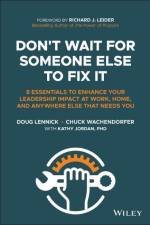
A playbook for leaders in any walk of life, with a foreword from Richard Leider, the legendary executive-life coach and best-selling author.The world needs positive leadership more than ever. Luckily, there is a large untapped source of leaders who can change the world for the better: all of us! Since each of us constantly influences those around us, by definition, everyone is a leader, not just people with formal titles.This book will help everyone tap into the power of their influence to pursue a meaningful purpose, whether on the job, in the community, or at home. All it takes is leadership intelligence, a combination of 8 moral, social, and technical imperatives essential to our ability to positively influence others. These 8 essentials include:* Aim to be Your Ideal Self* Know Your Real Self* Ignite Integrity and Responsibility* Embrace Empathy and Compassion* Decide Wisely* Let Go of What You Know* Achieve Meaningful Goals* Empower OthersDon't Wait for Someone Else to Fix It is liberally illustrated with compelling stories of a varied cast of characters, including the head of a skiing expedition to the North Pole, an Olympic snowboarding coach, a mountaineer leading a high-altitude Himalayan climbing team, the executive director of an innovative low-income senior housing community, and the founder of a pioneering youth basketball program for girls. Examples of "fixing it" also come from the journeys of entrepreneurs and executives in the financial services, health care, educational, travel and media industries. In addition, the book highlights insights of thought leaders such as internationally famous author and coach, Richard Leider; Stephen M. R Covey, a best-selling author and global authority on leadership; world-renowned performance psychologist and author Jim Loehr; and Richard Sheridan, best-selling author, and co-founder of the award-winning software company Menlo Innovations.Authors Doug Lennick and Chuck Wachendorfer are highly qualified to share the lessons of Don't Wait for Someone Else to Fix It. Both have decades of experience as corporate executives, entrepreneurs, community volunteers, business coaches, and parents. For the reader who wants down-to-earth guidance about how to be a successful leader, the book does more than just talk about the significance of leadership intelligence. It features a wealth of practical exercises and tools for developing each of the 8 leadership intelligence essentials.
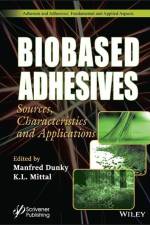
Biobased AdhesivesUnique and comprehensive book edited by acknowledged leaders on biobased adhesives that will replace petroleum-based adhesives.This book contains 23 chapters covering the various ramifications of biobased adhesives. The chapters are written by world-class scientists and technologists actively involved in the arena of biobased adhesives. The book is divided into three parts: Part 1: Fundamental Aspects; Part 2: Classes of Biobased Adhesives; and Part 3: Applications of Biobased Adhesives. Topics covered include: an introduction to biobased adhesives; adhesion theories and adhesion and surface issues with biobased adhesives; chemistry of adhesives; biorefinery products as biobased raw materials for adhesives; naturally aldehyde-based thermosetting resins; natural crosslinkers; curing and adhesive bond strength development in biobased adhesives; mimicking nature; bio-inspired adhesives; protein adhesives; carbohydrates as adhesives; natural polymer-based adhesives; epoxy adhesives from natural materials; biobased polyurethane adhesives; nanocellulose-modified adhesives; debondable, recyclable, and biodegradable biobased adhesives; 5-Hydroxymethylfurfural-based adhesives; adhesive precursors from tree-derived naval stores; and applications in various diverse arenas such as wood bonding, controlled drug delivery, and wearable bioelectronics.AudienceThis book will interest materials scientists, adhesionists, polymer chemists, marine biologists, food and agriculture scientists, and environmentalists. R&D personnel in a slew of wide-ranging industries such as aviation, shipbuilding, railway, automotive, packaging, construction, wood bonding, and composites should find this book a repository of current and much-needed information.
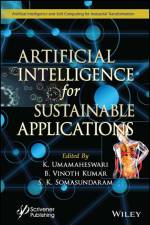
ARTIFICAL INTELLIGENCE for SUSTAINABLE APPLICATIONSThe objective of this book is to leverage the significance of artificial intelligence in achieving sustainable solutions using interdisciplinary research through innovative ideas.With the advent of recent technologies, the demand for Information and Communication Technology (ICT)-based applications such as artificial intelligence (AI), machine learning (ML), Internet of Things (IoT), health care, data analytics, augmented reality/virtual reality, cyber-physical systems, and future generation networks, has increased drastically. In recent years, artificial intelligence has played a more significant role in everyday activities. While AI creates opportunities, it also presents greater challenges in the sustainable development of engineering applications. Therefore, the association between AI and sustainable applications is an essential field of research. Moreover, the applications of sustainable products have come a long way in the past few decades, driven by social and environmental awareness, and abundant modernization in the pertinent field. New research efforts are inevitable in the ongoing design of sustainable applications, which makes the study of communication between them a promising field to explore.This book highlights the recent advances in AI and its allied technologies with a special focus on sustainable applications. It covers theoretical background, a hands-on approach, and real-time use cases with experimental and analytical results.AudienceAI researchers as well as engineers in information technology and computer science.
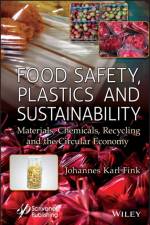
FOOD SAFETY, PLASTICS AND SUSTAINABILITYA unique book by a well-known polymer scientist on a subject that is trending in plastics engineering.This book focuses on plastics for food safety, materials, chemicals and methods, as well as the applications of these polymers. The book begins with a chapter on food safety. Here, food security and the issues of migration of substances from packaging into the corresponding food, as well as the impact of microplastics on humans and the environment are discussed. In the next chapter, regulations, standards, and specifications are detailed. In another chapter, testing methods, such as risk assessment, freshness testing of food, and food colorants are discussed. In the chapter entitled "Food Packaging", the methods that can be used for these issues are given as well as the special materials for food packaging. The chapter on materials includes a discussion on nanocomposites, biopolymers, microplastics, and edible films. This is followed by chapters on additives and applications, such as functional food applications. The final chapter covers the identification of the materials, the methods for recycling, plastic waste generation, and post-consumer polyolefins. Three separate indexes ensure a reader/user-friendly experience.
Practice your way to the best score you can get on the ASVABASVAB: 1001 Practice Questions For Dummies gives you 1,001 opportunities to practice answering questions on key concepts for all nine ASVAB subtests--in the book and online! Get the score you need to qualify for the military job you want, or raise your score to get a new job or advance in rank, with this useful book. These practice questions and detailed answer explanations will put you on the path to the greatest possible job flexibility, no matter what your skill level. Thanks to this Dummies practice guide, you have a resource to help you achieve your military career goals.* Work through practice questions on all topics covered on the ASVAB exam* Read through detailed explanations of the answers to build your understanding* Access practice questions online to bolster your readiness anywhere, any time* Improve your score and up your ASVAB study game with practice, practice, practiceThe material presented in ASVAB: 1001 Practice Questions For Dummies is an excellent resource for anyone planning to take the ASVAB and enlist in the U.S. armed services this year.
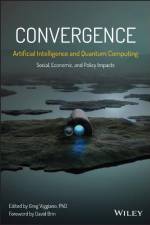
Examine the impending convergence of AI and quantum technologies Convergence: Artificial Intelligence and Quantum Computing - Social, Economic, and Policy Impacts is an incisive and provocative collection of perspectives from a diverse array of subject matter experts across industry, academia, and government on two rapidly converging technologies: quantum computing and artificial intelligence. In the book, you'll explore the anticipated impact of the coming collision of these two powerful technologies on our societies, economies, governments, businesses, and ethical systems. Each chapter is penned by a renowned and globally recognized expert in their respective field, from Nobel laureate Roald Hoffman to technology company Chief Executive Officers. The book also includes an eye-opening foreword by Hugo and Nebula award-winning author David Brin. A must-read for tech industry practitioners, international regulators and policymakers with an interest in quantum computing and artificial intelligence, and undergraduate and graduate students of science, technology, business, data, and economics, Convergence will benefit industry professionals, academics, researchers, and students alike.
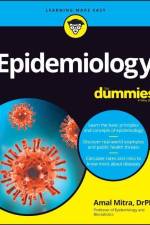
Become a "disease detective" with epidemiology Are you studying epidemiology in college or are you a concerned citizen who wants to understand the causes and effects of disease in your community? In Epidemiology For Dummies, you'll get easy-to-follow help learning about the crucial aspects of public health. From epidemiology's basic concepts to the most up-to-date descriptions of contemporary epidemiologic methods, this handy guide gets you up to speed with real-world examples and the latest public statistics. You'll also find out about disease prevention and how to properly read a scientific study in your favorite medical journal. Inside... Understand epidemiological basics Examine disease causation Find out how to prevent disease Discover disease surveillance methods Investigate outbreaks Spot disease patterns Make essential calculations Interpret scientific studies
The most comprehensive and up-to-date guide to critical auditing standards, practices, and procedures for 2023The American Institute of Certified Public Accountants (AICPA) sets the Generally Accepted Auditing Standards--or GAAS--under which U. S. audits are conducted. Auditors must comply with and understand every aspect of GAAS to comply with AICPA standards. As a result, it is crucial for CPAs to be up to date on all applicable guidelines, rules, and regulations.Wiley Practitioner's Guide to GAAS 2023 delivers a thorough description and analysis of not only auditing standards--SASs--but also SSAEs, SSARSs, and the Interpretations necessary to fully understand all the latest professional standards. The 2023 Guide offers the most recent revisions to the standards, including those on:* Audit evidence* Auditing accounting estimates* Use of pricing evidence* Inquiries of predecessor auditors* Quality management* Materiality,* SSAE direct examination engagements, and* Practitioner's review reports.* Practical direction on the steps necessary to help you comply with GAAS* Comprehensive guidance on the entire auditing process, from start to finish* Explanations of all attestation and review, compilation, and preparation standards* A glossary of relevant terminology for each subjectIt explains the standards clearly and accurately, providing explicit information on how to conduct your engagements efficiently, effectively, and properly--all in one resource.In addition, Wiley Practitioner's Guide to GAAS 2023 provides readers with:A crucial resource for accountants and auditors who are looking for a comprehensive explanation of the information used daily, Wiley Practitioner's Guide to GAAS 2023 is an invaluable resource written to save you time and simplify your compliance with professional standards.
Create better connected teams and hold more productive meetingsIn Collaborative Intelligence: Design Better Collaboration, Improve Team Productivity, and Build a Culture of Connection, the workplace collaboration experts at MURAL offer a holistic and comprehensive system for fixing today's broken teamwork culture. This book introduces the emerging practice of collaboration design, a cutting-edge approach to crafting collaborative experiences with a high degree of intentionality so that they deliver extraordinary, repeatable outcomes.With a strong focus on activities and rituals that can be used by leaders and team members right now, the authors show businesses how they can innovate faster than ever. Readers will learn the skills they need to enable better collaboration, whether their teams are hybrid, remote, in-person, synchronous, or asynchronous. Based on decades of research, experience, and observations from working with thousands of teams globally in all kinds of collaboration spaces, this highly visual book provides the instruction you need to fix teamwork, transform your organization, and re-imagine what's possible at work.You'll also find:* How to build playbooks of collaboration methods* How to create an inclusive, equitable, and collaborative environment that invites participation and unlocks the genius of your teams* How to access unprecedented insights into how collaboration happens in your organization* Strategies for leading collaboration change at the organization levelA can't-miss guide for knowledge-work professionals, Collaborative Intelligence provides the direction you've been looking for to help teams innovate together.
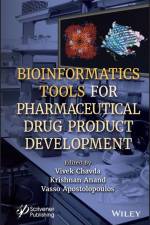
BIOINFORMATICS TOOLS FOR Pharmaceutical DRUG PRODUCT DLEVELOPMENTA timely book that details bioinformatics tools, artificial intelligence, machine learning, computational methods, protein interactions, peptide-based drug design, and omics technologies, for drug development in the pharmaceutical and medical sciences industries.The book contains 17 chapters categorized into 3 sections. The first section presents the latest information on bioinformatics tools, artificial intelligence, machine learning, computational methods, protein interactions, peptide-based drug design, and omics technologies. The following 2 sections include bioinformatics tools for the pharmaceutical sector and the healthcare sector. Bioinformatics brings a new era in research to accelerate drug target and vaccine design development, improving validation approaches as well as facilitating and identifying side effects and predicting drug resistance. As such, this will aid in more successful drug candidates from discovery to clinical trials to the market, and most importantly make it a more cost-effective process overall.Readers will find in this book:* Applications of bioinformatics tools for pharmaceutical drug product development like process development, pre-clinical development, clinical development, commercialization of the product, etc.;* The ever-expanding application of this novel technology and discusses some of the unique challenges associated with such an approach;* The broad and deep background, as well as updates, on recent advances in both medicine and AI/ML that enable the application of these cutting-edge bioinformatics tools.AudienceThe book will be used by researchers and scientists in academia and industry including drug developers, computational biochemists, bioinformaticians, immunologists, pharmaceutical and medical sciences, as well as those in artificial intelligence and machine learning.
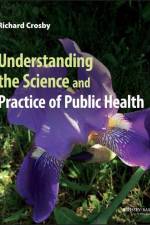
A civically minded approach to public health, perfect for students on any career pathUnderstanding the Science and Practice of Public Health is an exciting new textbook designed specifically for introductory public health courses at the college level. In a world rapidly being challenged by climate change, starvation, water shortages, and epidemics--and in a nation plagued by obesity, diabetes, early onset cardiovascular disease, cancer, and gun violence--this book provides students with crucial information that they'll need to understand what's going on around them. Thematically, this book focuses on the viewpoint that "We the People" have the ultimate responsibility to collectively assure the conditions that allow people to successfully seek health and well-being. Public health is a public responsibility (a maxim often repeated in the book), and college and university students must be fully informed to optimally meet this vital civic obligation.Written to be accessible to students in any major, this unique text prepares students to participate in the daily actions needed (including advocacy and support of health-related regulations and policy) to become participants in public health practice, rather than passive recipients. Readers will:* Get an accessible introduction to the most pressing public health issues of today* Learn how public health is promoted in society using real-world examples* Become knowledgeable about public health so you can make informed decisions at the voting booth and in daily life* Discover the practice of public health as it applies to pandemics, substance abuse, climate change, gun violence, and moreThe science and practice of public health depends on a well-informed and highly engaged population of civic-minded adults. This book will enable students' enthusiastic participation in savings lives and promoting health--no matter what career path they decide to pursue.
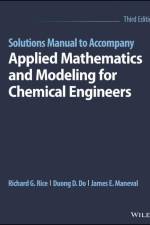
Enables chemical engineers to use mathematics to solve common on-the-job problems With its clear explanations, examples, and problem sets, Applied Mathematics and Modeling for Chemical Engineers has enabled thousands of chemical engineers to apply mathematical principles to successfully solve practical problems. The book introduces traditional techniques to solve ordinary differential equations as well as analytical methods to deal with important classes of finite-difference equations. It then explores techniques for solving partial differential equations from classical methods to finite-transforms, culminating with??numerical methods??including orthogonal collocation. This Second Edition demonstrates how classical mathematics solves a broad range of new applications that have arisen since the publication of the acclaimed first edition. Readers will find new materials and problems dealing with such topics as: Brain implant drug delivery Carbon dioxide storage Chemical reactions in nanotubes Dissolution of pills and pharmaceutical capsules Honeycomb reactors used in catalytic converters New models of physical phenomena such as bubble coalescence Like the first edition, this Second Edition provides plenty of worked examples that explain each step on the way to finding a problem's solution. Homework problems at the end of each chapter are designed to encourage readers to more deeply examine the underlying logic of the mathematical techniques used to arrive at the answers. Readers can refer to the references, also at the end of each chapter, to explore individual topics in greater depth. Finally, the text's appendices provide additional information on numerical methods for solving algebraic equations as well as a detailed explanation of numerical integration algorithms. Applied Mathematics and Modeling for Chemical Engineers is recommended for all students in chemical engineering as well as professional chemical engineers who want to improve their ability to use mathematics to solve common on-the-job problems.
Abonner på vårt nyhetsbrev og få rabatter og inspirasjon til din neste leseopplevelse.
Ved å abonnere godtar du vår personvernerklæring.