
















Gjør som tusenvis av andre bokelskere
Abonner på vårt nyhetsbrev og få rabatter og inspirasjon til din neste leseopplevelse.
Ved å abonnere godtar du vår personvernerklæring.Du kan når som helst melde deg av våre nyhetsbrev.

* A clear, comprehensive overview that examines how popular culture affects the construction of gendered identities. * Up-to-date examples make key concepts and theories interesting and relevant for students. * A mix of primary and secondary research creates a balanced yet original overview.
Incorporating approaches from linguistics and psychology, The Handbook of Psycholinguistics explores language processing and language acquisition from an array of perspectives and features cutting edge research from cognitive science, neuroscience, and other related fields.The Handbook provides readers with a comprehensive review of the current state of the field, with an emphasis on research trends most likely to determine the shape of psycholinguistics in the years ahead. The chapters are organized into three parts, corresponding to the major areas of psycholinguists: production, comprehension, and acquisition. The collection of chapters, written by a team of international scholars, incorporates multilingual populations and neurolinguistic dimensions. Each of the three sections also features an overview chapter in which readers are introduced to the different theoretical perspectives guiding research in the area covered in that section.Timely, comprehensive, and authoritative, The Handbook of Psycholinguistics is a valuable addition to the reference shelves of researchers in psychology, linguistics, and cognitive science, as well as advanced undergraduates and graduate students interested in how language works in the human mind and how language is acquired.
Integrates the various disciplines of the science of health disparities in one comprehensive volumeThe Science of Health Disparities Research is an indispensable source of up-to-date information on clinical and translational health disparities science. Building upon the advances in health disparities research over the past decade, this authoritative volume informs policies and practices addressing the diseases, disorders, and gaps in health outcomes that are more prevalent in minority populations and socially disadvantaged communities. Contributions by recognized scholars and leaders in the field--featuring contemporary research, conceptual models, and a broad range of scientific perspectives--provide an interdisciplinary approach to reducing inequalities in population health, encouraging community engagement in the research process, and promoting social justice.In-depth chapters help readers better understand the specifics of minority health and health disparities while demonstrating the importance of advancing theory, refining measurement, improving investigative methods, and diversifying scientific research. In 26 chapters, the book examines topics including the etiology of health disparities research, the determinants of population health, research ethics, and research in African American, Asians, Latino, American Indian, and other vulnerable populations. Providing a unified framework on the principles and applications of the science of health disparities research, this important volume:* Defines the field of health disparities science and suggests new directions in scholarship and research* Explains basic definitions, principles, and concepts for identifying, understanding and addressing health disparities* Provides guidance on both conducting health disparities research and translating the results* Examines how social, historical and contemporary injustices may influence the health of racial and ethnic minorities* Illustrates the increasing national and global importance of addressing health disparities* Discusses population health training, capacity-building, and the transdisciplinary tools needed to advance health equityA significant contribution to the field, The Science of Health Disparities Research is an essential resource for students and basic and clinical researchers in genetics, population genetics, and public health, health care policymakers, and epidemiologists, medical students, and clinicians, particularly those working with minority, vulnerable, or underserved populations.
Oil and Oilseed ProcessingThe latest information available on oil and oilseed processingOil and Oilseed Processing offers a comprehensive text that explores both the conventional and novel "green" extraction methods used to extract oils from seeds. The authors--noted experts on the topic--examine the positive aspects of operations in processing oil and oilseeds and present the processing concepts, principles, effects on quality, as well as the stability characteristics, limitations, and challenges.Due to the economic implications associated with the overproduction of seed oils, the book includes pertinent information on vegetable and animal-derived oils for industrial applications. The authors also explore recent applications and future perspectives for vegetable and animal oils use in the food and non-food industry. Safety concerns regarding oil and oilseed processing and waste valorisation are also covered in-depth. This important guide:* Explores the traditional and new extraction methods used to extract oils from seeds* Contains the most up-to-date insight into oil and oilseed processing* Focuses on the areas of oil processing, safety, quality, and nutritional evaluationWritten for food scientists and professional food technologists, Oil and Oilseed Processing is the only book on the market that contains the most recent information on all aspects of oil and oilseed processing.
Part of the Mount Sinai Expert Guide series, this outstanding book provides rapid-access, clinical information on all aspects of Critical Care with a focus on clinical diagnosis and effective patient management. With strong focus on the very best in multidisciplinary patient care, it is the ideal point of care consultation tool for the busy physician.
A detailed guide to the design and evaluation of effective disaster learning programs Disaster Education, Communication and Engagement provides a much-needed evidence-based guide for designing effective disaster learning plans and programs that are tailored to local communities and their particular hazard risks. Drawing on the most recent research from disaster psychology, disaster sociology, and education psychology, as well as evaluations of disaster learning programs, the book contains practical guidance for putting in place a proven design framework. The book outlines the steps to take in order to tailor a disaster education, communication and engagement program and highlights illustrative examples of effective programs and activities from around the world. The author includes information on how to identify potential community learners and presents a methodology for understanding the at-risk community, its hazard risks, disaster risk reduction, and emergency management arrangements. Disaster Education, Communication and Engagement describes both country-wide campaigns and local disaster programs that involve community participation. This important resource: Presents a detailed framework to guide the design and evaluation of tailored disaster learning programs Includes information that links disaster resilience with sustainability and climate change learning Describes the 'disaster cycle' and reviews learning content and methods related to the cycle Explains effective ways to combine disaster education, disaster communications, and disaster-related engagement Contains material on using new technologies such as gamification, virtual reality, and social media Written for emergency managers, students of emergency management, and humanitarian courses, Disaster Education, Communication and Engagement is a hands-on guide filled with ideas and templates for designing and evaluating targeted disaster learning programs.
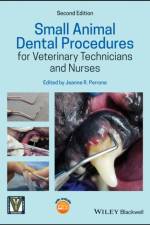
Small Animal Dental Procedures for Veterinary Technicians and Nurses, 2nd Edition brings together all aspects of canine, feline, and exotic animal dentistry for veterinary technicians and nurses. Offering complete coverage of all aspects of dental treatment for dogs, cats, and exotic pets, the book describes techniques for veterinary technicians providing dental care. The new edition includes brand new information on digital radiology, plus updates to current protocols and improved images throughout the book.The chapters contained within include in-depth coverage of all stages of small animal dental care, including:* Anesthesia* Radiology* Dental cleaning* Common diseases and treatment* Equipment needs and maintenance* Exotic dentistrySmall Animal Dental Procedures for Veterinary Technicians and Nurses includes access to a companion website that provides video clips, review questions, training exercises, forms, and editable glossaries. This book is an essential and invaluable resource for any veterinary technology student, veterinary technician or nurse regularly or occasionally engaged in small animal dental care.
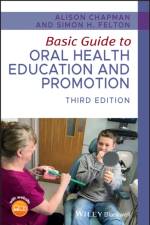
The thoroughly revised third edition of a Basic Guide to Oral Health Education and Promotion is an essential guide to help dental nurses prepare for a qualification in Oral Health Education and thereafter practice as an Oral Health Educator. It will help readers confidently educate patients about diseases and conditions that affect the oral cavity, and support their prevention, treatment, and management.Designed with an accessible layout to enhance learning, this course companion is divided into six sections covering: the structure and functions of the oral cavity; diseases and conditions; disease prevention; effective communication; treating specific patient groups, and oral health promotion and society.Invaluable to all members of the dental team and other health professionals involved in educating and promoting oral health, this key text:* Offers a guide for dental nurses taking a post-registration Certificate in Oral Health Education* Is fully updated to reflect changes in the industry, science, and course syllabus* Incorporates information on the new classification of periodontal and peri-implant diseases* Contains new information on topics including dementia, denture advice, and burning mouth syndrome* Includes an expanded section on promotion
Life on our planet depends upon having a climate that changes within narrow limits - not too hot for the oceans to boil away nor too cold for the planet to freeze over. Over the past billion years Earth's average temperature has stayed close to 14-15°C, oscillating between warm greenhouse states and cold icehouse states. We live with variation, but a variation with limits. Paleoclimatology is the science of understanding and explaining those variations, those limits, and the forces that control them. Without that understanding we will not be able to foresee future change accurately as our population grows. Our impact on the planet is now equal to a geological force, such that many geologists now see us as living in a new geological era - the Anthropocene.Paleoclimatology describes Earth's passage through the greenhouse and icehouse worlds of the past 800 million years, including the glaciations of Snowball Earth in a world that was then free of land plants. It describes the operation of the Earth's thermostat, which keeps the planet fit for life, and its control by interactions between greenhouse gases, land plants, chemical weathering, continental motions, volcanic activity, orbital change and solar variability. It explains how we arrived at our current understanding of the climate system, by reviewing the contributions of scientists since the mid-1700s, showing how their ideas were modified as science progressed. And it includes reflections based on the author's involvement in palaeoclimatic research.The book will transform debate and set the agenda for the next generation of thought about future climate change. It will be an invaluable course reference for undergraduate and postgraduate students in geology, climatology, oceanography and the history of science."A real tour-de-force! An outstanding summary not only of the science and what needs to be done, but also the challenges that are a consequence of psychological and cultural baggage that threatens not only the survival of our own species but the many others we are eliminating as well."Peter BarrettEmeritus Professor of Geology, Antarctic Research Centre, Victoria University of Wellington, New Zealand"What a remarkable and wonderful synthesis... it will be a wonderful source of [paleoclimate] information and insights."Christopher R. ScoteseProfessor, Department of Earth and Planetary Sciences, Northwestern University, Evanston, IL, USA
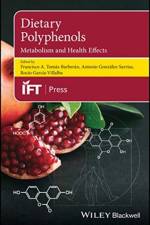
Presents recent research on metabolism and the health effects of polyphenols Consumer interest in the health benefits of many phenolic compounds found in plant foods and derivatives has grown considerably in recent years, giving rise to an increased demand for functional foods. Although preclinical and observational studies have promoted the protective properties of polyphenols for a range of chronic diseases, evidence has shown that most dietary polyphenols have little bioavailability. Once ingested, most of them are metabolized by either the intestinal enzymes or by the gut microbiota and then undergo extensive phase-II metabolism reaching significant concentrations of conjugated metabolites. They remain in the systemic circulation and target systemic tissues where trigger biological effects. The polyphenol-derived metabolites produced in humans are dependent upon the composition of the gut microbiota and the subject genetics. Thus all the metabolites do not show the same biological activity in different individuals. To fully understand the health effects of polyphenols, further clinical investigations are required. Dietary Polyphenols describes the latest findings on the polyphenol metabolism and reviews the current evidence on their health effects and that of their bioavailable metabolites. Emphasizing the importance of interindividual variability and the critical role of gut microbiota, this authoritative volume features contributions from recognized experts in the field, exploring specific families of extractable and non-extractable phenolic compounds that exhibit potential health effects. Topics include structural diversity of polyphenols and distribution in foods, bioavailability and bioaccessibility of phenolics, metabolism, and gastrointestinal absorption of various metabolites and their health effects. This comprehensive volume: Discusses the bioavailability, bioaccessibility, pharmacokinetics studies, and microbial metabolism of different groups of phenolic compounds Examines the interaction between polyphenols and gut microbiota Describes analytical methods for identifying and quantifying polyphenols in foods and biological samples Reviews recent epidemiological and clinical intervention studies showing protective effects of polyphenols Dietary Polyphenols: Metabolism and Health Effects is an important resource for scientists working in the area of dietary polyphenols and health effects, microbiota, and their interaction with other nutritional compounds, and for health professionals, nutritionists, dieticians, and clinical researchers with interest in the role of polyphenols in the prevention and treatment of chronic diseases.
The first focused study of Nietzsche's Dawn, offering a close reading of the text by two of the leading scholars on the philosophy of NietzschePublished in 1881, Dawn: Thoughts on the Presumptions of Morality represents a significant moment in the development of Nietzsche's philosophy and his break with German philosophic thought. Though groundbreaking in many ways, Dawn remains the least studied of Nietzsche's work. In Nietzsche's Dawn: Philosophy, Ethics, and the Passion of Knowledge, authors Keith Ansell-Pearson and Rebecca Bamford present a thorough treatment of the second of Nietzsche's so-called "free spirit" trilogy.This unique book explores Nietzsche's philosophy at the time of Dawn's writing and discusses the modern relevance of themes such as fear, superstition, terror, and moral and religious fanaticism. The authors highlight Dawn's links with key areas of philosophical inquiry, such as "the art of living well," skepticism, and naturalism. The book begins by introducing Dawn and discussing how to read Nietzsche, his literary and philosophical influences, his relation to German philosophy, and his efforts to advance his "free spirit" philosophy. Subsequent discussions address a wide range of topics relevant to Dawn, including presumptions of customary morality, hatred of the self, free-minded thinking, and embracing science and the passion of knowledge. Providing a lively and imaginative engagement with Nietzsche's text, this book:* Highlights the importance of an often-neglected text from Nietzsche's middle writings* Examines Nietzsche's campaign against customary morality* Discusses Nietzsche's responsiveness to key Enlightenment ideas* Offers insights on Nietzsche's philosophical practice and influences* Contextualizes a long-overlooked work by Nietzsche within the philosopher's life of writingLike no other book on the subject, Nietzsche's Dawn: Philosophy, Ethics, and the Passion of Knowledge is a must-read for advanced undergraduate and graduate students, instructors, and scholars in philosophy, as well as general readers with interest in Nietzsche, particularly his middle writings.
A broad examination of the rise of nationalism, populism, xenophobia, and racism throughout the worldThe Wiley Blackwell Companion to Race, Ethnicity, and Nationalism provides expert insight into the complex, interconnected factors that are influencing patterns of human relations worldwide in a time of rising populist nationalism, intensified racial and religious tensions, and mounting hostilities towards immigrants and minorities. Analyzing the underlying forces which continue to drive global trends, this volume examines contemporary patterns based on the most recent evidence spanning five continents--offering a diversity of interpretations, models and perspectives that address the challenges facing the study of race, ethnicity, and nationalism.The Companion features original contributions by both established experts and emerging scholars that explore an expansive range of theoretical, historical, and empirical case studies. Organized into five sections, the text first discusses growing trends in the United States, the significance of populism in major societies around the globe, and how global changes are influencing regional variations in race, ethnicity, and nationalism. An investigation of global migration patterns is followed by examination of conflict and violence, from urban riots and boundary disputes to warfare and genocide. The final section focuses on the policy debates resulting from changing patterns and their impact on politics, the economy, and society. Timely and highly relevant, this book:* Discusses contemporary issues such as the failure of school systems to provide equal opportunities to minorities, the evolution of the School-to-Prison pipeline, and the Black Lives Matter movement* Explores shifts in American race relations, the influence of social media and the internet, and the links between increased globalization and contemporary forms of nationalism, racism, and populism* Features essays on national and ethnic identity in China, Japan, and South Korea, India, Central Asia, Africa, Latin America, and Europe* Analyzes policies regarding borders, immigration, refugees, and human rights in different countries and regions* Offers perspectives on the radicalization of social movements, the creation of ethnic, linguistic and other boundaries between groups, and the models used to understand intractable conflicts in many global settingsThe Wiley Blackwell Companion to Race, Ethnicity, and Nationalism is an indispensable resource for scholars, researchers, instructors, and students across the social sciences, including sociology, political science, global affairs, economics, comparative race and ethnic relations, international migration, social change, and sociological theory.
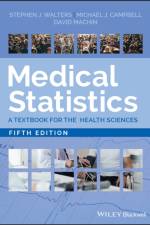
The 5th edition of this popular introduction to statistics for the medical and health sciences has undergone a significant revision, with several new chapters added and examples refreshed throughout the book. Yet it retains its central philosophy to explain medical statistics with as little technical detail as possible, making it accessible to a wide audience.Helpful multi-choice exercises are included at the end of each chapter, with answers provided at the end of the book. Each analysis technique is carefully explained and the mathematics kept to minimum. Written in a style suitable for statisticians and clinicians alike, this edition features many real and original examples, taken from the authors' combined many years' experience of designing and analysing clinical trials and teaching statistics.Students of the health sciences, such as medicine, nursing, dentistry, physiotherapy, occupational therapy, and radiography should find the book useful, with examples relevant to their disciplines. The aim of training courses in medical statistics pertinent to these areas is not to turn the students into medical statisticians but rather to help them interpret the published scientific literature and appreciate how to design studies and analyse data arising from their own projects. However, the reader who is about to design their own study and collect, analyse and report on their own data will benefit from a clearly written book on the subject which provides practical guidance to such issues.The practical guidance provided by this book will be of use to professionals working in and/or managing clinical trials, in academic, public health, government and industry settings, particularly medical statisticians, clinicians, trial co-ordinators. Its practical approach will appeal to applied statisticians and biomedical researchers, in particular those in the biopharmaceutical industry, medical and public health organisations.
"The first full account of a leading 19th century female writer and anti-slavery activist"--
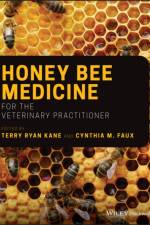
Ein unerlässliches Referenzwerk für die Gesunderhaltung von Honigbienen.Honey Bee Medicine for Veterinary Practitioners ist ein zuverlässiger Leitfaden für die Gesunderhaltung von Honigbienen und des Bienenstocks. Dieses Fachbuch für Veterinärmediziner und weitere Experten bietet nützliche Informationen, Antworten auf häufige Fragen und erleichtert die Untersuchung des Bienenstocks.Behandelt werden eine Vielzahl von Themen, von den Grundlagen der Haltung, Ausrüstung und Sicherheit über Anatomie und Genetik bis hin zu Diagnose und Management von Krankheiten. Aktuelle Informationen zur Varroa-Milbe und anderen Bienenschädlingen werden präsentiert, ebenso eine Einführung zur Pharmakologie und Toxikologie bei Bienen und zur Ökologie einheimischer Bienen.Inhalte des neuen Referenzwerks:- Leitfaden zur veterinärmedizinischen Betreuung von Honigbienen.- Informationen zu den Grundlagen der Haltung, zu Untersuchung, Verfahren, Fütterung u.v.m.- Erfolgreicher Umgang mit Fragen und ?Notfällen?.- Mit nützlichen Fotos, Zeichnungen, Tabellen und Grafiken.Das Fachbuch richtet sich an Veterinärmediziner, Studenten der Veterinärmedizin, Veterinärtechniker, Wissenschaftler und Bienenkundler. Honey Bee Medicine for the Veterinary Practioner ist ein praxisorientiertes und umfassendes Nachschlagewerk über die Gesunderhaltung von Honigbienen.
A collection of essays in honour of Clyve Jones who has made an incomparable contribution to our understanding of the history of the Westminster house of lords - its politics, procedures and business - and to the history of the English and Scottish peerage more generally* Written in tribute by friends and fellow historians of the Lords* Examines aspects of the political activities and social lives of the peerage between c. 1650 and c. 1850, following up many of the themes reflected in Clyve's own writings* A particular focus on the period between the Glorious Revolution and the fall of Walpole, with several articles on the Scottish contingent in the Upper House* Also stretches well into the 19th century with subjects discussed not only parliamentary management, but the electioneering activities of aristocratic magnates, and the contribution of aristocratic women to the political world of late Stuart England
The second edition of Effective Writing in Psychology helps users produce crisp scientific communication, form concise unambiguous arguments, and render technical information clear and comprehensible. The new edition incorporates the latest guidelines contained within the 6 th edition of the APA Publication Manual.
"A renowned anthropologist's profound and personal correspondences with the world we live in"--
Radiology Lecture Notes is a succinct yet thorough introduction to the essential imaging techniques used in various clinical situations. This fully revised and updated new edition presents the fundamental core knowledge of film interpretation, specialised radiological investigations, and procedures for imaging specific problems. The book explores common diseases and disorders complemented by good quality radiology images and full-colour illustrations. Concise chapters, organised by body systems cover investigations of the respiratory and gastrointestinal tracts, the cardiovascular and musculoskeletal systems, the liver and pancreas, and many others.Now in its fourth edition, this market-leading guide has been updated to reflect current practices and technologies in the field, featuring new up-to-date content on Computed Tomography (CT) and Magnetic Resonance Imaging (MRI). This practical guide:* Provides a basic foundation in the principles and techniques of radiology* Offers new content, including up-to-date CT, MRI and nuclear medicine images* Features bulleted lists, 'Key Points' boxes, and 'Radiological Investigations' sections throughout the textRadiology Lecture Notes is an ideal study and revision guide for medical students and junior doctors, and will be a useful aid for specialist nurses, radiographers, and radiology department staff.
A comprehensive and thoroughly revised text on dairy science that contains information on the most recent developmentsThe fully updated third edition of Understanding the Dairy Cow explores the scientific principles that provide a foundation for understanding the animal's body system. The comprehensive text also reveals how to properly manage dairy cattle with economic efficiency whilst taking into consideration the cow's welfare.The revised new edition contains expanded coverage on topics including insight into cow behaviour and welfare, genetic selection indices, new strategies for control of mastitis and lameness and information on the overworked cow. It also contains the most recent developments in breeding, nutrition and management.* Is an authoritative text on the dairy cow that covers a wide-ranging subject area including the science, disease and husbandry* Presents the information and knowledge necessary for the efficient and humane management of cows* Includes expanded coverage on a variety of topics such as cow behaviour and welfare, and genetic selection indices* Highlights major new developments in the fieldCovering both the basics and recent developments in dairy science, Understanding the Dairy Cow 3rd Edition is ideal for students in agriculture and veterinary science and for professionals working in the complex business of dairy farming.
Winner of the 2021 National Communication Association PRIDE award in the 'Outstanding Textbook' category!Explore a wide range of theoretical frameworks and themes for public relations in this comprehensive and authoritative work Public Relations Theory: Capabilities and Competencies is a comprehensive overview of the major theoretical perspectives in public relations, considering the evolution, diversification and merger of approaches that have been spurred by rapid changes in society, cultural boundaries, technology, and media environments. Authors Jae-Hwa Shin and Robert Heath explain both organizational and social theories of public relations, including cases and challenges to help students bring theory and research to bear on solving the daily challenges of public relations practice. Rather than advocate in favor of a particular theoretical view or position, Public Relations Theory: Capabilities and Competencies covers a broad range of theoretical perspectives and themes in public relations, including:* An examination of excellence theory, contingency theory, rhetorical theory, and critical theory as these perspectives apply to public relations* Issues management, crisis management, risk management and conflict management with respect to public relations* Combining theory and practice for conceptualization and strategic execution of robust public relations programs and campaigns* The importance of public relations ethics to serve the public good* How to define "the public" or "relationships" in the field of public relationsThe book closes with discussion of emerging topics and the recent transformation of public relations theory to take diversity, technology, and global identity into account and offers insight into future direction. This book is perfect for upper level undergraduate and graduate students of public relations in journalism and communication. It will also be useful for public relations practitioners who hope to improve their understanding of the theoretical background and principles of their work and serve as an excellent reference for doctoral students and researchers in the area.
Abonner på vårt nyhetsbrev og få rabatter og inspirasjon til din neste leseopplevelse.
Ved å abonnere godtar du vår personvernerklæring.