
Gjør som tusenvis av andre bokelskere
Abonner på vårt nyhetsbrev og få rabatter og inspirasjon til din neste leseopplevelse.
Ved å abonnere godtar du vår personvernerklæring.Du kan når som helst melde deg av våre nyhetsbrev.

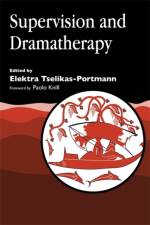
This book explores the ways in which dramatherapy techniques and concepts can be applied to supervision, and looks at how supervisions are conducted within the field of dramatherapy. The contributors offer insights into the relationships between supervisor, supervisee and client, and the dramatic roles that unfold during the supervision process.
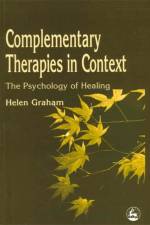
This is a detailed and comprehensive reference text for people wanting extensive background knowledge of complementary therapies and the background to their development. It also includes interesting sections on the complex relationship between eastern and western medicine; and how both have developed and progressed within the very recent past.
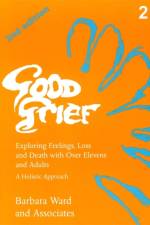
Good Grief has been designed to explore and demystify the experience of loss in different contexts within the framework of the National Curriculum. Primarily designed for mixed ability secondary and adult education, Good Grief 2 will also be invaluable for many other statutory, professional and community organisations.
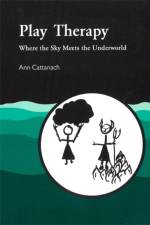
Ann Cattanach outlines the theoretical basis and provides guidelines for work in this area. She examines the role of the therapist, and the different methods involved in therapy. Also covered is the use of play therapy in different work settings, such as the education service, the social services, and hospitals.
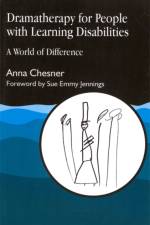
Chesner's book explores dramatherapy as perhaps the most wide-ranging of all art forms, incorporating as it does elements of music, movement, design, story and performance, and addresses the value of action-based therapy methods with people with learning difficulties.
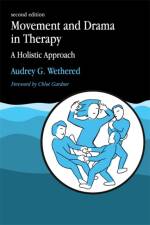
This classic book explores the role of drama, movement and music in therapy. It clearly explains the fundamental principles of movement and, with detailed use of case studies, its application in different therapeutic situations - in groups, with individuals, and with people with learning, physical or psychological difficulties.
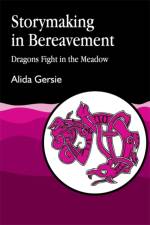
In this book the author reflects on the processes of grief and more than 50 folk tales are included. The ancient stories vividly convey mankind's struggle with death and loss, the despair and hope, with bitterness and love. The use of stories in therapy is explained, specifically bereavement counselling through storymaking.
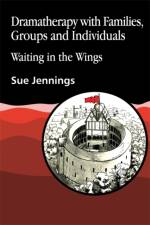
This book - by one of the leaders in this exciting and relatively new field - is the first to present a working framework for dramatherapists, social workers, family and marital therapists, and others conducting groups. This framework primarily deals with dramatherapy in non-clinical settings such as family centres and residential children's homes.
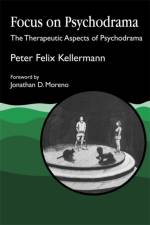
This textbook is for all students and practioners of psychodrama and drama, and professionals seeking to extend their knowledge of creative arts therapies. The author provides a comprehensive overview of the theory and practice of psychodrama, presenting a systematic analysis of its essential therapeutic ingredients.
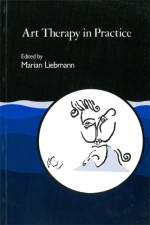
There is increasing interest in the use of the arts generally, with disadvantaged people of all kinds/ New ways of working are being developed all the time, and art therapists are pushing out the boundaries as they do this. This book describe what actually happens in art therapy in a variety of contexts, as practised by particular art therapists.
Walker's father, Robert Hughes, tells a touching and inspiring story of discovering that their 'perfect little boy had a problem'. With disarming honesty and humour, the book tells how a family copes and keeps hope alive despite the staggering difficulties autism presents.
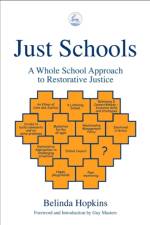
In this practical handbook Hopkins presents a whole school approach to repairing harm using a variety of means including peer mediation, healing circles and conference circles. She provides clear, practical guidance for group sessions and examines issues and ideas relating to practical skill development for facilitators.
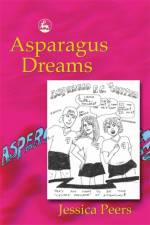
Expelled from mainstream education and vaguely aware she has something called 'Asparagus' Syndrome, 12-year-old Jessica is sent away to a residential school for young people with autism. Recalling her school years with humour and insight, Jessica's account will open the eyes of readers to the difficulties, and the rewards, of this condition.
Based on a qualitative study of child protection practices this book takes a detailed look at what professionals actually 'do', contrasting the relatively straightforward process illustrated in procedural guidance with the uncertainty of the 'real world' of child protection work.
Abonner på vårt nyhetsbrev og få rabatter og inspirasjon til din neste leseopplevelse.
Ved å abonnere godtar du vår personvernerklæring.