















Gjør som tusenvis av andre bokelskere
Abonner på vårt nyhetsbrev og få rabatter og inspirasjon til din neste leseopplevelse.
Ved å abonnere godtar du vår personvernerklæring.Du kan når som helst melde deg av våre nyhetsbrev.

The therapies for treating coronary heart disease (CHD) range from the more commonly encountered herbs, vitamins, supplements, and dietary fats and oils, to such less familiar techniques as acupuncture, homeopathy, massage, chelation therapy, meditation, aroma therapies, prayer, and energy therapies.
Cancer Cell Signaling: Methods and Protocols brings together several such methods in cell signaling research that are scientifically grounded within the cancer biology field.
Leading researchers review the activation of the mammalian immune system by bacterial DNA and its immunostimulatory sequences (ISS), and consider the applications of ISS in clinical medicine.
The major goal of Opportunistic Infections: Treatment and Prophylaxis is to guide cli- cians who provide care for patients suffering from an underlying immunodeficiency that may significantly weaken their immune defenses and will complicate the effective treatment of opportunistic infections.
Zebrafish Models in Neurobehavioral Research emphasizes the growing importance of zebrafish in neurobehavioral research and portrays an extensive, thorough perspective on the emergence of zebrafish as robust and translational models.
Chapter three discusses how to effectively choose an EMR system, while chapters four and five cover all of the vital pre-implementation and implementation issues in establishing an EMR system in the primary care environment.
There is the world of ideas and the world of practice; Concomitantly, those institutions involved in training peo- ple in clinical ethics have added organized exposure to the world of practice , in the form of placement requirements, to the normal academic course load.
The expert information provided here serves as an invaluable building block for novel treatments of cardiovascular diseases and includes a comprehensive discussion of cardiac function and dysfunction, coronary artery disease, cardiac arrhythmias, vascular diseases, and risk factors for cardiovascular disease.
Dr. Stadtman broke the ground for a new field of study to discover how oxidative stress contributes in significant ways to age-related cellular dysfunction and protein accumulation and that oxidation in the aging brain influences Alzheimer's disease, ischemia-reperfusion injury, amyotrophic lateral sclerosis, and lifespan [4-6].
In Heme, Chlorophyll, and Bilins: Methods and Protocols, an interdisciplinary panel of hands-on investigators describe in detail how to work successfully with chlorophyll, heme, and bilins in biological, medical, chemical, and biochemical research.
The medical device industry faces critical ongoing challenges in the search for new and better materials for advanced medical applications and to replace old materials that no longer stand the test of time. In Biomaterials Engineering and Devices: Human Applications, Volume 1: Fundamentals and Vascular and Carrier Applications, authoritative international experts comprehensively review many current state-of-the-art uses of polymers, metals, and ceramics in the human body. A veritable encyclopedia of valuable data and experience, this volume not only fully addresses the major issues of compatibility and functionality, but also provides a technical treatise on the design and evaluation of biomaterials for vascular applications and on biomaterials as carriers for bioactive agents. The discussion includes treatment of emerging materials and of the regulatory and technical forces that shape their development. A second volume, Biomaterials Engineering and Devices: Human Applications, Volume 2 is devoted to biomaterials for dental applications, bony biomaterials for grafting applications, and orthopedic fixtures and cements. Extensively illustrated and referenced, Biomaterials Engineering and Devices: Human Applications, Volume 1: Fundamentals and Vascular and Carrier Applications integrates for today's bioengineering professionals the basic science, engineering, and practical medical experience needed to meet the ever-growing demand for new and better biomaterials.
Drugs of Abuse: Neurological Reviews and Protocols is intended to provide insightful reviews of key current topics and, particularly, state-- the-art methods for examining drug actions in their various neuroanato- cal, neurochemical, neurophysiological, neuropharmacological, and molecular perspectives.
Presents an account of how genetic abnormalities, neurobiology, and neuropsychology work together to manifest cognitive-behavioral dysfunction. This work reviews the status of research in autosomal disorders that produce cognitive-behavioral dysfunction and syndromal and nonsyndromal disorders that produce mental retardation.
This new volume in the Current Clinical Practice (TM) series puts the most important evidence-based, nationally recognized clinical guidelines together in one place. As a result, busy clinicians can go to one source when, in the care of a patient, a question arises that is best answered by an existing clinical guideline.
A collection of cutting-edge laboratory techniques for the study of trophoblast and placental biology.
Another great attraction of using organic solvents rather than water as a reaction solvent is the ability to perform synthetic transformations with re- tively inexpensive hydrolytic enzymes.
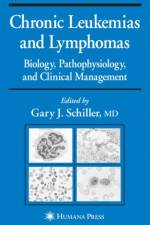
Describing the unique biological features of indolent hematologic neoplasms, this work provides insight into their clinical manifestation, highlighting potential targets for novel therapies, and distinguishing these disorders from aggressive lymphoma and Hodgkin's disease.
This makes health insurance a virtual necessity for adequate medical care, and people worry that they will be denied employment and/or medical cov erage if certain sorts of medical information are not kept strictly confi dential.
These comprehensive yet concise collections of articles by world experts survey the latest findings on the molecular biology of diabetes and insulin action and synthesize a coherent understanding of the subject.
A thoroughly revised and updated collection readily reproducible techniques for culturing human cells. This new edition includes a wide range of human cell types relevant to human disease and new chapters on fibroblasts, Schwann cells, gastric and colonic epithelial cells, and parathyroid cells.
This completely revised and updated second edition to integrates the many new technologies and insights now available for the diagnosis of genetic diseases.
Much of our knowledge of the cerebral circulation has been derived from studies of species other than human. " The authority of Galen's writings dominated scientific thought for about 1500 years.
Since the cloning of the cystic fibrosis transmembrane conductance re- lator (CFTR) nearly a decade ago, cystic fibrosis (CF) research has witnessed a dramatic expansion into new scientific areas.
These comprehensive yet concise collections of articles by world experts survey the latest findings on the molecular biology of diabetes and insulin action and synthesize a coherent understanding of the subject.
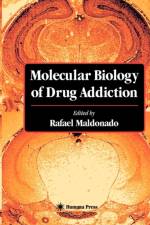
A comprehensive multidisciplinary review of the most relevant molecular, genetic, and behavioral approaches used to investigate the neurobiological basis of drug addiction.
Physicians, nurses, and safety experts comprehensively review sedation and analgesia to provide a completely new reference guide to safe sedation practices consistent with existing guidelines. They also review current mandates for safe sedation practices and address the key clinical issues of pharmacology, monitoring, and recovery.
Mass Spectrometry in Biology and Medicine offers a unique opportunity to explore and apply these new techniques of mass spectrometry that are revolutionizing the identification and structural characterization of proteins, carbohydrates, and nucleic acids.
Molfese, PhD vii CONTENTS Dedication . . . . . . . . . . . . . . . . . . . . . . . . . . . . . . . . . . . . . . . . . . . . . . . . . . . . . . . . . . . . . . . . . . . . . . . . . . . . . . . . . . xi 1 Historical Aspects of Attention Deficit Hyperactivity Disorder . Dykman 2 Scanning the Genome for Attention Deficit Hyperactivity Disorder .
Abonner på vårt nyhetsbrev og få rabatter og inspirasjon til din neste leseopplevelse.
Ved å abonnere godtar du vår personvernerklæring.