













Gjør som tusenvis av andre bokelskere
Abonner på vårt nyhetsbrev og få rabatter og inspirasjon til din neste leseopplevelse.
Ved å abonnere godtar du vår personvernerklæring.Du kan når som helst melde deg av våre nyhetsbrev.

Showcasing exemplary research programs, this book explores how theories and findings on cognitive development can be used to improve classroom instruction.
While most books on missing data focus on applying sophisticated statistical techniques to deal with the problem after it has occurred, this volume provides a methodology for the control and prevention of missing data. In clear, nontechnical language, the authors help the reader understand the different types of missing data and their implications for the reliability, validity, and generalizability of a studys conclusions. They provide practical recommendations for designing studies that decrease the likelihood of missing data, and for addressing this important issue when reporting study results. When statistical remedies are needed--such as deletion procedures, augmentation methods, and single imputation and multiple imputation procedures--the book also explains how to make sound decisions about their use. Patrick E. McKnight's website offers a periodically updated annotated bibliography on missing data and links to other Web resources that address missing data.
Caring for a parent whose health is in decline turns the world upside down. The emotional fallout can be devastating, but it doesn't have to be that way. Empathic guidance from an expert who's been there can help. Through an account of two sisters and their ailing mother--interwoven with no-nonsense advice--The Emotional Survival Guide for Caregivers helps family members navigate tough decisions and make the most of their time together as they care for an aging parent. The author urges readers to be honest about the level of commitment they're able to make and emphasizes the need for clear communication within the family. While acknowledging their guilt, stress, and fatigue, he helps caregivers reaffirm emotional connections worn thin by the routine of daily care. This compassionate book will help families everywhere avoid burnout and preserve bonds during one of life's most difficult passages.
Presents a fresh approach for treating somatization disorder and related problems, such as fibromyalgia, irritable bowel syndrome, and chronic fatigue syndrome. This program integrates cognitive-behavioral techniques with strategies to build emotional self-awareness and interventions to help patients understand and alter their illness behavior.
This innovative scientific reference and clinical tool is virtually two books in one. Part I thoroughly yet succinctly reviews the literature on binge-eating disorder, covering diagnosis and epidemiology, clinical features and course, links to obesity, medical risks, and current treatment data. Part II provides an evidence-based cognitive-behavioral treatment manual. Session-by-session guidelines address how to help individuals or groups change their eating behavior, cope with emotional triggers, restructure problematic thoughts, deal with body image concerns and associated problems, maintain improvement, and prevent relapse. Featured are more than 40 clearly explained homework assignments and handouts, all in a large-size format with permission to photocopy.
This practical resource and widely used text presents a wealth of research-based approaches to comprehension instruction. The authors offer specific classroom practices that help K-9 students compare and evaluate print and online sources, develop vocabulary, build study and test-taking skills, and become motivated readers.
Offers an introduction to the AAI and its use as an adjunct to a range of therapeutic approaches, including cognitive-behavioral therapy, psychoanalytic psychotherapy, parent-infant psychotherapy, home visiting programs, and supportive work in the context of foster care and adoption.
Why do standard, evidence-based interventions fail to work for certain clients or certain situations? What tools do cognitive-behavioral theory and therapy offer for managing difficult cases? This book addresses these questions and addresses specific kinds of "roadblock," exploring how and why it arises and suggests effective, practical solutions.
Presents work on the conscious and unconscious processes involved in emotion. This book addresses such questions as how bodily responses contribute to conscious experience, whether "unconscious emotion" exists, how affect is transmitted from one person to another, and how emotional responses are produced in the brain.
For those with chronic problems that include multiple Axis I disorders comorbid with personality disorders, the barriers to change are significant. This book presents a therapeutic approach that integrates psychodynamic, cognitive-behavioral, and other techniques to empower patients to overcome these barriers by fostering change in personality.
This eminently practical guide presents an empirically supported approach for treating people with substance abuse problems and their spouses or domestic partners. Behavioral couples therapy (BCT) explicitly focuses on both substance use and relationship issues, and is readily compatible with 12-step approaches. Provided are all the materials needed to introduce BCT; implement a recovery contract to support abstinence; work with clients to increase positive activities, improve communication, and reduce relapse risks; and deal with special treatment challenges. Appendices include a session-by-session treatment manual and 70 reproducible checklists, forms, and client education posters. The large-size format and lay-flat binding facilitate photocopying and enhance the book's clinical utility.
Illustrated with abundant clinical material, this book provides essential knowledge and skills for effective mental health practice with older adults. It demonstrates how to evaluate and treat frequently encountered clinical problems in this population, including dementias, mood and anxiety disorders, and paranoid symptoms. Strategies are presented for implementing psychosocial interventions and integrating them with medications. The book also describes insightful approaches for supporting family caregivers and addresses the nuts and bolts of consulting in institutional settings. Combining their expertise as a researcher and an experienced clinician, the authors offer a unique perspective on the challenges facing older adults and how to help them lead more fulfilling and independent lives. Three reproducible forms can also be downloaded and printed in a convenient 8 1/2"e; x 11"e; size.
This book presents hands-on tools for addressing the multiple ways that brain injury can affect psychological functioning and well-being. The author is a leader in the field who translates her extensive clinical experience into clear-cut yet flexible guidelines that therapists can adapt for different challenges and settings. With a focus on facilitating awareness, coping, competence, adjustment, and community reintegration, the book features helpful case examples and reproducible handouts and forms. It shows how to weave together individual psychotherapy, cognitive retraining, group and family work, psychoeducation, and life skills training, and how to build and maintain a collaborative therapeutic relationship.
This volume includes chapters from nearly every major contributor to the psychological literature on jealousy and envy as well as from several creative new investigators.
Presents a framework for understanding the processes by which peers shape each other's attitudes and behavior, and explores implications for intervention and prevention. This book features findings on such topics as how drug use, risky sexual behavior, and other deviant behaviors 'catch on' among certain peer groups or cliques.
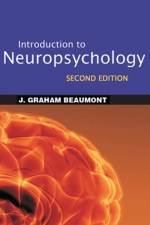
This outstanding text gives students a solid grounding in clinical and experimental neuropsychology. The author is a leading authority whose engaging writing style and thorough yet concise coverage of brain localization, anatomy, and their links to cognitive function make the book ideal for undergraduate or graduate use. It is illustrated with more than 60 figures, including six color plates.
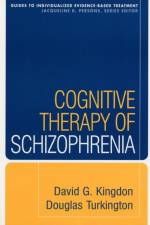
Drawing on the authors' decades of influential work in the field, this highly practical volume presents an evidence-based cognitive therapy approach for clients with schizophrenia. Guidelines are provided for collaborative assessment and case formulation that enable the clinician to build a strong therapeutic relationship, establish reasonable goals, and tailor treatment to each client's needs. Described in thorough, step-by-step detail are effective techniques for working with delusional beliefs, voices, visions, thought disorders, and negative symptoms; integrating cognitive therapy with other forms of treatment; reducing relapse risks; and enhancing client motivation. Special features include reproducible client handouts and assessment tools.
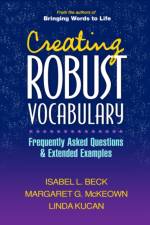
Bringing Words to Life has enlivened the classrooms of hundreds of thousands of teachers. Responding to readers' success stories, practical questions, and requests for extended examples, this ideal volume builds on the groundbreaking work of Bringing Words to Life. The authors present additional tools, tips, and detailed explanations of such questions as which words to teach, when and how to teach them, and how to adapt instruction for English language learners. They provide specific instructional sequences, including assessments, for grades K-2, 3-5, 6-8, and 9-12, as well as interactive lesson planning resources. Invaluable appendices feature engaging classroom activities and a comprehensive list of children's books and stories with suggested vocabulary for study. See also the authors' Bringing Words to Life, Second Edition: Robust Vocabulary Instruction, the authoritative guide to research-based vocabulary instruction, as well as Making Sense of Phonics, Second Edition: The Hows and Whys, by Isabel L. Beck and Mark E. Beck, an invaluable resource for K-3.
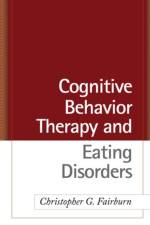
This book provides the first comprehensive guide to enhanced cognitive behavior therapy (CBT-E), the leading empirically supported treatment for eating disorders in adults. Written with the practitioner in mind, the book demonstrates how this transdiagnostic approach can be used with the full range of eating disorders seen in clinical practice. Christopher Fairburn and colleagues describe in detail how to tailor CBT-E to the needs of individual patients, and how to adapt it for patients who require hospitalization. Also addressed are frequently encountered co-occurring disorders and how to manage them. Reproducible appendices feature the Eating Disorder Examination interview and questionnaire. CBT-E is recognized as a best practice for the treatment of adult eating disorders by the U.K. National Institute for Health and Care Excellence (NICE).
Describes the range of clinical assessment tools. This title presents an overview of the Millon Clinical Multiaxial Inventory (MCMI), as well as comprehensive information on widely used instruments for such specific populations as adolescents, pre-adolescents, medical patients, and college students.
It may be hard to believe your child will ever get better, but kids with bipolar disorder can and do lead healthy, stable lives. In this compassionate and optimistic book, expert clinician and renowned researcher Mani Pavuluri delivers information, advice, and proven strategies that empower you to deal with the challenges of bipolar disorder and help your child get well. Drawing on 20 years of experience with bipolar kids and their families, she provides solidly researched strategies for reducing or eliminating problems with mania, aggression, sleep disturbances, depression, and other issues. You'll discover practical ways to handle crises at home and in school, work with professionals to find an effective combination of medicine and psychotherapy, and cultivate a supportive community of friends and peers for your child. Dr. Pavuluri also helps you deal with the stress that comes with parenting, so you can maintain your poise, focus on the positive, and be a powerful advocate for your child. Winner--American Journal of Nursing Book of the Year Award
This accessible and authoritative text gives social workers the tools they need for effective and ethical practice in school settings. Readers learn practical skills for observation, assessment, intervention, and research that will enable them to respond to the needs of diverse students from preschool through the secondary grades. The book presents strategies for dealing with particular problems, such as violence, trauma, parental absence, substance abuse, bereavement, and mental health concerns. Also reviewed are developmental issues that can interfere with school success. Specific guidelines for implementing interventions, including group work, are provided. Student-friendly features include many concrete examples; study and discussion questions; and reproducible letters, forms, and checklists.
Now in a fully revised and expanded second edition, this widely adopted text and practical reference addresses all aspects of developing and using geographic information systems (GIS) within an organization. Coverage includes the role of the GIS professional, how geographic information fits into broader management information systems, the use of GIS in strategic planning, and ways to navigate the organizational processes that support or inhibit the success of GIS implementation. All chapters retained from the prior edition have been thoroughly updated to reflect significant technological, empirical, and conceptual advances, as well as the changing contexts of GIS use. New chapters discuss organizational politics, metadata, legal issues, and GIS ethics.
High-quality preschool programs are essential to improving children's outcomes in reading achievement and leveling language and literacy disparities among students from diverse backgrounds. This practice-oriented book demonstrates how preschool professionals can create, evaluate, and sustain exemplary programs.
Shows how skillful case formulation addresses a critical challenge in psychotherapy: how to use empirically supported therapies (ESTs) in real-world clinical contexts. The author explains the basic theories of cognition, learning, and emotion that underlie available ESTs and shows how the theories also guide systematic case formulation.
Now in a fully revised and updated second edition, this important work provides authoritative scientific and applied perspectives on the full range of paraphilias and other sexual behavior problems. For each major clinical syndrome, a chapter on psychopathology and theory is followed by a chapter on assessment and treatment. Challenges in working with sex offenders are considered in depth. Thoroughly rewritten to reflect a decade of advances in the field, the second edition features many new chapters and new authors. New topics include an integrated etiological model, sexual deviance across the lifespan, Internet offenders, multiple paraphilias, neurobiological processes, the clinician as expert witness, and public health approaches.
Examines the processes by which people understand their interpersonal experiences. This book provides fresh perspectives on how individuals glean social knowledge from past relationship and apply it in the here and now. It explores the effects of biases and expectancies about significant others on relationship satisfaction and personal well-being.
Abonner på vårt nyhetsbrev og få rabatter og inspirasjon til din neste leseopplevelse.
Ved å abonnere godtar du vår personvernerklæring.